
If you are the type of person who carefully monitors your health—someone for whom the idea of lighting up a cigarette before or after a meal is completely unthinkable—it might be time to reconsider the contents of your plate. While smoking is widely recognized as a major threat to public health, emerging research suggests that our dietary choices, particularly regarding processed meats, may be carrying a silent but significant toll on our long-term survival. For many, the transition from a meaty sandwich to a bean burrito is not just a culinary preference; it could be a vital intervention for personal longevity.
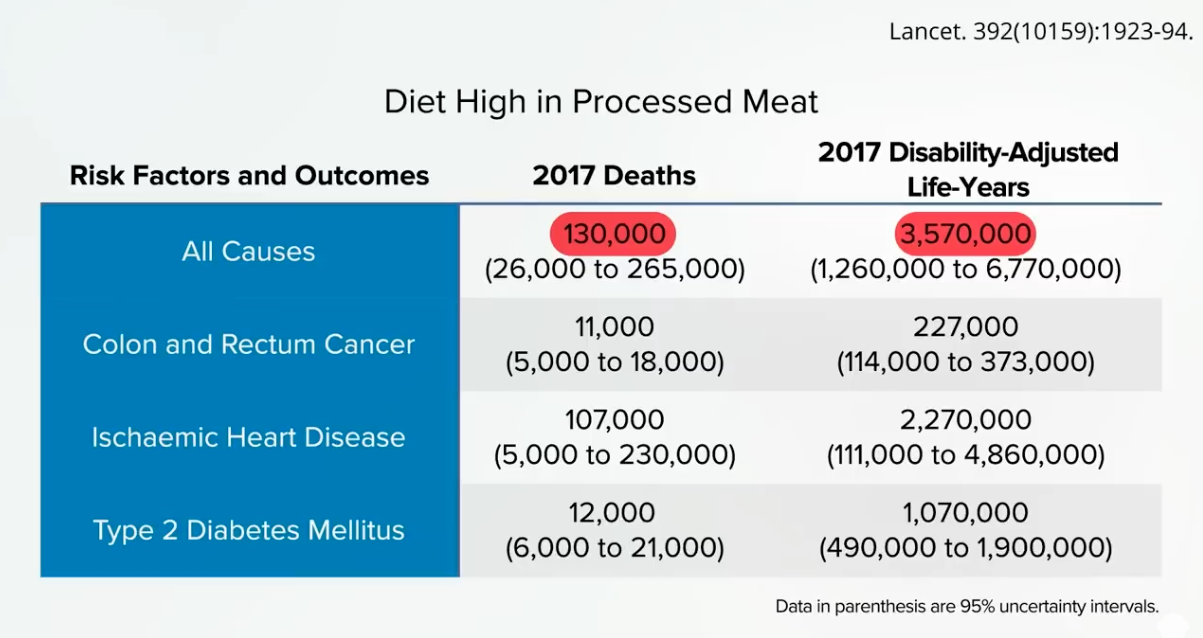
Data from the Global Burden of Disease Study provides a sobering look at the impact of modern diets. Diets high in processed meats—including staples like bacon, ham, hot dogs, lunch meat, and various sausages—are estimated to be responsible for more than 100,000 deaths annually. These premature deaths are primarily linked to heart disease, though they are also significantly associated with increased risks of cancer and diabetes. Beyond the raw number of deaths, this consumption pattern accounts for the loss of millions of healthy years of life across the globe. The scale of this public health crisis is immense, yet it often goes unnoticed because the damage is cumulative and chronic rather than immediate.
The potential for improvement is within reach, even with relatively small adjustments. The Union of Concerned Scientists has projected that if the average American population could reduce their intake of processed meat to just one ounce per week, thousands of cancer deaths could be averted annually. While these population-scale estimates are useful for policy makers, they often fail to resonate on an individual level. To bridge that gap, researchers and health advocates have begun using the concept of "microlives" to help people visualize how daily habits quietly chip away at, or potentially extend, their expected lifespan.
The necessity for such a metric stems from the ongoing debates surrounding nutritional science. In recent years, studies—such as the NutriRECS papers published in the Annals of Internal Medicine—have sparked intense controversy by suggesting that the link between meat consumption and mortality might be less certain than previously thought. However, even when analyzing the data through the lens of those same papers, a reduction in red and processed meat consumption is associated with a 13 percent lower risk of premature death. While a percentage can feel abstract, the concept of a "microlife" provides a concrete framework to understand what that 13 percent actually means for a person’s day-to-day existence.
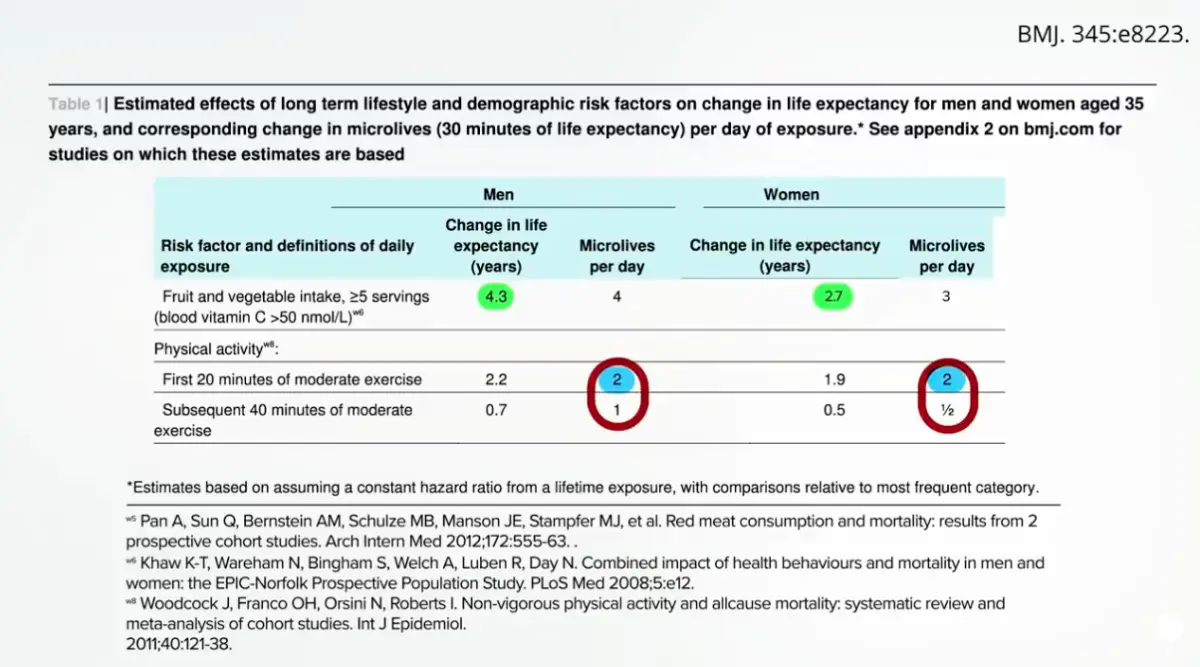
A "microlife" is defined as 30 minutes of life expectancy. The math behind this unit is derived from actuarial life tables: a young adult with roughly 500,000 hours of life remaining possesses one million "half-hours." Thus, a microlife represents one of those million increments. When we compare various lifestyle factors using this unit, the results can be startling. For instance, drinking a pint of strong beer is estimated to shorten one’s life expectancy by roughly the same amount as smoking a single cigarette. If it is unthinkable to have so little regard for your health that you would light up twice a day, the data suggests that being significantly overweight—or habitually consuming processed meats—should be viewed with the same level of concern.
The comparison works in reverse as well, highlighting the profound benefits of positive lifestyle changes. Eating at least five servings of fruits and vegetables daily, for example, is estimated to add an average of three to four years to one’s life expectancy. This is a massive return on investment, effectively doubling the benefits typically associated with daily exercise. However, exercise itself is an incredible bargain in the "microlife" economy. Spending 20 minutes on physical activity can yield an extra hour of life—a 3-to-1 return on investment. Even as one reaches a point of diminishing returns, the habit of exercising for an hour a day consistently adds more time to one’s life than is spent performing the activity itself.
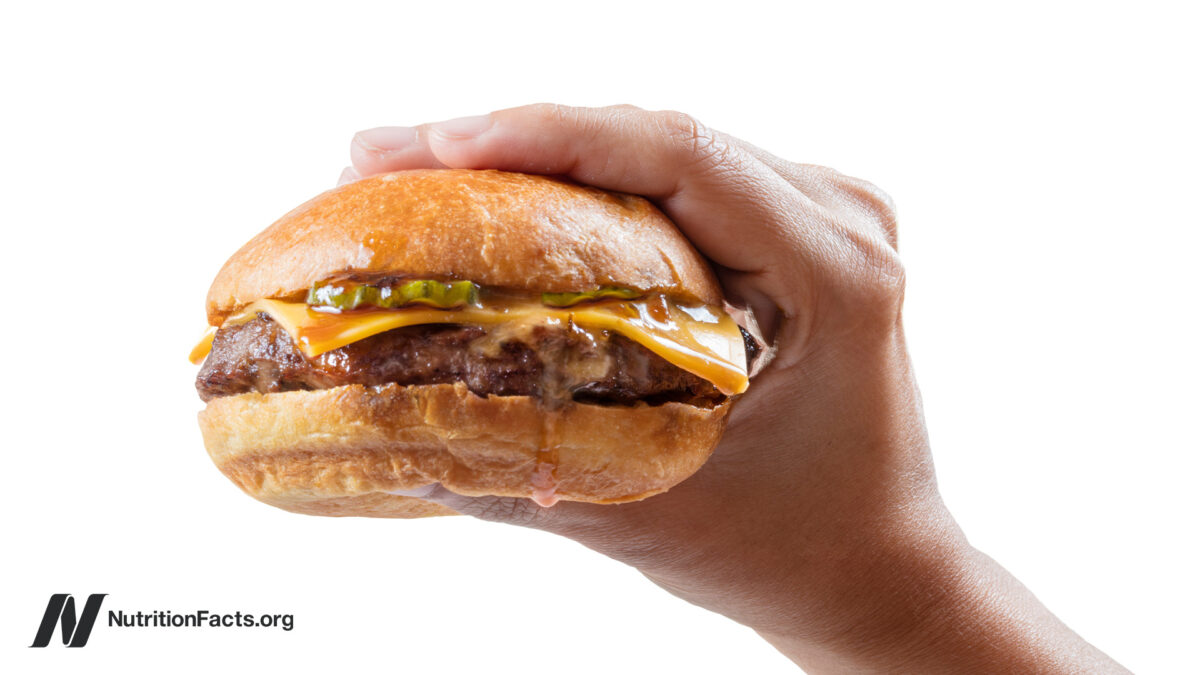
When we apply the microlife framework to dietary habits, the results are stark. Each burger consumed is associated with the loss of one microlife, effectively shaving 30 minutes off your total life expectancy. In terms of impact, one burger appears to be roughly equivalent to smoking two cigarettes. This comparison provides a powerful mental shortcut for consumers: if the thought of lighting up a cigarette at the lunch table is repulsive due to the known health risks, the choice of a meat-heavy lunch should be viewed through a similar, cautious lens. Choosing a bean burrito is not merely a change in flavor; it is a proactive decision to preserve one’s future health.
The risks associated with processed meats are even more pronounced than those of fresh red meat. When experts analyze the data, they consistently find that the habitual consumption of preserved meats—cured, salted, smoked, or otherwise chemically processed—is among the most significant dietary contributors to chronic illness. This is why public health experts continue to advocate for a shift toward plant-based, minimally processed foods.
The academic community has been vocal in its pushback against studies that minimize these risks. The chair of nutrition at Harvard and his colleagues have noted that certain recent recommendations suggesting that people can continue to consume meat with abandon suffer from important methodological limitations and misinterpretations of the evidence. They argue that to improve both human and planetary health, dietary guidelines must remain steadfast in emphasizing patterns low in red and processed meats and high in whole grains, nuts, legumes, and produce.
The perspective of Dr. Dean Ornish provides a critical final word on this matter. His work, including the Lifestyle Heart Trial, demonstrated that a comprehensive plant-based lifestyle program could actually reverse the progression of severe coronary heart disease. The control groups in such studies, which often made only modest, superficial reductions in meat consumption similar to those encouraged by recent controversial reviews, continued to show worsening atherosclerosis. As Dr. Ornish aptly noted, the light of scientific evidence eventually drives out the darkness, but in the current climate, that light must be exceptionally bright.
For the average consumer, the message is one of empowerment through information. Understanding that our daily decisions—from the choice of protein in a burrito to the 20 minutes spent walking—have quantifiable effects on our longevity changes the nature of health. It is a reminder that while the risks of modern living are often invisible, they are not inevitable. By prioritizing whole, plant-based foods and maintaining an active lifestyle, individuals can reclaim the "microlives" that are otherwise lost to the dietary habits of the modern age. As with any major decision regarding your well-being, the principle of caveat emptor—let the buyer beware—remains paramount. In this case, your life may quite literally depend on the choices you make at your next meal.