
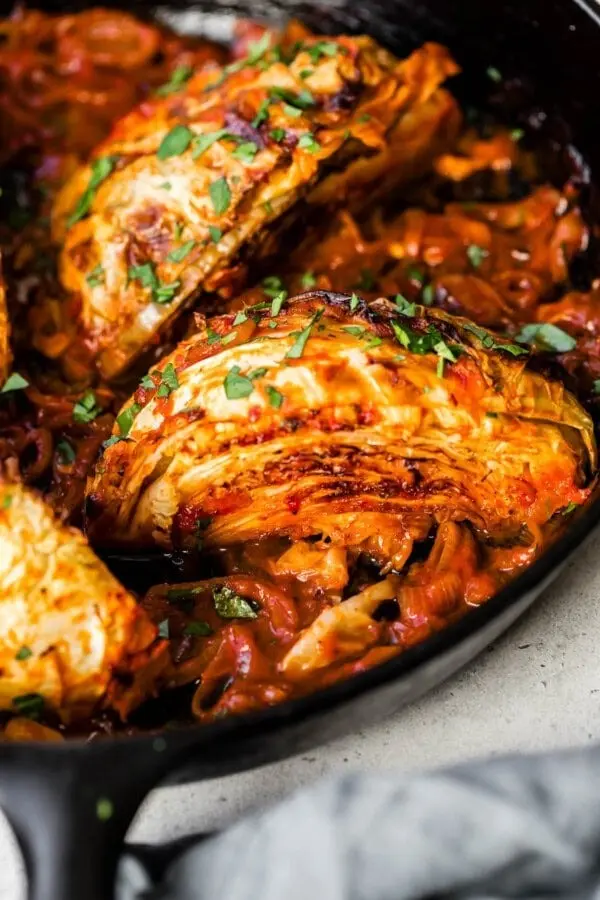
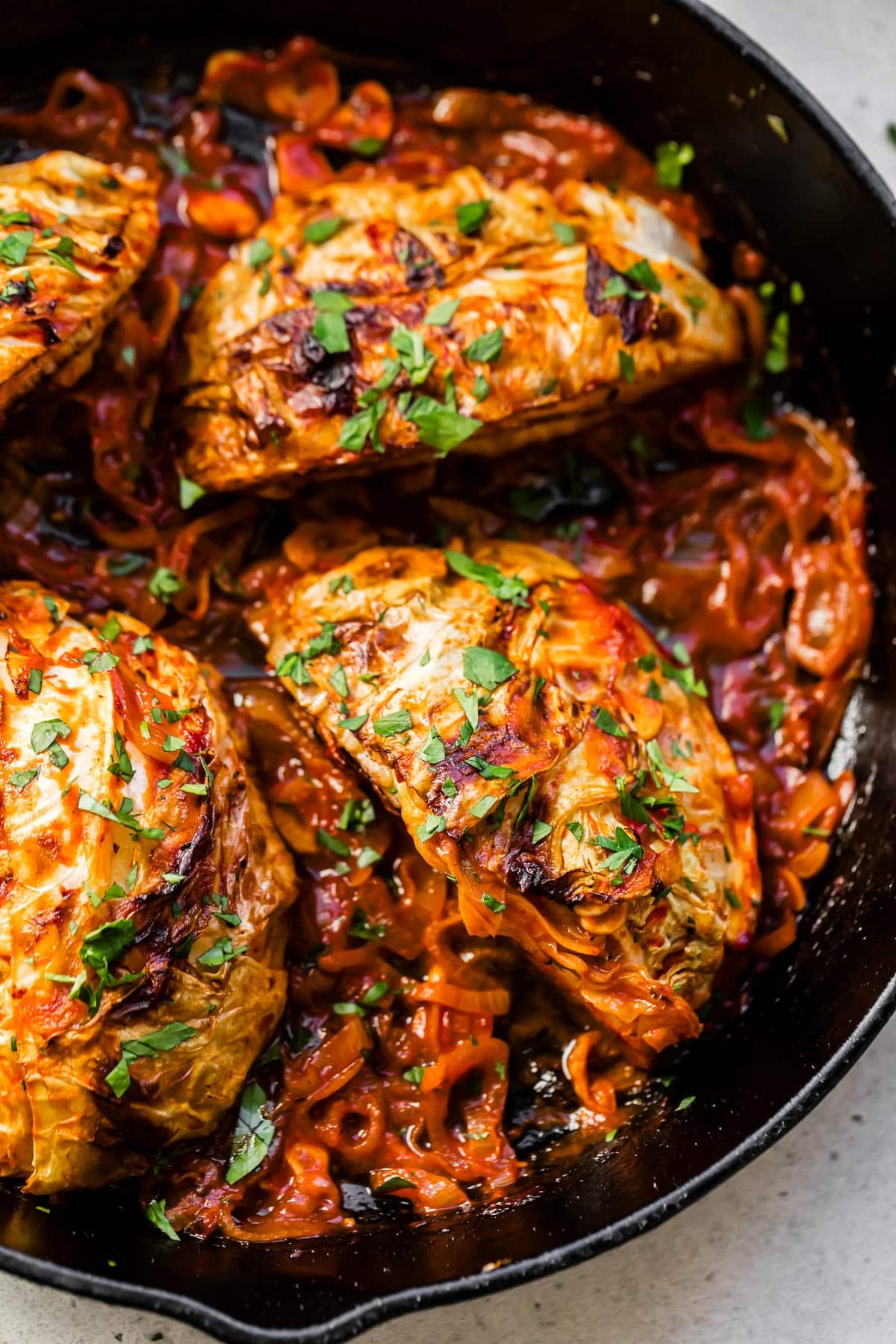
In the ever-evolving landscape of home cooking, where trends often favor exotic superfoods or complex techniques, there is a quiet, persistent movement toward rediscovering the humble pantry staple. Among these, the common cabbage is currently undergoing a significant culinary renaissance. Once relegated to the periphery of the dinner plate—often found shredded in cold coleslaw or boiled to the point of blandness—the vegetable is finding new life through a technique known as "melting cabbage." This approach, which involves braising thick wedges in a rich, savory tomato and wine sauce, is transforming the simple head of cabbage into a sophisticated, comfort-food centerpiece.
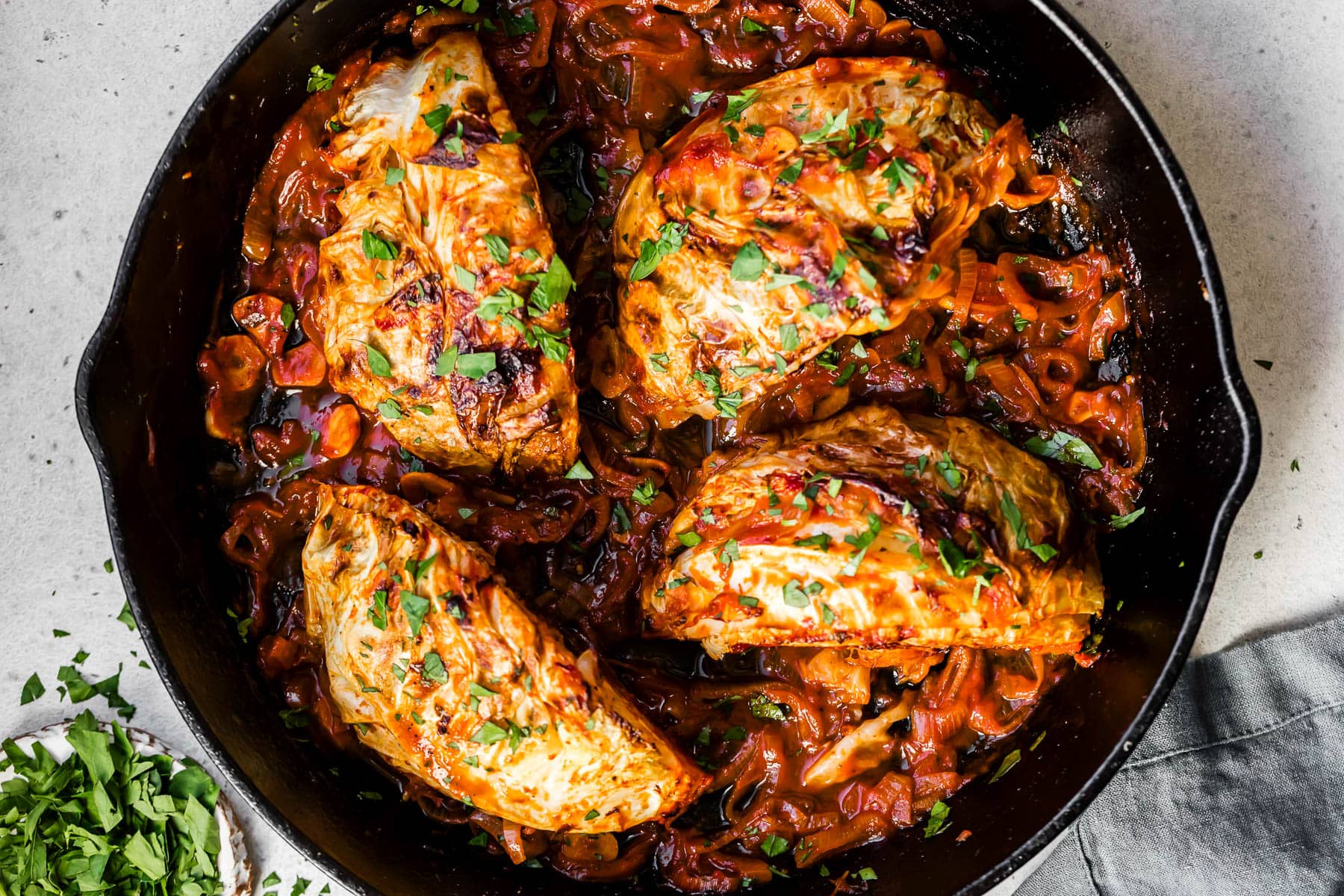
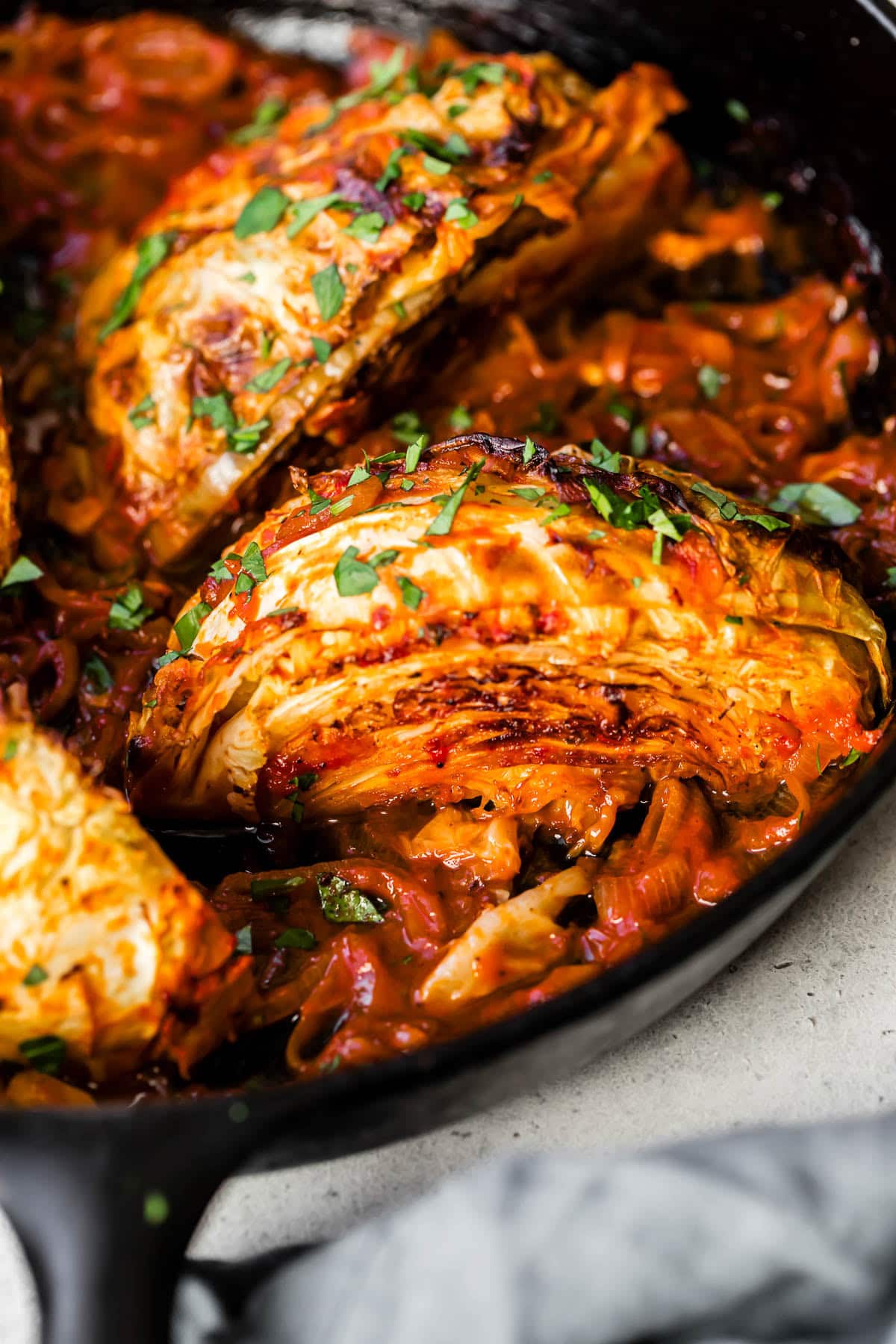
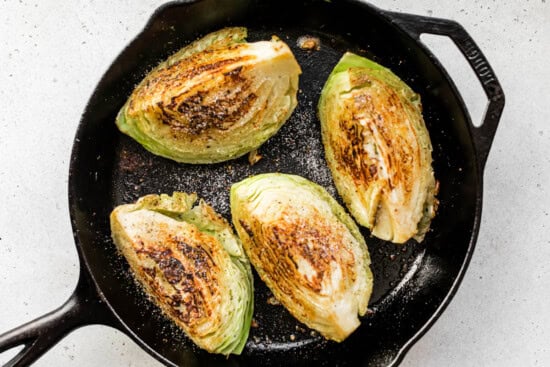
The concept of melting cabbage relies on the transformation that occurs during the braising process. By searing the cabbage wedges in butter before subjecting them to a long, slow simmer in liquid, the vegetable undergoes a fundamental change in texture. The outer leaves caramelize, providing a depth of flavor that contrasts with the tender, silky interior. As the cabbage slowly absorbs the acidity of the tomatoes and the complexity of the wine, the result is a dish that echoes the heartiness of traditional stuffed cabbage, yet remains light, accessible, and remarkably easy to prepare.
The Science of the Braise
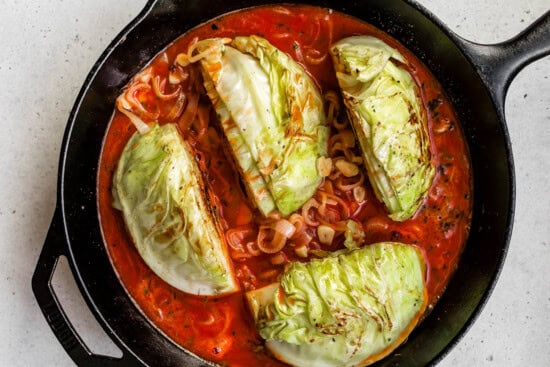
The secret to the success of this dish lies in the balance of ingredients. Because cabbage possesses a mild, sometimes neutral flavor profile, the braising liquid acts as the primary vehicle for seasoning. Culinary experts point out that the acidity found in tomato paste and white wine is essential to cutting through the natural earthiness of the vegetable. When these components are combined, they create a depth that allows the cabbage to stand up to robust main courses.

For home cooks who may be hesitant to work with cabbage, the process is forgiving. The goal is to reach a state where the cabbage is "meltingly tender"—a point where the layers yield effortlessly to a fork. This requires enough liquid to submerge the bottom half of the wedges, allowing steam and simmering liquid to work in tandem. If the sauce reduces too quickly, a simple addition of water or extra broth ensures the process continues without the pan scorching, a common pitfall that can lead to bitterness.

Versatility in the Modern Kitchen
One of the primary drivers behind the resurgence of braised cabbage is its remarkable versatility as a side dish. It bridges the gap between a rustic vegetable preparation and a refined accompaniment. It pairs exceptionally well with classic proteins, such as succulent roast chicken, tenderloin of pork, or a savory, home-style meatloaf. Furthermore, because the braising process leaves behind a flavorful, reduced sauce, it is frequently served alongside mashed potatoes, which serve as the perfect vessel for soaking up the remaining tomato-based liquid.
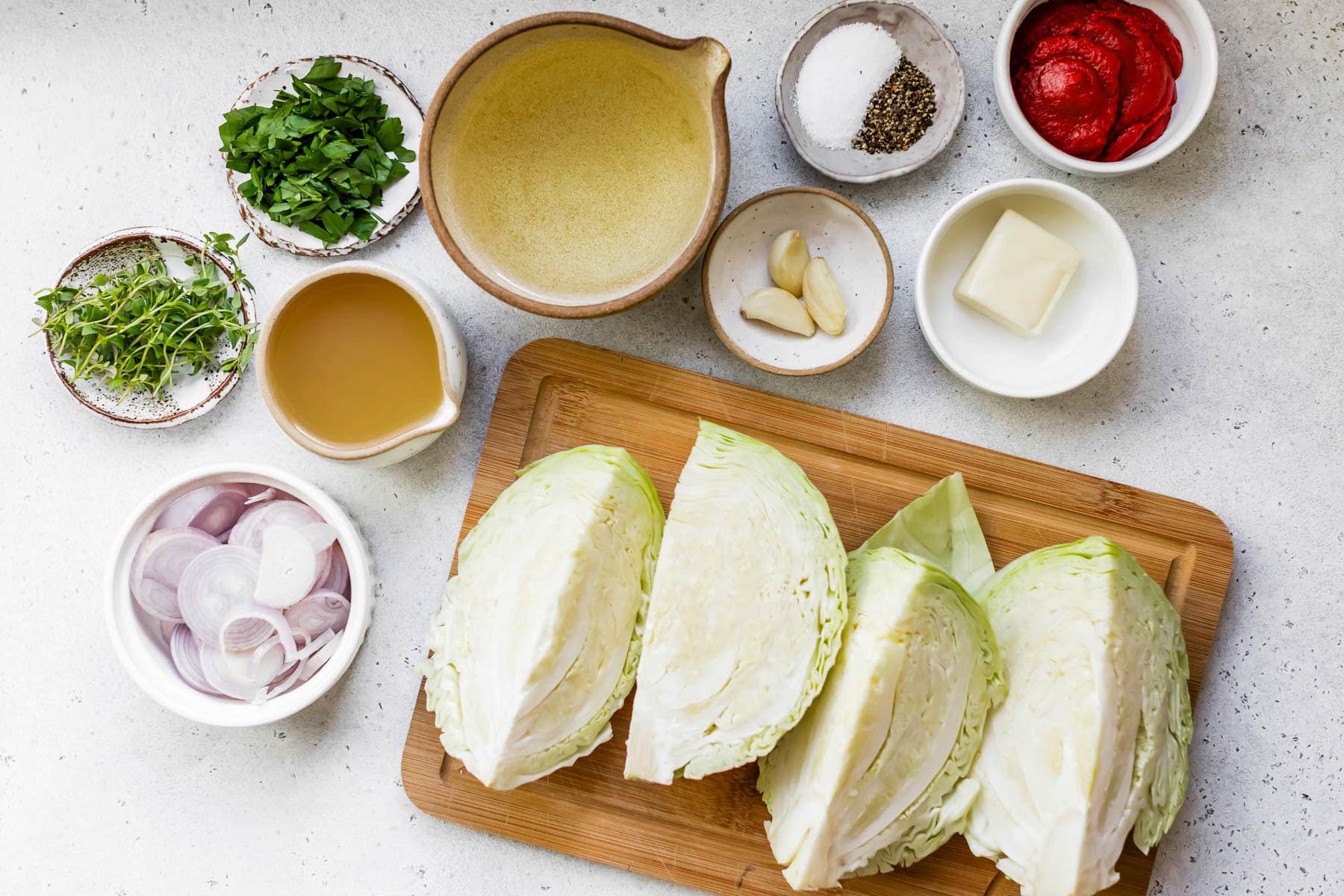
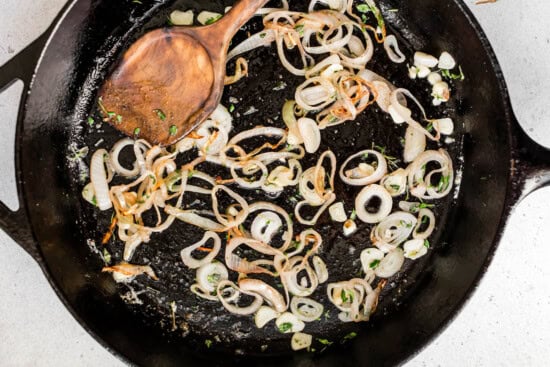
While the standard recipe calls for green cabbage, the dish is highly adaptable. Enthusiasts of the preparation often experiment with red cabbage for a more vibrant color and a slightly more robust flavor. Similarly, while shallots are typically preferred for their delicate sweetness, they can easily be swapped for yellow or red onions depending on what is available in the pantry. This flexibility makes it an ideal candidate for meal prep, as the dish often improves in flavor after sitting, allowing the ingredients to meld further.
Nutritional Value and Dietary Considerations
Beyond its flavor profile, cabbage is increasingly being recognized for its nutritional density, particularly its high fiber content and vitamin profile. For those looking to incorporate more plant-based or vegetable-forward meals into their diet, this dish offers a way to consume a significant serving of vegetables without the monotony associated with salads or steamed greens. The relatively low caloric density of the dish, combined with its high satiety factor, makes it a popular choice for those looking to maintain a balanced diet without sacrificing the comfort of a warm, home-cooked meal.
As interest in vegetable-centric cooking continues to grow, the inclusion of cabbage in professional and home kitchens alike highlights a shift toward valuing ingredients that are both affordable and highly functional. It serves as a reminder that culinary excellence does not always require expensive or hard-to-find components. Instead, it often requires a fundamental understanding of how heat, liquid, and patience can alter the properties of a simple ingredient.
Refining the Technique
For those attempting this dish for the first time, attention to detail during the initial browning stage is paramount. The Maillard reaction—the chemical reaction between amino acids and reducing sugars that gives browned food its distinctive flavor—is what separates a mediocre boiled cabbage from a high-quality braised one. By ensuring the butter is hot and the wedges are given enough space in the skillet to sear properly, the cook establishes a flavor foundation that will carry through the entire cooking time.
The addition of wine, while optional, provides an aromatic layer that is difficult to replicate with broth alone. For those who prefer to cook without alcohol, a substitution of extra broth coupled with a tablespoon of high-quality red or white wine vinegar can mimic the necessary acidity. Similarly, the choice of tomato paste is a variable that allows for personal customization; using a double-concentrated paste provides a more intense, umami-rich experience, whereas regular paste may require a subtle touch of sugar to balance the acidity to the cook’s preference.
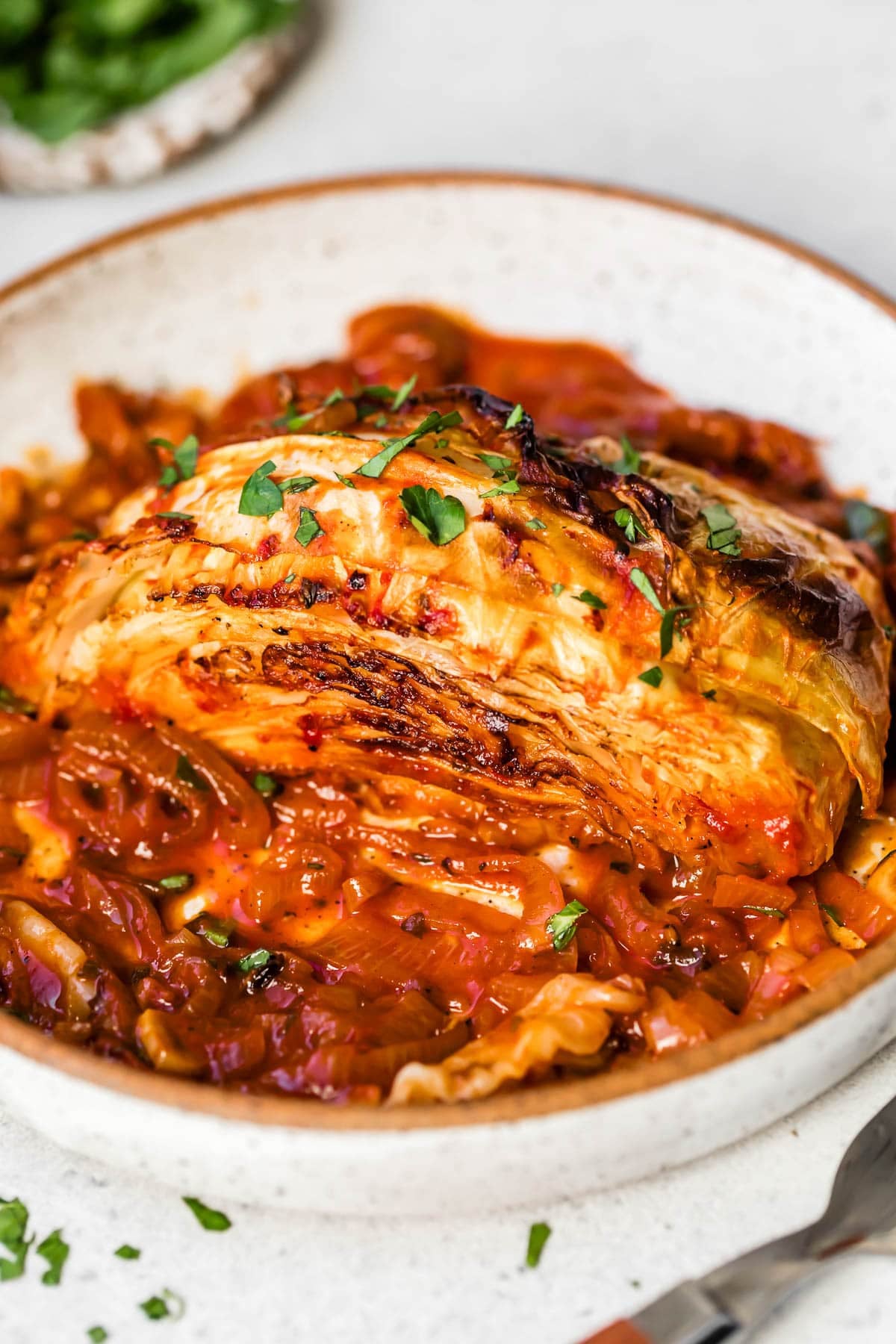
As the weather cools and the demand for comforting, slow-cooked dishes increases, the popularity of braised cabbage is likely to continue its upward trajectory. It represents a practical, sustainable, and undeniably delicious approach to vegetable preparation, proving that even the most modest of pantry items can, with the right attention, become the highlight of the meal. Through the simple act of braising, the humble cabbage is finally being given the culinary spotlight it has long deserved.