
In the ongoing quest to find a replacement for traditional table sugar—one that offers the sweetness we crave without the metabolic baggage of glucose and fructose—a "rare sugar" known as allulose has recently captured the attention of researchers and health enthusiasts alike. Naturally occurring in trace amounts in foods like figs, raisins, and maple syrup, allulose is now being produced on an industrial scale as a commercial sweetener. As it gains popularity in the aisles of health-food stores, a pressing question remains: Is allulose truly a healthy, viable alternative to traditional sweeteners, or is it another food-tech trend that lacks long-term human evidence?
To understand allulose, it is helpful to look at its chemical profile. Unlike conventional sugars, allulose is a "low-calorie" sugar, meaning it provides a fraction of the energy density of sucrose. Early research into its potential benefits has sparked significant interest, with some studies drawing comparisons between allulose and erythritol, a popular sugar alcohol known for its minimal impact on blood glucose. However, while some researchers have pointed to potential anti-diabetic effects, much of this preliminary data is derived from animal models. Studies involving obese mice and hamsters fed high-fat diets have shown that allulose may decrease LDL cholesterol and have a measurable impact on obesity. Yet, as with many promising nutritional interventions, the leap from rodent models to human health is a wide one, and scientists are currently working to determine if these metabolic perks translate to real-world outcomes for men and women.
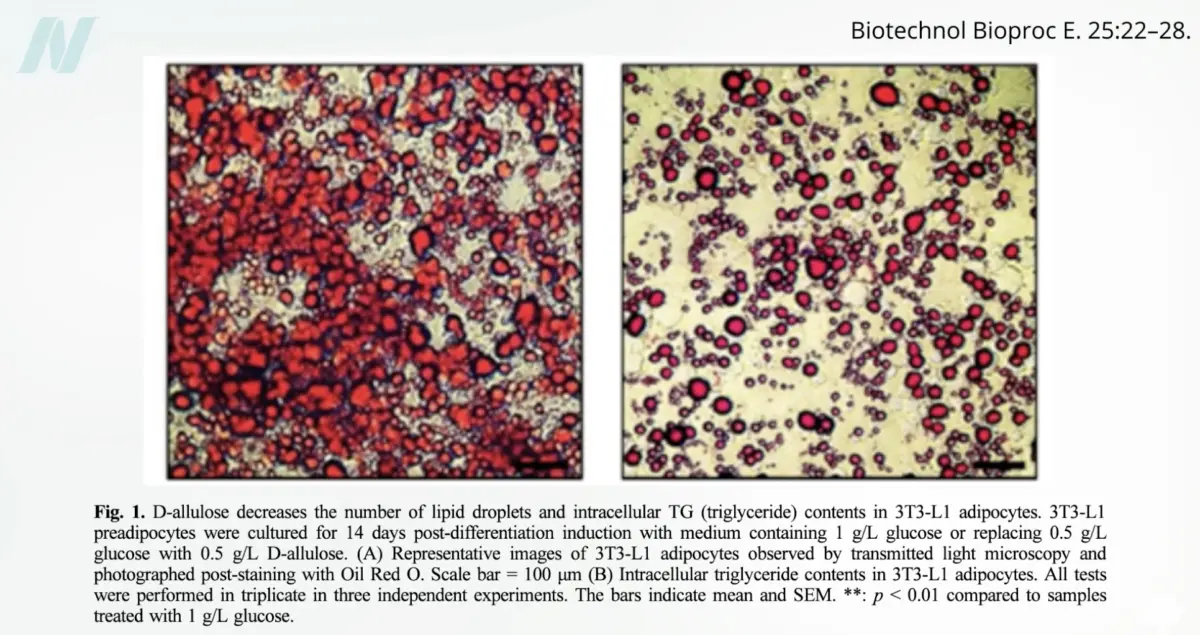
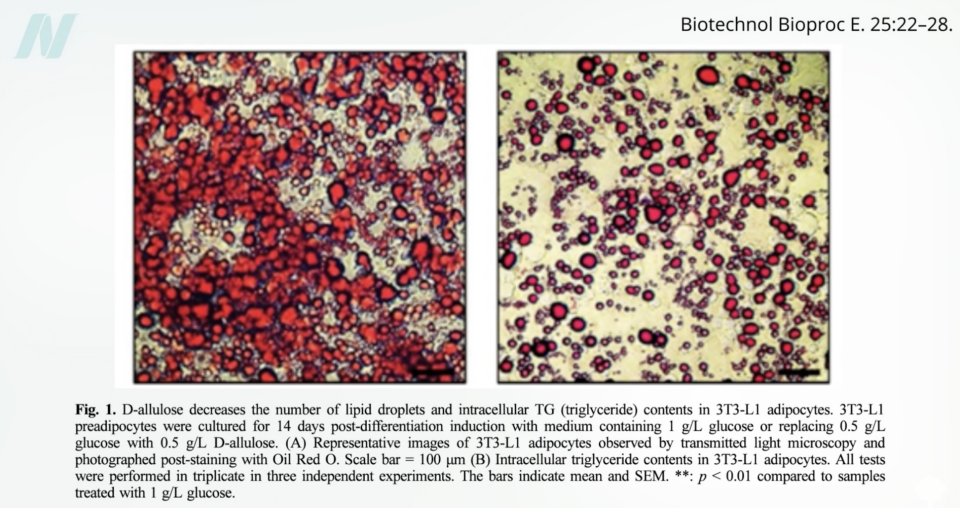
The mechanism by which allulose might influence weight management is perhaps best observed in laboratory settings. In petri dish experiments, researchers have found that allulose appears to inhibit fat cell precursors—the cells that eventually mature into adipose tissue—from fully developing. Furthermore, it appears to reduce the overall accumulation of fat within existing cells. Visual evidence of this is striking; in controlled laboratory settings, researchers have documented the difference in fat staining between cells treated with regular sugar and those treated with allulose. These observations have led some to suggest that allulose could serve as a promising tool in anti-obesity diets. However, the scientific consensus is clear: a petri dish is not a human body, and such findings must be rigorously tested in controlled clinical environments before any definitive health claims can be made.
The challenge of verifying these effects in humans was highlighted in a study where participants consumed a teaspoon of allulose roughly 30 minutes before a meal. The study observed that the group consuming allulose burned more fat compared to a control group. While the researchers concluded that allulose might enhance post-meal energy metabolism, a closer look at the data suggests a more nuanced reality. The actual calorie increase in fat burning was relatively modest—only about 15 calories over a four-hour window. Furthermore, the total calorie expenditure for the day did not necessarily increase. It is possible that the body simply shifted its metabolic preference from burning carbohydrates to burning fat during that specific window, potentially compensating later in the day. Because of this, it is difficult to rely on single-meal studies; researchers argue that we must track actual body composition changes over extended periods to see if these shifts in metabolism lead to sustained weight management.
Long-term human studies have attempted to address these gaps. In one investigation, researchers compared the weight-reducing effects of a syrup containing approximately 5% allulose against high-fructose corn syrup. While the participants using the allulose-based syrup showed significant reductions in body fat, body weight, and waist circumference, the study utilized a proprietary mixture. Critics point out that almost any sweetener would appear beneficial when compared to the metabolic impact of high-fructose corn syrup, making it difficult to isolate the specific efficacy of allulose itself.
A more direct evaluation involved a larger group of over a hundred people randomized to receive either a placebo (sucralose) or varying doses of allulose twice daily over a 12-week period. During this study, physical activity and total caloric intake remained stable across all groups. Interestingly, those taking allulose experienced a significant decrease in body fat. Using CT scans, researchers were able to track where the fat loss occurred. The results showed a reduction of about two pounds of body fat over the 12-week trial. However, the reduction in abdominal fat was primarily limited to subcutaneous fat—the softer, superficial layer—rather than the deeper, more dangerous visceral fat that is strongly linked to chronic disease. While the weight loss was consistent with the findings observed in rodent studies, the hamster-related findings—specifically regarding the reduction of LDL cholesterol—did not materialize in this human cohort.
The question of allulose’s impact on blood sugar and insulin levels is equally complex. When consumed in isolation, allulose does not appear to trigger a significant spike in blood glucose or insulin. More impressively, when consumed alongside rapidly digesting carbohydrates, allulose has been shown to suppress the subsequent rise in blood sugar and insulin levels by as much as 30% over a two-hour period. Researchers suspect this occurs because allulose may compete for the same transport proteins in the intestinal lining, effectively slowing the absorption of other sugars.
However, translating this to everyday life is difficult. One study involving individuals with borderline diabetes showed a 15% reduction in blood sugar spikes when allulose was consumed with a meal. Yet, a subsequent 12-week study that required participants to consume allulose with every meal showed no significant weight loss, contradicting earlier findings. A systematic review and meta-analysis of similar controlled feeding trials ultimately concluded that the acute benefits on blood sugar were of "borderline significance." This suggests that simply adding allulose to a poor diet is unlikely to act as a "silver bullet" for metabolic health; significant improvements likely require a holistic approach, including the reduction of refined, high-sugar foods.
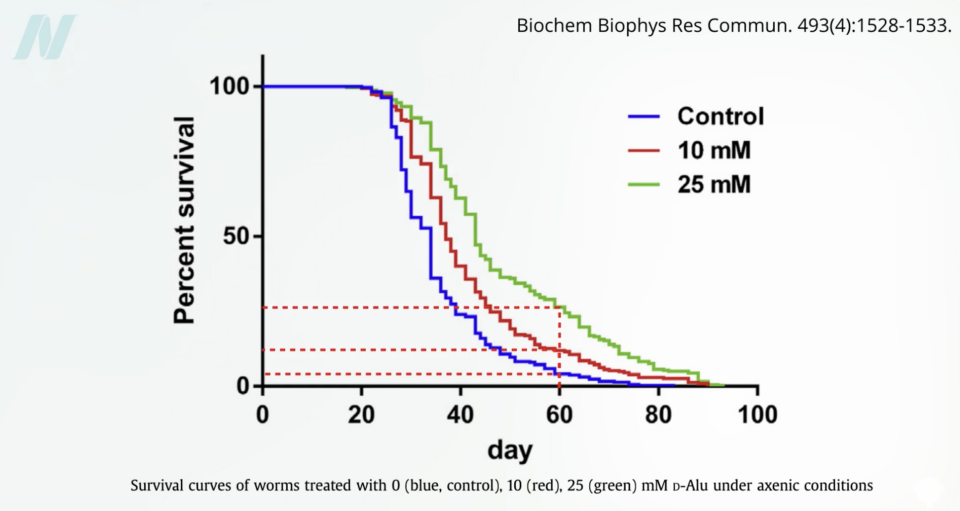
Beyond metabolic health, allulose has been studied for its potential role in longevity and cellular protection. In experiments with C. elegans—a tiny roundworm frequently used in aging research—allulose was shown to extend lifespan significantly. Two months into the study, the survival rate of the allulose-fed worms was notably higher than that of the control group. Researchers believe this effect may stem from the sugar’s ability to boost antioxidant enzymes, helping the body "mop up" harmful free radicals. While the survival curves of worms rarely capture the public imagination, these pathways are often shared with more complex organisms.
This led to further research into human cells, specifically coronary artery endothelial cells—the critical cells that line our blood vessels. When these cells are exposed to high concentrations of sugar, free radical levels surge. However, when allulose was introduced alongside the sugar, the damaging effects were mitigated, appearing to protect the cells from oxidative stress. This, in turn, may inhibit the expression of inflammatory markers associated with the development of atherosclerotic plaque. While these cellular mechanisms are fascinating, it remains far too early to conclude that these effects will be clinically relevant or provide tangible protection against cardiovascular disease in human patients.
Ultimately, is allulose a healthy alternative to traditional sweeteners? Given its ability to mimic the sweetness of sugar without the extreme metabolic load, and the absence of significant toxicological red flags in current studies, some researchers suggest it may be the most promising of the "rare sugars" currently on the market. However, the lack of extensive, long-term human data means the scientific community is hesitant to offer a blanket endorsement. While it may be a useful tool for those looking to reduce their sugar intake, the current consensus is that it is perhaps too early to recommend allulose as a standard dietary supplement.
For those seeking the healthiest way to satisfy a sweet tooth, nutrition experts continue to advocate for whole foods over processed alternatives. Fresh, frozen, or dried fruits, such as dates, remain the gold standard for sweetness. These foods provide not only sugar but also the fiber, vitamins, and minerals that accompany them in their natural state, offering a nutritional package that even the most advanced "rare sugar" has yet to replicate. Whether allulose will eventually earn a place as a staple of a health-conscious diet or remain a niche additive remains to be seen as further, more rigorous, long-term human trials are conducted.