
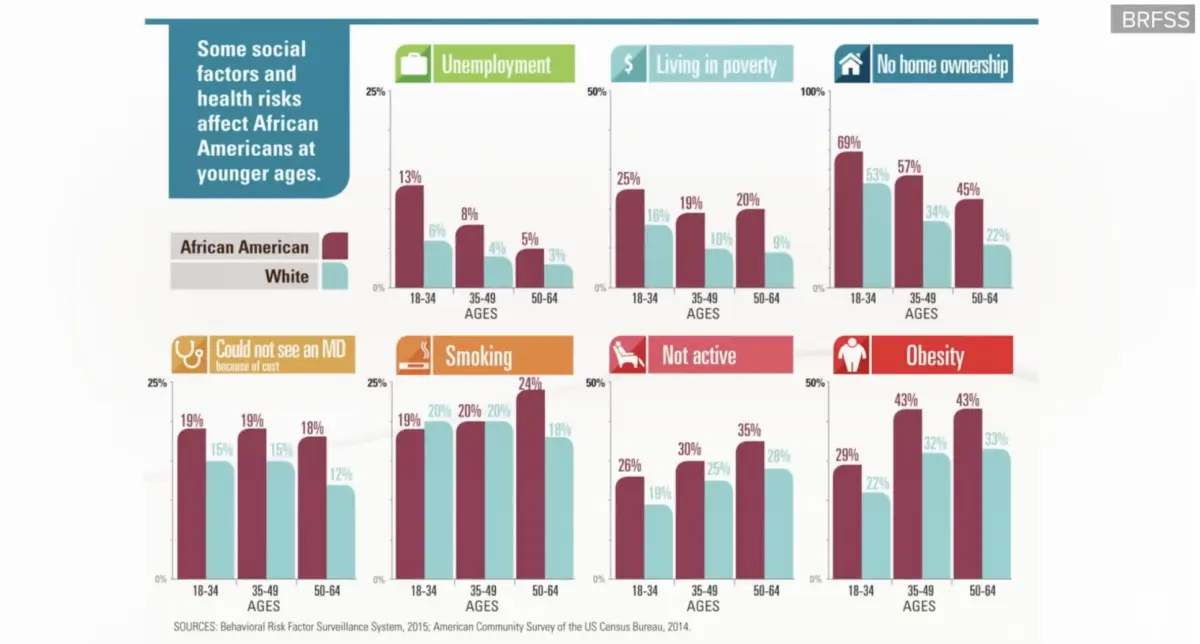
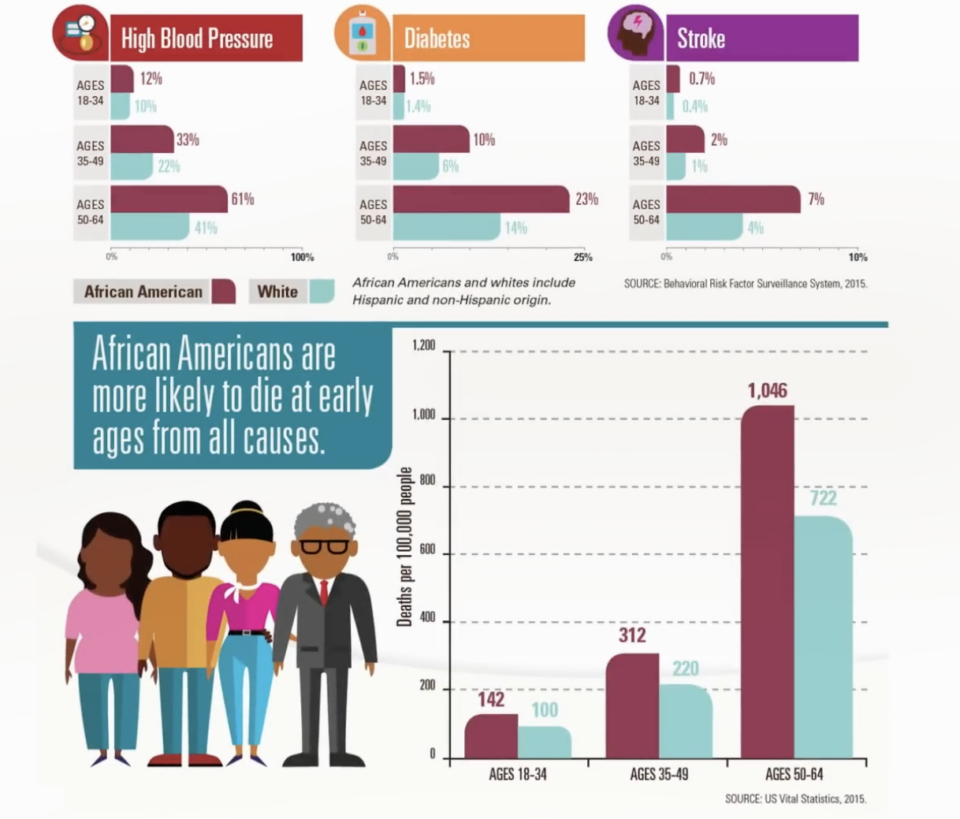
The COVID-19 pandemic served as a devastating magnifying glass, exposing deep-seated fractures in the American healthcare landscape. During the height of the crisis, the mortality rate for African Americans was recorded at up to six times higher than that of their white counterparts. While these statistics shocked the nation, public health experts and researchers were quick to point out that this was not a new phenomenon. The heightened mortality rates seen during the pandemic merely placed a harsh, undeniable spotlight on a longstanding crisis: Black Americans consistently experience poorer health outcomes and diminished life expectancy compared to white Americans.
This disparity is not a recent development. The gap in life expectancy between Black and white populations has persisted for decades. Currently, the mortality gap for women sits at approximately three years, while for men, it is closer to five years. When we ask why this chasm exists, the answers are multifaceted, rooted in a complex web of socioeconomic, environmental, and systemic factors.
The Intersection of Lifestyle, Environment, and Health
The COVID-19 death disparities were largely driven by the "burden of ill health." Increased mortality and severe complications were significantly more common in individuals with pre-existing conditions—specifically hypertension, obesity, diabetes, and cardiovascular disease. Because these comorbidities are statistically more prevalent within the African American community, the vulnerability to external health threats is inherently magnified. This creates a cycle where systemic barriers lead to chronic conditions, which in turn lead to higher rates of mortality from all causes combined.

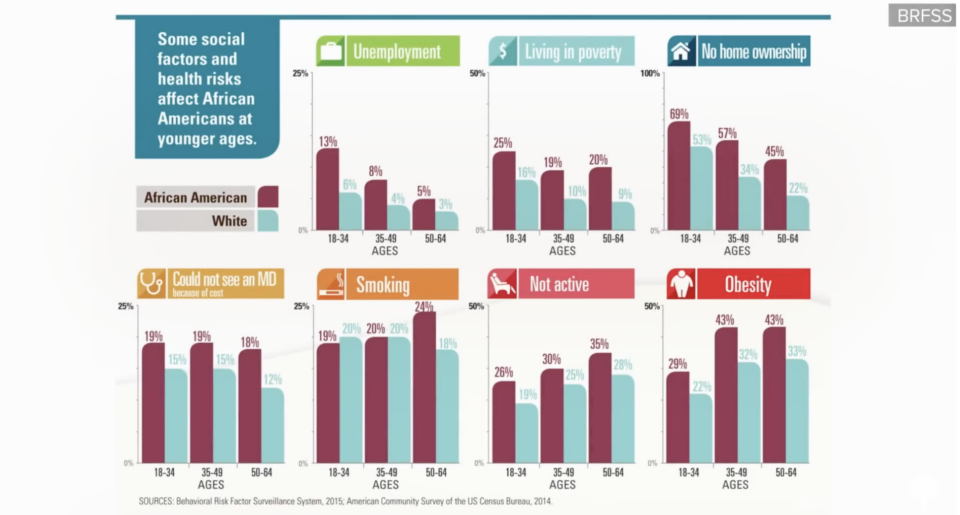
At the heart of these disparities is the role of socioeconomic status. In the United States, race remains inextricably linked to class. African Americans are roughly twice as likely to live in poverty compared to white Americans, and they face systemic barriers to educational and economic advancement. However, socioeconomic status alone does not explain the full picture. Even when researchers control for education, income, and access to resources, the health gap persists. This points toward a deeper, more pervasive influence of lifestyle, environment, and the persistent impact of targeted marketing.
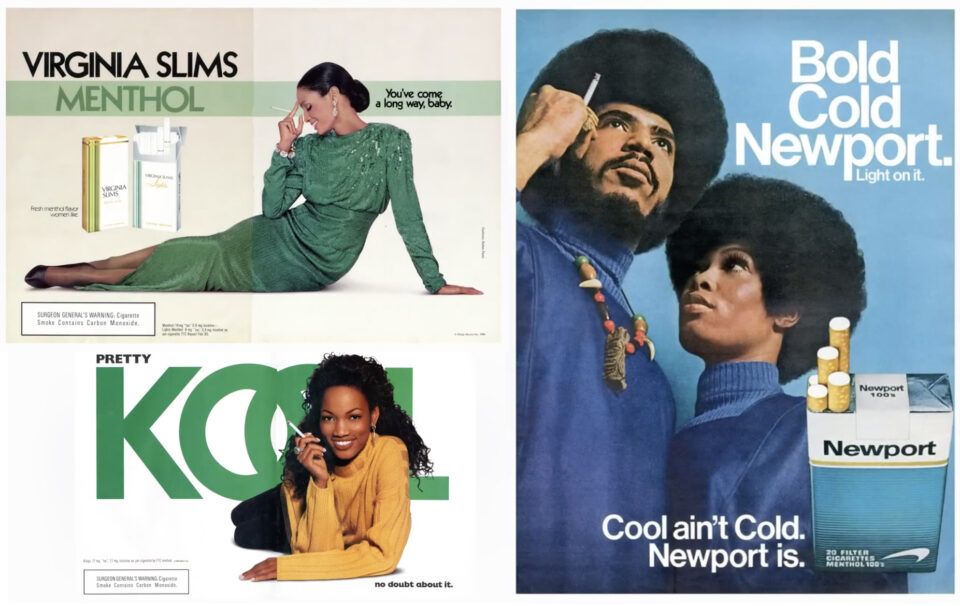
For instance, national physical activity guidelines are rarely met within the African American community, with fewer than 5% of Black adults adhering to recommended activity levels. While smoking rates between Black and white Americans are often comparable, the health outcomes diverge significantly. African Americans frequently exhibit lower quit rates and higher levels of exposure to secondhand smoke. A major driver of this is the aggressive targeting of the Black community by tobacco companies, particularly concerning menthol cigarettes. Marketing campaigns have historically centered on mentholated products, which are known to enhance the addictive potential of nicotine, making it significantly harder for users to quit and leading to a disproportionate burden of "Black lung" and related respiratory diseases.
Food Deserts and the Marketing of Junk
The environment in which one lives is often a determinant of health, and for many Black neighborhoods, access to fresh, whole foods is severely restricted. Studies show that predominantly Black neighborhoods contain four times fewer supermarkets than predominantly white neighborhoods. Conversely, these same areas are often saturated with fast-food outlets, with 60% more fast-food restaurants per square mile in Black neighborhoods than in white ones.
This is exacerbated by the media landscape. Research into television advertising reveals that Black audiences are exposed to a significantly higher volume of food commercials, with nearly three times as many advertisements for low-nutrient, high-sugar products like candy and soda compared to the general population. When the primary food environment is dominated by ultra-processed, calorie-dense, and nutrient-poor options, it becomes structurally difficult for individuals to maintain a healthy diet, regardless of their personal intentions.
The Protective Potential of a Plant-Based Diet
While dietary behaviors alone cannot account for the entirety of the health disparity gap—as factors like systemic racism, lack of healthcare access, and income inequality play monumental roles—there is mounting evidence that a transition to a plant-based diet could serve as a powerful intervention. Nutritional science suggests that plant-based eating patterns have the potential to significantly mitigate, or even eliminate, disparities in cardiovascular disease and diabetes.
Data on diabetes provides a compelling case. When researchers controlled for variables such as education, income, physical activity, and Body Mass Index (BMI), the findings were striking: non-Black individuals who followed a strict plant-based diet showed 57% lower odds of developing diabetes. Among Black vegans, the protection was even more robust, with a 70% reduction in the odds of diabetes compared to Black omnivores. This protection held true even when comparing individuals of the same weight, suggesting that the diet itself offers a profound metabolic advantage. Given that the baseline racial disparity in diabetes risk is approximately 36%, a 70% reduction through dietary change could effectively neutralize the increased risk currently observed.
Obesity, which cuts an average of six years from the lifespans of many Americans, also shows a strong correlation with dietary choices. Research indicates that Black vegetarians and vegans have less than half the risk of obesity compared to those who consume meat, a benefit that remains consistent even after adjusting for physical activity levels.
Cardiovascular Health and Long-Term Outcomes
Hypertension stands as the single most significant contributor to the cardiovascular disease burden and mortality among African Americans. Studies have demonstrated that Black vegetarians and vegans experience 44% lower odds of hypertension. Furthermore, these groups show significantly lower levels of both total and LDL cholesterol. When comparing vegans to lacto-ovo-vegetarians, the data remains consistent: vegan diets offer superior cardiovascular protection, leading to lower LDL levels and healthier body weight.
Beyond heart disease and diabetes, there is the issue of chronic kidney disease, a condition where African Americans are disproportionately affected. Between 8% and 12% of the Black population are carriers of the sickle cell trait, which increases the risk of kidney failure. Although Black people represent a relatively small portion of the U.S. population, they account for more than one-third of all dialysis patients. Plant-based nutrition has been shown to protect against both the development and the progression of kidney disease, offering a potentially life-saving dietary strategy.
Furthermore, the prevalence of lactose intolerance—which affects roughly three-quarters of the Black population—further underscores the alignment between plant-based diets and the biological needs of the community.
Taking Control of Health Destiny
The historical failure of the American healthcare system to provide adequate preventative care for minority communities is well-documented. For decades, the systemic neglect of primary and secondary cardiovascular prevention has left many African Americans vulnerable to preventable diseases. While the structural and economic roots of these disparities require broad, systemic reform, the evidence suggests that individuals possess a powerful tool in their own kitchens.
By embracing plant-based nutrition, there is a clear, evidence-based pathway to reduce the incidence of the chronic diseases that currently claim so many lives. While food and tobacco marketing continues to target vulnerable populations, reclaiming one’s health through nutrition is an act of empowerment. As researchers continue to explore the intersection of race, environment, and diet, the takeaway remains clear: moving toward a diet rich in fruits, vegetables, and plant-based proteins is a vital step toward closing the health gap and securing a healthier future for all.