

The quest for longevity has long focused on the number of years we live, but modern medical research is increasingly pivoting toward a more nuanced metric: "healthy aging." This concept, defined as the ongoing process of maintaining the functional abilities that enable well-being throughout our later years, is now being linked to the specific types of protein we consume. Recent data suggests that the composition of our diet—specifically the ratio of plant-derived versus animal-derived proteins—may hold the key to not just extending our lifespan, but significantly improving the quality of our health as we age.
A compelling study involving more than 400,000 participants has shed light on the profound impact of simple dietary substitutions. Researchers found that replacing a mere 3 percent of total daily calories from animal protein with plant-based alternatives was associated with a 10 percent reduction in overall mortality risk. In practical terms, this modest dietary adjustment could potentially grant an individual an extra year of life. When examining the data more closely, the source of the animal protein mattered significantly. Egg protein, largely concentrated in egg whites, emerged as a notable factor in mortality risk. Swapping 3 percent of calories derived from egg protein for plant-based sources was linked to a greater than 20 percent reduction in overall mortality—a figure that notably surpasses the risk reduction observed when replacing red meat with plant proteins.
However, the implications of these findings extend far beyond mortality statistics. The research highlights the relationship between protein sources and "deficit accumulation," a measure of functional decline that encompasses physical impairments, mental health struggles, the onset of chronic diseases, and the overall reliance on healthcare services. Even swapping just 1 percent of animal protein calories for vegetable protein resulted in a statistically significant decrease in this deficit accumulation.
These findings often prompt a common question: Is this merely a byproduct of saturated fat consumption, given that animal proteins and animal fats are often found in the same food sources? Researchers have addressed this by adjusting for fat intake, yet the distinct health benefits of plant-based proteins persist even after accounting for the fat content of the foods consumed. This suggests that the physiological advantages may stem from a combination of avoiding the deleterious effects associated with animal-based foods and capitalizing on the inherent benefits of plant-based nutrients.
The distinction between a general "vegan" diet and a "whole food, plant-based" (WFPB) approach is critical to this conversation. A vegan label only indicates what a person avoids eating, not what they actually consume. It is entirely possible to maintain a diet that is technically vegan but nutritionally deficient, characterized by high intakes of processed oils, refined flours, and added sugars, while lacking fresh produce. In contrast, a whole food, plant-based diet prioritizes nutrient-dense vegetables, fruits, legumes, nuts, and seeds. Evidence from dermatology and internal medicine suggests that this WFPB approach can help prevent, and in some cases even reverse, leading chronic diseases. These health outcomes are often attributed to mechanisms such as telomere lengthening, the optimization of cellular antioxidant potential, and the reduction of "gerontotoxins"—harmful compounds that, when introduced into the bloodstream, accelerate the aging process.
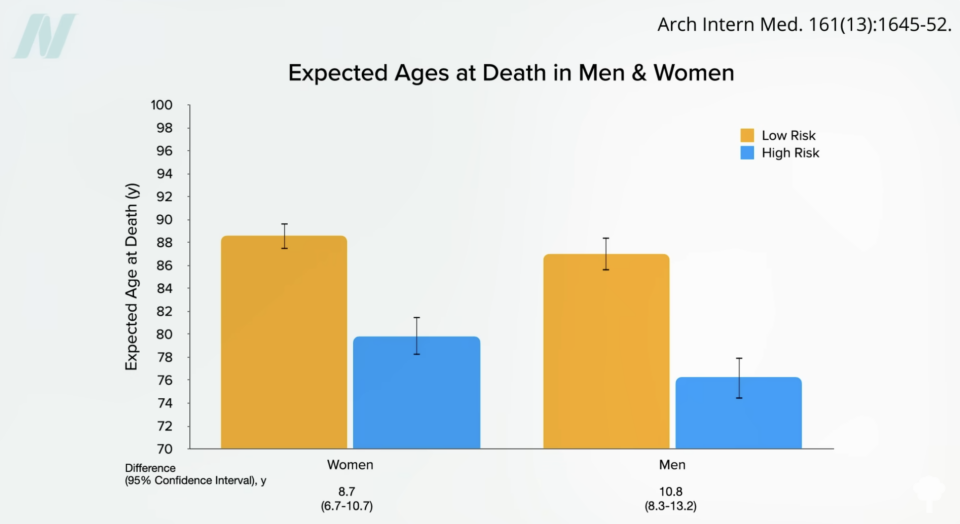
This dietary philosophy finds a living example in the Adventists of Loma Linda, California, a group famously identified as one of the world’s "blue zones"—regions where people consistently live longer, healthier lives. Research indicates that vegetarian Adventist men and women have life expectancies of approximately 83 and 86 years, respectively. These figures represent a significant advantage over the general population in California, with some studies suggesting an additional six to ten years of life. When these dietary habits are coupled with regular physical activity, weight management, and an absence of smoking, the longevity benefits are even more pronounced, potentially adding up to a full decade of life.
Crucially, these gains are not simply about lingering in a state of poor health. While overall well-being is difficult to measure in absolute terms, data on vegetarian Adventists reveals they generally require fewer medications, undergo fewer surgical procedures, and have lower rates of diagnostic testing, such as x-rays, compared to their peers. By reducing the prevalence of chronic conditions, these individuals effectively secure a longer period of high-quality life.
Among the various health concerns associated with aging, Alzheimer’s disease remains the most feared. As a rapidly growing public health challenge affecting roughly one in ten individuals over the age of 65 and half of those over 85, its prevention has become a central focus of nutritional research. Emerging evidence suggests that diet plays a pivotal role in staving off cognitive decline. A diet rich in fruits, grains, legumes, vegetables, nuts, and seeds may cut the risk of Alzheimer’s disease by more than half.
This body of evidence is largely supported by research into the "MIND diet," which emphasizes natural plant foods—specifically berries and leafy greens—while strictly limiting animal products and foods high in saturated fats. High adherence to this dietary pattern has been associated with a 53 percent reduction in the risk of Alzheimer’s disease. Even moderate adherence has been linked to a one-third reduction in risk. Furthermore, those who maintain high adherence to such diets exhibit cognitive function equivalent to individuals several years younger, suggesting a significant protective effect on the brain.
Conversely, the consumption of meat, including poultry and fish, has been linked to a higher incidence of cognitive impairment. Some studies have indicated that meat-eaters may be more than twice as likely to develop dementia compared to their vegetarian counterparts, with risks potentially tripling when accounting for long-term consumption patterns. This disparity may be explained by the way plant-based diets protect body tissues from oxidative stress and inflammation, both of which are hallmark drivers of chronic-degenerative diseases. Berries, for instance, are highly protective due to their rich antioxidant profiles, while those who avoid meat generally maintain lower levels of pro-inflammatory markers, such as C-reactive protein.
Furthermore, dietary habits influence the body’s stress response. Diets high in animal proteins, saturated fats, and refined sugars, but low in plant-based foods, have been associated with increased secretion of corticosteroids like cortisol. These stress hormones, when chronically elevated, can promote the development of Alzheimer’s disease.
The role of advanced glycation end products, or AGEs, also cannot be overlooked. These "gerontotoxins" are often formed during high-heat cooking processes. While foods like whole grains, beans, and vegetables remain safe and low in AGEs, the levels of these compounds skyrocket in meats that are broiled, grilled, fried, or roasted. For instance, the AGE content of a chicken breast can increase ninefold simply by shifting the cooking method from boiling to broiling. Clinical testing of common food items reveals that the highest concentrations of these aging toxins are found almost exclusively in meat products, such as bacon, hot dogs, and poultry.
Ultimately, while diet is a cornerstone of healthy aging, it is part of a broader lifestyle picture that includes adequate sleep, rest, and consistent physical activity. Simple habits, such as daily brisk walking, have been associated with a 40 percent lower risk of developing Alzheimer’s, while the dangers of smoking continue to pose a significant risk for dementia. The path to healthy aging is clear: minimize added sugars, salt, saturated fats, and processed animal products, and shift the focus toward a plant-rich diet to ensure that the years added to one’s life are truly years worth living.