
For decades, the intersection of nutrition science and corporate interests has been a subject of intense scrutiny, particularly regarding how research findings are framed and disseminated to the public. A central question frequently debated in medical circles is whether the longevity associated with high-nut consumption is merely a result of replacing animal-based proteins with plant-based alternatives, or if there is a more profound physiological benefit at play. To understand the landscape of current nutritional science, one must first look at the entities that fund and publish this research.
The American Journal of Clinical Nutrition holds a prestigious position as one of the highest-ranked peer-reviewed journals in the fields of nutrition and dietetics. Its influence is immense, yet its ties to industry stakeholders have long been a point of contention. The journal is published by the American Society of Nutrition, an organization whose sustaining partners include prominent players in the sugar, soda, meat, dairy, and egg industries. Among these partners, the presence of the National Cattlemen’s Beef Association highlights the potential for conflicting interests within the scientific literature. This connection may explain the publication of studies that have historically claimed that the consumption of red meat does not negatively influence cardiovascular disease risk factors—a finding that flies in the face of widespread public health guidance.
The methods used to produce such findings have drawn sharp criticism from leading medical experts, including Dr. Neal Barnard and Dr. Walter Willett. In a scathing editorial titled "The Misuse of Meta-analysis in Nutrition Research," they dismantled the credibility of a specific meta-analysis that purported to show no link between red meat consumption and adverse cardiovascular outcomes. The fatal flaw they identified was a simple but devastating question: "Compared with what?"
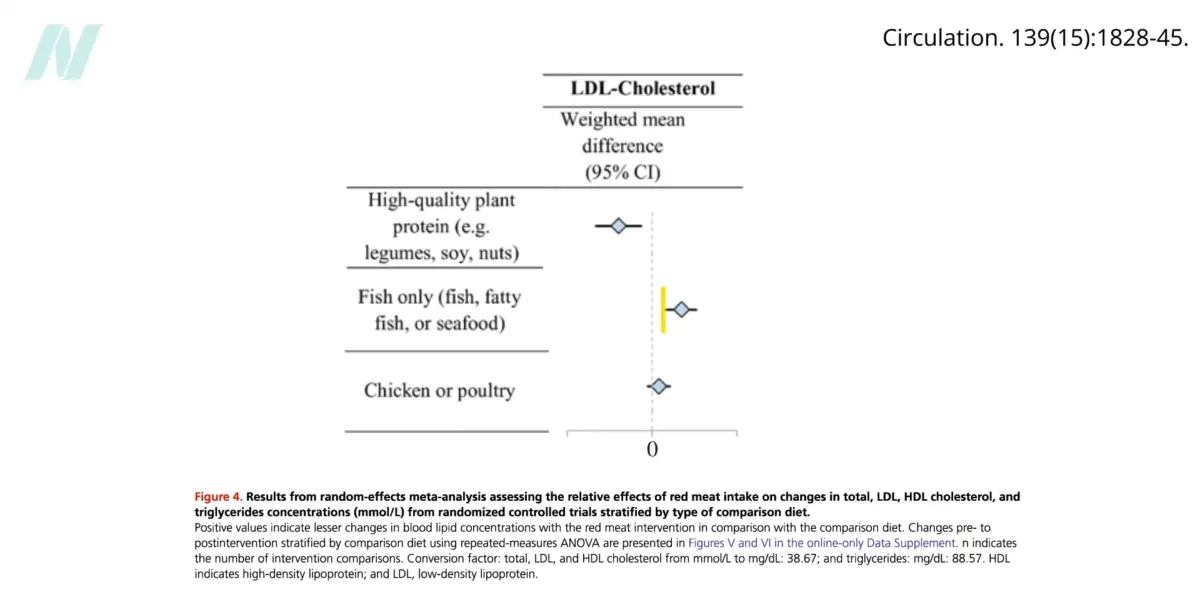
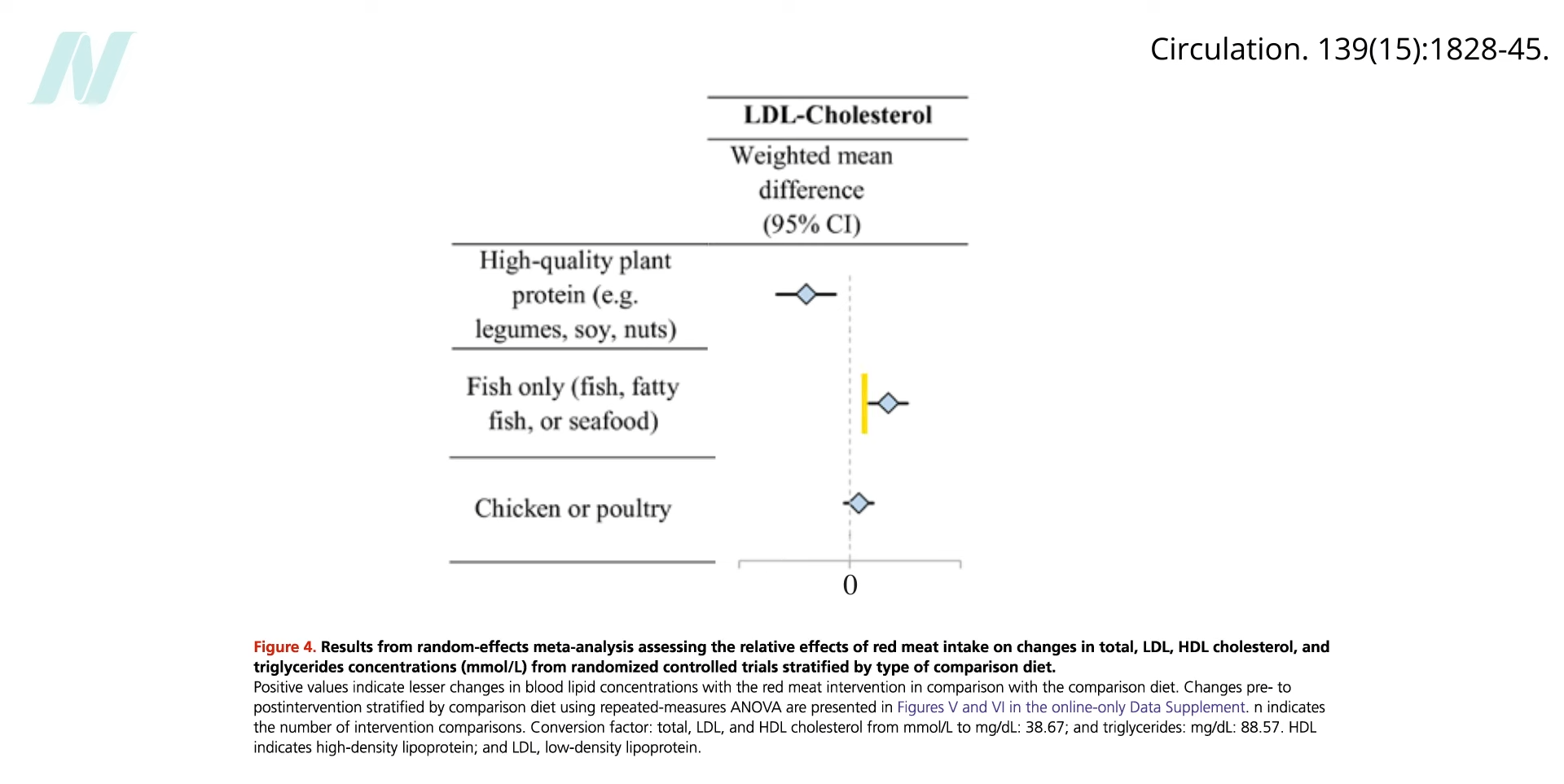
Upon closer inspection of the 39 trials on LDL cholesterol included in that meta-analysis, it became clear that nearly 90% of them utilized a deceptive design. Instead of comparing red meat to a healthy, plant-based control diet, the researchers simply swapped one form of animal protein for another. They used control diets consisting of chicken or fish. From a cardiovascular perspective, this is a classic "drug industry trick," where a product is tested against a comparator known to be similarly ineffective or harmful.
To illustrate the absurdity of this approach, one might compare it to a study claiming that total Twinkie consumption does not negatively influence health markers because the test subjects were simply given Ding Dongs instead. If the participants in the "zero Twinkie" group show no improvement, it is only because they were consuming an equally detrimental alternative. Scientific rigor requires a meaningful baseline, yet by treating white meat and fish as "healthy" alternatives to red meat, these studies effectively obscured the true impact of animal protein on blood cholesterol levels.
When researchers shift the paradigm to compare meat with plant-based alternatives—such as veggie dogs, plant-based sausages, or chicken-style patties—the results are markedly different. Studies consistently demonstrate that those who switch to plant-based proteins experience significantly lower levels of LDL cholesterol. This is not merely a consequence of lower saturated fat intake, though that is certainly a factor. Even when controlling for saturated fat, individuals who consume meat of any kind—red or white—tend to exhibit higher LDL cholesterol levels than those who rely on plant-based protein sources.
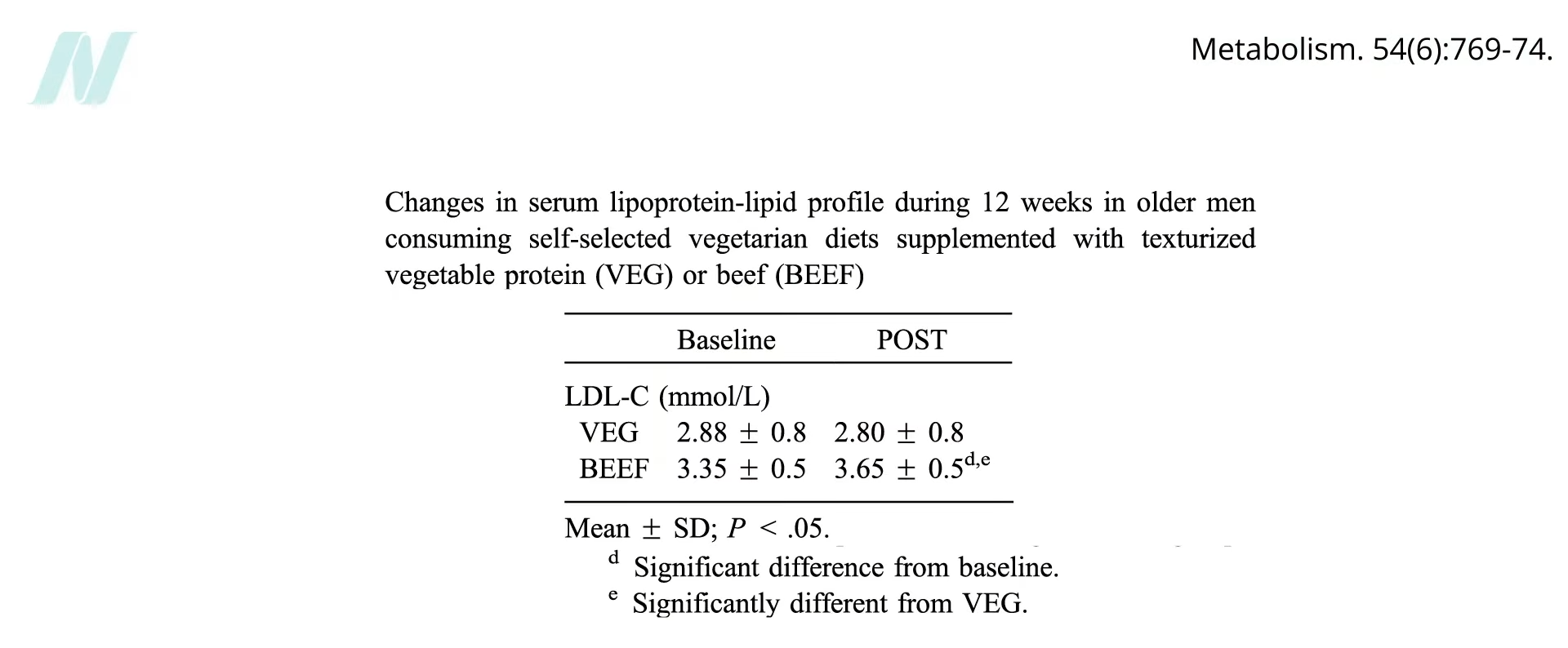
While some researchers have attempted to conclude that their findings align with public health recommendations for high-plant-diet proportions, their own data often tells a more complex story. For instance, in many of these studies, white meat like chicken or turkey is shown to be just as detrimental as red meat regarding cholesterol impacts. Fish, in some instances, appears even worse, especially when studies attempt to standardize saturated fat content by adding ingredients like butter. Conversely, plant-based protein sources—including soy, legumes, beans, split peas, chickpeas, and lentils—consistently outperform animal products.
The implications for public health are significant. Replacing even a single serving of lean beef with an equivalent caloric amount of nuts or soybeans has been shown to lower LDL cholesterol, which remains a primary risk factor for the leading cause of death for both men and women globally. This raises the question of whether the widely documented 22% reduction in the risk of premature death associated with a daily serving of nuts is simply a byproduct of avoiding meat.
The evidence suggests the answer is more nuanced. The protective effect of nuts against heart attacks is equally strong among non-vegetarians, indicating that the benefit is not limited to those who have already adopted a plant-based diet. Furthermore, the reduced mortality associated with nut consumption is independent of one’s overall health status or existing conditions. Data comparing a dozen different food groups indicates that nuts, in terms of their association with a lower risk of premature death, even outperform vegetables.
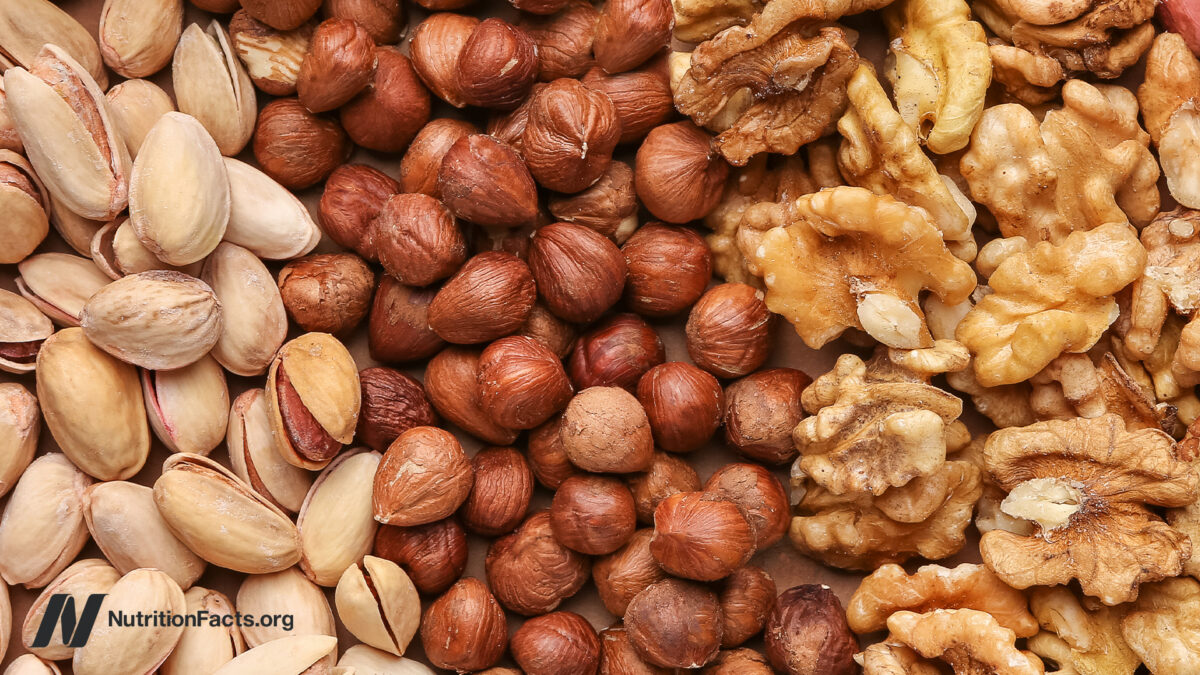
For those looking to optimize their dietary habits, experts often recommend integrating a consistent, moderate intake of nuts—typically around a quarter cup, or one ounce, per day. This simple addition to a diet represents a powerful tool in the effort to combat chronic disease.
However, the broader context of these findings remains the persistent effort by corporate entities to influence nutritional guidelines and research outcomes. The manipulation of study design—specifically the selection of inadequate control groups—is a well-documented strategy within the "corporate playbook" designed to undermine dietary advice that threatens the profits of the meat and dairy industries. As consumers become more aware of these tactics, the importance of critically evaluating scientific sources and prioritizing independent, high-quality research becomes paramount. The science of nutrition is far from settled, but as the data on plant-based proteins and nuts demonstrates, the path to better health often lies in looking past industry-funded narratives and toward the most robust, transparent evidence available.
As public health officials continue to refine dietary guidelines, the focus is increasingly shifting toward systemic changes in how we evaluate the foods we eat. The ongoing dialogue between researchers, policy makers, and the public serves as a necessary check against the influence of corporate interests, ensuring that health recommendations are based on the most accurate and unbiased data possible. For the individual, the takeaway remains clear: the deliberate inclusion of whole, plant-based foods, even in small quantities, can serve as a vital intervention in the pursuit of long-term health and the prevention of premature mortality.