
In the complex landscape of medical decision-making and personal safety, quantifying risk is often a source of significant confusion for patients and the public alike. When faced with surgical options or lifestyle choices, individuals frequently struggle to grasp the mathematical reality of potential outcomes. A surgical procedure might be described as having a "half-percent risk of mortality," a statistic that often fails to resonate or—worse—is misinterpreted entirely. To bridge this gap, health experts are increasingly turning to a standardized unit of measurement designed to make abstract probabilities tangible: the micromort.
A micromort, abbreviated as mM, is defined as a one-in-a-million chance of death. By distilling vast, often incomprehensible percentages into this singular, manageable unit, the micromort allows for a direct comparison between vastly different activities. Whether one is evaluating the safety of an elective operation, the danger of a specific sport, or the inherent risks of daily travel, the micromort provides a common language for risk assessment.
The Problem with Traditional Risk Communication
The difficulty in understanding risk is a well-documented psychological hurdle. Humans are notoriously poor at conceptualizing extremely small numbers. When a patient is told that an operation carries a 1-in-100,000 risk of anesthesia-related mortality, the number is so small that it is often dismissed or misunderstood. Some patients might reflexively compare this to the risk of crossing a street, failing to distinguish between the magnitude of different hazards.
Analogies are frequently used to help, such as comparing surgery to the risk of an expert skydive. However, these comparisons can still feel imprecise. Without a standardized metric, these analogies remain subjective and difficult to weigh against one another. The introduction of the micromort acts as a universal "currency" for risk. It transforms the question from "How dangerous is this?" to "How many micromorts does this action add to my baseline?"

Putting Daily Life into Perspective
The utility of the micromort becomes clear when applied to everyday activities. Consider the act of driving. Statistically, driving approximately 100 miles carries a one-in-a-million chance of fatality. Therefore, a 100-mile road trip can be viewed as an expenditure of one micromort. Once this unit is established, other activities can be measured against it. For instance, scuba diving is estimated to carry a risk of about five micromorts per dive, meaning that a single underwater excursion carries roughly the same statistical risk as driving 500 miles.
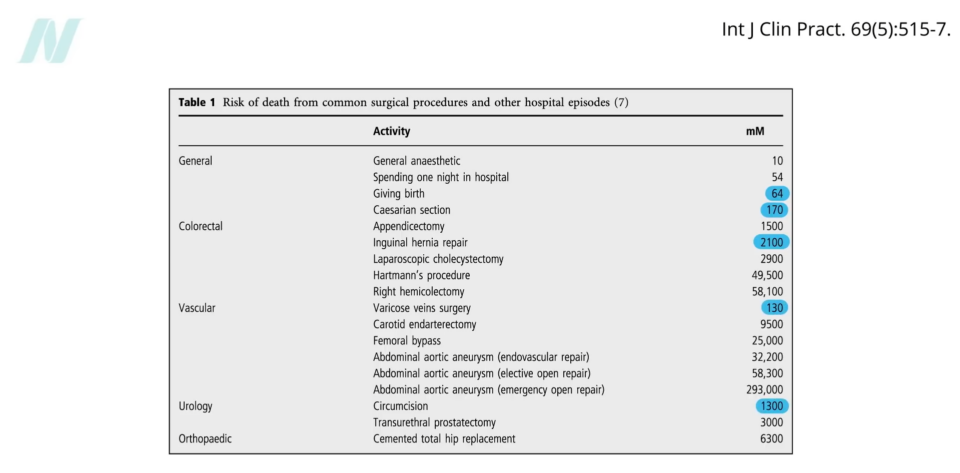
This metric is particularly illuminating when applied to medical procedures. Giving birth, while a natural process, carries a risk equivalent to driving from New York to Los Angeles and back again. When a patient opts for a Caesarean section, that risk profile shifts, with the procedure being more than twice as dangerous as a natural birth. Similarly, a routine hernia repair—often perceived as a simple, low-stakes operation—carries a mortality risk comparable to skydiving 200 times. While some procedures are medically necessary, others, such as elective varicose vein surgery or certain cosmetic procedures, carry risk profiles that patients might re-evaluate if they understood the mathematical cost in micromorts.
The Surprising Reality of Modern Hazards
Beyond the medical realm, the micromort allows for a fascinating, if sometimes sobering, look at recreational activities. Many people harbor an intuitive fear of extreme sports like rock climbing, yet the data suggests that horseback riding is actually about four times deadlier. Even more striking is the comparison between common accidents and intensive medical treatments. Receiving chemotherapy and radiation for head and neck cancer carries a risk profile that dwarfs many high-adrenaline hobbies, statistically exceeding the danger of rock climbing for 500 years, driving five million miles, or skydiving 5,000 times.
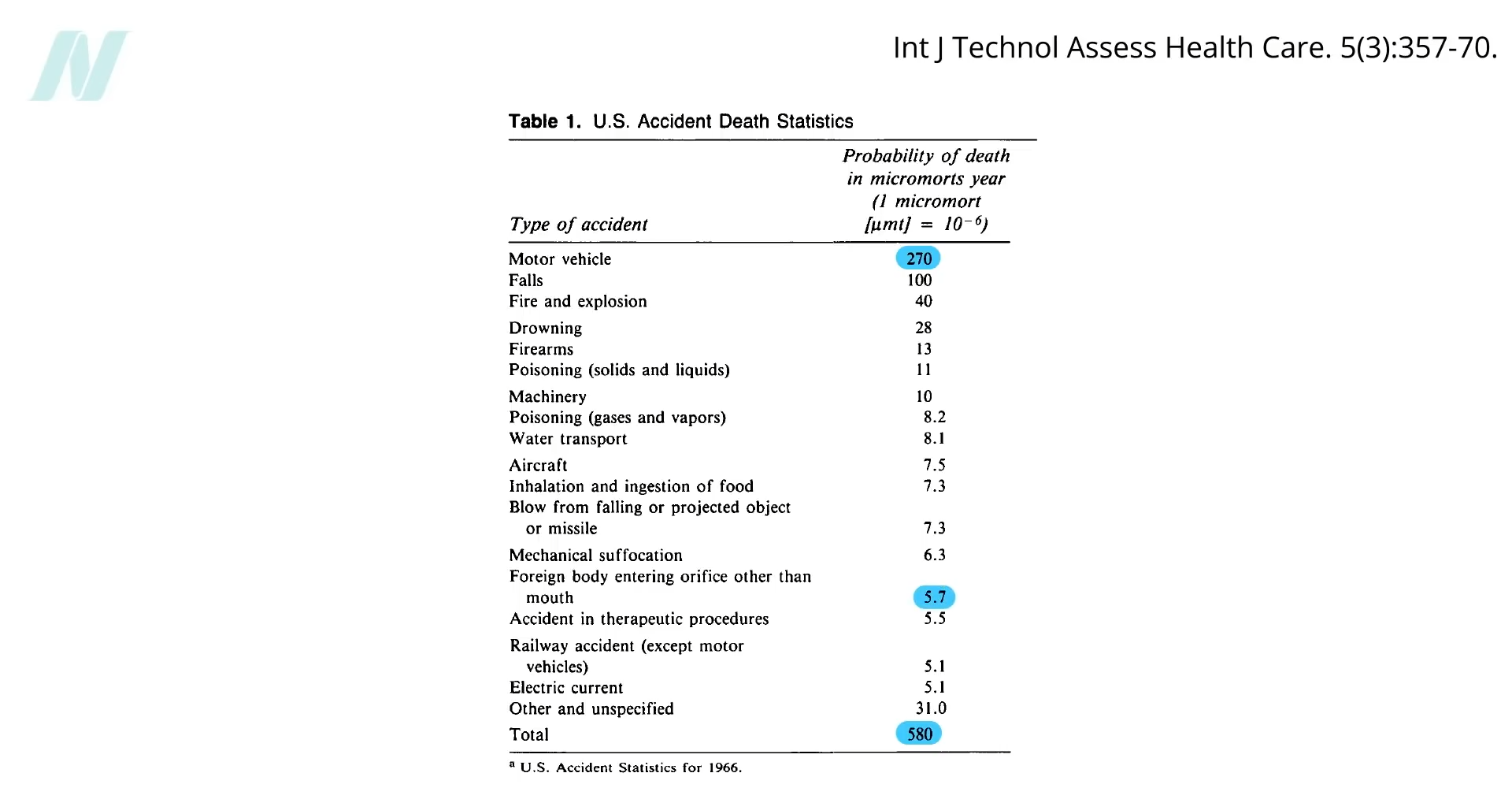
The breadth of these statistics covers nearly every facet of life. Accidental death remains a leading cause of mortality, and on average, individuals face approximately one micromort of risk from accidents every single day of their lives. Roughly half of that daily risk is attributed to car crashes. Beyond the roads, the world is filled with obscure hazards. For instance, statistics suggest that Americans face a 1-in-200,000 chance each year of dying from a foreign body entering an orifice other than the mouth—a startling reminder of the sheer variety of ways in which life can be interrupted.
When analyzing transportation, the micromort helps dispel common myths. Trains and planes, despite their different modes of operation, are remarkably equivalent in risk over the same distance traveled. Conversely, the dangers of smaller vehicles are highlighted clearly: riding a motorcycle is approximately 50 times deadlier than traveling in a car. Even cycling to a destination carries a significantly higher risk than driving, calculated at about 10 times the fatality rate in the near term.
Contextualizing Medical Fears
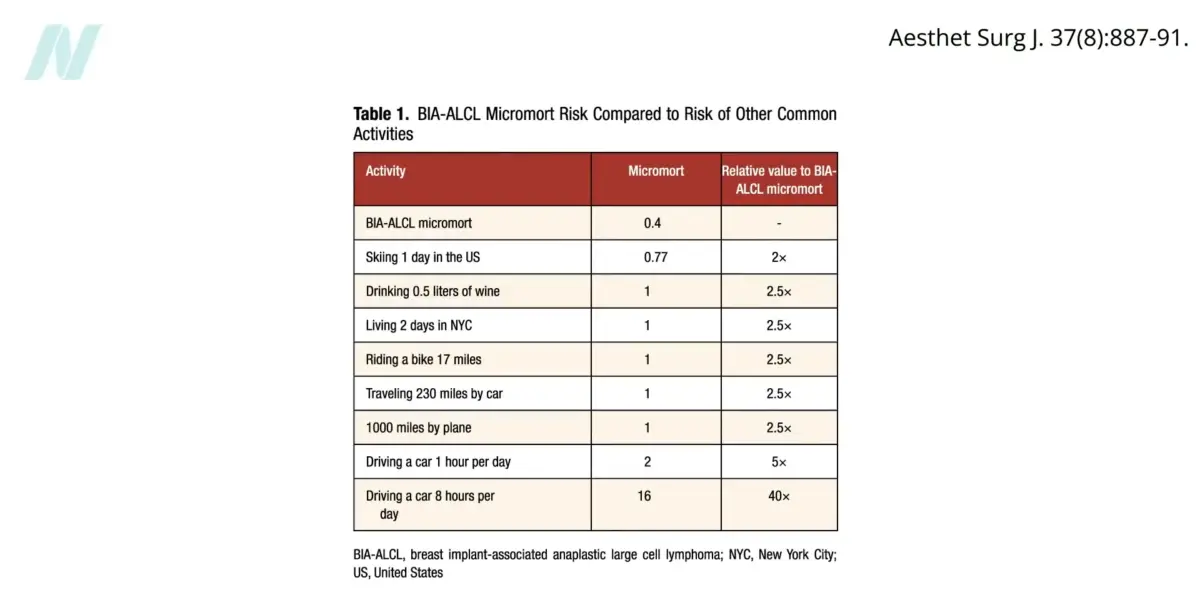
Perhaps the most practical application of the micromort is in calming unnecessary anxieties surrounding medical advancements. A pertinent example involves the fear surrounding breast implants and their link to a rare form of breast implant-associated lymphoma. While the diagnosis of any cancer is terrifying, the micromort allows for a perspective that is often missing from sensationalized reports.
When researchers break down the statistics, the risk of dying from that specific type of cancer is less than the risk incurred by a single day of skiing. By placing this medical risk alongside common recreational activities, patients are provided with a framework to understand the statistical reality of their choices. While one might argue that dying on a ski slope is a different category of experience than facing a long battle with cancer, the micromort serves its purpose by stripping away the emotional weight of a "cancer diagnosis" and presenting the actual probability of the event.
A Note on Medical Interventions
While the micromort is an excellent tool for comparing risks, it also serves as a reminder to be mindful of where those risks originate. A significant portion of modern mortality is tied to medical intervention itself. In many instances, the medical establishment has been identified as a leading contributor to preventable deaths, a fact that necessitates a broader conversation about the necessity of certain procedures and the importance of preventative health measures.
As the medical community continues to refine how it communicates with patients, the adoption of tools like the micromort represents a positive step toward transparency. By empowering individuals to see the math behind their choices, physicians can help them make decisions that are not only medically sound but also aligned with their own personal comfort levels regarding risk. In an era where information is abundant but clarity is often scarce, the humble micromort offers a vital way to keep the risks of living—and the risks of healing—in proper perspective.