
Anthropic became one of the most valuable enterprises on the planet following its initial public offering, achieving a staggering valuation of $1.5 trillion on Wednesday. Widely recognized across the technology landscape as one of the "good guys" of artificial intelligence, the company was originally established by researchers and engineers who departed from OpenAI over profound disagreements regarding corporate ethics, safety protocols, and long-term alignment. Yet, despite the organization’s vocal emphasis on responsible development and preventing catastrophic AI harms, a critical component of its operational footprint remains largely unaddressed in its public discourse: its direct and indirect contributions to climate change.
Ahead of the highly anticipated public stock offering this week, environmental advocacy organizations launched sharp critiques against the AI titan. Greenpeace openly accused the company of inviting average investors to join them in what senior strategist Charlie Cray described as throwing the planet into the climate furnace. The rapid expansion of artificial intelligence data centers has driven a massive surge in electricity demand, subsequently fueling a nationwide expansion of fossil-fuel-powered infrastructure, particularly natural gas plants. Comprehensive environmental assessments indicate that the largest data centers operating within the United States currently emit volumes of carbon dioxide comparable to the total annual emissions of entire sovereign nations, such as Bolivia or Denmark.
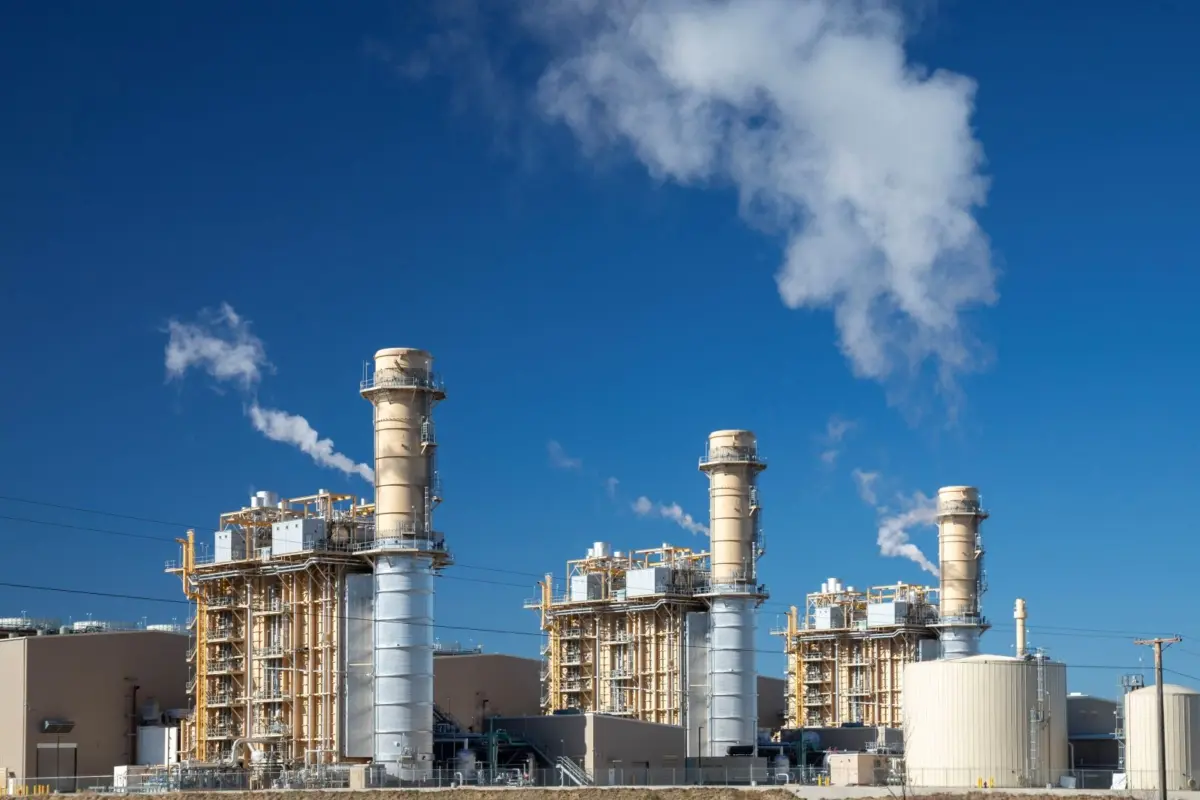
Anthropic is an active participant in this emissions-heavy expansion. Reports show the company signed a massive $3.4 billion infrastructure deal with Texas-based OnePWR Solutions in September, designed to power its energy-hungry data centers using gas-fired engines. This agreement stands as the single largest known purchase of its kind initiated by an independent artificial intelligence laboratory.
The strategic direction troubles environmental advocates who monitor global energy transitions. According to Charlie Cray, a senior strategist at Greenpeace USA, the move signals a very clear and alarming trajectory for the enterprise. By locking in long-term fossil fuel dependencies, the company is expanding its carbon footprint at a historical juncture when climate scientists warn the global community is virtually certain to overshoot critical warming thresholds, including the internationally recognized goal of limiting global warming to 1.5 degrees Celsius. Given Anthropic’s established industry reputation for prioritizing ethics and societal responsibility above pure profit, Cray argued that the firm carries a heightened obligation to minimize its climate impact and demonstrate that technological advancement can be achieved without environmental devastation.
Balancing Safety Claims with Fossil Fuel Realities
The company has long been lauded for its rigorous focus on safety and alignment research, striving to ensure that advanced artificial intelligence systems operate strictly in accordance with human values. As the organization explicitly outlines on its corporate research platform, its primary mission involves training its flagship conversational assistant, Claude, to remain helpful, harmless, and honest under all operating conditions.
This ethical posture has previously translated into high-stakes institutional friction. Earlier in the year, Anthropic found itself embroiled in a high-profile dispute with the Pentagon after it firmly refused to grant the Department of Defense unrestricted, unconditioned use of its artificial intelligence models for autonomous weaponry systems and mass domestic surveillance operations. Furthermore, during the summer months, Chief Executive Officer Dario Amodei publicly advocated for comprehensive government regulation across the artificial intelligence sector, going so far as to call for a deliberate slowdown in the pace of global AI development to allow safety frameworks to catch up.
However, critics point out that Anthropic’s operational actions remain decidedly misaligned with global efforts to preserve a stable climate—the very environmental conditions that allowed complex human civilizations to emerge, grow, and flourish over millennia.
When examining the hundreds of pages comprising its official initial public offering filings submitted to regulators, the maker of Claude addresses climate change only sparingly. Rather than detailing proactive emission reduction targets, the documentation focuses primarily on outlining the various ways in which a warming planet could potentially threaten the continuity and profitability of its commercial operations. Among the primary operational risks cited by the company are significantly higher operating costs driven by environmental shifts. Anthropic explicitly noted in its filings that rising ambient temperatures can substantially increase the power consumption and water usage required to cool the high-performance computing equipment housed within the data center facilities upon which its business depends. Additionally, the company acknowledged that extreme weather events, including increasingly severe fires, hurricanes, and floods amplified by ongoing climate change, could disrupt its core infrastructure and supply chains.

Environmental regulations and shifting market expectations pose another distinct set of commercial vulnerabilities for the resource-intensive enterprise. In its public disclosures, Anthropic conceded that a portion of institutional and retail investors may deliberately choose to divest or withhold capital if the company’s internal sustainability measures are perceived as inadequate or lagging behind industry standards. Conversely, the firm cautioned that implementing robust sustainability goals could prove difficult to achieve or costly to execute. Navigating a complex, fragmented landscape of climate and sustainability disclosure laws spanning California, the European Union, and the United Kingdom will require significant time, administrative attention, and financial resources.
The corporate brand equity that underpins its ethical reputation could also suffer collateral damage as public scrutiny intensifies. The IPO filings suggest that the severe environmental harms generated by large-scale artificial intelligence operations could inflict lasting damage on Anthropic’s public image, noting that its brand identity remains subject to heightened scrutiny regarding its perceived societal, environmental, labor, health, and safety-related impacts.
Commenting on the disclosures, Greenpeace strategist Charlie Cray noted a stark dichotomy in the company’s official stance. While acknowledging that it is positive for the firm to formally recognize climate change as a direct risk to its own operational infrastructure, Cray emphasized that the leadership is fundamentally failing to take accountability for its own direct contribution to the crisis.
Transparency Gaps and the Search for Sustainable Solutions
Within the broader public dialogue surrounding artificial intelligence, concerns regarding global warming and ecological degradation have frequently been overshadowed by more immediate, existential anxieties voiced by insiders and researchers. In September, an Anthropic researcher named Jacob Coxon publicly resigned from the organization, accusing leadership of racing straight toward self-improving superintelligence and recklessly gambling with human lives. Shortly thereafter, Evan Hubinger, the former lead of the company’s alignment division, estimated publicly that he believed there was a greater than 10 percent probability that advanced artificial intelligence could result in the extinction of all humans within the next decade.
Even as society grapples with these theoretical existential threats, policymakers, scientists, and environmental advocates argue that humanity must simultaneously confront the immediate and undeniable reality of living on a rapidly warming planet. Some industry observers are actively attempting to integrate environmental sustainability back into the broader conversation concerning how to utilize artificial intelligence responsibly.
Industry analysts emphasize that transparency remains a core issue across the technology sector. According to Cray, the entire artificial intelligence ecosystem requires rigorous public scrutiny regarding the specific operational choices companies make, coupled with demands for far greater transparency in corporate sustainability reporting—an area where Anthropic currently falls short. A recent analytical report published by sustainability research firm Integrum ESG compared Anthropic against 14 peer entities spanning the broader artificial intelligence supply chain. The evaluation revealed a striking discrepancy: every single peer company analyzed, with the sole exception of Anthropic and SpaceX, publicly reported both their direct greenhouse gas emissions and the indirect emissions associated with the purchased energy they consume, standard metrics known in energy policy circles as Scope 1 and Scope 2 emissions.
Despite these criticisms, Anthropic has taken some steps to address public concerns. The company has pledged to cover any localized electricity price increases generated by the heavy energy draws of its data centers, ensuring that everyday utility customers do not bear the financial burden of powering its models. Furthermore, the corporation has committed to acting as a "responsible neighbor" by actively mitigating its local environmental impacts through the deployment of water-efficient cooling technologies at its facilities. In June, Anthropic joined a coalition of major corporate entities in financially backing the nascent carbon removal industry.
As the debate continues, environmental advocates maintain that the tech giant has the capacity to align its operational practices with its self-proclaimed ethical standards. Charlie Cray suggested that beyond simply increasing corporate transparency, Anthropic could commit to a definitive timeline for transitioning its data center infrastructure exclusively to renewable energy sources, accompanied by firm, verifiable climate targets. Building massive data centers powered by natural gas without a clear, enforceable timeline for phasing out fossil fuels and replacing them with clean energy, he argued, runs counter to the responsible ethos the company claims to champion.