
When the federal government established its legal limit for how much nitrate drinking water could safely contain, the primary concern of regulators was a rare and terrifying condition known as blue baby syndrome. Formally referred to as methemoglobinemia, the condition severely deprives infants of oxygen, turning their skin a bluish tint and posing a life-threatening medical emergency. That threshold was set decades ago, grounded in mid-century toxicological understanding. But in the 51 years since those initial limits were conceived, an expanding body of independent, peer-reviewed scientific research has associated long-term exposure to the chemical contaminant with a litany of serious health problems, including various forms of cancer, thyroid dysfunction, and developmental abnormalities.
Those mounting health concerns have now fueled aggressive new calls for a drastically stricter federal standard. On Monday, a powerful coalition comprising national and local advocacy organizations—including the Natural Resources Defense Council, the Union of Concerned Scientists, the Prairie Rivers Network, and 11 other groups—formally filed a petition with the U.S. Environmental Protection Agency. The legal and administrative action demands that the federal agency lower the safe threshold for nitrates from the current 10 milligrams per liter down to 1 milligram per liter. In their extensive petition, the coalition argued bluntly that nitrates in drinking water are actively causing a sweeping public health crisis across the United States.
The scale of the exposure highlighted by public health advocates is staggering. According to Tyler Lobdell, a senior staff attorney at Food & Water Watch, one in three Americans—representing nearly 120 million people across the country—is currently being served drinking water containing dangerous levels of nitrates. That alarming figure includes millions of households receiving water with nitrate concentrations exceeding 1 milligram per liter, which is one-tenth of the existing federal limit that has remained largely unchanged for generations.
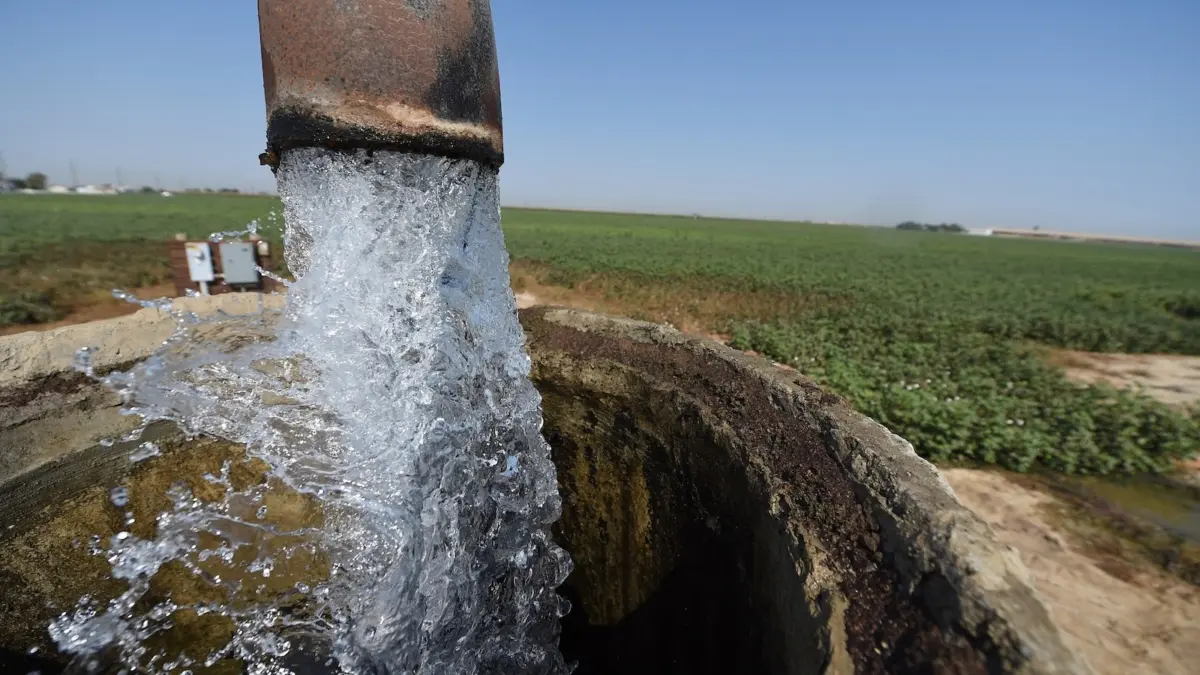
Nitrate pollution is heavily concentrated in farming and agricultural regions, where the contaminant largely originates from synthetic fertilizers, animal manure runoff, and agricultural leaching into local watersheds. Because of this geographic and industrial distribution, contaminated groundwater disproportionately impacts rural, low-income, Latino, and farmworker communities who often lack the financial resources to install advanced filtration systems at either the municipal or household level. While blue baby syndrome remains a recognized risk, modern epidemiological studies have linked chronic nitrate exposure to colorectal cancer, thyroid disease, and fetal abnormalities. A prominent 2019 scientific study estimated that up to 12,594 new cancer cases each year in the United States are directly attributable to nitrate contamination in public and private drinking water supplies.
Proponents of the regulatory shift emphasize that lowering the threshold is not merely a precautionary measure, but a necessary alignment with modern science. The petition asserts that this change would reflect the best available, peer-reviewed science and would bring substantial, measurable health benefits to communities spanning the entire country, rather than just isolated pockets of the agricultural heartland.
Compounding the problem, researchers note that climate change can significantly exacerbate nitrate contamination in vulnerable watersheds. Increasingly intense rainfall events and severe flooding wash accumulated agricultural fertilizers and livestock manure directly into surface waterways and underground aquifers. Conversely, periods of prolonged drought can concentrate existing pollutants in shrinking water supplies, driving concentration levels even higher in municipal systems that may already struggle to treat the water effectively.
In response to the petition, the EPA stated that it would review the filing, while pointing out that it had recently completed a comprehensive review of national drinking water regulations, including the nitrate standard, as recently as July 2024. The agency stated that it conducted a robust evaluation of available studies and applicable data for nitrate to determine if any new information provided a basis to support a regulatory revision that would improve or strengthen public health protection. Based on that internal review, the agency determined at the time that the nitrate rule was not a candidate for revision.
To bolster their case, the petitioning organizations commissioned the economic consulting firm One Water Econ to conduct a detailed analysis examining the costs and benefits of adopting the proposed 1 mg/L standard, particularly in the states most severely impacted by nitrate contamination. The resulting 43-page report concluded that slashing the regulatory threshold would not be cheap. The economic analysis estimates that adopting the stringent 1 mg/L benchmark would cost approximately $94.5 billion over a 50-year period. This substantial price tag would cover a vast array of necessary infrastructure improvements, including upgrading complex water treatment plants, ongoing maintenance, and replacing outdated equipment across affected municipal systems.
However, despite the steep upfront investment, the economic analysis found that the long-term societal returns would significantly outweigh the costs, with total quantified benefits reaching an estimated $364 billion. Advocates argue that the current economic framing ignores the hidden toll already being paid by ordinary citizens. People are paying with their health right now, Lobdell noted, adding that real-world costs are accruing daily in the form of families losing loved ones to preventable illnesses and children being born with avoidable developmental abnormalities.
The geographic distribution of the affected population is heavily skewed. States with the largest impacted populations tend to cluster sharply in the American West and Midwest, collectively accounting for 62 percent of the total affected population nationwide. Agricultural powerhouses such as California, Texas, and Arizona topped the list in the consulting firm’s analysis, with traditional farming states like Iowa following closely behind.
In Iowa, approximately 42 percent of residents are currently exposed to nitrate levels exceeding the proposed 1 mg/L benchmark, according to the report. The real-world consequences of these numbers have already manifested in public crises. This summer, residents in the Des Moines area faced mandatory water restrictions for the second consecutive year amid critically high nitrate levels in local sources. Neighboring Illinois faces a nearly identical crisis. Between 2021 and 2023, more than 2 million people in Illinois were served drinking water that tested above 1 mg/L, according to Robert Hirschfeld, the director of water policy at the Prairie Rivers Network.
The current federal threshold of 10 mg/L dates back to 1975 and was formally codified into law in 1991, established almost entirely around the immediate risk of blue baby syndrome. Advocates argue that this legacy standard is fundamentally obsolete because it completely fails to account for decades of subsequent medical and toxicological research associating chronic, low-level nitrate exposure with broader, long-term health complications.
Over the years, the EPA has twice attempted to reassess the national nitrate benchmark as part of its legally mandated periodic reviews of drinking water standards. The Obama administration initiated the review process in 2016, but the subsequent Trump administration paused the effort in 2019. The Biden administration restarted the evaluation in 2023, only for the second Trump administration to cut the effort short by eliminating the specific office responsible for conducting such regulatory reviews. Frustrated by these administrative roadblocks and political interruptions, Lobdell remarked that advocates have essentially done the EPA’s work for it.
The newly submitted petition asks the EPA to take two immediate actions: adopt an interim benchmark for nitrate while it formally considers the permanent lower limit, and aggressively enforce existing federal protections, such as the Clean Water Act, to rein in industrial agriculture. Lobdell asserted that industrial agriculture has historically been granted a free pass to pollute public water resources.
For the millions of Americans living in communities confronting pervasive nitrate contamination, the unfolding administrative debate ultimately boils down to a fundamental question of public policy and human health: where federal regulators choose to draw the strict line between what is legally permissible and what is genuinely safe.