
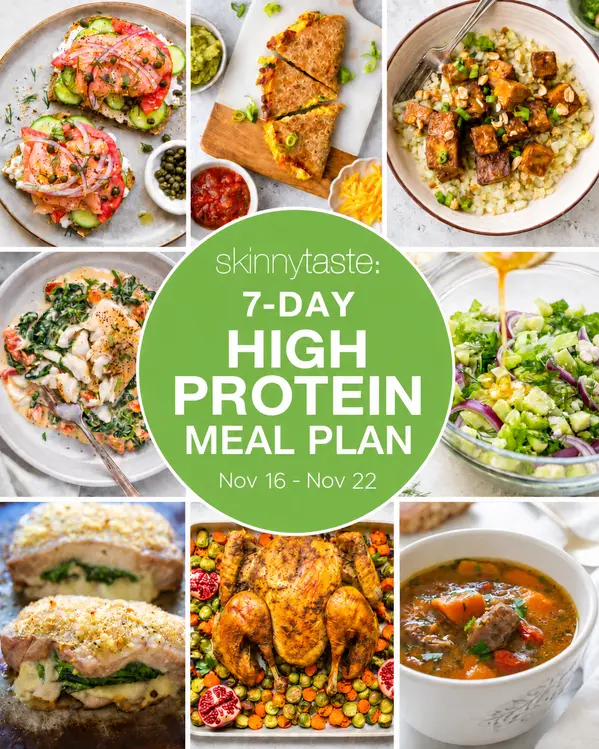
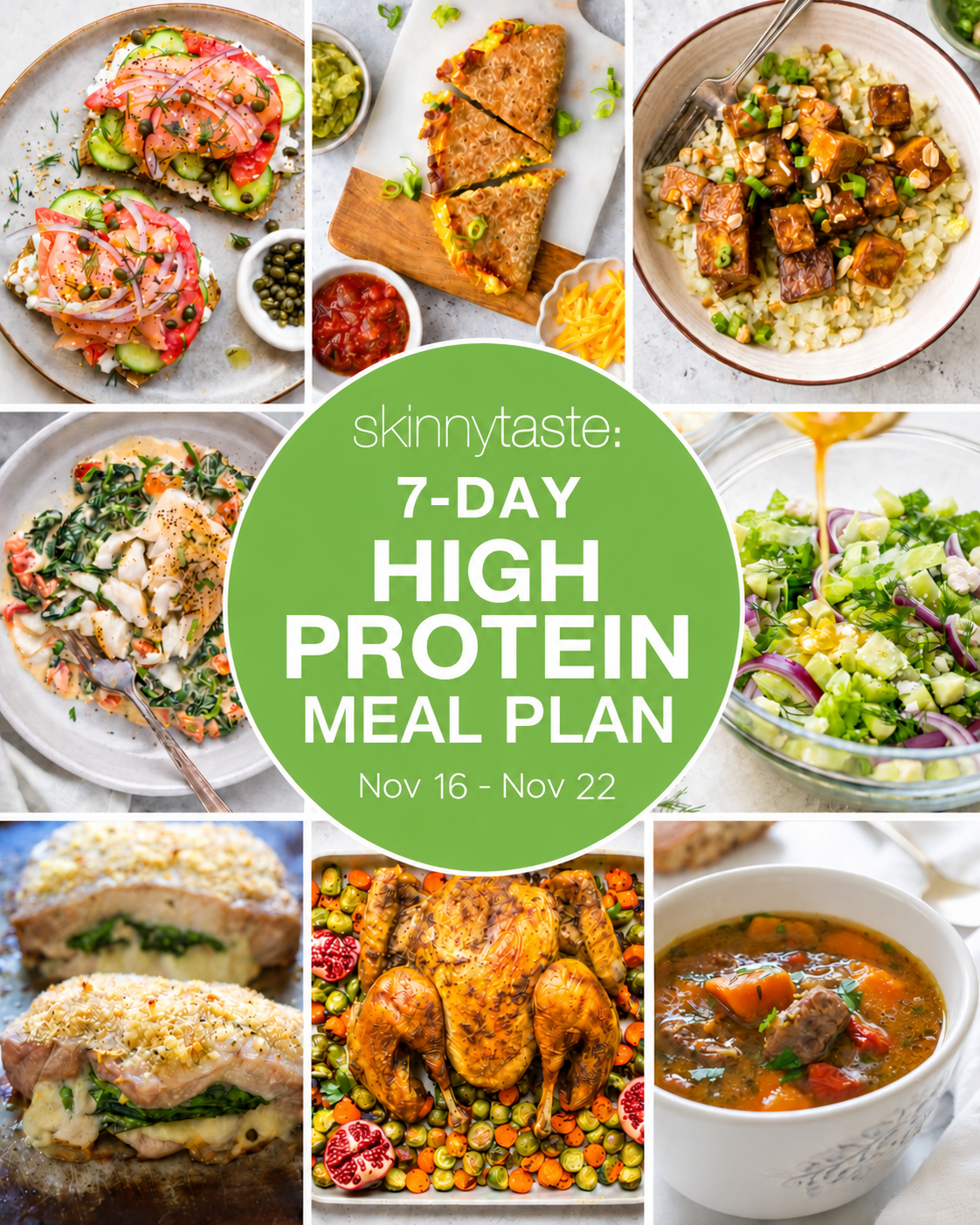
As the holiday season approaches and schedules become increasingly demanding, maintaining consistent nutritional habits can often fall by the wayside. To address this common challenge, a new, free 7-day high-protein meal plan has been released, designed to provide a structured approach to healthy eating that balances convenience with long-term wellness goals. The comprehensive plan includes a full spectrum of breakfast, lunch, and dinner ideas, accompanied by a consolidated shopping list to streamline the preparation process for the week ahead.
Every recipe featured in this collection has been meticulously analyzed, with full macros and Weight Watchers points provided for each meal. This transparency is intended to assist those managing specific dietary goals, ensuring that individuals can track their intake without sacrificing flavor or variety.
The Rationale Behind a High-Protein Approach
The shift toward a high-protein diet has gained significant traction in recent years, particularly among those focused on muscle maintenance and metabolic health. By prioritizing protein intake, individuals often report increased feelings of satiety, which can effectively reduce the urge to reach for processed snacks or sweets between meals. For many, the primary hurdle in adopting this lifestyle is not the willingness to change, but the logistical challenge of hitting specific daily targets consistently.
The current recommended framework suggests a balanced distribution of protein throughout the day. For an individual targeting 120 grams of protein, a practical strategy involves consuming at least 30 grams at each of the three main meals, supplemented by an additional 10 to 30 grams during snack intervals. While this specific ratio works for many, the importance of individual variation cannot be overstated. Caloric needs fluctuate based on age, weight, and activity levels, and experts continue to emphasize that there is no one-size-fits-all solution for human nutrition.
Those looking to calculate their specific requirements may find resources like the MyPlate plan or professional nutritional guidance to be invaluable tools. Furthermore, it is critical to note that while high-protein diets are beneficial for many, they are not universally appropriate. Individuals with pre-existing health conditions, particularly those involving kidney or liver function, metabolic disorders, or gout, should consult with a healthcare professional or a registered dietitian before significantly altering their protein intake to avoid potential complications.
Adapting to Modern Dietary Tracking
A key component of this release is the ongoing integration with the Weight Watchers (WW) points system. As the program evolves—such as the recent addition of new zero-point food categories like oatmeal—the task of updating existing recipe databases is a significant undertaking. Currently, recipes ranging from 2018 through 2025 have been updated to reflect these changes. For users of the service, the recipes are designed to interface directly with the official WW recipe builder, which allows for the automatic calculation of points when accessed via a mobile device. This feature ensures that users always have the most accurate data at their fingertips, regardless of how often program guidelines shift.

Seasonal Considerations: Celebrating Friendsgiving
With the holiday season on the horizon, the meal plan also offers a timely nod to "Friendsgiving." This celebration of community and shared dining is often a highlight of the late autumn, yet it can be a difficult time to maintain dietary discipline. The featured recipes suggest a path that balances the festive spirit with nutritional mindfulness.
For those tasked with contributing to a group gathering, the plan highlights options like Deviled Eggs or lighter versions of Buffalo Wings, both of which serve as high-protein appetizers that are easy to transport. For the main event, dishes such as Turkey Meatballs with Gravy or White Bean Turkey Chili offer hearty, crowd-pleasing alternatives that do not compromise on protein content. Even the dessert course is addressed, with options like Crustless Pumpkin Pie providing a seasonal finish that aligns with the broader nutritional goals of the week.
Meal Planning as a Foundation for Success
The philosophy behind these meal plans is one of flexibility rather than rigid restriction. The structure is designed to serve as a baseline, providing enough "wiggle room" for individuals to incorporate their own preferences, such as morning coffee, additional fruits, snacks, or occasional indulgences. The core objective is to provide a framework that prevents decision fatigue while ensuring a baseline of at least 1,500 calories per day, depending on the individual’s specific needs.
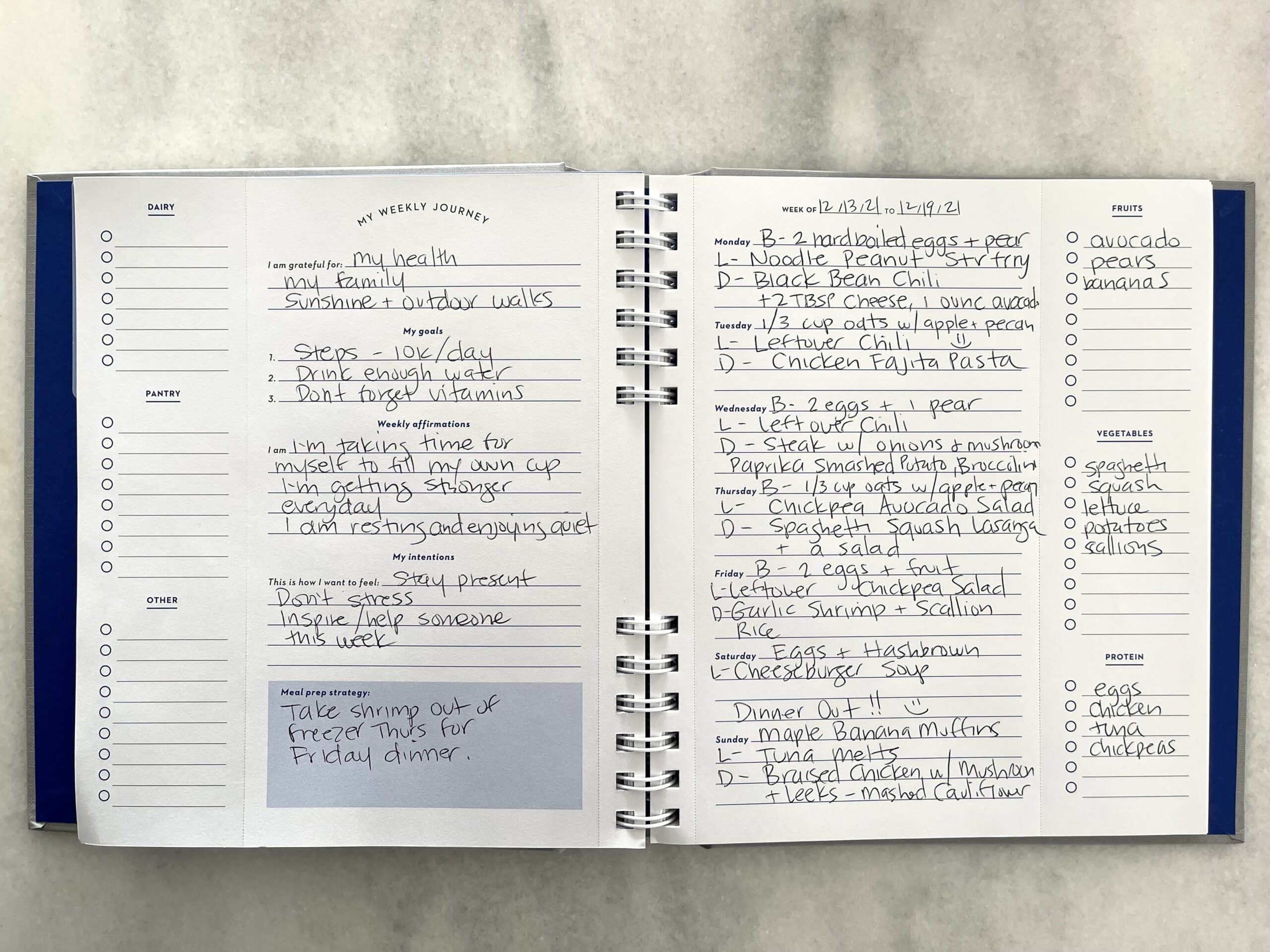
For those who find the digital experience useful, there is also a physical component available in the form of a 52-week spiral-bound meal planner. This tool includes tear-out grocery lists and weekly planning grids, as well as dedicated space for setting intentions, affirmations, and practicing gratitude—elements that the creators believe are just as vital to a healthy lifestyle as the food itself.
Weekly Overview and Implementation
The meal plan is structured to balance individual needs during the work week with family-style dining on the weekends. Breakfast and lunch selections from Monday through Friday are designed for single-person portions, while dinner recipes—and all meals over the weekend—are scaled to serve a family of four. This design choice often results in leftovers, providing a practical solution for busy weeknights.
The weekly schedule begins on Monday with Smoked Salmon Toast for breakfast and a Chicken Gyro over a Chopped Feta Salad for lunch, followed by an Air Fryer Peanut Curry Tofu with Gingery Cauliflower Rice for dinner. As the week progresses, the menu continues with varied options, including Breakfast Quesadillas, Smash Tacos with a fresh Black Bean and Avocado salad, and Stuffed Baked Pork Chops. By Thursday, the plan introduces a Slow Cooker Beef and Kabocha Squash Stew, which doubles as a convenient Friday lunch, leading into a weekend that includes Flourless Banana Pancakes and, for Sunday, a Spatchcock Turkey accompanied by buttermilk mashed potatoes and roasted green beans.
Community remains a central pillar of this approach. An active Facebook group serves as a platform for individuals to share photos of their prepared meals and exchange tips, fostering a sense of accountability and shared success. For those who prefer direct updates, an email subscription service is also available to ensure that new meal plans and resources are delivered directly to participants.
Ultimately, the release of this 7-day plan serves as a practical resource for anyone looking to simplify their nutritional journey. By focusing on high-protein staples, transparent tracking, and the flexibility to adjust for personal needs, the plan provides a sustainable model for healthy living that respects both the demands of a busy lifestyle and the importance of enjoying the seasonal traditions that bring people together. Those interested in the comprehensive shopping list and specific ingredient quantities can access the full documentation, including a detailed breakdown of all necessary items, through the provided digital resources.