
By Michael Greger, M.D., FACLM
November 12, 2026
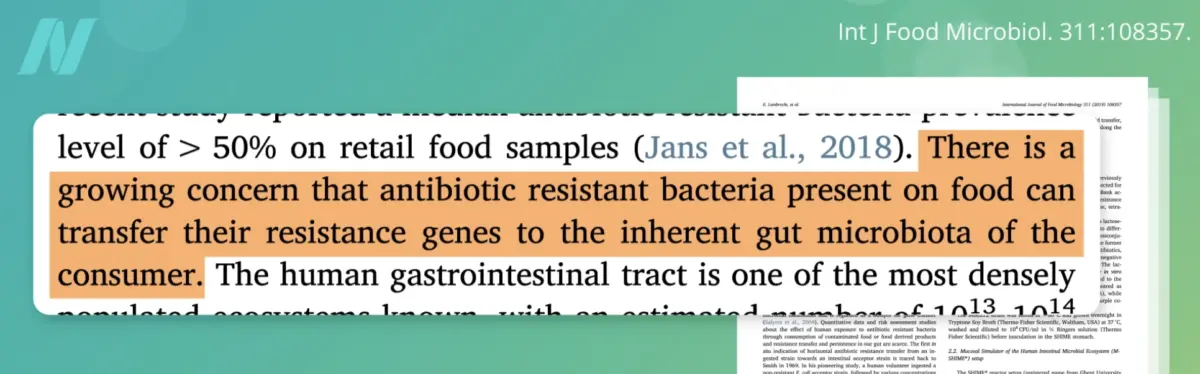
The global challenge of antibiotic resistance has reached a critical juncture, threatening the foundational tools of modern medicine. As the effectiveness of our current pharmaceutical arsenal wanes, researchers are increasingly looking toward the intersection of agriculture, human nutrition, and the microbiome to understand how these life-saving drugs are being compromised. Recent investigations have shed new light on a troubling reality: the food we eat may be serving as a bridge for the transmission of antibiotic-resistant genes from farm animals to the human gut.
In the United States alone, the scope of the problem is significant. Data indicates that nearly one million cases of Salmonella and Campylobacter infections occur annually in children aged 10 and younger. While many of these cases are manageable, a subset results in severe complications, including meningitis and, in tragic instances, death. The clinical management of these infections relies heavily on antibiotics, yet the efficacy of these treatments is increasingly hampered by the emergence of resistant bacterial strains.
A primary driver of this resistance is the widespread, non-therapeutic use of antibiotics in industrial animal agriculture. To facilitate rapid growth and mitigate the health risks associated with unhygienic, overcrowded conditions, livestock are frequently administered the same classes of antibiotics used in human medicine. This practice exerts selective pressure on bacteria, encouraging the proliferation of pathogens that are impervious to treatment.
The concern, however, extends beyond the direct infection of consumers by contaminated meat. A more subtle, perhaps more pervasive, risk involves the transfer of resistance determinants—the specific genes that encode for antibiotic resistance—from the animal microbiome to the human intestinal tract. Many antibiotic-resistant bacteria harbor mobile genetic elements known as plasmids. These small, circular DNA molecules act as vehicles, allowing bacteria to swap genetic information with ease. When these plasmids reach the human gut, they can pass their resistance genes to our own commensal bacteria, effectively turning our internal microbiome into a repository of resistance.
Research has confirmed that farm animals serve as a massive reservoir for these genes. In a striking simulation study, scientists utilized a model of the human intestinal environment to observe the transfer of an antibiotic-resistance plasmid from E. coli derived from a commercial chicken. The results were startling: the transfer of resistance to human-associated bacteria occurred within a mere two hours. This discovery highlights the alarming speed at which food-borne bacteria can reshape the genetic landscape of our gut flora, creating a potential public health crisis that is often invisible until a patient fails to respond to prescribed treatment.
To better understand how these dietary choices influence the prevalence of resistance, researchers have recently undertaken comparative studies examining the gut bacterial loads of vegans, vegetarians, and omnivores. While it is widely accepted that the direct consumption of meat, eggs, and dairy is the primary vector for exposure to resistant bacteria, the environmental impact of animal agriculture adds another layer of complexity. Antibiotic-resistant bacteria are frequently shed in animal manure, which is then utilized as fertilizer on agricultural fields. This process can lead to the contamination of fruits and vegetables, raising questions about whether plant-based diets provide total immunity from this exposure.
The findings from these comparative analyses are revealing. When researchers screened for genes resistant to various classes of antibiotics—including sulfa drugs, tetracyclines, penicillins, cephalosporins, and streptomycin-type antibiotics—they observed a clear hierarchy in the gut loads of participants. Both omnivores and vegetarians demonstrated significantly higher levels of antibiotic-resistant genes compared to those who followed a strictly vegan diet.
While the study did not find a statistically significant difference in resistance loads between omnivores and vegetarians, the data offered the first clear evidence that a vegan lifestyle is associated with a markedly reduced load of antibiotic-resistance genes in the human gut. This suggests that while vegetable-based exposure to resistant bacteria exists, the concentration and frequency of exposure are substantially higher among those who consume animal products.
Specific patterns of resistance also emerged during the research. For example, lower levels of tetracycline-resistance genes were observed in the guts of vegans. Conversely, a higher incidence of vancomycin-resistance genes was found in those who consumed eggs, poultry, fish, and seafood. This is particularly concerning because vancomycin is frequently categorized as an antibiotic of last resort, vital for treating life-threatening infections caused by methicillin-resistant Staphylococcus aureus (MRSA) and other dangerous strep pathogens.
The correlation appears to be linked to specific food groups. The presence of tetracycline-resistance genes showed a notable association with the intake of eggs, milk, and cheese. Even when participants limited their animal product intake to exclude meat, the inclusion of dairy and eggs appeared to maintain a level of resistance that was higher than that found in individuals consuming entirely plant-based diets. These findings suggest that the advantage of a plant-based diet is not merely limited to the exclusion of meat but extends to the elimination of all products derived from animals raised in environments where antibiotic use is standard practice.
The implications of this research are profound. As the lobbying efforts of major agricultural and pharmaceutical interests continue to stall legislative action in the United States, the medical community finds itself increasingly frustrated. Despite the recommendations of virtually every major public health organization to strictly regulate the use of medically important antibiotics in livestock, the practice of using these drugs to support the economics of industrial agribusiness persists.
This situation presents a clear, albeit difficult, choice for the food system. The ongoing reliance on antibiotics for growth promotion and prophylactic use in animal farming is, by all accounts, a significant contributor to the erosion of our ability to fight bacterial infections. While systemic policy reform remains stalled, the data regarding the gut microbiomes of vegans and omnivores provides a compelling argument for the individual health benefits of shifting toward a plant-based diet. By reducing our reliance on animal products, we may not only improve our personal health markers but also decrease our contribution to the growing reservoir of antibiotic-resistant genes that threaten the future of modern medicine.