

The quest for the perfect sugar substitute has driven decades of industrial innovation, tracing a complex path from basic table sugar to the high-tech, “fourth-generation” rare sugars currently entering the consumer market. As public health concerns regarding obesity, type 2 diabetes, and metabolic syndrome continue to mount, the food industry has sought to replace high-fructose corn syrup and standard sucrose with alternatives that mimic the sensory profile of sugar without the metabolic baggage. However, the emergence of allulose, a "rare sugar" gaining traction in the supplement and health food aisles, prompts a critical question: how safe is this newest addition to our diet, and does it represent a genuine improvement over its predecessors?
To understand the arrival of allulose, one must look at the historical trajectory of sweeteners. The "first generation" consisted of sugar and high-fructose corn syrup—cheap, ubiquitous, and calorically dense, but also major contributors to the modern epidemic of chronic metabolic diseases. In response, the industry introduced "second-generation" artificial sweeteners, such as aspartame, sucralose, and saccharin, popularized in iconic colored packets. While these offered a way to cut calories, they were quickly met with public skepticism and scientific scrutiny. Research has suggested that these artificial agents may negatively alter the gut microbiome, potentially leading to glucose intolerance—the very condition many users were attempting to avoid. Beyond the physiological concerns, these sweeteners were often criticized for their distinctive, metallic aftertaste.
The "third generation" brought us sugar alcohols, including sorbitol, xylitol, and erythritol. These compounds serve as low-calorie alternatives that function more like traditional sugar, but they introduced a new set of complications: digestive distress. Due to their chemical structure, sugar alcohols can exert a laxative effect when consumed in significant quantities, which has remained a barrier to their universal adoption. This brings us to the present: the rise of allulose. Touted as a natural, low-calorie sweetener that retains the taste and physical properties of real sugar, allulose has been positioned as a potential breakthrough. Yet, as with all dietary innovations, the transition from niche ingredient to household staple requires a careful examination of its origins, production methods, and clinical safety.
The story of allulose is, in many ways, a masterclass in modern rebranding. Known formerly as psicose, the sugar was initially isolated from an antibiotic, a somewhat jarring origin story for a substance now marketed as a "natural" sweetener. While industry literature often emphasizes its status as a naturally occurring sugar—noting that it exists in trace amounts in certain foods—the reality of its large-scale production is far more technological. Modern manufacturing relies on enzymatic engineering, often utilizing genetically modified microorganisms to convert starch into allulose. Specifically, the process involves functionalized polyhydroxyalkanoate nano-beads treated with specialized enzymes, a far cry from the image of a simple, farm-grown extract.
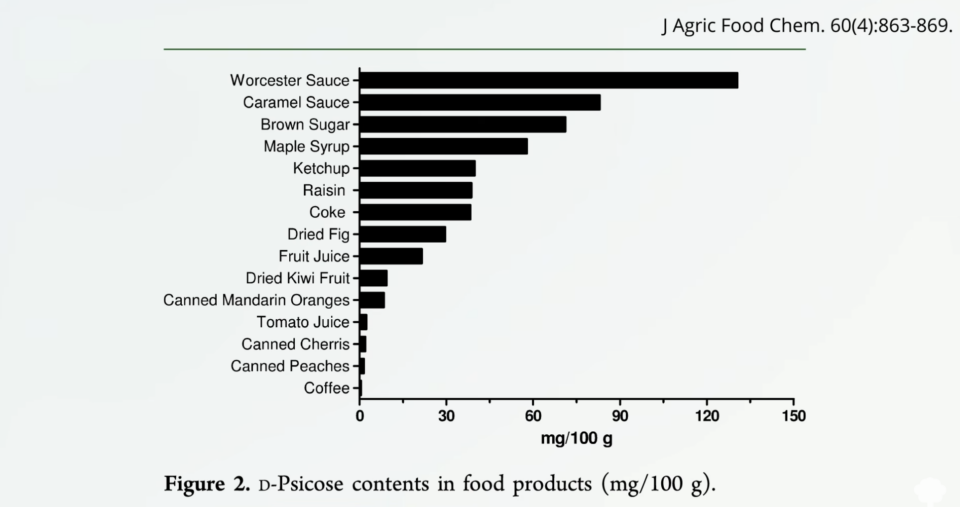
The International Society of Rare Sugars defines allulose as a sugar present in only limited quantities in nature. Because it has historically been present in the human diet in minuscule amounts—often measured in tens of milligrams—the U.S. Food and Drug Administration (FDA) has granted it "Generally Recognized as Safe" (GRAS) status. However, this designation is based on these historical, trace-level exposures. When a substance is consumed in the quantities found in a modern "diet" food product—often grams rather than milligrams—the safety profile becomes more nuanced. The reliance on this GRAS status is, therefore, a point of contention; as one case study illustrated, a patient suffering from recurrent hives was found to be allergic to allulose, which is created incidentally during the high-heat processing of high-fructose corn syrup. Such instances suggest that relying on the "naturally occurring" argument to establish safety is an oversimplification.
When evaluated for performance, allulose does hold distinct advantages over its predecessors. Unlike traditional sugar, it is not metabolized by the bacteria responsible for tooth decay, making it tooth-friendly. Furthermore, it does not induce the sharp spikes in blood glucose levels that characterize sucrose, even in individuals with diagnosed diabetes. From a sensory perspective, it is approximately 70 percent as sweet as table sugar and mimics the texture and performance of sugar better than many artificial alternatives. While it is marketed as having zero calories, it technically contains about 1.5 calories per teaspoon, though this remains significantly lower than standard sweeteners.

The question of toxicity remains paramount. In toxicological studies, allulose is generally considered to be relatively non-toxic. A key point of comparison is often made with xylitol, which, while safe for humans, is notoriously lethal to dogs even in small amounts. Research indicates that allulose does not share this toxicity profile. In fact, short-term studies in dogs have shown that allulose intake did not result in harmful effects; instead, some evidence suggested potential improvements in cholesterol levels, leading researchers to hypothesize that it could eventually have therapeutic applications for weight management in pets.
However, the human experience with allulose is limited by its gastrointestinal tolerance. When researchers conducted dose-escalation studies to determine the maximum amount a person could safely consume, they found that severe symptoms—including nausea, abdominal pain, and diarrhea—began to appear as consumption increased. A single dose of approximately 0.4 grams per kilogram of body weight, roughly equivalent to seven teaspoons, marked the threshold for significant discomfort. Severe diarrhea was noted as intake approached nine teaspoons.
These findings carry significant weight when considering the serving sizes of common beverages. A single can of soda often contains ten teaspoons of sugar, with some larger bottles nearing twenty. Because the threshold for adverse gastrointestinal effects is relatively low, allulose is clearly ill-suited for the standard, high-sugar beverage market. If a consumer were to drink a standard-sized soda sweetened entirely with allulose, the resulting physical distress would likely be substantial.
Furthermore, when looking at the total daily upper limit, the picture remains cautionary. Once a person reaches an intake of roughly 17 teaspoons per day, the likelihood of experiencing severe gastrointestinal distress, headaches, and nausea increases significantly. Given that the average American consumes approximately 17 teaspoons of added sugar daily, replacing the entire sugar supply with allulose would be impractical and potentially hazardous for the average consumer. In this regard, allulose functions more like xylitol than a universal sugar replacement. While it offers more flexibility than some sweeteners for use in tea or on fruit, it does not provide the "free pass" that some marketing might imply.
Despite these limitations, the conversation surrounding allulose continues to evolve. Industry advocates maintain that the fourth-generation sweetener offers "additional functions" that distinguish it from the erythritol-based products currently dominating the market. Whether these alleged health benefits—ranging from metabolic support to anti-obesity effects—will hold up under the rigor of further clinical investigation remains a subject of active research. As the industry continues to explore the potential of rare sugars, consumers are left to weigh the benefits of a sugar-like experience against the clear physical limits of their own digestive systems. For now, allulose represents a promising but restricted tool in the sweetener toolkit, one that requires careful moderation and a healthy skepticism toward the "natural" label. The future of this ingredient will ultimately depend on whether ongoing clinical trials can validate its therapeutic claims, or if it will simply join the long list of previous sweeteners that were once hailed as panaceas, only to be tempered by the realities of human biology.