
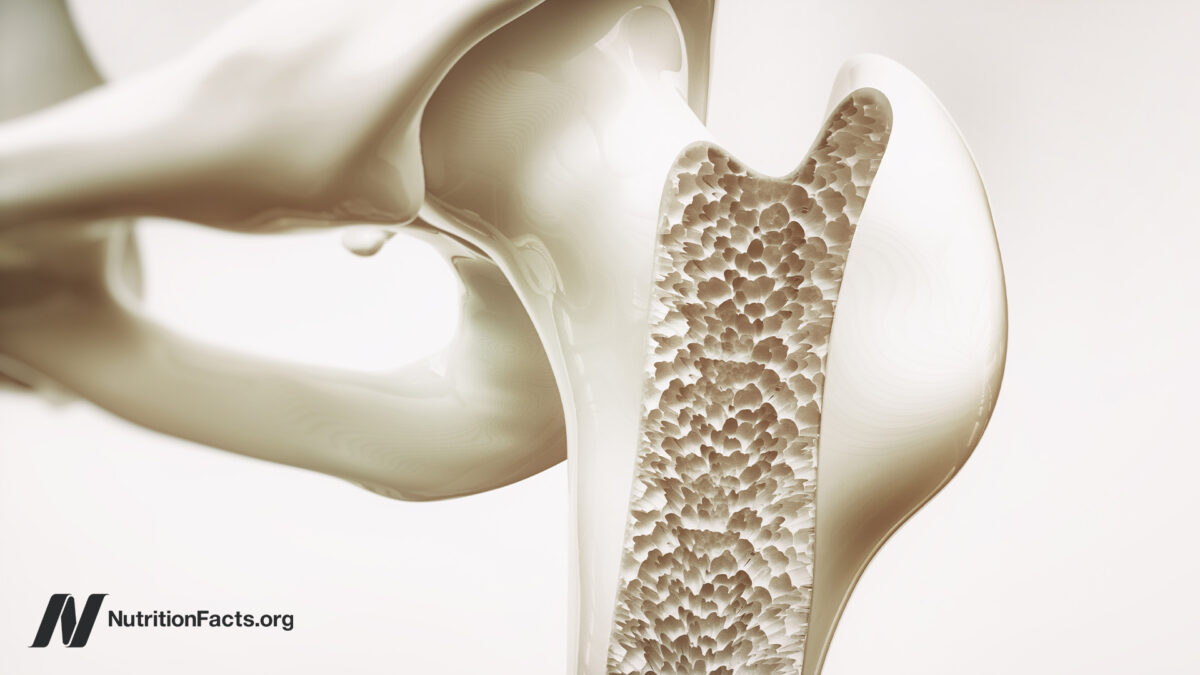
Osteoporosis is a global health challenge, affecting an estimated 200 million people worldwide. Translating literally to "porous bone," the condition is characterized by excessive bone loss, diminished bone formation, or a combination of both. As the disease progresses, it compromises the structural integrity of the skeleton, significantly increasing the risk of fractures. For clinicians and patients alike, the primary metric for assessing this risk is Bone Mineral Density (BMD), which remains the most robust and consistent predictor of osteoporotic fractures.
Given the importance of bone health, many have questioned how dietary patterns influence BMD. Historically, there has been a prevailing hypothesis that plant-based diets might inherently place individuals at a higher risk of developing brittle bones. Conversely, research has increasingly highlighted the "extensive range of micronutrients and phytochemicals" packaged within plants as powerful promoters of bone integrity. In fact, many experts now argue that healthcare professionals should proactively advise the increased consumption of plant-based foods, particularly during mid-life, regardless of the patient’s underlying dietary habits. The evidence suggests that adding more nutrient-dense plant foods may serve as a protective buffer against the development of osteoporosis, whereas an "animal-sourced nutrient pattern" has been linked to a higher risk of fractures and increased bone fragility.
The Historical Misconceptions of Vegetarian Bone Health
The debate over diet and skeletal health is not new. Nearly 50 years ago, one of the first major studies, titled "Incidence of Osteoporosis in Vegetarians and Omnivores," arrived at a counterintuitive conclusion. The researchers reported that the bones of vegetarians were significantly denser than those of their meat-eating counterparts. The findings were striking: the average bone density of vegetarians in their 70s appeared greater than that of meat-eaters in their 50s, leading the authors to suggest that vegetarians were far less likely to develop osteoporosis in their later years.
However, subsequent scientific scrutiny revealed a significant flaw in this early research. The study, conducted before the advent of modern Dual-energy X-ray Absorptiometry (DEXA) scanning in the 1980s, relied on conventional X-rays. The researchers had misinterpreted the radiographic images, erroneously equating darker bones on an X-ray to higher density. In reality, a darker image often indicates lower bone mass. Consequently, the study’s conclusion was essentially inverted; the vegetarians in that cohort actually possessed lower bone mineral density than the meat-eaters. This historical error highlights the challenges in early nutritional research and underscores the importance of technological precision in measuring bone health.
Weighing the Evidence: The Role of Body Composition
As the field of nutritional science advanced, the body of literature grew to include dozens of studies involving tens of thousands of participants. By the late 2000s, meta-analyses began to suggest that while vegetarian and vegan diets were associated with lower BMD, the magnitude of this difference was clinically insignificant. This led researchers to conclude that these dietary patterns have no meaningful detrimental effect on bone health in real-world settings.
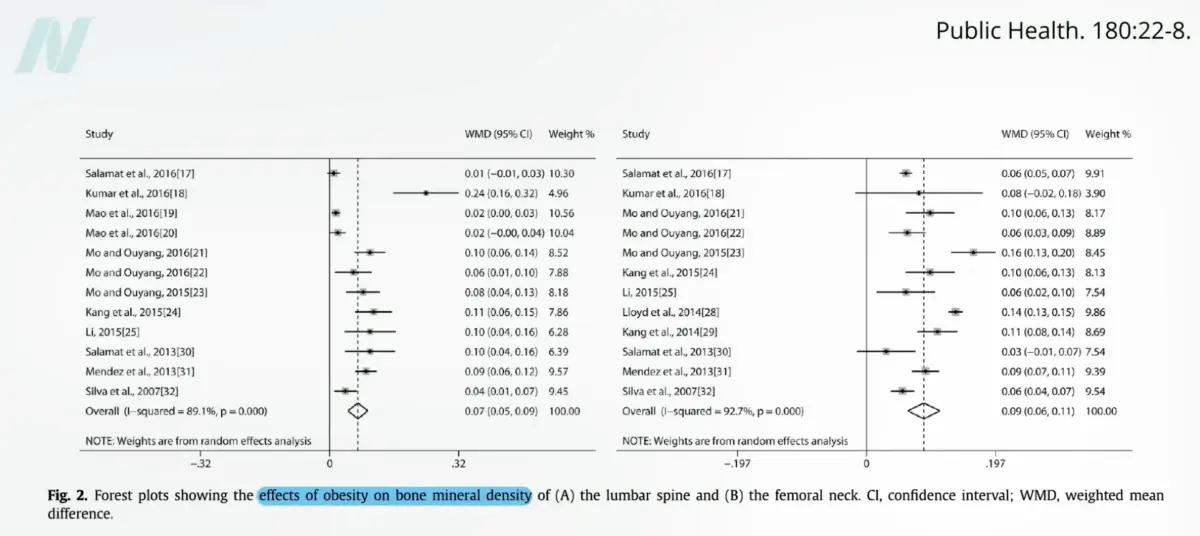
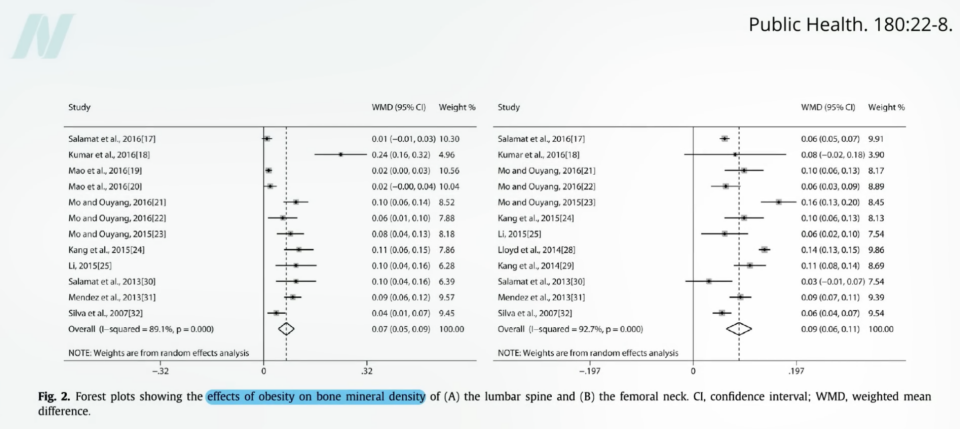
A crucial, yet often overlooked, factor in these studies is body weight. It is a well-established physiological principle that individuals who are obese tend to have stronger bones. This is largely due to the mechanical stress placed on the skeletal system; carrying extra weight acts as a form of constant, low-intensity weight-bearing exercise. Just as lifting weights stimulates bone growth, the physical demands of a higher body mass contribute to greater bone density. Because those who follow strict plant-based diets—particularly vegans—tend to be leaner and have lower rates of obesity, it is biologically expected that they might exhibit lower BMD on average.
Many early studies failed to adequately adjust for this "obesity factor." When researchers compared the BMD of vegetarians to meat-eaters without controlling for body mass index (BMI) or waist circumference, they were often measuring the effects of body size rather than the effects of diet.
Reframing the Risk in Modern Research
The narrative shifted significantly in 2020, when researchers revisited previous findings with more rigorous statistical controls. By accounting for anthropometric factors like body size, the perceived gap in bone mineral density between vegetarians and non-vegetarians became marginal. The study, appropriately titled "Differences in Bone Mineral Density between Adult Vegetarians and Nonvegetarians Become Marginal when Accounting for Differences in Anthropometric Factors," demonstrated that when weight and body size are held constant, the differences in BMD often lose their statistical significance.
This suggests that the lower bone mass observed in some studies among those on plant-based diets is primarily a reflection of their lower BMI, rather than an inherent deficiency in the plant-based diet itself. While a small, statistically significant difference in total lower spine density—approximately 0.03 g/cm²—remained, experts have largely dismissed this as having little to no clinical relevance.
When considering the inherent variability in medical imaging, the significance of such small gaps is further diminished. Standard medical practice involves a certain level of "scatter" in measurements; repeated tests performed back-to-back can show variations that exceed the minor differences observed between dietary groups. In clinical terms, a bone mineral density disparity at the spine would generally need to be at least 0.05 g/cm² to be considered a clinically significant change.
Clinical Implications for the Lean Individual
Ultimately, the consensus among modern researchers is that vegetarianism, in and of itself, is not a serious risk factor for osteoporotic fractures. The data indicates that the risks associated with bone health in the plant-based community are more closely tied to low body weight than to the exclusion of animal products.
Because low BMI is an independent risk factor for fractures, the medical community emphasizes that all individuals—regardless of their dietary preferences—who fall into a lower body weight category should be monitored for bone health. The focus for clinicians, therefore, should not be on discouraging plant-based eating, but on ensuring that patients, particularly those who are thin, maintain a lifestyle that supports bone density. This includes appropriate nutritional planning and, perhaps most importantly, engaging in regular weight-bearing exercise to preserve skeletal integrity throughout the aging process.
As researchers continue to explore the nuances of nutrition and bone longevity, the current evidence serves as a reminder that skeletal health is a multifactorial issue. While the composition of one’s diet plays a role, it is only one piece of a much larger puzzle that includes body composition, physical activity, and age-related changes. For those moving toward a more plant-centered diet, the primary takeaway is that with proper awareness and a focus on overall health markers, the skeleton can remain robust and resilient. Future investigations into actual fracture rates, rather than just density measurements, will likely continue to clarify these relationships further.