
If you are the type of person who carefully monitors your health—perhaps someone who would find the idea of smoking a cigarette before or after lunch absolutely unthinkable—you might want to reconsider your next trip to the deli or the taco stand. While many people are acutely aware of the immediate dangers of tobacco, we are often far more permissive when it comes to the dietary choices we make every single day. Emerging research suggests that the contents of your lunch plate might be having a more significant impact on your long-term longevity than you realize, with processed meats, in particular, posing a serious threat to public health.
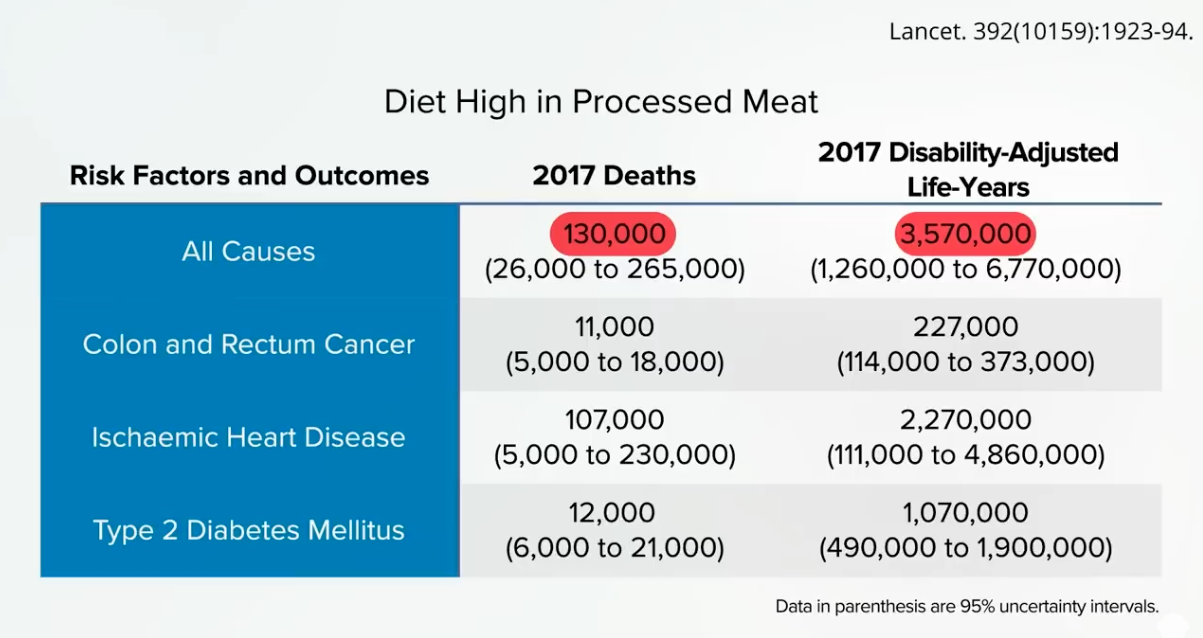
According to the Global Burden of Disease Study, diets high in processed meats—including staples such as bacon, hot dogs, sausages, ham, and various lunch meats—are linked to more than 100,000 deaths annually. This mortality is largely driven by heart disease, though these dietary patterns are also significant contributors to cancer and diabetes. The global impact is measured not just in lives lost, but in millions of healthy years of life sacrificed each year. When we look at the data on a population scale, the evidence is compelling: even small, consistent reductions in the consumption of these products could avert thousands of cancer deaths every single year, as noted in estimates by the Union of Concerned Scientists.
The challenge, however, lies in translating these massive, population-level statistics into something that resonates on an individual level. How do we quantify the personal risk of a bacon-wrapped hot dog or a deli sandwich? In recent years, there has been significant debate surrounding the impact of meat consumption on human health, particularly following the publication of the NutriRECS papers in the Annals of Internal Medicine. While those papers generated controversy for seemingly downplaying the risks of red and processed meat, closer analysis of the data—even the panel’s own numbers—suggests a different story. In fact, reducing the intake of red and processed meat is associated with a 13% lower risk of premature death.
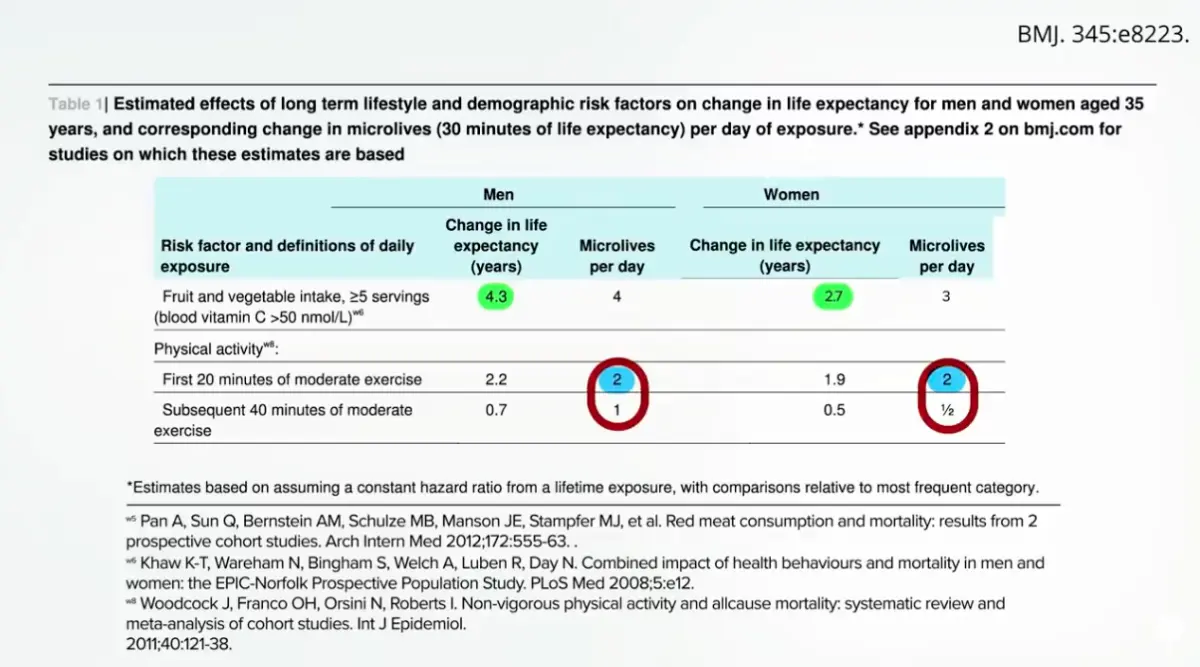
To make sense of a "13% risk reduction," it helps to utilize a specialized metric known as the "microlife." Most of us are familiar with the concept of a "micromort," a unit used to describe a one-in-a-million chance of sudden death, often applied to high-risk activities like skydiving or riding a motorcycle. However, acute risks do not account for the chronic, slow-burning lifestyle factors—such as poor diet, lack of exercise, or smoking—that gradually erode our health over decades. This is where the concept of the microlife becomes essential. A microlife is defined as 30 minutes of life expectancy.
The calculation is derived from the remaining life expectancy of a typical young adult. For example, a 22-year-old man or a 26-year-old woman likely has approximately 57 years of life remaining. That translates to about 20,000 days, or 500,000 hours, which equals one million half-hour blocks. Thus, a microlife represents the loss of one of those million half-hour increments. By using this unit, researchers can make disparate lifestyle risks and benefits directly comparable, providing a much clearer picture of how our daily habits shape our future.
When you view daily habits through the lens of microlives, the comparisons become stark. For instance, drinking a pint of strong beer is estimated to shorten your life expectancy by about the same amount as smoking one cigarette. If you would never dream of smoking two cigarettes a day, it stands to reason that you should be equally concerned about being 11 pounds overweight, as that status carries a similar long-term impact on your life expectancy.
Conversely, we can also look at life-extending behaviors through this same metric. Research indicates that consuming at least five servings of fruits and vegetables every day can add an average of three to four years to one’s lifespan. This is significantly more beneficial than the standard recommendation of daily exercise. However, exercise offers its own unique "return on investment." Engaging in 20 minutes of physical activity is associated with an extra hour of life—effectively gaining two microlives. For those who claim they lack the time to exercise, this is a 3-to-1 return: you invest 20 minutes of your time to earn 60 minutes of additional life expectancy. While there are diminishing returns at the extreme end, consistent daily exercise remains one of the most effective ways to "buy" back time.
When we apply this to the consumption of meat, the results are sobering. Studies have linked each burger to the loss of one microlife. In essence, eating a burger is the equivalent of sacrificing 30 minutes of your life. If we return to the comparison of smoking, this means that a single burger effectively carries the same life-expectancy cost as two cigarettes. When framed this way, the choice between a meaty burger and a nutrient-dense bean burrito takes on a new level of importance. Processed meats, which are even more strongly linked to chronic disease, carry an even higher "cost" in terms of lost microlives.
The scientific consensus, despite the noise created by industry-influenced research, remains clear. The chair of nutrition at Harvard and his colleagues have pointed out that dietary guidelines should prioritize patterns low in red and processed meats while emphasizing minimally processed plant foods. This includes whole grains, nuts, legumes, and a variety of fruits and vegetables. These foods are not just "healthier" in an abstract sense; they are the fundamental building blocks for avoiding the chronic diseases that rob millions of their later years.
Dr. Dean Ornish, who conducted the pioneering Lifestyle Heart Trial, has been a vocal critic of the attempts to reframe meat consumption as harmless. His research demonstrated that a comprehensive plant-based diet and lifestyle program could actually reverse the progression of severe coronary heart disease. In his analysis of the contentious meat studies that suggested consumers could continue to eat meat without significant concern, he noted that the control groups—which made only minor, superficial reductions in meat intake—continued to see their atherosclerosis worsen.
For many, these findings serve as a reminder to be cautious of contradictory headlines. As Dr. Ornish aptly put it, the light of scientific evidence eventually drives out the darkness, but in an era of conflicting information, one must remain vigilant. The choices we make at lunch, day after day, year after year, aggregate into our overall health profile. By prioritizing whole, plant-based foods and recognizing the tangible, albeit hidden, costs of our dietary habits, we gain the agency to protect our long-term well-being. Ultimately, understanding the mechanics of our own longevity—and how each meal plays a role—is one of the most effective ways to ensure a healthier, longer life.