
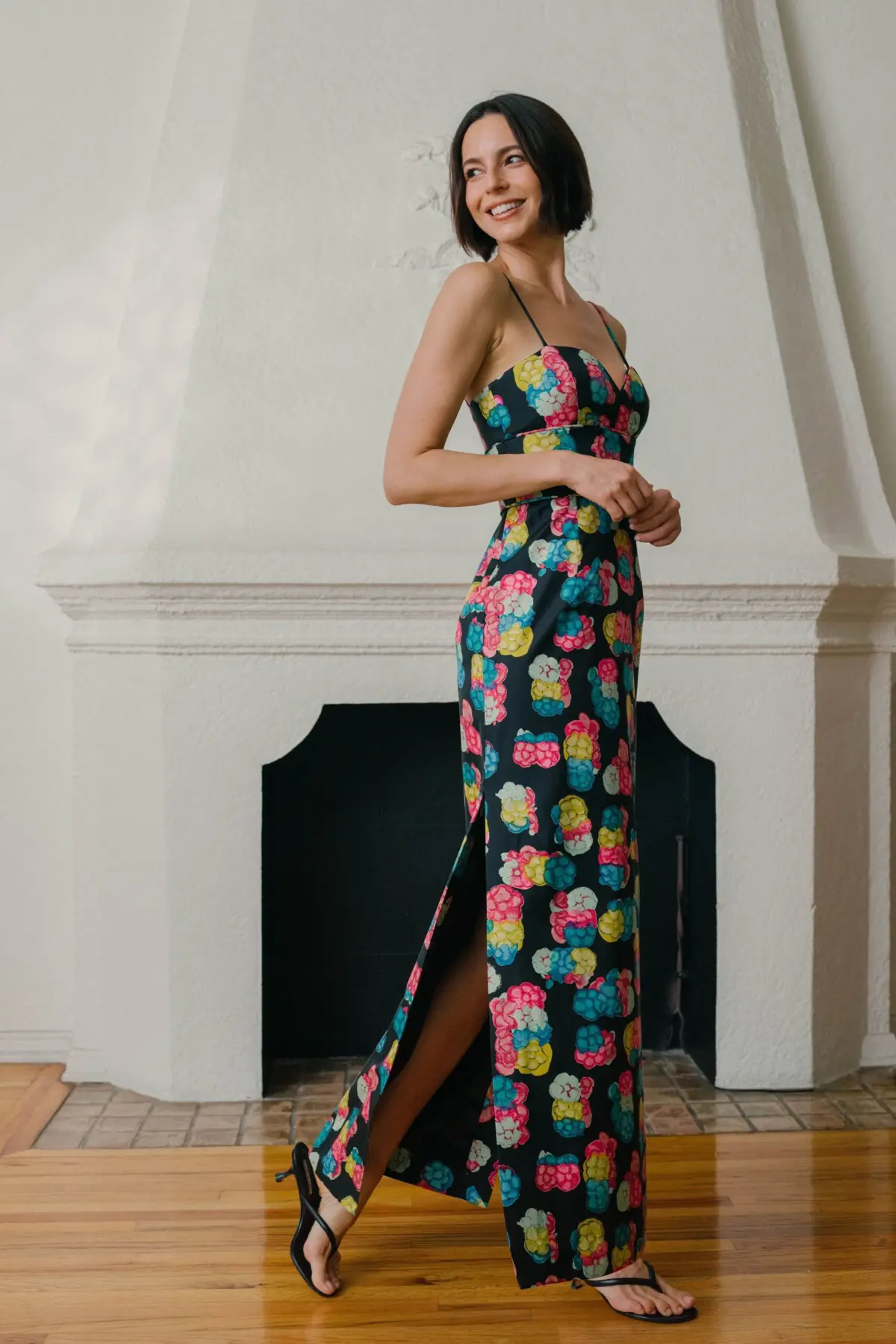
In an era increasingly dominated by the rapid encroachment of artificial intelligence and the cold precision of digital design, the fashion industry has found itself at a crossroads. As high-speed algorithms begin to dictate patterns, silhouettes, and even trend forecasting, the value of the human touch—the tactile, imperfect, and deeply deliberate nature of traditional garment construction—has become a rare commodity. Amidst this climate of hyper-automation, designer Barbara Tfank has emerged as a resolute defender of the old guard. Her Spring 2027 collection is not merely a seasonal offering; it is a profound manifesto on the enduring power of craft and the irreplaceable soul of artisan textiles.
While many of her contemporaries have leaned into the efficiency of digital design suites, Tfank has steadfastly refused to abandon the rigorous, time-intensive processes that have defined her career. For her, the act of creation remains rooted in the physical world, a philosophy that manifests in her continued reliance on European textile mills that have partnered with her since the inception of her brand. This commitment to provenance and quality is the backbone of her design house, providing a sense of continuity that feels particularly poignant in an industry currently obsessed with the "next big thing" in software-driven aesthetics.
For the Spring 2027 season, Tfank turned inward, embarking on an archaeological dig through her own extensive archives. It was there that she unearthed a treasure trove of unused Bianchini Férier prints—textiles that carry with them the weight of art history and the warmth of a bygone era of production. These are not just fabrics; they are artifacts. The prints were originally painted and designed by the celebrated artist Raoul Dufy, a visionary whose work bridged the gap between the canvas and the couture house.
"The artist Raoul Dufy actually painted and designed the textiles for them, so they’re collectibles," Tfank explained during the presentation, her enthusiasm for the history of the materials palpable. As she unfurled the lively, lush florals in their vivid, saturated hues, it was clear that these prints possessed a depth that current digital printing technology struggles to emulate. "I was just so happy to see these in my archive because there’s nothing digital about them," she noted. "It was all done by hand and just feels timeless." By reintroducing these historical prints, Tfank is effectively curating a bridge between the artistic triumphs of the early 20th century and the wardrobe needs of the modern, discerning woman.
The collection serves as a masterclass in how to honor the past while refining the present. With these vintage Bianchini Férier prints in hand, Tfank set about revitalizing some of her most beloved silhouettes. The signature off-the-shoulder gowns that have become synonymous with the Tfank aesthetic were reimagined in crisp, spring-ready organza, a fabric choice that provides both structure and an airy, ethereal quality suitable for the season’s transition. The transparency of the organza allows the complexity of the Dufy prints to take center stage, creating a visual interplay that is both sophisticated and effortless.
Beyond the classic evening gown, Tfank has demonstrated an astute awareness of the changing landscape of formal dressing. Recognizing that the modern consumer’s relationship with eveningwear is evolving, she has introduced a strategic shift in her tailoring. Her column gowns, long a staple of the red carpet and high-society galas, have been meticulously retrained to offer a more versatile silhouette. Perhaps most notably, she introduced a dress cut to a mid-shin length—a subtle departure from her usual floor-length leanings.
This adjustment is a calculated nod to the "casual evening" customer, an emerging demographic that values elegance but rejects the restrictive formality of traditional black-tie attire. This is the woman who might choose to pair her gown with modern thong heels or sleek, minimalist sandals rather than the traditional, high-maintenance Manolo Blahniks. By shortening the hemline, Tfank acknowledges that the modern evening gown must be capable of navigating a spectrum of environments, from a gallery opening to an intimate dinner, without sacrificing the elevated feeling of couture.
The collection further explores this intersection of casual ease and high-end construction through a series of separates that feel fresh and undeniably contemporary. In keeping with the broader trends seen across the Spring 2027 runways, Tfank has incorporated bra tops into her evening repertoire. However, where others might treat this as a purely provocative statement, Tfank’s interpretation is rooted in the same artisanal luxury as her gowns. By rendering these tops in the groovy, colorful Férier prints and pairing them with fluid, wide-leg trousers, she creates an ensemble that is both daring and refined. It is a look that captures the spirit of the season—relaxed, confident, and unapologetically stylish—without veering into the ephemeral territory of "fast fashion."
The collection also highlights the power of storytelling in fashion, particularly through a navy-and-white sundress that carries a significant pedigree. The fabric used for this piece has a storied past; it was once employed to create a custom coat for former First Lady Michelle Obama. Reintroducing this textile in a new context offers a unique window into the cyclical nature of fashion and the enduring appeal of quality materials. For Tfank, the timing of bringing this particular print back to the spotlight feels almost fated. It serves as a reminder that the clothes we create are more than just items of commerce; they are vessels for memories and markers of moments in history.
Throughout the presentation, the contrast between Tfank’s output and the current industry-wide push for AI-assisted design was striking. While AI is often praised for its ability to generate endless variations in seconds, Tfank’s process is intentionally slow. It is a process of curation, of touch, and of deep knowledge of one’s own creative evolution. By choosing to work with existing archives rather than generating new patterns via prompts, she is reclaiming the role of the designer as an editor and a guardian of taste.
Her work reinforces the idea that true luxury is not found in the speed of production, but in the intentionality of the result. The vibrancy of the Dufy prints, the precision of the organza draping, and the thoughtful recalibration of hem lengths all speak to a designer who is deeply engaged with her craft. In a market that is increasingly crowded with digital noise, Tfank’s collection offers a moment of clarity. It invites the wearer to slow down and appreciate the provenance of the garment, the history of the print, and the quiet authority of a well-cut silhouette.
As the industry continues to grapple with the existential questions posed by new technologies, Barbara Tfank’s Spring 2027 collection stands as a testament to the fact that the most forward-thinking fashion is often that which is most deeply rooted in human history. By blending the archival genius of Raoul Dufy with the contemporary demands of the modern, casual-leaning evening customer, she has crafted a collection that feels both nostalgic and vital. In her hands, the art of the garment remains a human endeavor—a bridge between the tactile beauty of the past and the sophisticated, evolving needs of the future. It is a reminder that while the world around us may be turning digital, the clothes we wear should, above all else, remain human.