
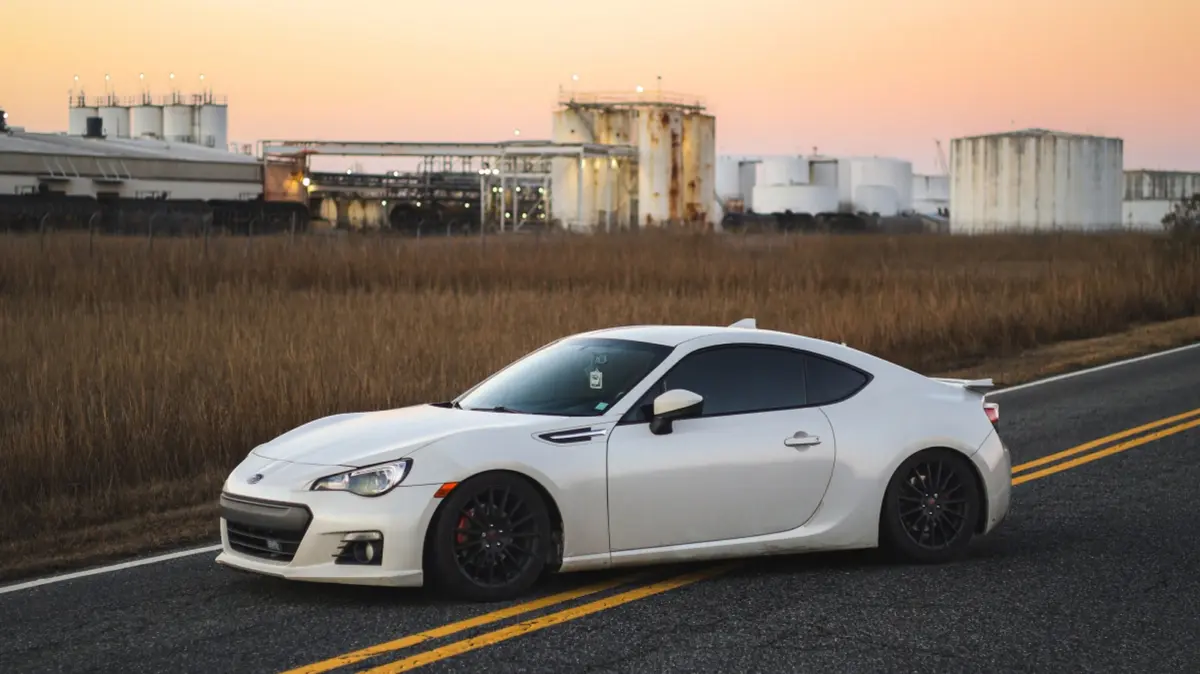
Let’s face it: most factory stock wheels are, at best, entirely fine. Occasionally, a manufacturer’s production design will stand out for its exceptional looks, usually because it has been crafted by Mercedes-Benz or another luxury marque pushing the boundaries of automotive style. However, the vast majority of original equipment manufacturer wheels are simply basic, mass-produced metal designed to do little more than hold a tire and safely get a vehicle from point A to point B. For everyday commuting, that is more than enough. But for automotive enthusiasts, standard factory fitments rarely satisfy the desire for personalization and aesthetic perfection.
This universal yearning for a more aggressive stance, a cleaner aesthetic, or improved performance leads directly into the vast and varied world of aftermarket wheels. The aftermarket industry offers designs in every style imaginable—from competition-inspired rally turbofans and timeless classic five-spokes to quirky novelties like the infamous teddy bear rims. Yet, the ongoing debate among car enthusiasts usually sidesteps the individual wheel designs themselves to focus instead on the canvases they are bolted onto. This brings up a broad, highly subjective automotive question: What car looks best on aftermarket wheels?
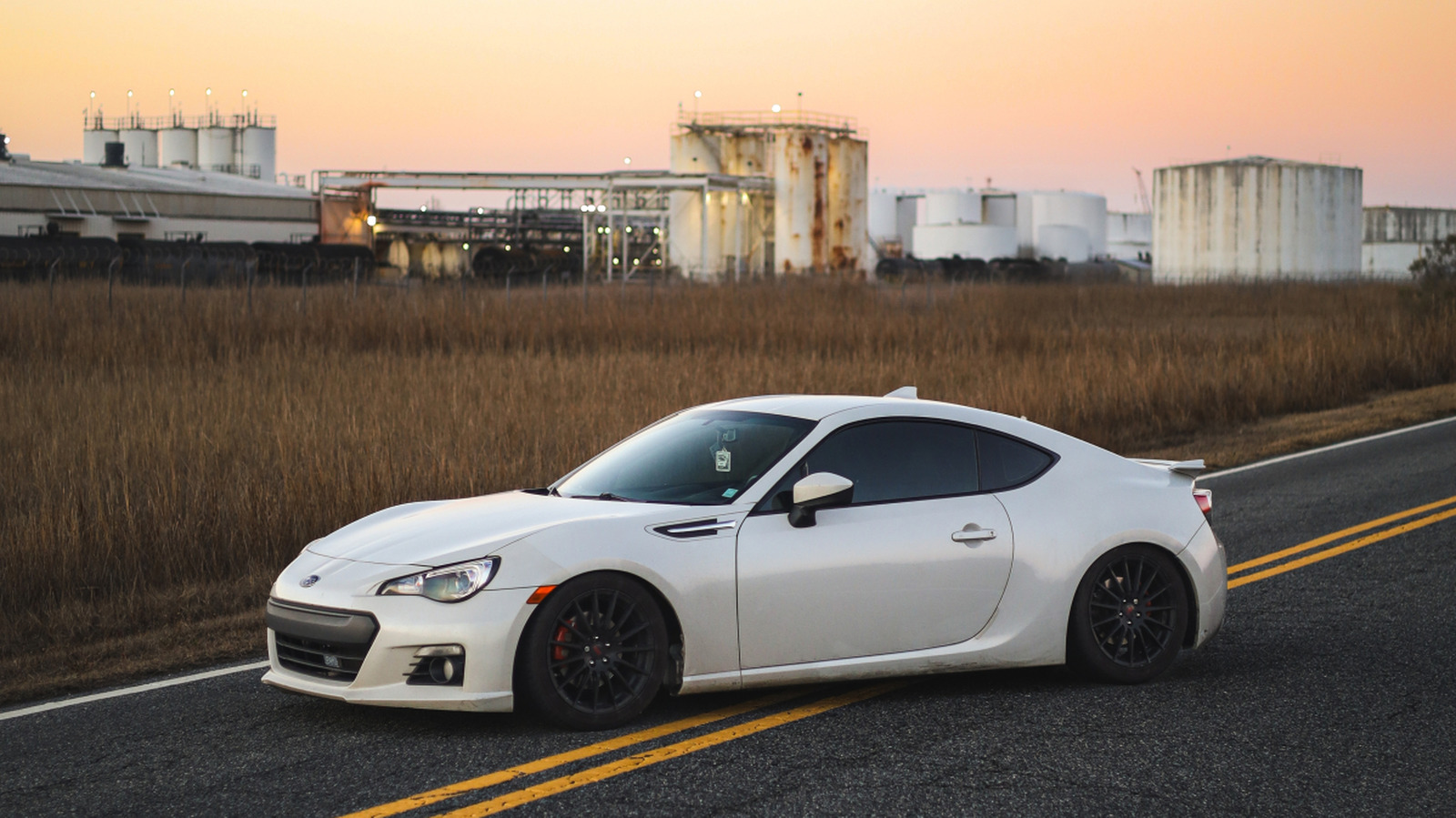
To find a consensus, enthusiasts generally split their criteria into two distinct categories. The first category comprises cars that most desperately need aftermarket wheels to correct lackluster factory styling. The second category highlights vehicles that look phenomenal on the widest variety of aftermarket wheel designs, effortlessly pulling off everything from track-ready setups to slammed stance builds. These criteria are wide open, inviting countless interpretations from gearheads across the globe.
Finding a Car That Fits Both Interpretations
When examining both ways to answer the question, a compelling argument can be made that a single vehicle architecture fits both interpretations better than any other: the collaborative rear-wheel-drive sports car platform known colloquially as the "Toyobaru," most specifically represented by the first-generation Scion FR-S and Subaru BRZ.
As a factory platform, the first-generation FR-S and BRZ were delivered to dealerships with narrow, eco-conscious tires wrapped around conservative factory wheels. While functional for maximizing fuel economy and letting drivers explore the car’s balanced handling at lower limits, the factory presentation left a significant visual gap between the tires and the fenders. Out of the box, the chassis practically cried out for a proper set of aftermarket wheels to fill out its arches and unlock its true aesthetic potential.
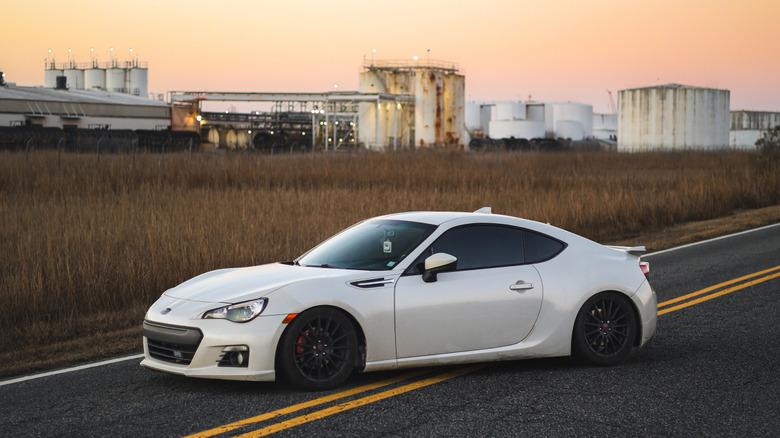
At the same time, this chassis serves as a near-universal blank canvas for almost every major wheel style in the enthusiast lexicon. The car looks effortlessly right when outfitted with lightweight, motorsport-inspired track wheels like the legendary Volk TE37 or Titan 7 T-S5s, honoring the platform’s functional sports car heritage. Yet, its proportions are just as well-suited to a more aggressive aesthetic, pairing harmoniously with a lowered suspension setup and a classic multi-piece BBS mesh wheel design. Even deeply traditional, vintage-inspired wheels like the iconic RS Watanabe, when scaled up to modern fitments, look remarkably at home on the Toyobaru chassis.
While the first-generation Scion FR-S and Subaru BRZ present a strong case for taking the crown, the automotive landscape is filled with other contenders. Many enthusiasts argue that vehicles like the Honda Civic have the highest baseline need for a new set of shoes to elevate them from standard economy transport to striking street machines. Others firmly believe that luxury cruisers like the Lexus LS400 can do no wrong, looking dignified and commanding regardless of what wheel face is bolted to their hubs.
The debate remains wide open across enthusiast forums and garage meetups alike. Determining which car truly wears aftermarket wheels the best ultimately depends on whether one values rescuing a bland factory design or celebrating a chassis’s chameleon-like ability to pull off any aesthetic imaginable.