
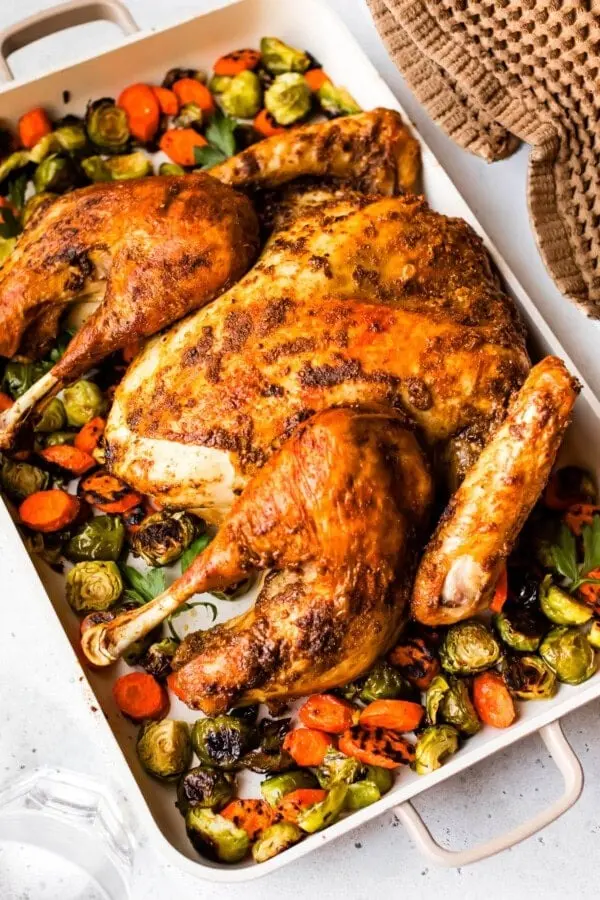
As the holiday season approaches, home cooks across the country are once again facing the annual dilemma of how to prepare the centerpiece of the Thanksgiving table without spending hours in the kitchen or enduring the stress of a dried-out bird. For many, the traditional method of roasting a whole turkey often involves time-consuming brining or overnight marinating, leaving little room for error. However, a growing trend in culinary circles is offering a more efficient and reliable alternative: the spatchcock turkey, enhanced by a simple, unconventional secret ingredient—mayonnaise.
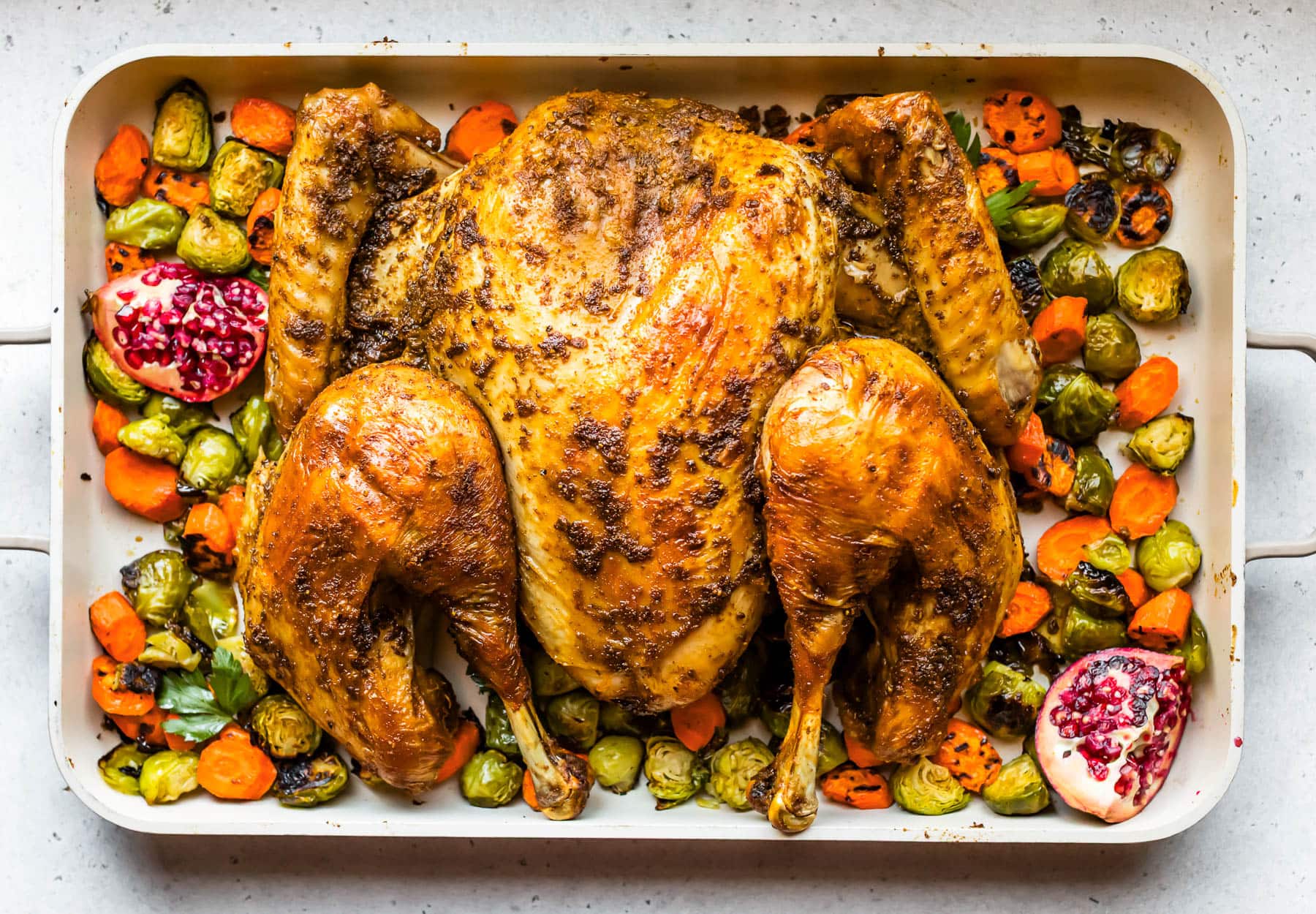
The spatchcock technique, also known as butterflying, has gained significant traction for its ability to transform the roasting process. By removing the turkey’s backbone and flattening the bird, home cooks can achieve a level of uniformity that is rarely possible with a traditional, cavity-intact roast. This method allows the heat to penetrate the meat more evenly, ensuring that the white meat of the breast and the darker, denser meat of the thighs reach their ideal internal temperatures at roughly the same time. This simple structural change eliminates the common frustration of overcooking the breast in a desperate attempt to ensure the legs are fully cooked.
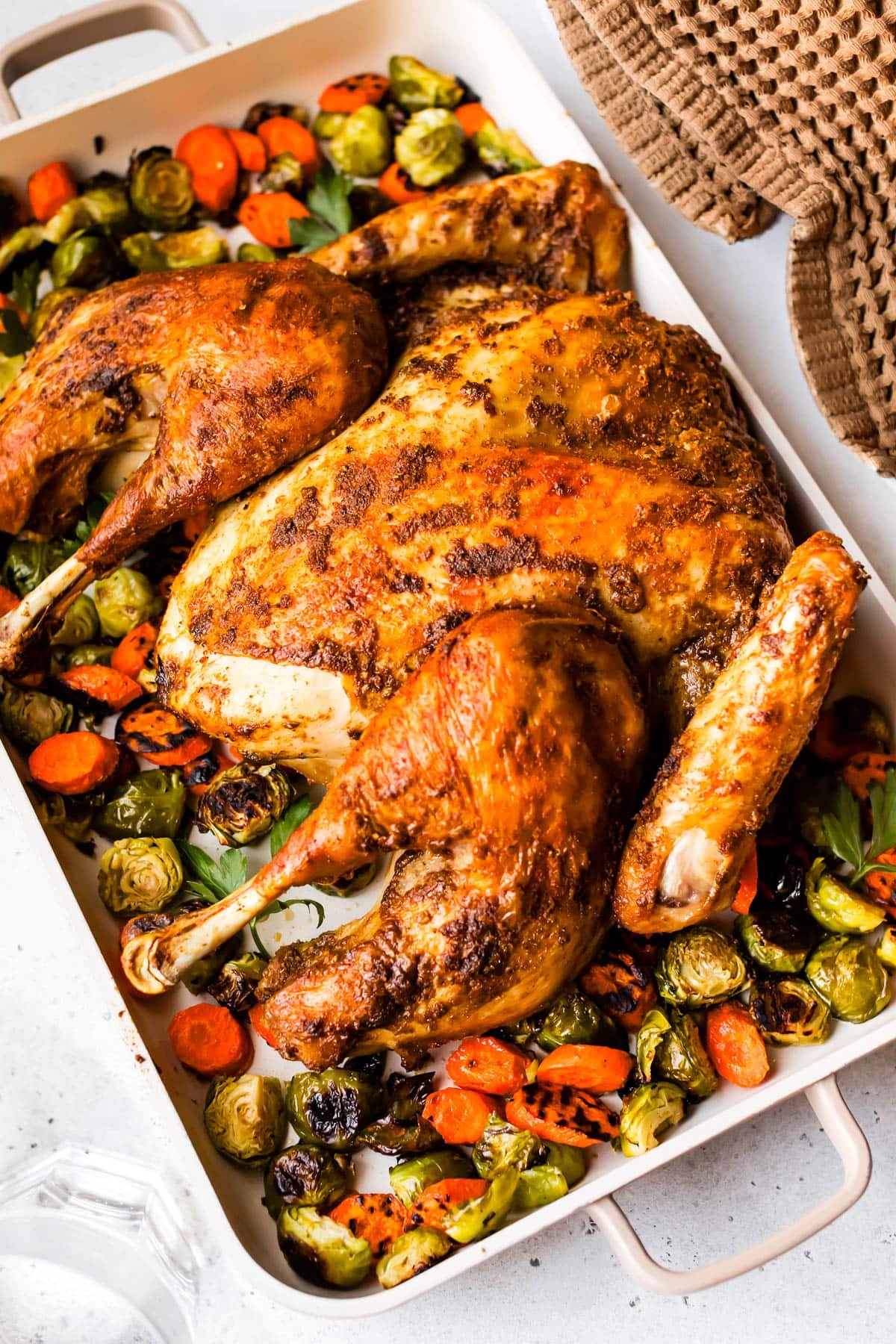
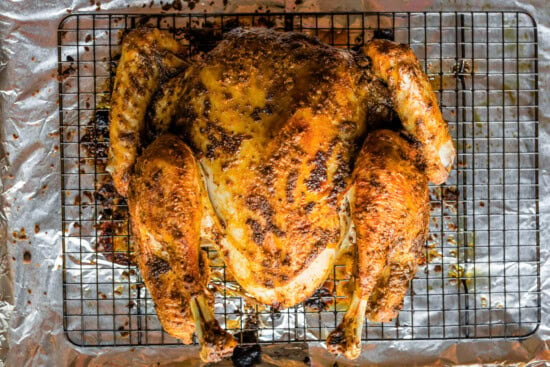
Beyond the logistical advantages of a faster cook time, the method is being lauded for its impact on texture and flavor. The key to achieving a professional-grade, golden-brown finish lies in a technique that many traditionalists might find surprising: coating the exterior with mayonnaise. While it may seem unconventional to those accustomed to butter or oil, the mayonnaise serves a specific scientific purpose. The high fat content and stable emulsification of the condiment allow it to spread evenly across the skin, acting as a conductor for heat and seasoning. As the bird roasts, the mayonnaise creates a deeply savory, crispy crust that rivals the most meticulous basting methods, all without the need for constant monitoring.

The beauty of the spatchcocked, mayo-roasted turkey lies in its accessibility. Unlike traditional recipes that require days of advance planning, this approach is designed for the modern host who wants to maximize flavor while minimizing labor. Because the bird is flattened, it roasts in a fraction of the time required for a whole bird, effectively removing the barrier to entry for those who are intimidated by the long roasting times of a traditional turkey. The result is a centerpiece that remains succulent and tender, with skin that is consistently crisp and flavorful.

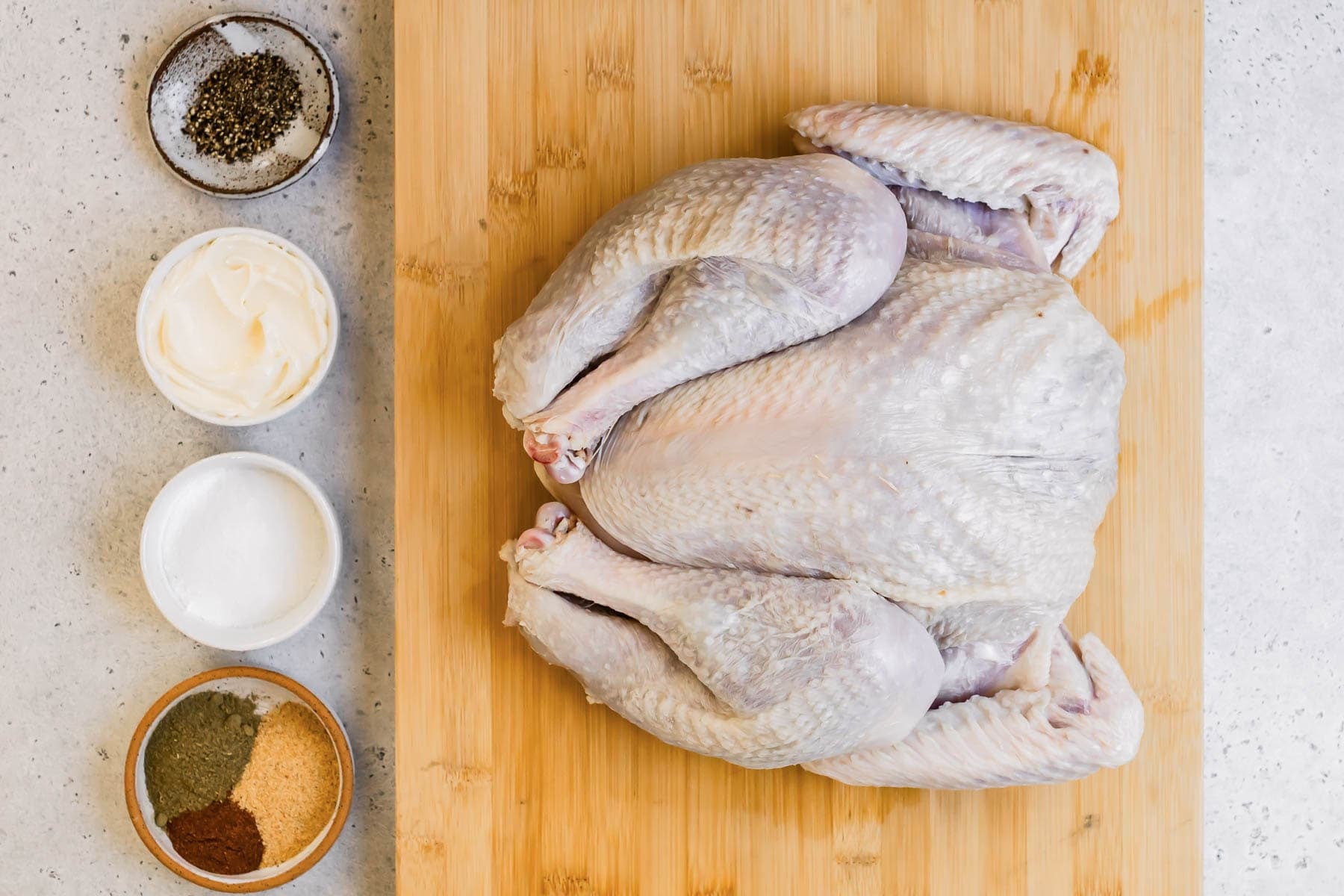
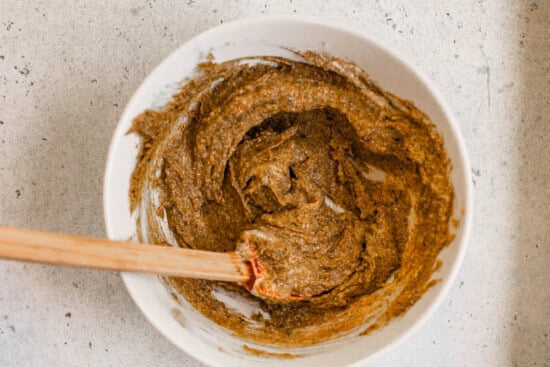
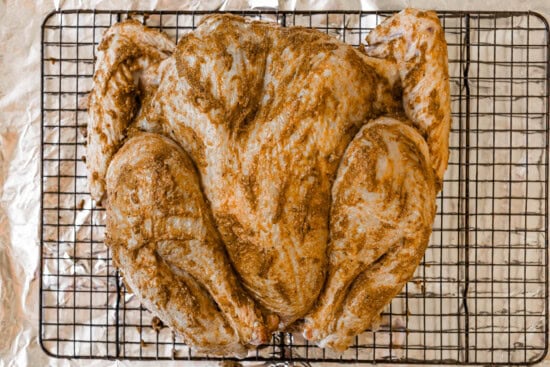
For those considering this method for their holiday gatherings, the process begins with the physical preparation of the bird. Utilizing a pair of sturdy poultry shears, the backbone is carefully removed, allowing the carcass to be pressed flat against a roasting pan or sheet. For cooks who feel less confident with butchery, this is a step that can easily be delegated to a professional butcher at the point of purchase. Once flattened, the turkey is ready for the signature coating. By blending mayonnaise with a curated selection of herbs and spices, the cook creates a rub that clings to every crevice of the bird, infusing the meat with moisture while simultaneously facilitating a perfect, golden-brown roast.
When it comes to the cooking process, the high-heat method is the primary driver of success. Typically, the turkey begins its time in the oven at 425°F, which jump-starts the browning of the skin. After an initial period, the temperature is reduced to 350°F to ensure that the interior of the turkey cooks through without burning the exterior. This dual-temperature approach is essential for maintaining the balance between a crispy skin and a juicy interior. As with any poultry, the ultimate arbiter of success is a meat thermometer. Experts emphasize that the turkey is ready to be pulled from the oven once the thickest parts of the breast and thigh reach 165°F.
The importance of the resting period cannot be overstated. Once the turkey is removed from the oven, it requires at least 30 minutes to rest before carving. This critical pause allows the juices to redistribute throughout the muscle fibers, ensuring that each slice remains moist. This resting phase also provides the host with a window of time to finalize side dishes, such as roasted vegetables or stuffing, which can often be cooked in the same oven space or on the stovetop while the turkey sits.
As with any culinary endeavor, the quality of the ingredients plays a significant role. If a home cook chooses to use a frozen turkey, proper planning remains essential, as the bird must be fully thawed in the refrigerator well before the cooking date. Additionally, the seasoning profile can be adjusted based on the specific type of turkey purchased. For those opting for a self-basting or salt-solution-enhanced bird, it is important to exercise caution with added salt in the mayonnaise mixture to avoid an overly saline result.
The move toward more efficient, high-performance cooking methods reflects a broader shift in how we approach holiday traditions. By prioritizing techniques like spatchcocking, cooks are finding that they do not have to sacrifice quality or tradition to save time. This method provides a reliable, stress-free path to a centerpiece that is as beautiful as it is delicious. As the holiday season approaches, the mayo-roasted spatchcock turkey stands out as a practical solution for those looking to elevate their menu without the traditional overhead of multi-day preparations. Whether serving a large group or a smaller, more intimate gathering, the technique offers a balance of modern efficiency and classic results, proving that some of the best culinary innovations are those that simplify the process while maximizing the final, flavorful outcome.