
When the Milwaukee Brewers and the Tampa Bay Rays take the field tonight for the opening game of the 122nd World Series, the players won’t be the only ones feeling the weight of expectation. While the ultimate goal is to secure the four victories required to hoist the sterling silver Commissioner’s Trophy, the residents of Milwaukee and St. Petersburg have a secondary, culturally significant prize on the line: a temporary exchange of priceless Impressionist art.
In a sophisticated twist on the traditional friendly sports wager, two prominent cultural institutions—the Milwaukee Art Museum (MAM) and the Museum of Fine Arts, St. Petersburg (MFA)—have entered into a high-stakes agreement. The terms are as elegant as they are bold: the winning city’s museum will earn the right to host a masterpiece from the loser’s collection, creating a unique cross-country cultural exchange born from the drama of the Fall Classic.
The Masterpieces at Stake
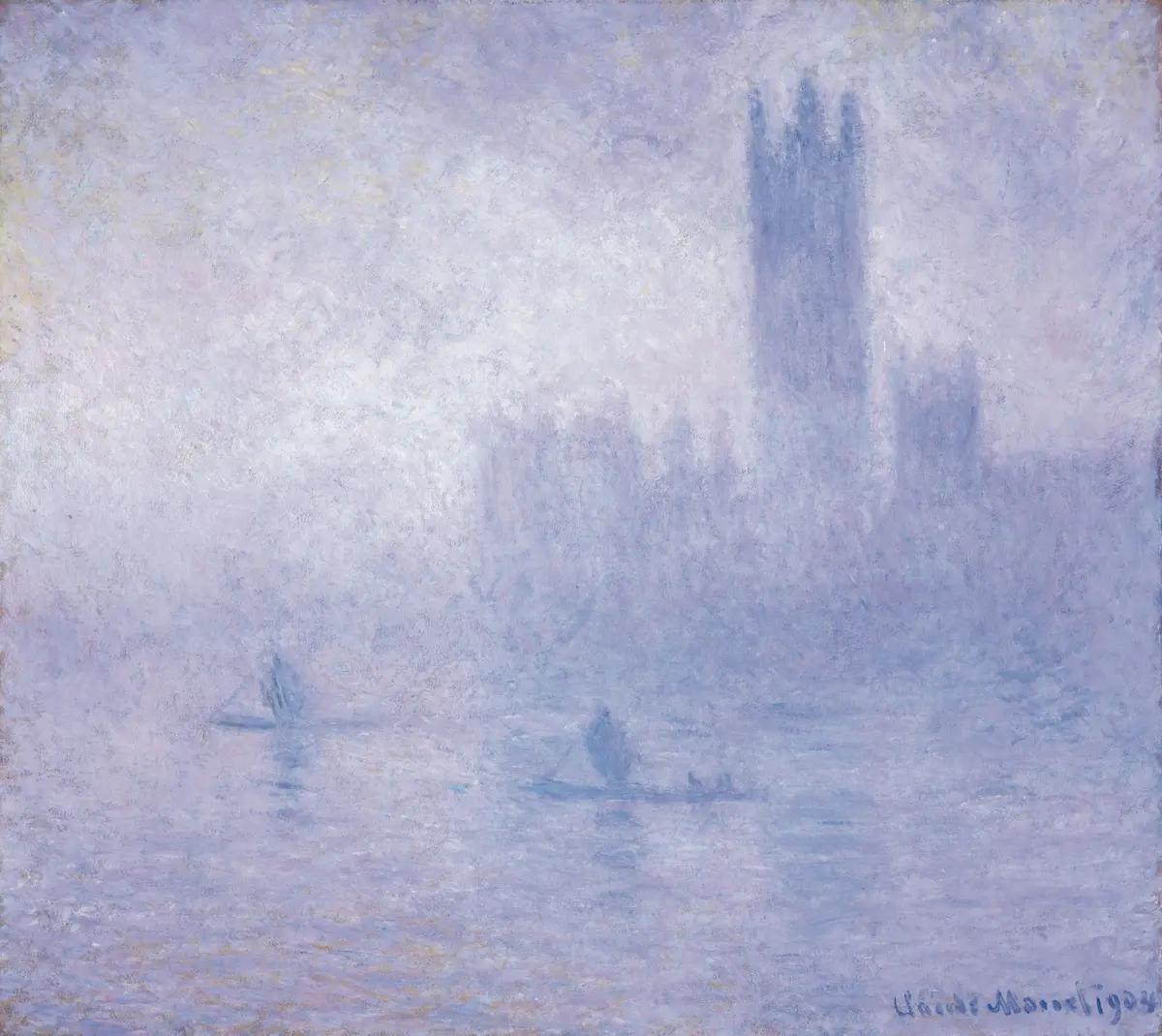
The stakes of this cultural duel reflect the stature of the institutions involved. The Milwaukee Art Museum, located just four miles east of the Brewers’ American Family Field, has pledged its solitary Monet painting: Waterloo Bridge, Sunlight Effect, a luminous work dating to approximately 1903. Conversely, the Museum of Fine Arts, St. Petersburg, situated just over a mile west of the Rays’ Tropicana Field, has offered up its own treasure: Houses of Parliament: Effect of Fog, London, painted in 1904.
For the Milwaukee Art Museum, the potential loss of Waterloo Bridge, Sunlight Effect for a temporary loan is a significant gesture. According to the museum’s official records, the painting is a singular treasure within their collection and consistently ranks as a visitor favorite. Currently on view in the museum’s galleries, the piece has a storied history in Wisconsin. It was bequeathed to the museum in 1950 by Mrs. Albert T. Friedmann, forming part of a generous donation of more than 40 objects that helped define the museum’s early acquisitions. The work itself is a testament to Monet’s obsession with light and atmosphere; it is one of dozens of canvases the artist produced during his extended trips to London at the turn of the 20th century. The painting captures a fleeting, ethereal view of a bridge across the River Thames, partially obscured by the industrial haze and smokestacks that characterized the London skyline of the era.
The Museum of Fine Arts, St. Petersburg, is offering a work of equal historical and aesthetic gravity. Houses of Parliament: Effect of Fog, London is widely considered one of the museum’s most prized possessions. While the work is usually housed in the MFA’s permanent collection gallery, it is currently on display in an upstairs gallery while the main space undergoes a period of installation.
Stanton Thomas, curator at the MFA, emphasized the rare nature of this opportunity in a recent statement, noting that for visiting Brewers fans who might find themselves in the Sunshine State for the series, the current exhibition of the Monet might be their only chance to experience the work in its home context. Like its Milwaukee counterpart, this painting captures the fleeting, poetic nature of the London atmosphere. Painted just one year after the Milwaukee canvas, the work depicts the architectural majesty of the Houses of Parliament along the Thames, reflecting the series of over a dozen plein-air studies Monet dedicated to the site during his visits to the British capital in the early 1900s.
A History of Athletic and Artistic Diplomacy
This is not the first instance of the Milwaukee Art Museum engaging in a high-profile cultural wager tied to professional sports. The institution has a documented history of using its collection to foster friendly rivalries with cities across the country, turning the tension of championship games into opportunities for artistic diplomacy.
The most notable precedent occurred in 2011, during Super Bowl XLV, which featured a matchup between the Green Bay Packers and the Pittsburgh Steelers. In that instance, the Milwaukee Art Museum entered into a loan agreement with the Carnegie Museum of Art (CMA) in Pittsburgh. The stakes were high, and the outcome of the game dictated the movement of fine art between the two cities.
Following the Packers’ 31–25 victory over the Steelers—led by quarterback Aaron Rodgers, who remains a polarizing figure in the annals of Wisconsin sports—the terms of the agreement were honored. The Carnegie Museum of Art’s Pierre-Auguste Renoir painting, Bathers With Crab, made the journey to Milwaukee. The work was displayed at MAM for three months as a centerpiece of the museum’s exhibition, "Impressionism: Masterworks on Paper," providing Wisconsin audiences with a rare chance to engage with a work from the Pittsburgh collection.
The nature of these wagers has often prompted discussions about future matchups. Should the Steelers and the Packers ever meet on the gridiron again, there has been informal speculation regarding the potential stakes. It is rumored that the Carnegie Museum might seek to secure a temporary loan of the Milwaukee Art Museum’s prized Gustave Caillebotte painting, the 1977 acquisition Boating on the Yerres. Such a prospect underscores the seriousness with which these institutions approach their community engagement; by tethering their most valuable assets to the fortunes of local teams, they successfully draw public attention to the vital role these museums play in the civic identity of their respective cities.
The Cultural Impact of the World Series
The wager between the Milwaukee Art Museum and the Museum of Fine Arts, St. Petersburg, serves as a poignant reminder that sports and the arts, while seemingly disparate fields, both thrive on community engagement and the shared human experience. By wagering works by Claude Monet—a titan of the Impressionist movement—the institutions are elevating the discourse surrounding the World Series.
For the casual fan, the prospect of an art exchange adds a layer of intellectual intrigue to the games. For the museums, it is a strategic maneuver that highlights the accessibility of their collections and the importance of global artistic heritage. The logistical planning required to move such delicate, historic, and highly insured canvases is immense, yet both museums have demonstrated a willingness to undertake these efforts in the name of civic pride.
As the Brewers and the Rays prepare to take the field, the narrative of the series has already expanded beyond the diamond. The outcome will be felt in the quiet, climate-controlled galleries of Milwaukee and St. Petersburg. For the winning city, the arrival of a Monet from a rival institution will serve as a triumphant, tangible souvenir of their team’s success. For the losing city, it will be a bittersweet reminder of a hard-fought series, perhaps providing a spark of inspiration for a future rematch.
The paintings themselves, having stood for over a century as observers of human endeavor and the shifting qualities of light, will briefly become the ultimate trophies of the 122nd World Series. Whether the fog of London or the sunlight of the Waterloo Bridge finds a new home for the coming months depends entirely on the performance of the players on the field. As the first pitch is thrown, the weight of the moment is shared between the athletes, the fans, and the curators waiting to see which masterpiece will be crated and shipped to a new city.