
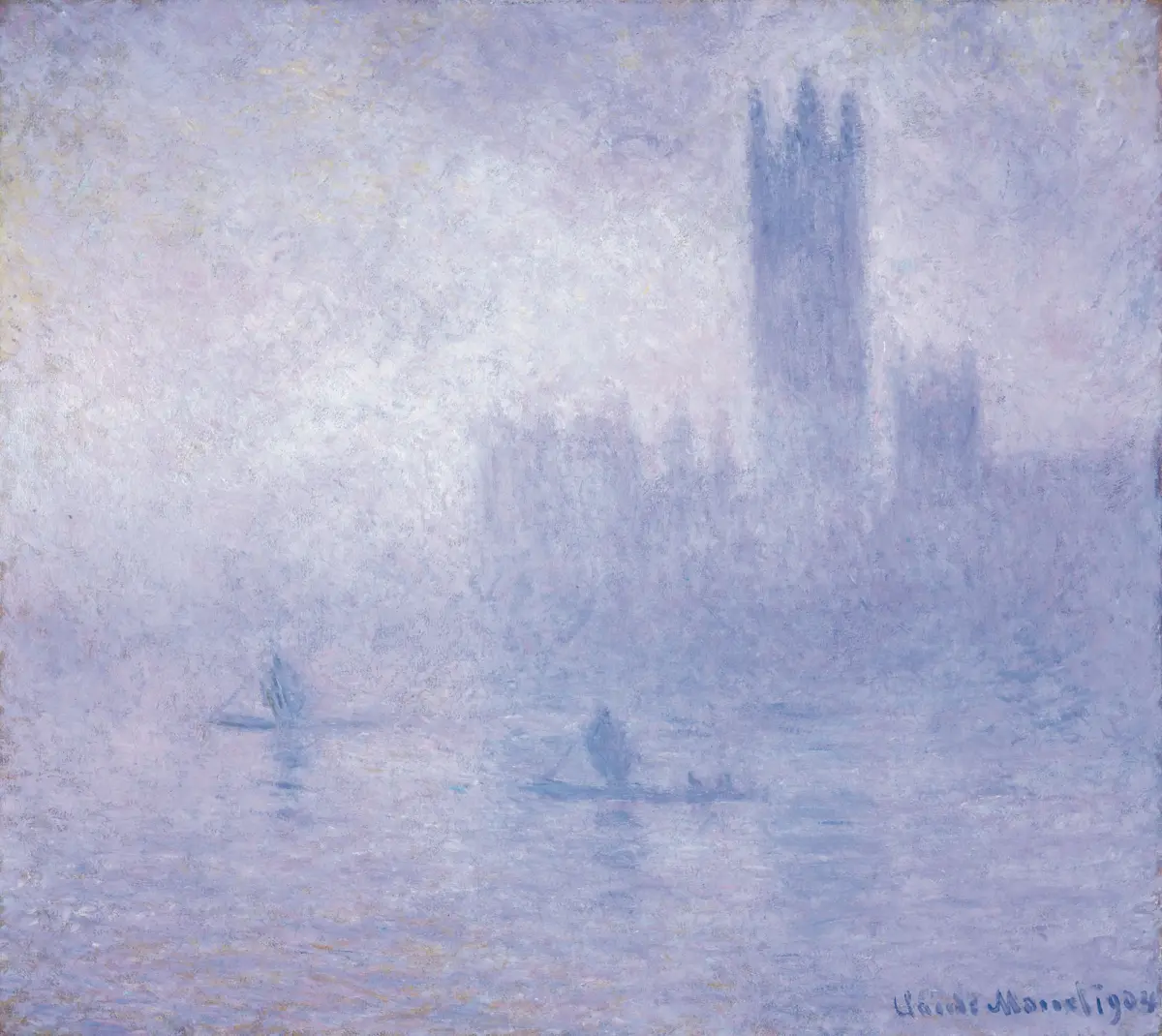
When the Milwaukee Brewers and the Tampa Bay Rays take the field tonight for the opening game of the 122nd World Series, the stakes will extend far beyond the coveted Commissioner’s Trophy. While the players battle for baseball immortality and the ultimate title in professional sports, two prominent cultural institutions have decided to raise the profile of the Fall Classic with a high-stakes, cross-country wager. The Milwaukee Art Museum (MAM) and the Museum of Fine Arts, St. Petersburg (MFA), have entered into a friendly but significant agreement: the losing city’s museum will loan a prized Claude Monet painting to the winner, creating a temporary cultural exchange born from the diamond’s volatility.
The wager highlights the geographic and cultural pride of two cities currently caught in the throes of postseason fever. The Milwaukee Art Museum, located just four miles east of the Brewers’ home at American Family Field, is staking its reputation on the home team. Across the country, the Museum of Fine Arts, St. Petersburg, situated a mere mile west of the Rays’ Tropicana Field, is throwing its weight behind the Florida squad. Should the Brewers triumph, the MFA will be shipping a masterpiece to the shores of Lake Michigan; should the Rays prevail, the MAM will see one of its most cherished artworks travel to the Sunshine State.
The paintings at the heart of this agreement are not mere placeholders; they are cornerstones of their respective collections. The Milwaukee Art Museum has pledged to send Waterloo Bridge, Sunlight Effect, a stunning oil on canvas painted by Monet circa 1903. For the Milwaukee institution, this is a significant move. According to the museum’s official records, this particular painting is the only work by the French Impressionist master in their entire collection. It is a perennial favorite among visitors and is currently a centerpiece of the museum’s public galleries.
The history of Waterloo Bridge, Sunlight Effect adds a layer of emotional weight to the wager. The piece was bequeathed to the museum by Mrs. Albert T. Friedmann upon her death in 1950. It arrived as part of a generous donation of more than 40 objects, cementing its status as a vital piece of the museum’s identity. The painting is part of a famous series Monet produced during his extended visits to London in the early 20th century. The work captures a ethereal, foggy view of the bridge spanning the River Thames, with the industrial silhouettes of smokestacks rising in the hazy, atmospheric background. To part with it, even temporarily, is a testament to the museum’s confidence in the Brewers.
Not to be outdone, the Museum of Fine Arts, St. Petersburg, has put up an equally compelling work: Houses of Parliament: Effect of Fog, London, painted in 1904. This painting stands as one of the crown jewels of the MFA’s collection. Currently, the piece is on display in an upstairs gallery, as its usual home within the museum’s collection gallery is currently closed for a new installation.
Stanton Thomas, a curator at the MFA, emphasized the rare nature of the opportunity for fans. "For visiting Brewers fans, it might be their only chance to see it," Thomas noted in a statement regarding the painting’s current visibility. Like the Milwaukee entry, the MFA’s Monet is a product of the artist’s fascination with London’s shifting light and atmospheric conditions. Monet executed over a dozen plein-air paintings of the Houses of Parliament during his travels to the city at the turn of the century. The painting is a study in color and mood, reflecting the same period and thematic interests as the Milwaukee piece, making the potential exchange a poetic, if temporary, reunion of Monet’s London-themed works.
This lighthearted rivalry serves as a reminder of the role cultural institutions play in the broader civic identity of their home cities. While professional sports often dominate the local conversation during the month of October, the museums have successfully bridged the gap between the stadium and the gallery. It is a move that encourages fans to look beyond the scoreboard and appreciate the treasures that reside in their own backyards.
This is not the first time the Milwaukee Art Museum has ventured into the world of sports-based wagers. In 2011, when the Green Bay Packers faced the Pittsburgh Steelers in Super Bowl XLV, the Milwaukee Art Museum engaged in a similar high-profile agreement with the Carnegie Museum of Art (CMA) in Pittsburgh. That contest proved to be a win for Milwaukee on both the gridiron and the gallery floor.
Following the Packers’ 31-25 victory over the Steelers—a game famously quarterbacked by Aaron Rodgers, who would later spend his final years with the New York Jets—the terms of the agreement were executed. The Carnegie Museum of Art sent its Pierre-Auguste Renoir painting, Bathers With Crab, to Milwaukee. The masterpiece remained in Wisconsin for three months, where it became a highlight of the MAM’s exhibition titled "Impressionism: Masterworks on Paper." The success of that exchange demonstrated that these wagers are more than just social media fodder; they provide a legitimate, albeit temporary, opportunity for museum-goers to experience world-class art that would otherwise remain in another state.
The history of these wagers also highlights a lingering competitive spirit between these institutions. Looking toward the future, the prospect of a rematch between Pittsburgh and Milwaukee remains a topic of quiet speculation among staff. Should the Steelers and the Packers ever meet on the sport’s biggest stage again—and should the "Steel Curtain" defense prove victorious in that theoretical future—the Carnegie Museum might finally get its chance to host one of Milwaukee’s most prized possessions: the 1977 Gustave Caillebotte painting, Boating on the Yerres. For now, however, the focus remains squarely on the diamond.
As the first pitch is thrown tonight, the tension will be felt not just in the dugouts or the bleachers, but in the curatorial offices of two of the country’s most respected art institutions. The winner of the World Series will earn the Commissioner’s Trophy, but the true prize for the winning city’s residents will be the arrival of a world-class Monet, a physical manifestation of victory that will hang on their walls as a trophy of a different sort. Whether the foggy banks of the Thames, as captured by Monet, find themselves residing in Florida or Wisconsin for the coming months depends entirely on the performance of the players on the field. In a world where sports and culture are often viewed as separate spheres, this wager serves as a charming intersection, proving that when the stakes are high, even the most serene impressionist masterpieces can find themselves caught up in the heat of the game.