
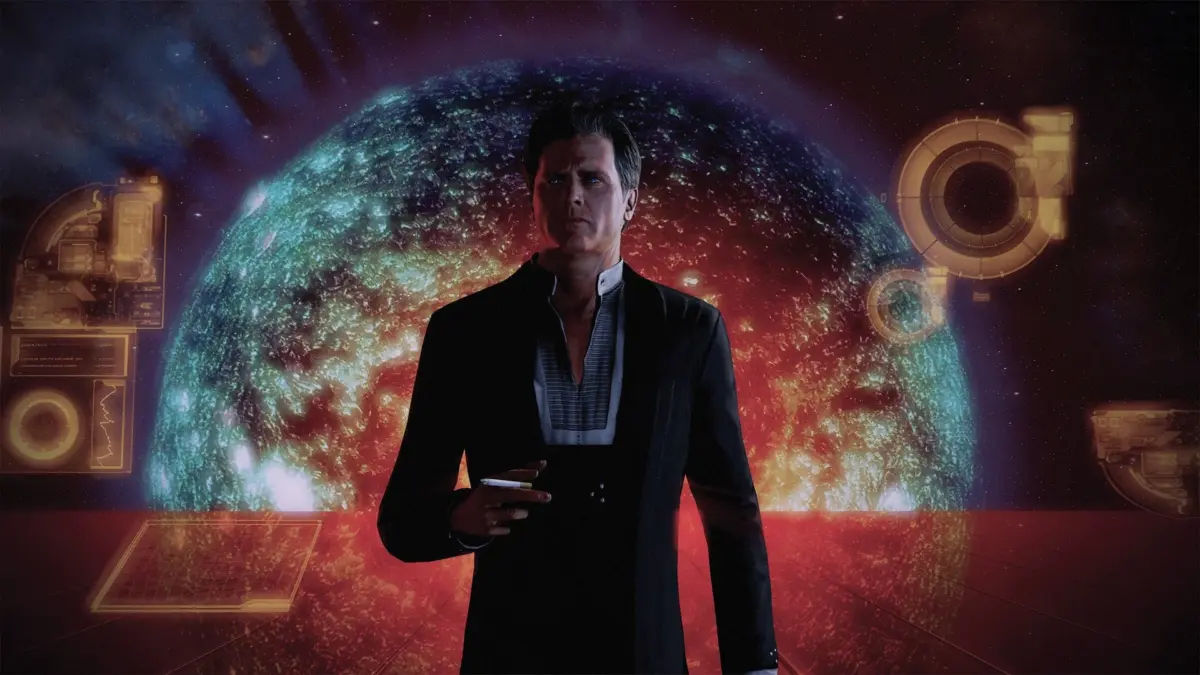
After five years defined by a relentless cycle of studio closures, project cancellations, and deep-seated restructures, the gaming industry has become accustomed to a grim rhythm of instability. Tens of thousands of layoffs have swept across the sector, leaving many observers feeling jaded, as if the next headline regarding a studio’s collapse is merely a statistical inevitability. Yet, the news that BioWare—a pillar of the role-playing game genre for over three decades—is effectively finished still carries a sharp, visceral sting.
It is a feeling of mourning that is not born of surprise. While the swiftness with which the newly private-equity-owned Electronic Arts moved to shutter the studio caught many off guard, the trajectory of the company had been clear to observers for years. The foundational logic of a private equity buyout is cold and transactional: assess a business, load it with debt, and attempt to recoup that investment through aggressive cost-cutting measures. Within that framework, a legacy studio like BioWare was never designed to survive intact.
The closure, which arrives as part of a broader wave of 400 layoffs across Electronic Arts, feels profoundly unjust. It is a decision that impacts hundreds of talented developers—individuals whose creative output has defined the childhoods and adult lives of millions—yet the decision-making process occurred entirely outside their control. In the brutal calculus of modern corporate finance, the knife had to fall somewhere, and for those looking only at spreadsheets, the choice was "predictable."
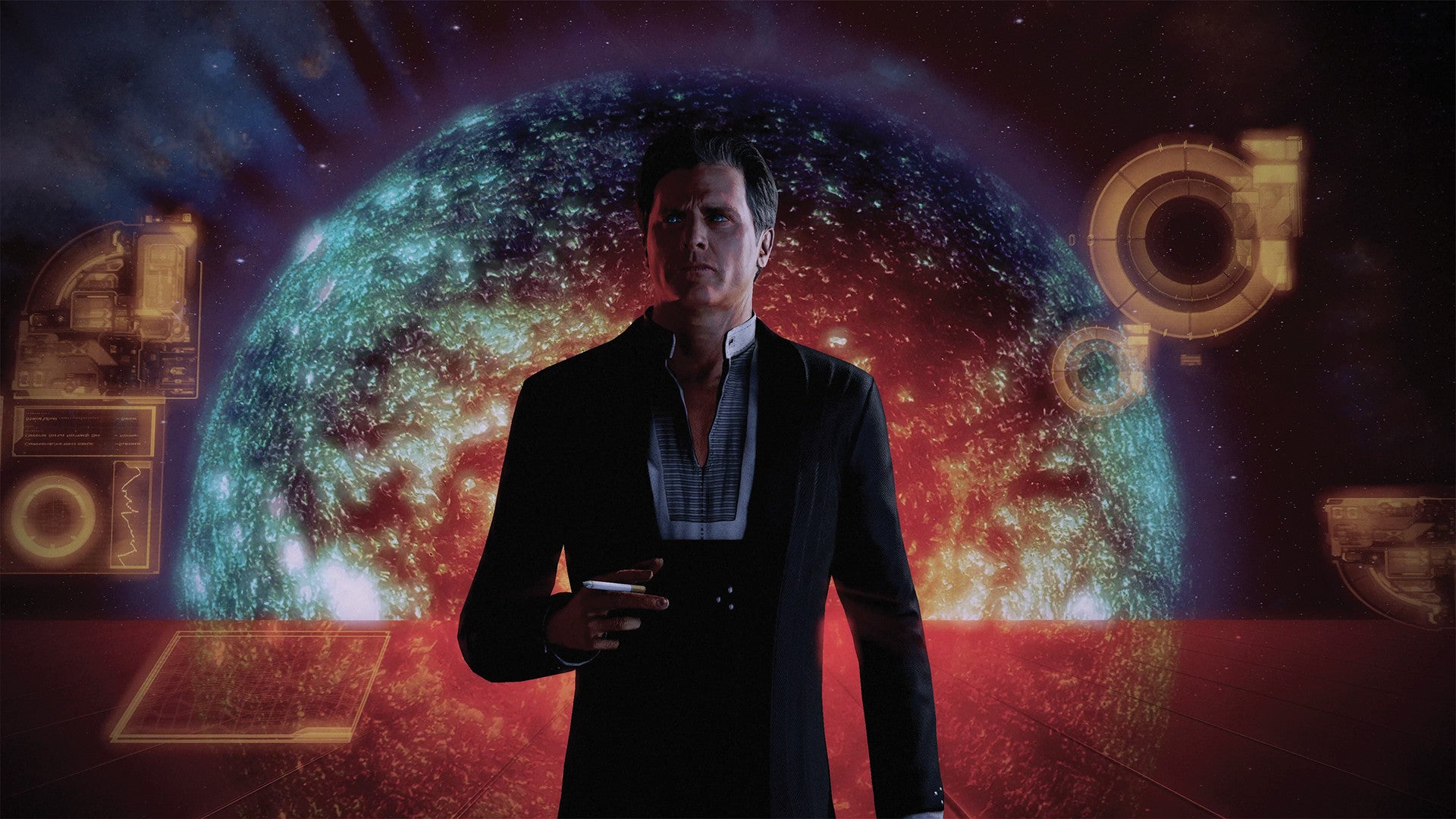
A Legacy Undermined
The BioWare that is being lamented today is not the same entity that was shuttered this week. The studio that is closing its doors is still filled with skilled, passionate creators, but it is also a studio that has struggled to deliver a critical or commercial juggernaut for over a decade. Dragon Age: Inquisition, released in 2014, serves as the last true flash of that iconic "BioWare magic." To the corporate entities now in control, that decade-long drought is the only metric that matters.
Compounding the tragedy is the state of the studio’s final projects. The new Mass Effect title, which had been teased for years, was still reportedly in "early development." In the world of AAA gaming, where development cycles can span half a decade or more, "early" is a euphemism for a project that is years away from completion, requiring hundreds of millions of dollars in further investment. It was an expensive, long-term gamble on a franchise that had stumbled with the reception of Mass Effect: Andromeda and which failed to fit neatly into the rigid categories of sports, military shooters, or live-service platforms that EA’s new ownership prioritizes.
The loss of BioWare feels personal because of what the studio represented. This was the team behind Baldur’s Gate and Neverwinter Nights, games that dragged the Dungeons & Dragons license out of cultural obscurity and laid the groundwork for modern fantasy storytelling in media, including phenomena like Stranger Things. It was the studio of Knights of the Old Republic and the cult classic Jade Empire. Even after its initial acquisition by Electronic Arts, it continued to produce the Mass Effect and Dragon Age trilogies, maintaining a standard of narrative excellence that few others could hope to replicate. From 1998 to 2014, BioWare enjoyed a run of creative success that remains arguably unparalleled in the history of the medium.

The Anatomy of a Slow Decline
What truly stings is not the finality of the closure, but the agonizingly slow decay that preceded it. The narrative of BioWare’s demise is a story of almost fifteen years of mismanagement, trend-chasing, and executive interference. It is a song that almost every major studio in the industry can hum by heart. The tragedy is that the lessons of this collapse are rarely learned by those in power, because the people responsible for the strategic failures are rarely the ones left updating their CVs or worrying about their personal savings.
The private equity acquisition was simply the final blow to a studio that had already been weakened by the industry’s most toxic trends. With the benefit of hindsight, the seeds of this disaster were sown when the industry began its obsession with multiplayer integration. During the era of the Mass Effect sequels, there was a widespread belief among publishing executives that single-player experiences were becoming obsolete. Consequently, EA mandated that single-player franchises incorporate multiplayer components, regardless of how ill-fitting they were or how much they distracted from the core creative effort. While Mass Effect survived this shift better than some, it signaled a fundamental disconnect between the studio’s identity and its parent company’s priorities.
This was merely a precursor to the industry-wide pivot toward "live service" models. By the time this trend became the primary directive, BioWare had already lost its foundational leadership, including co-founders Ray Muzyka and Greg Zeschuk. With their departure, the studio lost its primary anchor against the shifting winds of EA’s corporate mandates. Many argue that the real death of the "true" BioWare occurred with the catastrophic failure of Anthem, a live-service project that left the studio a shell of its former self, stumbling toward an uncertain future.

The Final Chapter: Dragon Age: The Veilguard
Following the failure of Anthem, the studio spent years in a state of flux. Dragon Age: The Veilguard, released in 2024, now stands as the final entry in the studio’s history. The game serves as a hauntingly accurate summary of the dysfunction that plagued the studio under EA’s watch. It is a "fascinating mess"—a title that features moments of brilliant atmosphere and sharp writing, only to be undercut by jarring shifts in tone and disjointed gameplay.
The seams in The Veilguard are visible to anyone looking; it is a project clearly stitched together from the wreckage of multiple failed iterations, including previous attempts to force the Dragon Age franchise into a live-service mold. It is a shambling, creative monster, scarred by conflicting executive visions and traumatized by years of inconsistent leadership. It is a testament to the fact that the developers themselves never lost their talent for world-building or character design, but they were trapped within a framework that denied them the stability required to excel.
The gap between the clarity and polish of BioWare’s peak years and the inconsistency found in its final titles tells a tragic story. Creative success in gaming requires an environment of stability and clear, unwavering direction—none of which was provided to the team.

Ultimately, Electronic Arts bears the responsibility for the closure of a legendary studio, transforming a once-vibrant creative powerhouse into just another trophy on its corporate wall. Yet, the deeper tragedy is how mundane this outcome has become. The industry has normalized the systematic dismantling of studios in favor of short-term financial gains, and as long as that remains the standard, the loss of BioWare will likely not be the last. As the industry moves forward, it leaves behind the remains of its greatest creators, having failed to realize that the value of a studio lies not in its brand name, but in the stable environment required to foster greatness. For those who grew up in the worlds BioWare built, the finality of this moment is a bitter pill, serving as a stark reminder that even the most iconic institutions are not immune to the cold, recurring machinery of corporate mismanagement.