
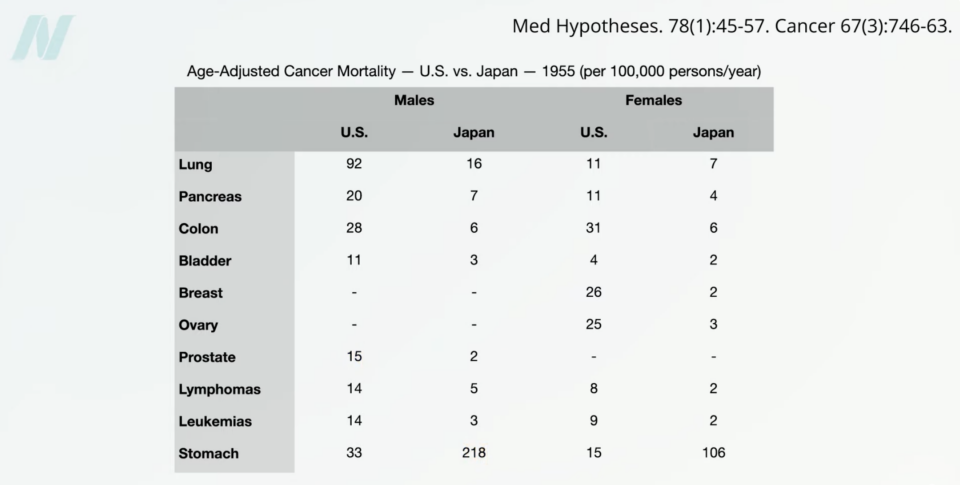
For decades, Japan has stood as a global paragon of health and longevity. Boasting the highest life expectancy in the world while maintaining a healthcare expenditure that is a mere fraction of that seen in other high-income nations, the country has long been the subject of intense scientific scrutiny. Much of this enviable health profile—characterized by remarkably low rates of coronary artery disease and a reduced incidence of many common cancers, including those of the colon, breast, prostate, and bladder—is widely attributed to the traditional Japanese diet. Yet, within this narrative of nutritional success, there exists a striking and persistent "Achilles’ heel": an alarmingly high rate of stomach cancer.
This statistical anomaly presents a complex medical puzzle. While a Japanese man might face a significantly lower risk of developing prostate cancer compared to his American counterpart, he is simultaneously six times more likely to develop cancer of the stomach. Researchers have spent years attempting to reconcile these disparate figures, questioning whether a diet so ostensibly beneficial for the heart and longevity could harbor hidden, potent carcinogens.
The Search for the "Achilles’ Heel"
Initial theories regarding the source of this cancer burden emerged in the 1970s, with investigators pointing toward the traditional processing of white rice. The hypothesis suggested that talc, used to polish the rice to a glossy finish, might be a contributing factor. This theory drew a parallel to concerns surrounding the use of talcum powder in hygiene products—a topic that has since resulted in significant legal ramifications for manufacturers like Johnson & Johnson. However, when applied to the context of gastric oncology, the talc theory failed to hold up under rigorous scrutiny. Researchers concluded that the polishing agent was not the primary driver of the elevated stomach cancer rates observed in Japan.
Another common assumption was that the trend was simply a product of genetics. This, too, was quickly debunked. Longitudinal studies focusing on Japanese migrants have consistently shown that as these individuals and their subsequent generations adopt more "Westernized" diets and lifestyles, their stomach cancer rates decline. This clear correlation indicates that the root cause is rooted in environmental and dietary choices rather than an immutable biological predisposition.
The Role of H. Pylori
The most well-established risk factor for stomach cancer remains Helicobacter pylori (H. pylori), a bacterium that colonizes the lining of the stomach. This organism is classified as a Group 1 carcinogen, representing the highest level of scientific certainty that it is a direct cause of cancer in humans. H. pylori thrives by inducing chronic inflammation of the gastric mucosa, a state that, over time, can lead to the cellular transformations necessary for cancer development.
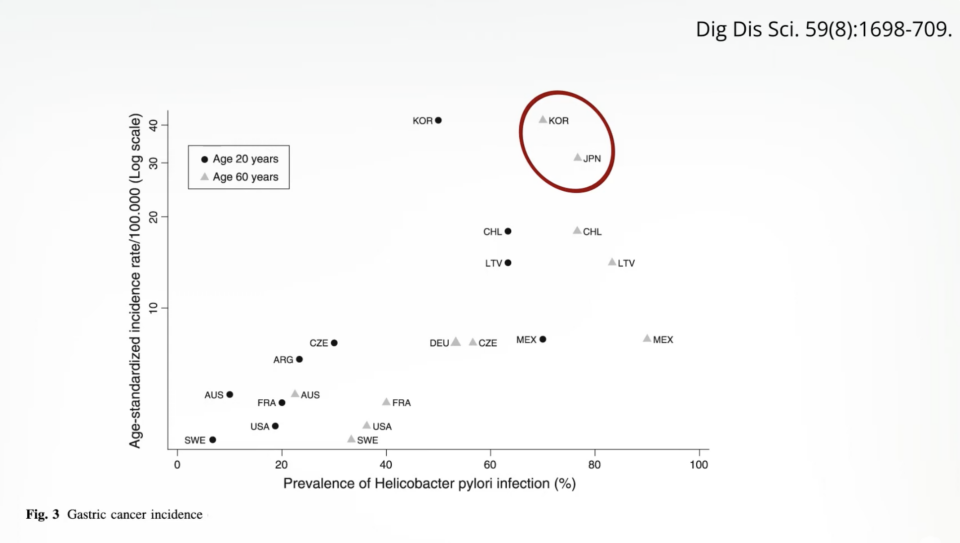
It is well documented that Korea and Japan suffer from both the highest rates of stomach cancer and some of the highest incidences of H. pylori infection globally. For years, this association was considered the "case closed" explanation for the prevalence of the disease in these regions. However, the simplicity of this narrative began to unravel as scientists identified what has become known as the "African enigma" and the "Indian enigma."
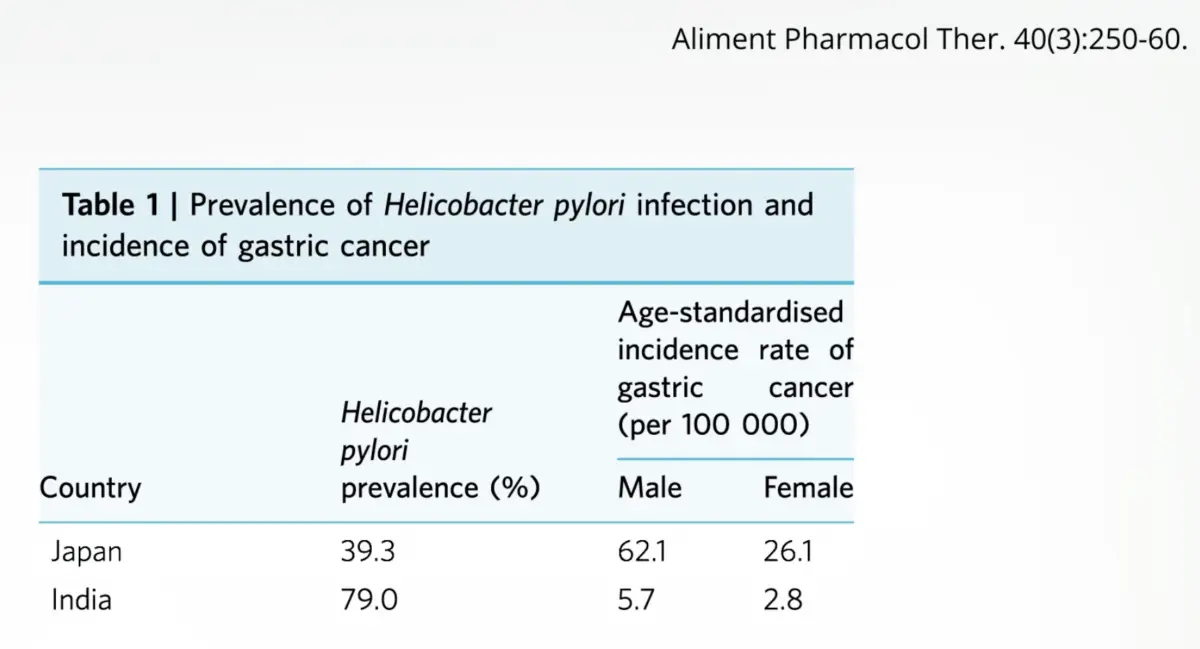
In Nigeria, for instance, populations show high levels of H. pylori infection, yet they experience only a fraction of the stomach cancer rates found in Japan. Even more confounding is the data from India, where the prevalence of the bacterium is twice as high as in Japan, yet the incidence of stomach cancer is ten times lower. These disparities make it clear that while H. pylori is a critical factor, it cannot, by itself, account for the gastric cancer epidemic in East Asia.
The Co-Factor Hypothesis
The scientific consensus has shifted toward the understanding that H. pylori acts as an initiator, creating a state of chronic inflammation that increases the stomach lining’s susceptibility to other, secondary insults. Given that roughly half of the global adult population is infected with H. pylori—yet the vast majority do not develop cancer—it is evident that specific co-factors in the Japanese and Korean environments must be amplifying the carcinogenic potential of the infection.
Attention has turned to the traditional methods of food preservation, specifically the heavy reliance on salt-cured, fermented foods. Comparative studies examining Asian populations with similar H. pylori rates have highlighted a significant divide: those who consume high quantities of preserved, salted fish and vegetables exhibit higher cancer risks, while those whose diets are rich in fresh fruits and vegetables see their risk reduced by as much as 85 percent.
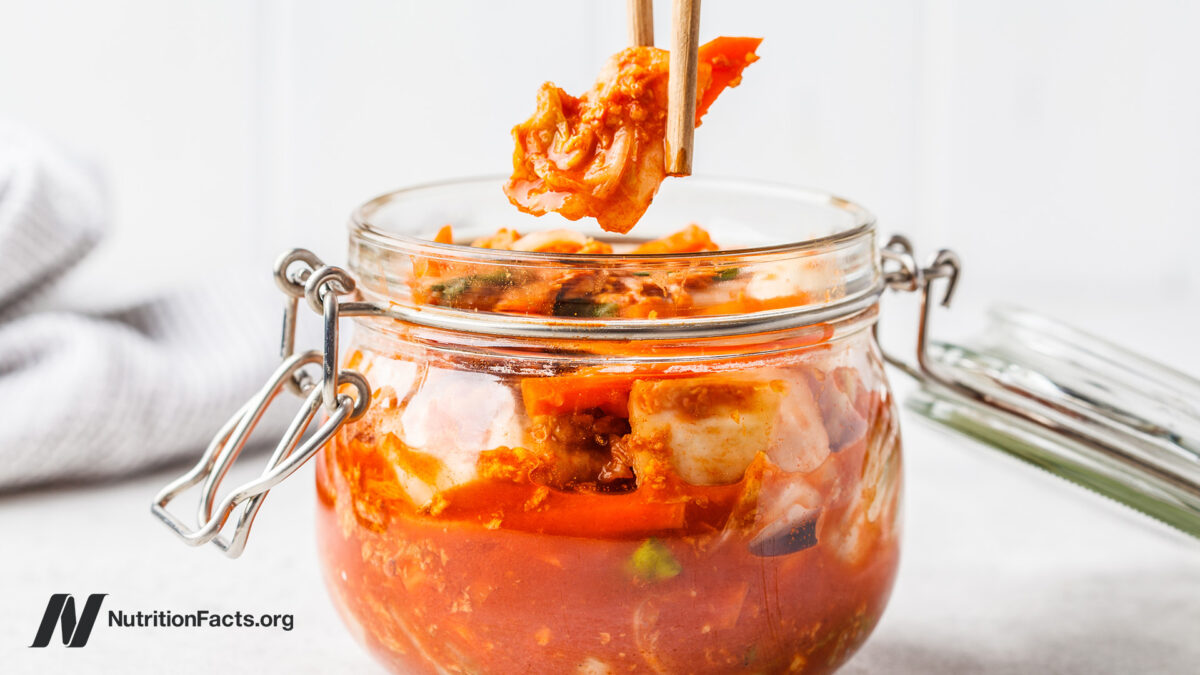
The consumption of pickled vegetables is particularly suspect. A comprehensive review of 60 studies found a consistent link between pickled food consumption and stomach cancer, with the association being more pronounced in Korea than in Japan. This is likely tied to the per-capita intake of salt-fermented vegetables, such as kimchi, which is estimated to be five to eight times higher in Korea.
Laboratory evidence has bolstered these findings, demonstrating that extracts from pickled vegetables can induce direct DNA damage in cell cultures. Clinical observations further support this: in a study conducted in Vancouver, researchers observed that participants who consumed 30 ounces of pickled vegetables over three days showed moderate to severe tissue abnormalities in their stomach linings. In contrast, biopsies taken from individuals who consumed fresh cucumbers or carrots remained entirely normal.
The Protective Role of Soy
While the preservation methods pose a clear risk, other elements of the Japanese diet appear to provide a robust defense. The consumption of non-fermented soy products—such as tofu, edamame, and soymilk—is strongly linked to a lower risk of stomach cancer. This protective effect is attributed to the presence of isoflavone compounds, which possess powerful antioxidant and anti-inflammatory properties. Interestingly, this benefit does not extend to fermented soy products, even those that are highly salted, such as miso.
The role of salt itself is complex. While it is not classified as a direct carcinogen, it acts as a mechanical and chemical agitator. High salt intake can erode the stomach’s protective mucus layer, facilitate deeper H. pylori colonization, and enhance the penetration and formation of other carcinogens within the stomach. In the Japanese context, this effect appears to be most potent in individuals already battling the inflammation caused by H. pylori.
Moving Toward Eradication
Currently, the clinical standard for managing H. pylori infection involves a rigorous, multi-drug antibiotic regimen. However, the scientific community is increasingly interested in whether dietary interventions could offer a more sustainable, natural approach to eradicating the bacterium or mitigating the inflammatory damage it causes.
As researchers continue to dissect the relationship between traditional dietary patterns and gastric health, the focus is shifting from simple identification of risks to identifying the specific foods that can act as therapeutic agents. The goal is to retain the health benefits that have made the Japanese diet a global model, while addressing the specific nutritional hazards that have left this distinct vulnerability in its wake. Future inquiries are now turning to the potential for dietary components to actively combat the bacteria, offering a new frontier in the prevention of one of the world’s most persistent health challenges.