
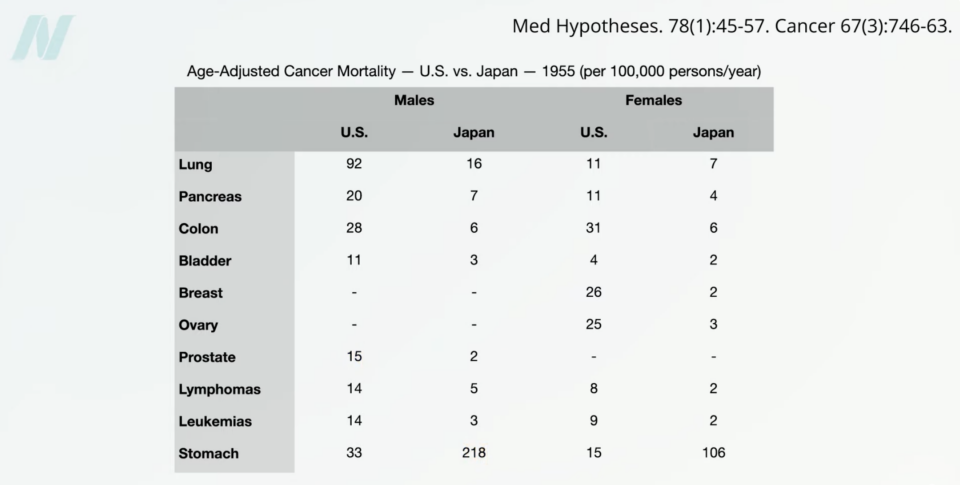
For decades, the global health community has looked to Japan as a blueprint for longevity. Consistently boasting the highest life expectancy in the world while maintaining a healthcare expenditure that is a mere fraction of what other high-income nations spend, Japan serves as a compelling case study in public health success. This extraordinary record of longevity is frequently linked to traditional Japanese dietary patterns, which are credited with fostering significantly lower rates of coronary artery disease and a remarkably low incidence of various common malignancies, including cancers of the colon, breast, prostate, and bladder. Yet, within this narrative of health, there exists a profound and troubling contradiction: Japan faces some of the highest rates of stomach cancer in the world.
This discrepancy presents an "Achilles’ heel" in an otherwise celebrated dietary profile. To put the scale of this health burden into perspective, consider that while Japanese men may experience prostate cancer rates roughly seven times lower than their counterparts in the United States, they suffer from stomach cancer at a rate six times higher. This stark inversion of cancer risk has puzzled researchers for generations, sparking a long-standing quest to identify the precise environmental or dietary triggers responsible for this gastric anomaly.
The Search for an Etiology: From Rice Polishing to Microbial Agents
Early theories regarding this high incidence of stomach cancer were largely speculative. In the 1970s, a prominent hypothesis suggested that the culprit might be the talc used to polish white rice, a process intended to give the grains a glossy, marketable sheen. This theory drew a parallel to the concerns surrounding talc in other medical contexts, such as its suspected link to ovarian cancer—an issue that has resulted in substantial legal liabilities for manufacturers like Johnson & Johnson. However, subsequent investigations failed to find a definitive link between rice-polishing talc and gastric malignancies.
Researchers then turned their attention toward potential genetic factors, but this path also proved to be a dead end. Studies tracking Japanese migrants and their descendants have consistently demonstrated that as these individuals adopt Westernized diets and lifestyles, their stomach cancer rates begin to decline, suggesting that the risk is rooted in external, modifiable factors rather than an inherent genetic predisposition.
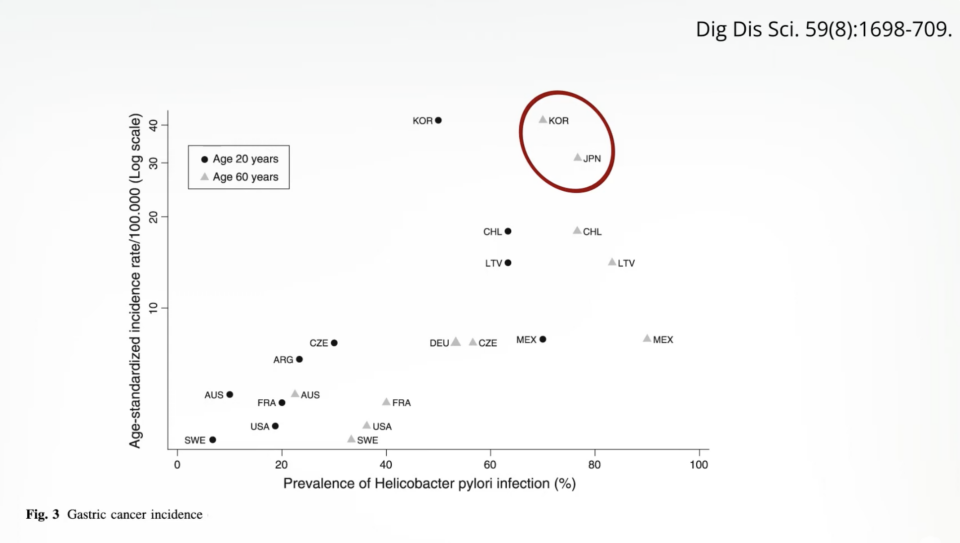
The scientific consensus eventually pivoted to the role of Helicobacter pylori (H. pylori), a bacterium that colonizes the stomach lining and induces chronic inflammation. Classified as a Group 1 carcinogen—the highest level of certainty in medical classification—H. pylori is widely accepted as a primary driver of gastric cancer. Data from both Korea and Japan, which consistently report the highest stomach cancer rates, align with these nations having some of the highest prevalences of H. pylori infection. For a time, it appeared that the mystery had been solved: infection leads to inflammation, and chronic inflammation facilitates the development of cancer.
The "Enigmas" and the Complexity of Gastric Health
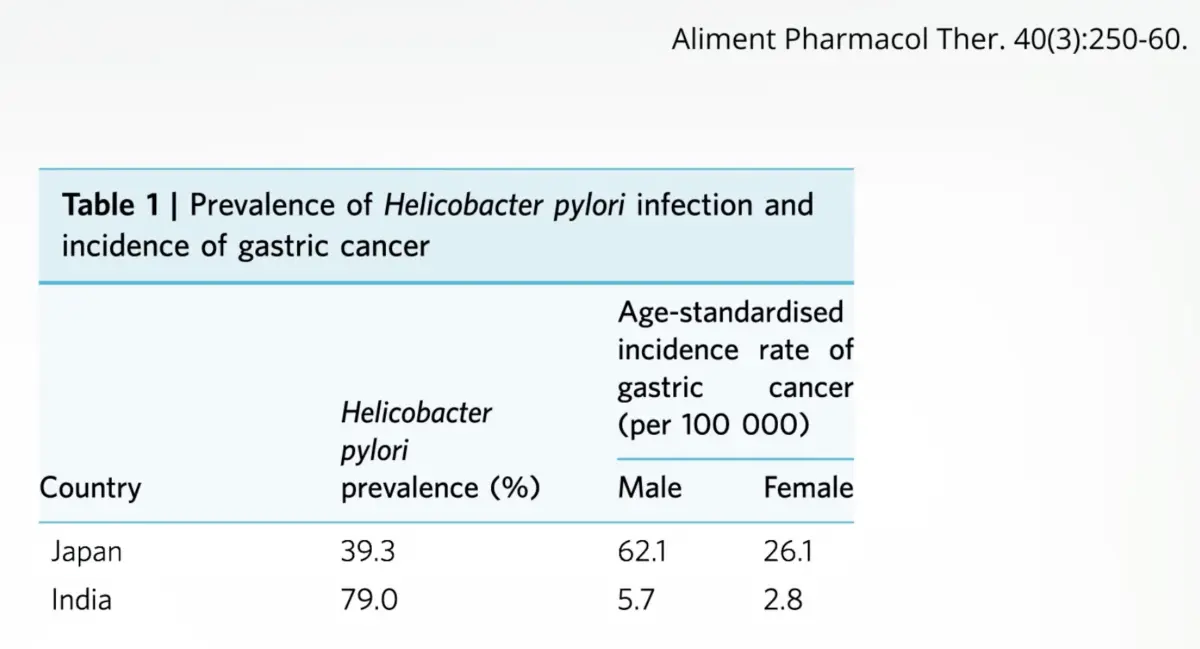
The "case closed" narrative was soon challenged by what scientists call the "African enigma." Researchers observed that countries like Nigeria experienced even higher rates of H. pylori infection than Japan, yet reported only a fraction of Japan’s stomach cancer incidence. This was followed by the "Indian enigma," where the bacterium is twice as prevalent in India as it is in Japan, yet the Indian population suffers from ten times less stomach cancer.
These contradictory findings demonstrate that H. pylori alone cannot account for the epidemic of stomach cancer in East Asia. While H. pylori is one of the most common human infections, affecting approximately half of the global adult population, the majority of those infected do not go on to develop gastric cancer. This implies that there must be significant co-factors at play in countries like Korea and Japan that exacerbate the risk. The inflammation induced by the bacteria likely sets the stage for carcinogenesis, rendering the stomach lining more susceptible to secondary insults from dietary components. The question then remains: what, exactly, is present in the Japanese and Korean diet that acts as a catalyst for this disease?
Dietary Culprits: The Role of Salt and Preservation
Comparative studies of various Asian populations—all harboring similar rates of H. pylori but varying significantly in gastric cancer outcomes—have repeatedly pointed to the consumption of preserved and salt-cured foods as a primary concern. This includes both salt-preserved fish and pickled vegetables. Conversely, the frequent consumption of fresh fruits and vegetables has been associated with an 85% reduction in the odds of developing stomach cancer. Interestingly, fresh fish consumption does not appear to be associated with an increased risk either way.
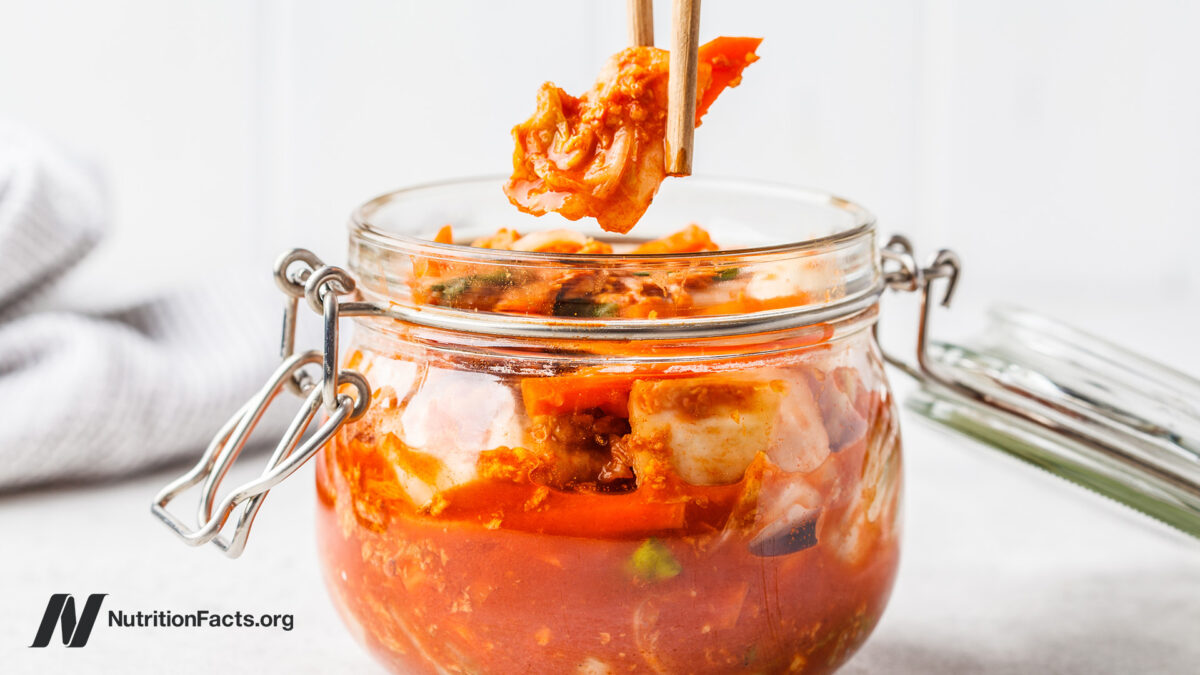
A comprehensive review of 60 studies corroborated this link, finding that the intake of pickled foods was associated with a higher risk of stomach cancer. The effect appears particularly pronounced in Korea, where the per-capita consumption of salt-fermented vegetables, such as kimchi, is five to eight times higher than in Japan.
To test this association, researchers in Vancouver conducted an experiment involving the consumption of fukujinzuke, a common Japanese condiment consisting of vegetables pickled in soy sauce, alongside pickled cucumbers. After a three-day period of consumption, biopsies of the participants’ stomach linings revealed moderate to severe tissue abnormalities suggestive of irritation. In contrast, control biopsies taken after the consumption of fresh carrots or cucumbers showed no such damage.
While salt itself is not classified as a direct carcinogen, its role in gastric health is highly detrimental. High salt intake is believed to physically damage the stomach lining, deplete the protective mucus layer, enhance the ability of H. pylori to colonize the gastric environment, and potentially catalyze the formation of other carcinogens within the stomach. Even moderately high salt intake is linked to an increased risk of stomach cancer, though in the Japanese context, this danger may be most acute for individuals already suffering from H. pylori-induced inflammation.
The Protective Potential of Soy
In contrast to the risks associated with preserved foods, the consumption of non-fermented soy products—such as tofu, edamame, and soymilk—has been linked to a reduced risk of stomach cancer in Japan. Interestingly, this protective effect does not extend to fermented soy products, such as miso, which often contain high levels of salt. The protection offered by non-fermented soy is generally attributed to the anti-inflammatory and antioxidant properties of isoflavones, compounds found naturally in soybeans that may help mitigate the cellular stress caused by infection and dietary irritants.
As the scientific community continues to move beyond the simple diagnosis of H. pylori toward a more nuanced understanding of how diet influences the gastric environment, the focus is shifting toward practical interventions. While the standard medical approach to H. pylori infection involves a rigorous course of multiple antibiotics, ongoing research is evaluating whether certain dietary adjustments might assist in managing the bacteria or reducing the inflammatory environment that leads to cancer. The interplay between traditional diets, microbial life, and modern health outcomes continues to be a critical area of study for researchers seeking to preserve the longevity benefits of Asian diets while mitigating their specific health risks.