
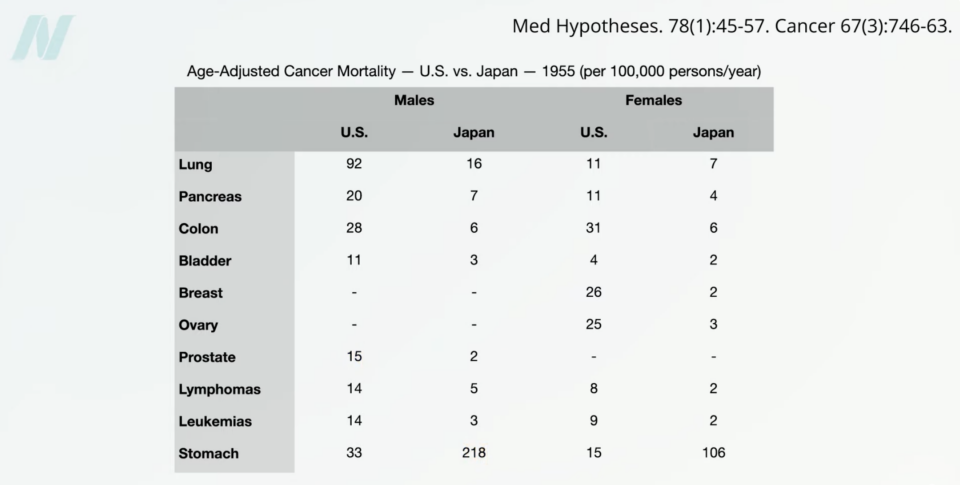
For decades, Japan has stood as a global leader in longevity, consistently boasting the highest life expectancy in the world while simultaneously managing a healthcare expenditure that remains a mere fraction of what other high-income nations spend. This remarkable public health success story has long been attributed to the nation’s unique dietary patterns. Researchers have frequently pointed to these traditional food habits as the primary driver behind Japan’s notably low rates of coronary artery disease and, historically, its remarkably low incidence of various cancers, including colon, breast, ovarian, prostate, bladder, and blood malignancies. Yet, buried within this profile of health is a persistent and troubling contradiction: Japan maintains some of the world’s highest rates of stomach cancer.
This statistical anomaly creates a complex puzzle for epidemiologists and nutrition scientists. To put the scale of this disparity into perspective, Japanese men have historically faced a risk of prostate cancer that is roughly seven times lower than that of their American counterparts, yet they suffer from stomach cancer at a rate six times higher. This glaring contrast suggests that the very diet celebrated for promoting heart health and protecting against various cancers may harbor an "Achilles’ heel" when it comes to gastric health.
The Search for a Culprit: Beyond Genetics
When scientists first began investigating this phenomenon in the 1970s, one of the leading theories focused on the processing of white rice. It was hypothesized that the talc used to polish rice grains—providing them with a signature glossy sheen—might be a carcinogenic factor. This theory drew inspiration from broader concerns about talc, which had been linked to ovarian cancer in other contexts, eventually leading to massive legal settlements involving products like Johnson & Johnson’s baby powder. However, subsequent research quickly moved away from the talc hypothesis, as it failed to demonstrate a clear or consistent link to stomach cancer.
Researchers then turned their attention to the possibility of a genetic predisposition. If the issue were purely genetic, one would expect the high rates of stomach cancer to follow Japanese populations regardless of where they lived or what they ate. However, longitudinal studies on Japanese migrants have consistently debunked this notion. Data shows that as these individuals and their subsequent generations adopt "Westernized" diets and lifestyles, their rates of stomach cancer decline significantly, mirroring the trends of their new home countries. This suggests that the environment, particularly diet, plays a far more significant role than inherited genetic factors.
The Role of H. Pylori and the Enigmas of Epidemiology
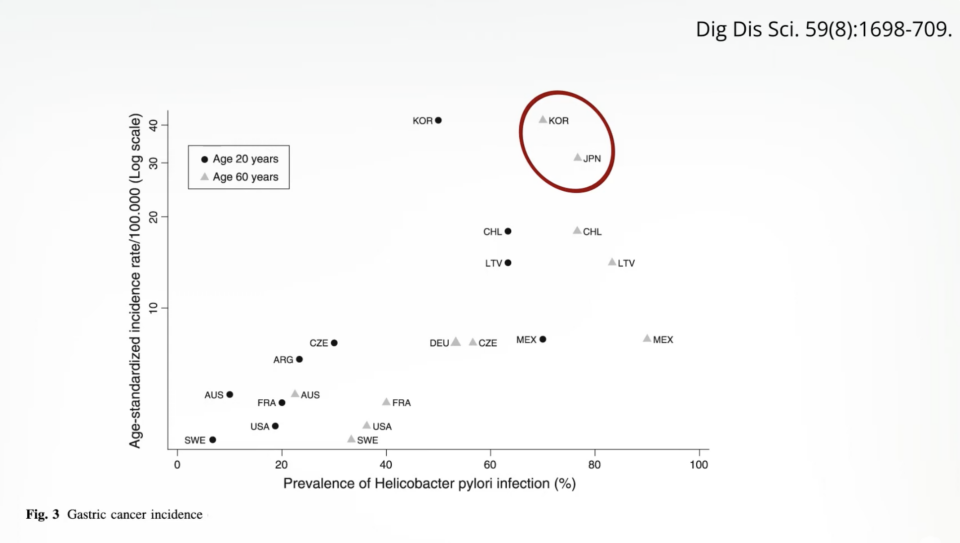
The most well-established risk factor for stomach cancer is Helicobacter pylori, a bacterium that colonizes the stomach lining and triggers chronic inflammation. Over time, this persistent state of irritation can lead to the development of cancerous lesions. The medical community classifies H. pylori as a Group 1 carcinogen, a designation that signifies the highest level of certainty regarding its role in causing human cancer. It is no coincidence that Japan and Korea, both of which have the highest rates of stomach cancer, also exhibit some of the highest incidences of H. pylori infection worldwide.
For a time, this connection seemed to close the case. The narrative appeared straightforward: infection leads to inflammation, which in turn leads to cancer. However, the discovery of what researchers call the "African enigma" challenged this simple causal link. Countries such as Nigeria report exceptionally high rates of H. pylori infection, yet they experience only a fraction of the stomach cancer rates observed in Japan.
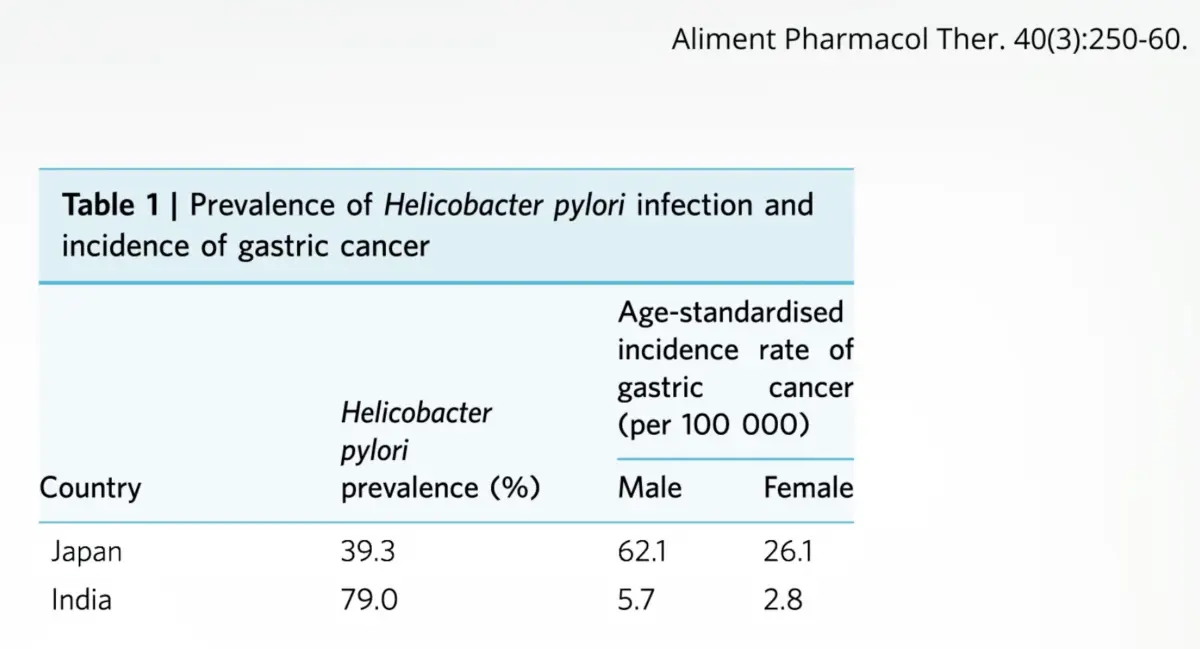
This mystery deepened with the "Indian enigma." In India, the prevalence of H. pylori is estimated to be twice as high as it is in Japan, yet the incidence of stomach cancer is ten times lower. These discrepancies demonstrate that while H. pylori is a major catalyst, it is not the sole determinant of gastric cancer.
Co-factors in the Diet: Salt and Preservation
The fact that the majority of people infected with H. pylori never develop cancer—even though it is one of the most common human infections, affecting approximately half of the world’s adult population—suggests that other variables must be at play. It appears that the inflammation caused by the bacteria may merely "set the stage," creating an environment where the stomach lining becomes increasingly susceptible to other environmental or dietary carcinogens. The question then becomes: what specific elements within the traditional Japanese and Korean diets might be acting as these dangerous co-factors?
Research comparing various Asian populations with similar H. pylori rates but vastly different cancer outcomes has consistently pointed toward the heavy consumption of preserved and salted foods. This category includes both fish and vegetables. In contrast, the consumption of fresh fruits and vegetables has been associated with an 85% reduction in the odds of developing stomach cancer, while fresh fish does not appear to be a contributing factor either way.
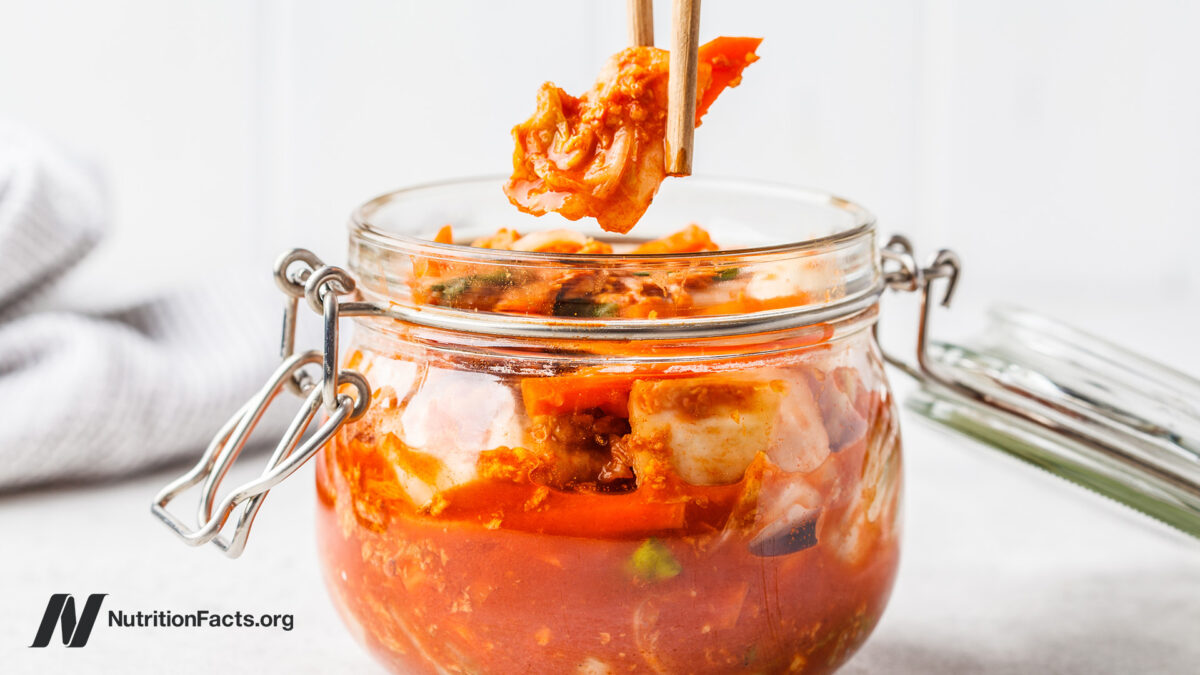
A comprehensive review of 60 studies corroborated this, finding that the intake of pickled foods is associated with significantly higher rates of gastric cancer. The correlation appears more pronounced in Korea than in Japan, which may be explained by the fact that the per-capita consumption of salt-fermented vegetables, such as kimchi, is five to eight times higher in Korea.
Clinical Evidence and the Impact of Salt
To determine if these observations could be translated into direct biological impact, researchers in Vancouver conducted a study involving human subjects. Over a three-day period, participants were fed 30 ounces of fukujinzuke (vegetables pickled in soy sauce) or pickled cucumbers. Before the study, biopsies of the participants’ stomach linings were entirely normal. Similarly, when participants consumed fresh carrots or cucumbers, their stomach linings remained healthy. However, after just a few days of consuming the pickled vegetables, biopsies revealed moderate to severe tissue abnormalities, providing clear evidence of acute stomach irritation.
The role of salt in this process is critical. While salt itself is not classified as a direct carcinogen, it acts as a powerful enabler. High salt intake can physically damage the stomach lining, thin the protective mucus layer, and facilitate deeper H. pylori colonization. Furthermore, it may enhance the penetration of other carcinogens and even promote the chemical formation of cancerous compounds within the stomach. In Japan, the risks associated with high salt intake appear to be most significant among those already suffering from the inflammation caused by H. pylori.
Conversely, the consumption of non-fermented soy foods—such as tofu, edamame, and soymilk—is consistently linked to a lower risk of stomach cancer. This protective effect is likely due to the anti-inflammatory and antioxidant properties of isoflavone compounds found in soybeans. Interestingly, this protective association is not found with fermented soy products, such as highly salted miso, reinforcing the idea that the preservation method and salt content are the primary variables of concern.
As the medical community continues to refine its understanding of how to manage H. pylori, the standard approach remains a rigorous course of antibiotics. However, given the dietary links identified in these studies, many are now looking toward nutrition as a potential strategy to mitigate risk. The ongoing investigation into how diet interacts with the gastric environment remains a vital frontier in cancer prevention.