
The human gut is far more than a simple digestive organ; it is a complex, bustling ecosystem that acts as the command center for much of our long-term health. Emerging research confirms that the composition of this microbial community is not static—it is a direct reflection of what we choose to put on our plates. Every meal acts as a signal to our gut bacteria, either cultivating a biological environment that promotes disease or one that fosters longevity and systemic wellness.
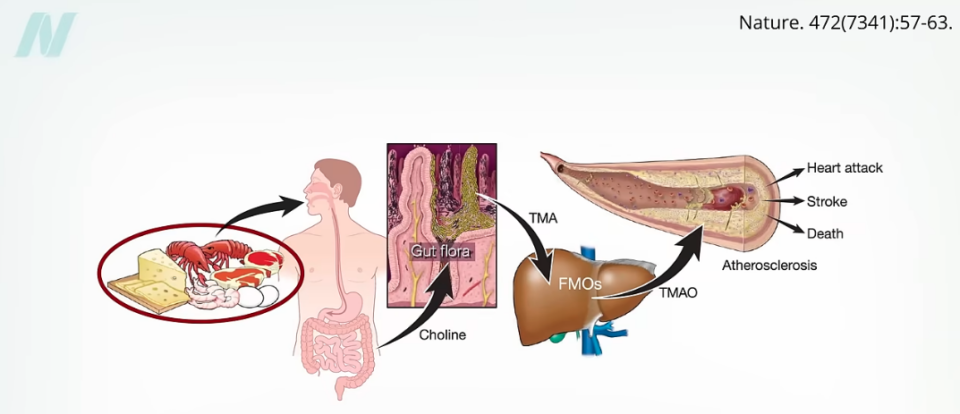
At the center of this microbial drama is a substance known as TMAO (trimethylamine N-oxide). For years, medical researchers have been piecing together the pathway by which certain dietary components, specifically carnitine and choline found in meat, seafood, dairy, and eggs, are transformed by gut flora into this toxic compound. When we consume these foods, specific populations of bacteria within our digestive tract process these nutrients, eventually producing a byproduct that enters the bloodstream. Once in circulation, TMAO has been linked to a significantly increased risk of cardiovascular events, including heart attacks, strokes, and, in severe cases, premature death.
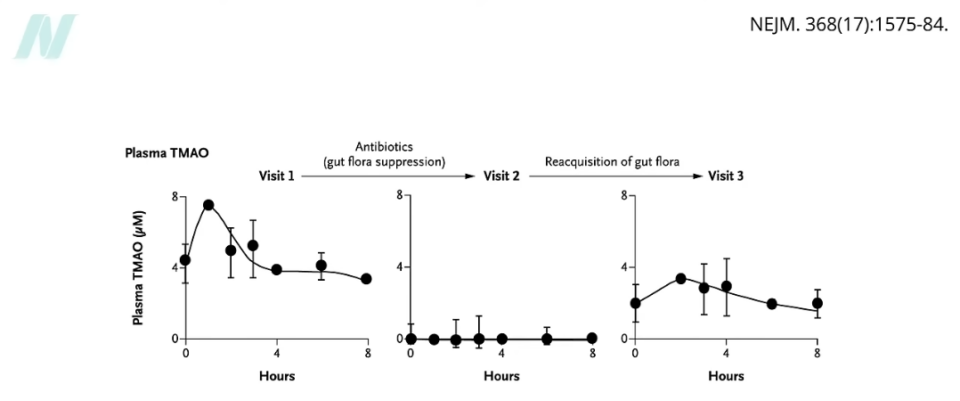
The process is remarkably specific. Clinical studies have demonstrated that when individuals consume as few as two eggs, there is a rapid and noticeable spike in TMAO levels within the bloodstream in the hours that follow. However, this phenomenon is entirely dependent on the presence of the "right" (or rather, the wrong) type of bacteria. When test subjects are treated with a course of antibiotics—effectively wiping out their gut flora—the subsequent consumption of eggs results in no TMAO production whatsoever. Because the bacteria responsible for the metabolic conversion are absent, the precursors remain inert. Yet, the danger is persistent: as the gut flora naturally recovers over the following month, the ability of the body to produce TMAO in response to eggs returns, proving that our biological vulnerability is directly linked to the microbial residents we host.
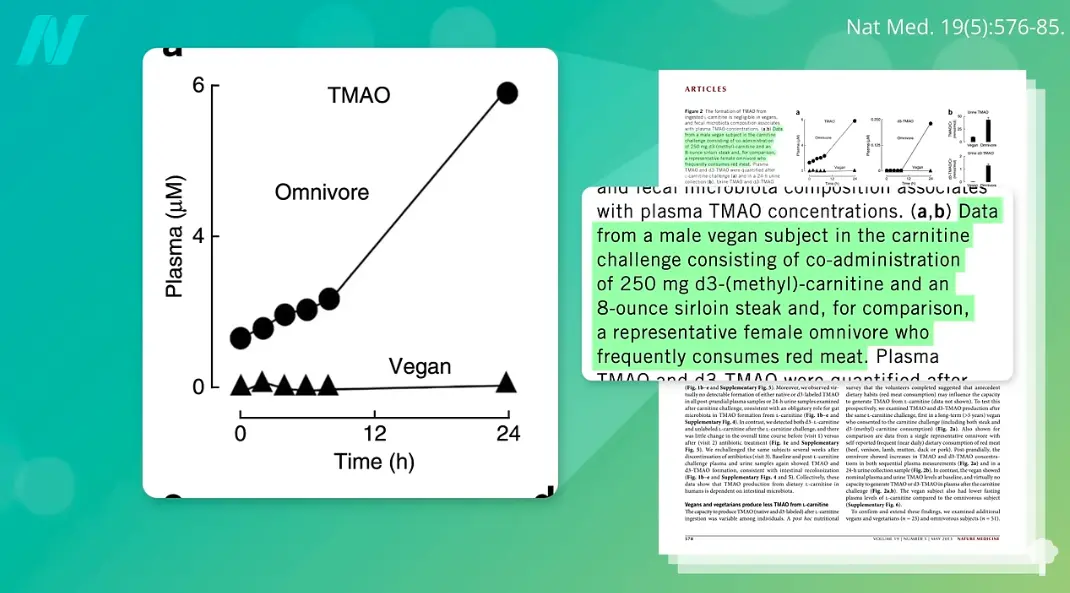
This same mechanism applies to the consumption of red meat. In studies involving the ingestion of an 11-ounce steak, researchers observed a sharp increase in blood TMAO levels, a result that mirrored the egg trials. Once again, when the gut microbiome was sterilized through antibiotic intervention, the metabolic conversion ceased. The implication is profound: developing diet-related cardiovascular complications requires a "double hit"—the presence of both the dietary precursors found in animal products and the specific populations of bacteria that thrive on those products. This explains why an individual following a strictly plant-based diet can consume a sirloin without experiencing the same surge in TMAO; they simply lack the specialized bacterial colonies required to facilitate that specific toxic transformation.
While the "meat-eating" bacteria present a clear risk, the biological ledger also has a positive side. The relationship works in reverse, and the choices we make can just as effectively cultivate a health-promoting microbiome. When we prioritize whole plant foods—such as fruits, vegetables, whole grains, beans, nuts, and seeds—our gut flora utilizes different components, specifically fiber and resistant starch, to produce short-chain fatty acids. These compounds, most notably butyrate, are potent allies in the fight against disease. They function by helping to maintain the integrity of the gut lining, effectively "sealing" it to prevent systemic inflammation. Beyond gut health, these fatty acids are associated with improved insulin sensitivity, effective weight management, and even cancer-fighting properties.
However, just as the production of TMAO requires the presence of specific bacteria, the production of beneficial short-chain fatty acids depends on both the intake of fiber and the presence of "fiber-feeding" bacteria. A revealing study on the consumption of barley kernels—specifically barley groats—showed that when individuals added approximately 30 grams of fiber and resistant starch to their daily intake, their gut bacteria flourished. Within three days, these subjects experienced a 25 percent improvement in insulin levels, meaning their bodies were able to process carbohydrates with greater efficiency and less metabolic stress.
Yet, the results were not uniform across all participants. While many saw striking improvements in blood sugar and insulin responses, others saw little change. The discrepancy lies in the presence of specific microbial players, such as the Prevotella genus. Fiber alone is not a magic bullet; the body requires the microbial machinery to process that fiber into usable health benefits. The primary way to increase the abundance of Prevotella is through consistent, long-term fiber intake. This is evident in populations living in rural Africa, where diets consist of 97 percent whole, plant-based foods. These individuals possess Prevotella levels that are exponentially higher than those observed in populations consuming standard Western diets, a difference clearly reflected in the high concentrations of short-chain fatty acids found in their systems.
In the industrialized world, habitually consuming vegetarian or vegan diets has been shown to effectively enrich these beneficial, fiber-processing bacterial communities. The data indicates a clear hierarchy of microbial composition: those who consume no animal products tend to harbor the most diverse and robust populations of fiber-feeding bacteria, while omnivores often show a different, less inflammatory-protected profile. Researchers suggest that consistent exposure to animal-based foods favors an intestinal environment that may trigger systemic inflammation and metabolic disorders, such as type 2 diabetes.
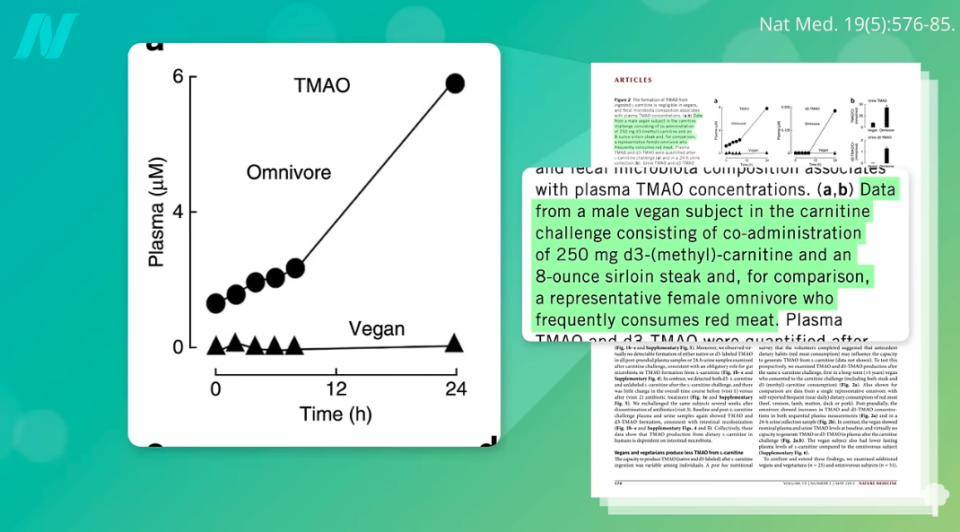
A common question is whether omnivores can "counteract" the effects of animal products by simply eating more plants. While adding fiber is always beneficial, there appear to be constraints on how much an omnivorous gut can adapt. Studies on comparative metabolomics reveal that, even when omnivores consume significant amounts of fiber, they often lack the same capacity for metabolite production as those who have cultivated a long-term, plant-based microbiome. They are essentially limited by the "machinery" available in their gut; if they have not fostered the necessary fiber-munching bacteria through a consistent, plant-heavy lifestyle, the ceiling for potential health benefits remains lower.
Conversely, those who maintain a long-term, whole-food, plant-based diet continue to cultivate a growing, diverse ecosystem of beneficial bacteria. The capacity for these microbes to support human health is expansive, provided that the diet is composed of whole, unprocessed foods rather than plant-based junk food. A diet rich in fruits, vegetables, grains, and legumes provides the substrate necessary for a thriving internal ecosystem, ensuring that the microbiome functions as a partner in disease prevention rather than a participant in metabolic decline. By understanding that our gut flora is a living, changing environment, we gain the power to influence our health outcomes through every dietary choice, effectively "planting" the seeds of future wellness with the fiber we consume today.