
Our gut flora is not a static biological feature; rather, it is a dynamic, evolving ecosystem that is fundamentally determined by the foods we choose to consume. For better or for worse, what we eat dictates the composition of the trillions of microorganisms residing within our digestive tract. Emerging research into the metabolic pathways of these gut microbes has revealed that our dietary habits do more than just provide fuel for our bodies—they actively participate in the production of compounds that can either safeguard our long-term health or significantly increase the risk of chronic, life-threatening conditions.
The Mechanism of TMAO: From Food to Toxicity
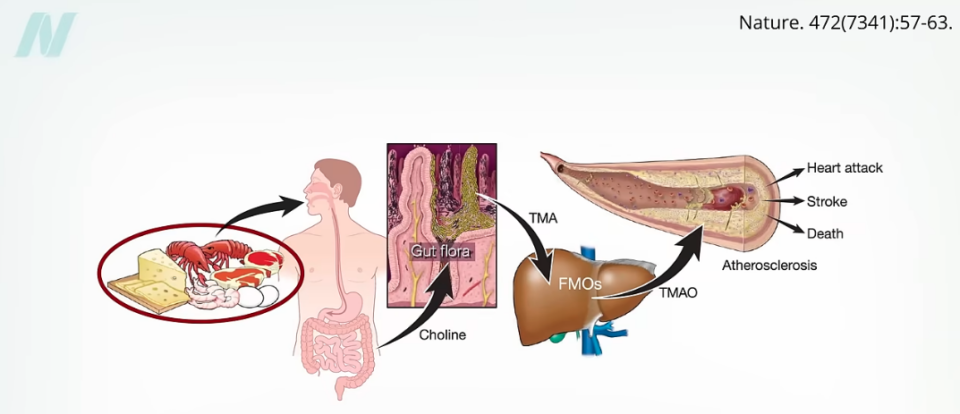
A critical area of recent study involves the conversion of specific dietary components—namely carnitine and choline—into a toxic compound known as trimethylamine N-oxide, or TMAO. Found in abundance in meat, seafood, dairy, and eggs, these precursors are processed by our gut flora, triggering a chemical cascade that has been linked to an increased risk of heart attack, stroke, and cardiovascular mortality.
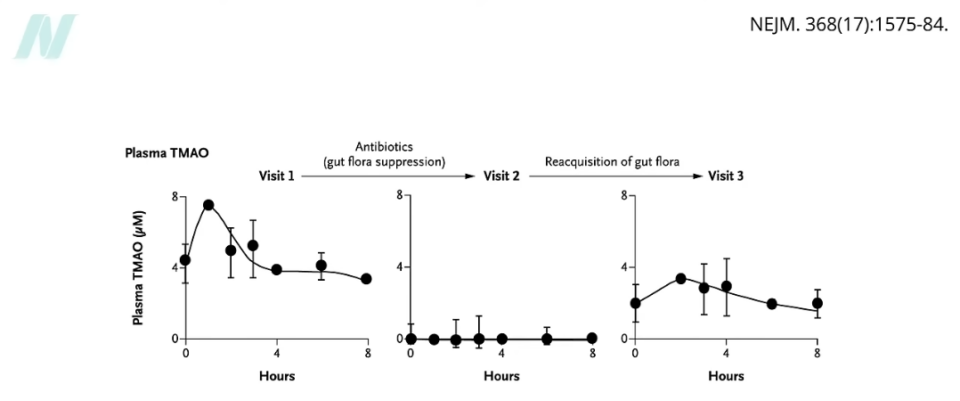
The process is remarkably direct. When an individual consumes two eggs, for example, researchers have observed a distinct spike in TMAO levels within the bloodstream in the hours immediately following the meal. This is not a universal physiological response, however. The process relies heavily on the specific bacterial makeup of an individual’s gut. In controlled studies, when participants were administered a course of antibiotics to temporarily eliminate their gut flora, the subsequent consumption of eggs resulted in no rise in TMAO. The bloodstream remained clear of the toxin because the "egg-eating" bacteria responsible for the conversion had been temporarily eradicated. Yet, once the gut bacteria were allowed to recolonize over the course of a month, the body’s ability to produce TMAO in response to egg consumption returned, demonstrating that the presence of these specific microbes is the essential bridge between the food we eat and the toxic byproduct that develops.
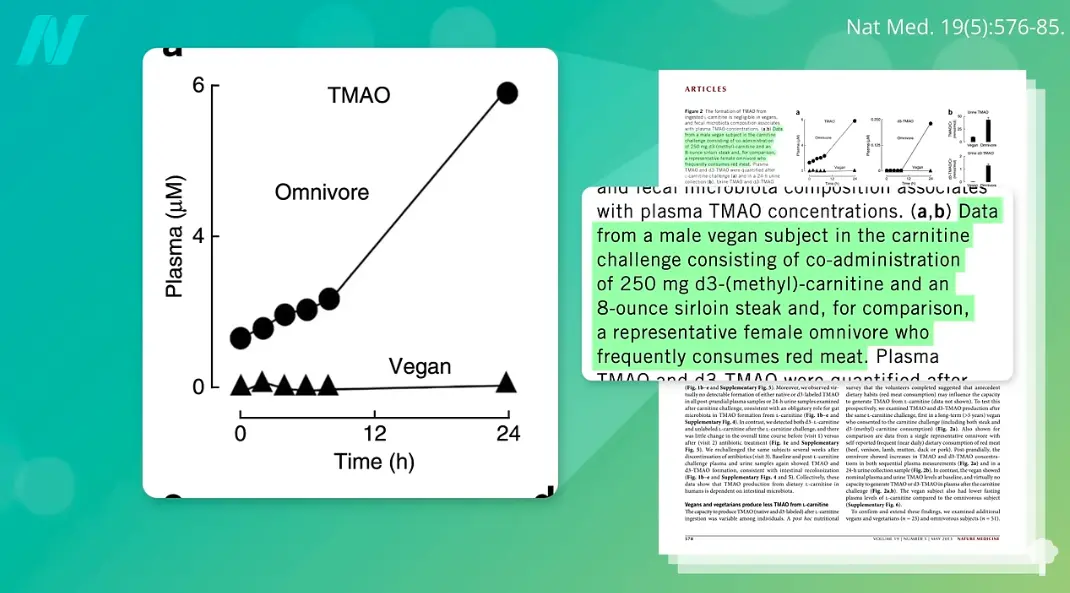
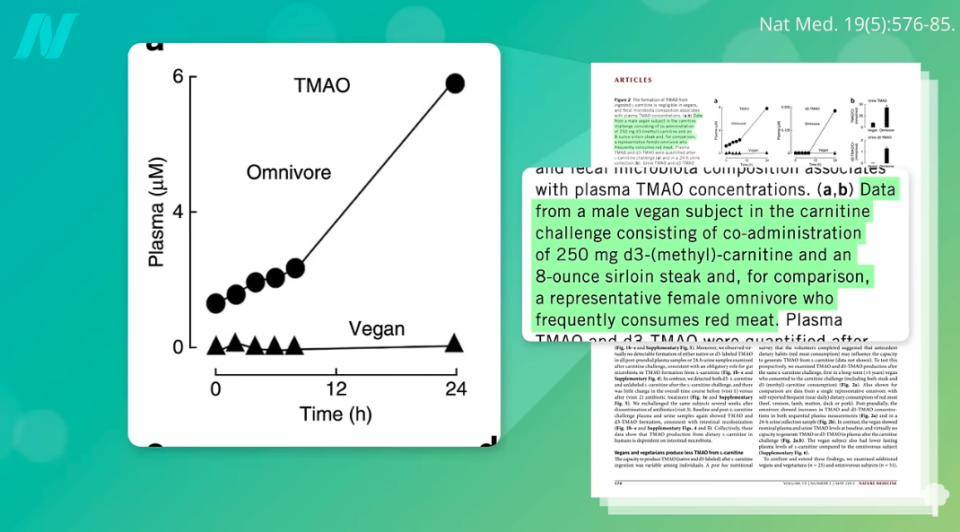
This phenomenon is not limited to eggs. Research indicates that the same metabolic pathway occurs with red meat. When subjects consume the equivalent of an 11-ounce steak, TMAO levels typically surge. However, as with the egg experiments, if that same amount of meat is consumed after a week-long course of antibiotics, the spike is neutralized. This underscores a vital reality: the development of diet-related cardiovascular issues requires the presence of both the dietary precursor and the specific, "meat-eating" microbial machinery capable of processing it. This explains why an individual who adheres to a strict vegan diet can consume a sirloin without producing the same levels of TMAO; they simply lack the specific, animal-product-metabolizing bacterial colonies in their gut.
The Protective Power of Plant-Based Nutrition
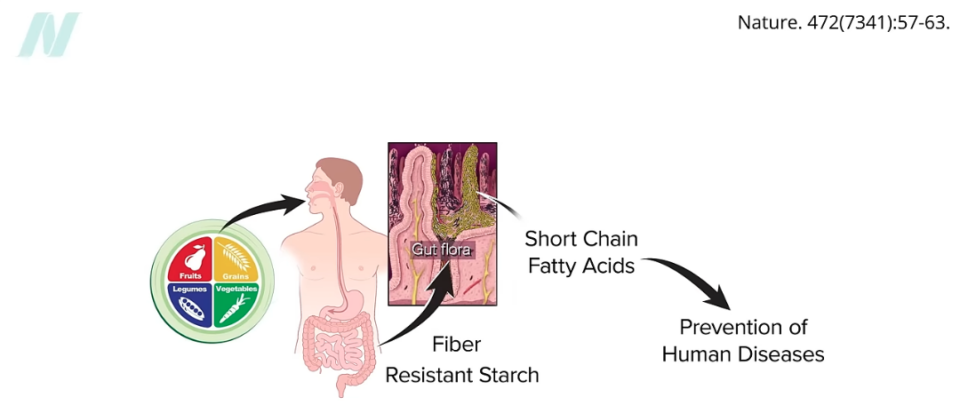
While the conversation around gut health often focuses on the dangers of certain bacterial metabolites, it is equally important to recognize that this metabolic relationship functions in the opposite direction. When we prioritize whole plant foods—such as fruits, vegetables, whole grains, beans, nuts, and seeds—our gut flora utilizes different components, specifically fiber and resistant starch, to produce short-chain fatty acids. Unlike the potentially toxic TMAO, these fatty acids act as powerful health-promoting agents.
The benefits of short-chain fatty acids like butyrate are significant and well-documented. They are known to help maintain the integrity of the gut lining, potentially preventing "leaky gut" syndrome, while simultaneously fighting systemic inflammation, assisting in weight management, improving insulin sensitivity, and contributing to cancer prevention. Just as the production of TMAO requires the right dietary precursors and the corresponding microbes, the production of these beneficial fatty acids relies on a dual-requirement: the intake of adequate fiber and the presence of "fiber-feeding" bacteria.
The impact of this dietary shift can be rapid. In studies involving the consumption of whole intact grains, such as barley kernels or groats, participants saw improvements in insulin sensitivity by as much as 25% within just three days. By consuming an additional 30 grams of fiber and resistant starch, the participants’ gut bacteria became more active, producing higher concentrations of short-chain fatty acids. This allowed their bodies to manage blood sugar spikes with significantly lower insulin production, demonstrating a profound metabolic benefit.
The Role of Microbial Diversity and Long-Term Diet
It is important to note that individual responses to fiber intake can vary. While some people experience significant, immediate improvements in blood sugar and insulin metrics, others may find the same amount of fiber produces less dramatic results. This disparity often boils down to the specific bacterial composition of the gut. Fiber alone is not always enough; the presence of fiber-fermenting bacteria, such as the genus Prevotella, is essential for the full expression of these benefits.
Evidence suggests that Prevotella abundance is directly correlated with long-term fiber intake. This is starkly illustrated by studies comparing the gut biomes of rural African children, who consume a diet consisting of approximately 97% whole, plant-based foods, to children in industrialized nations eating a standard Western diet. The rural cohorts exhibit "off-the-charts" levels of Prevotella and significantly higher concentrations of beneficial short-chain fatty acids in their waste products. Conversely, the industrialized world has seen a shift in gut microbial composition that often favors the processing of animal-based foods, which may explain why omnivores frequently present with worse inflammatory profiles compared to vegetarians.
Researchers suggest that regular exposure to animal-derived foods may cultivate an intestinal environment that is more prone to triggering systemic inflammation and metabolic disorders, including type 2 diabetes. The reduced levels of inflammation associated with a plant-based gut microbiota may, in fact, be the key factor in the protective health outcomes observed in populations that prioritize plants.
One might ask if a meat-eater could simply increase their fiber intake to gain these benefits. However, studies indicate there are "constraints on diet-dependent gut microbiota metabolite production." While a person who eats meat can certainly increase their fiber intake, they may be physically limited by the lack of sufficient fiber-munching microbial machinery. The "machinery" required to convert fiber into health-promoting metabolites is built over time through consistent, habitual intake of plant-based foods.
At low levels of fiber consumption, the more fiber one eats, the more beneficial short-chain fatty acids are produced. However, there is a ceiling; eventually, the available fiber-feeding bacteria become maxed out. For those who have cultivated a diverse, plant-based microbiome over the long term, this capacity is much higher. A whole-food, plant-based diet acts as a fertilizer for a diverse ecosystem of beneficial bacteria, fostering an internal environment that supports not just the gut microbiome, but overall systemic health. This serves as a reminder that the health of our internal ecosystem is an ongoing, cumulative project, shaped by every meal we choose to eat.