
The intricate relationship between what we eat and the microscopic ecosystem residing within our digestive tracts is increasingly becoming a focal point of modern nutritional science. Emerging research suggests that our gut flora—the vast, complex community of bacteria inhabiting our intestines—is not merely a passive byproduct of our diet but a dynamic, active participant in our long-term health outcomes. Whether our gut environment acts as a safeguard against disease or a catalyst for chronic illness depends heavily on the fuel we provide it.
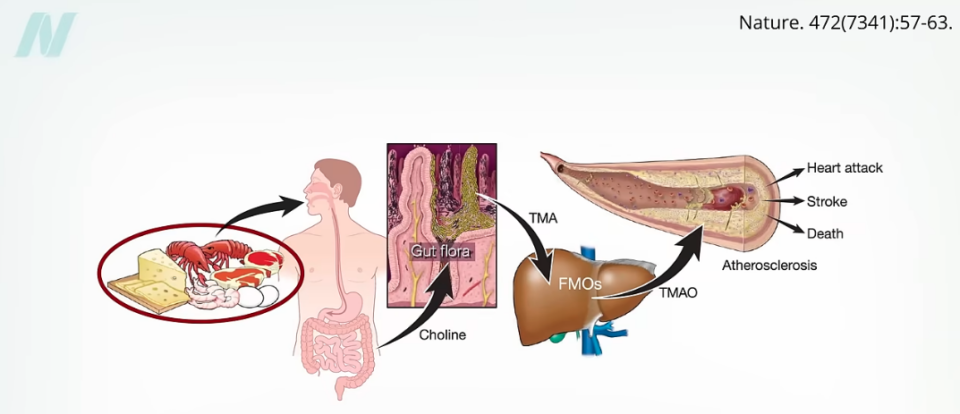
At the center of this biological exchange is the production of metabolic compounds that can have profound effects on the human body. When we consume animal products, including meat, seafood, dairy, and eggs, we introduce specific components—namely carnitine and choline—into our systems. Once these compounds reach the gut, they serve as fuel for certain strains of bacteria that process them into a metabolic byproduct known as trimethylamine N-oxide, or TMAO.
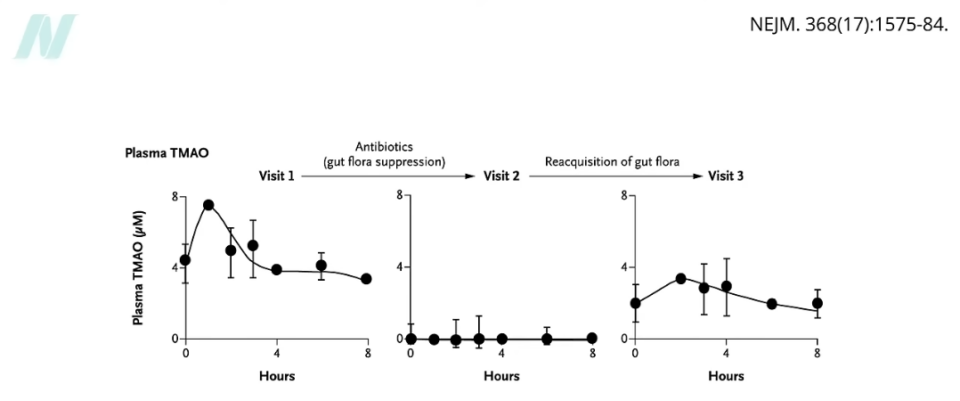
The clinical significance of TMAO cannot be overstated. Scientific evidence has increasingly linked elevated levels of this toxic compound in the bloodstream to an increased risk of heart attacks, strokes, and premature death. The mechanism is a clear example of how our dietary choices dictate the metabolic profile of our internal environment. When a person consumes two eggs, for instance, researchers have observed a significant spike in blood TMAO levels within hours. This reaction is not a universal physiological necessity but a direct result of the specific microbial population present in the gut.
The evidence for the role of gut bacteria in this process is strikingly demonstrated by experimental trials involving antibiotics. When subjects are treated with a course of antibiotics—effectively "resetting" or wiping out their gut flora—and are subsequently fed two eggs, the expected surge in TMAO does not occur. Because the specific bacteria responsible for metabolizing the egg components have been depleted, the harmful byproduct is not produced. However, this protective effect is temporary; as the gut microbiome gradually recovers over the following month, the capacity to produce TMAO returns in tandem with the regrowth of these specific bacteria.
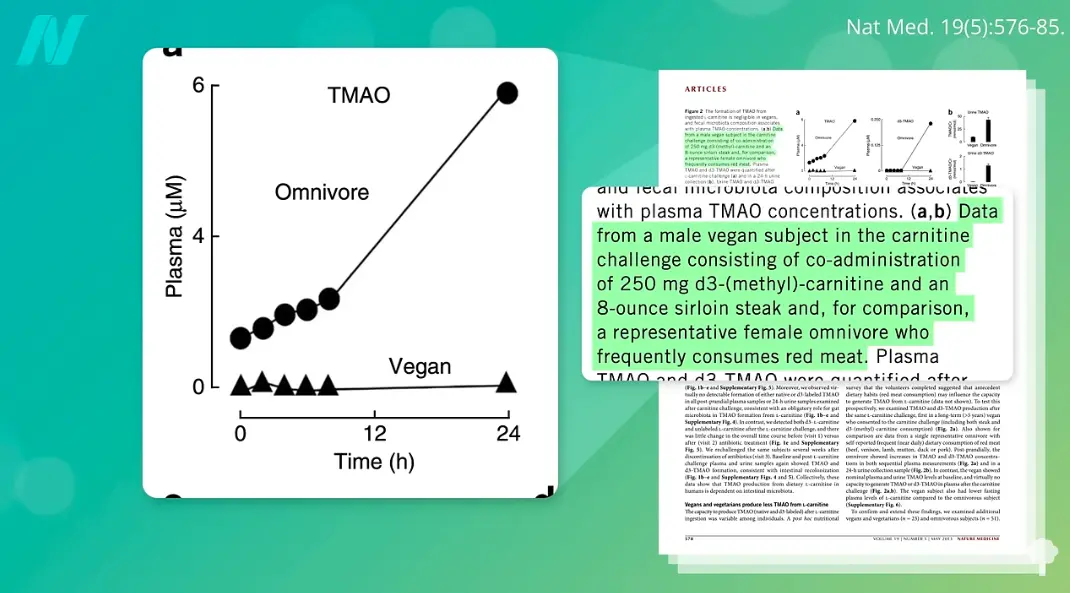
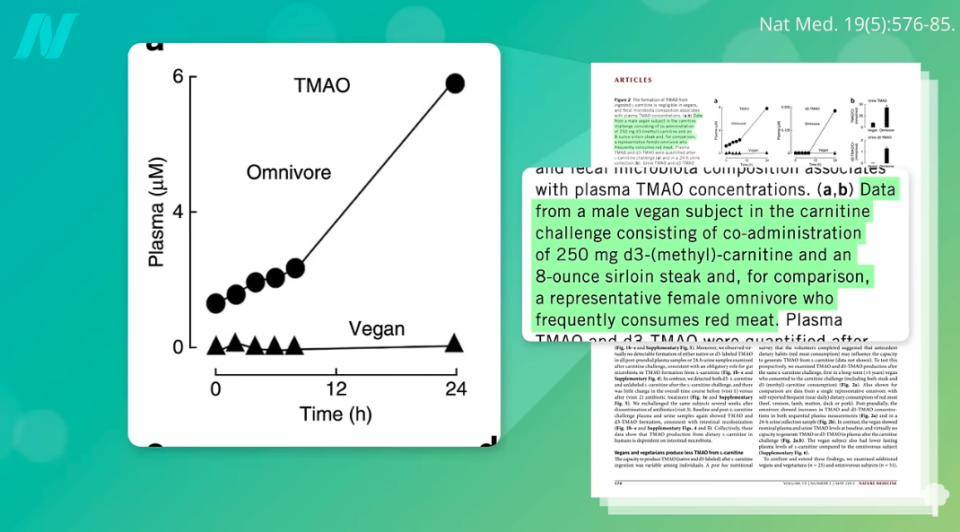
A similar dynamic is observed with the consumption of red meat. In studies where participants are fed large portions, such as an 11-ounce steak, blood TMAO levels rise predictably. Yet, when the same experiment is performed after a week of antibiotic treatment, the spike is neutralized. These findings indicate that the development of diet-related cardiovascular risk factors requires a "double hit": the presence of the substrate in the food and the presence of the specific microbial machinery in the gut capable of converting it. This explains why an individual following a strictly vegan diet can consume a sirloin steak without producing a surge in TMAO; they simply lack the specific colonies of "meat-eating" bacteria that have been cultivated by regular, long-term consumption of animal products.
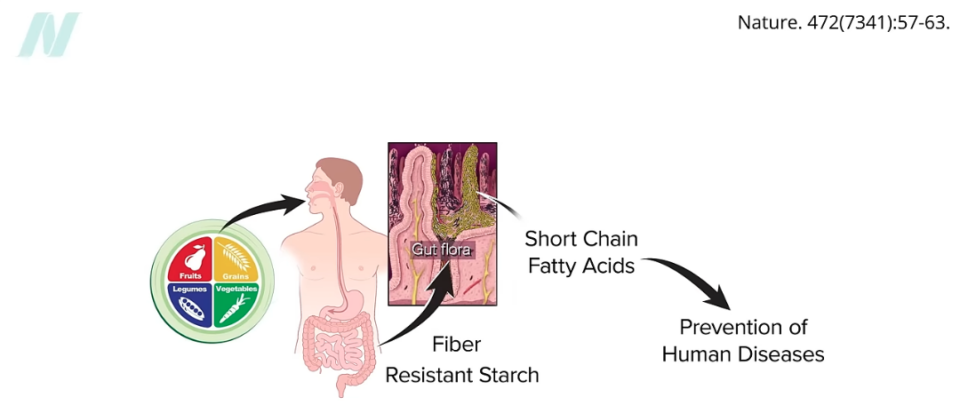
While this may be well-trodden territory for those who have closely followed nutritional research over the last decade, the implications are profound. Crucially, this mechanism operates in the opposite direction as well. When we prioritize whole plant foods—such as fruits, vegetables, whole grains, beans, nuts, and seeds—we provide our gut flora with fiber and resistant starch. These components are processed by beneficial bacteria into short-chain fatty acids, such as butyrate. These compounds are essentially the "good" counterpart to TMAO, acting as powerful allies in the prevention of disease.
The physiological benefits of these short-chain fatty acids are extensive. Research indicates they play a vital role in maintaining the integrity of the gut lining—often described as "sealing" a leaky gut—while simultaneously fighting systemic inflammation, improving insulin sensitivity, and assisting in weight management. Just as the production of TMAO requires both animal products and specific microbes, the production of these protective fatty acids relies on a consistent intake of fiber and the presence of "fiber-feeding" bacteria.
The transformative power of these dietary shifts can be observed surprisingly quickly. In studies focused on whole, intact grains like barley kernels, researchers found that participants who increased their intake of fiber and resistant starch saw significant metabolic improvements within just three days. These subjects experienced an average 25% improvement in insulin levels, meaning their bodies became more efficient at managing blood sugar without requiring a massive output of insulin. While this improvement was observed on average, the magnitude of the response varied between individuals.
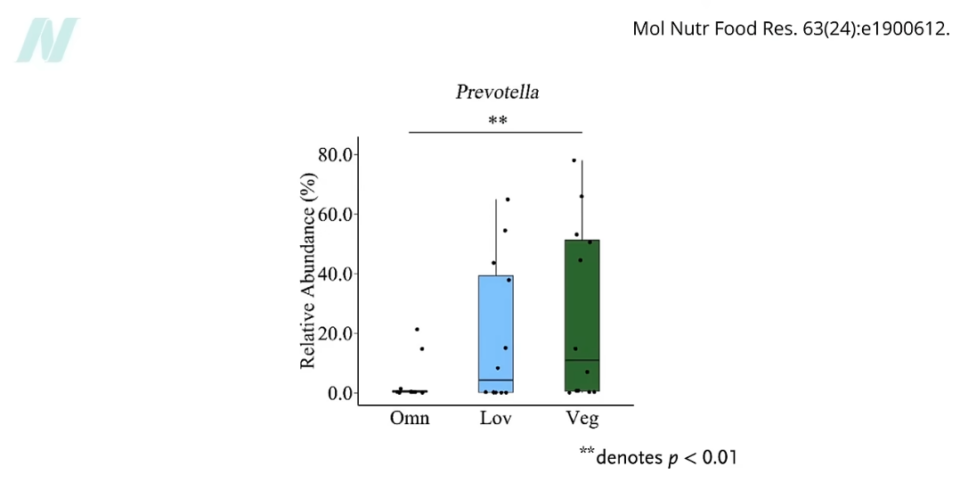
This variance is explained by the composition of the gut microbiome. Fiber intake alone is often insufficient if the necessary "fiber-feeding" bacteria, such as Prevotella, are not present in sufficient numbers. To effectively reap the health benefits of a plant-based diet, one must cultivate these specific microbial populations. Extensive data shows that Prevotella abundance is directly associated with long-term fiber intake. This is perhaps best exemplified by populations in rural Africa, where diets are composed of 97% whole plant foods. These individuals possess Prevotella levels that are significantly higher than those seen in populations consuming a standard Western diet, and this difference is clearly reflected in the high concentrations of short-chain fatty acids measured in their digestive output.
In industrialized societies, the shift toward vegetarian and vegan diets has been shown to effectively enrich the population of fiber-eating bacteria. This structural change in the gut microbiome may be a primary reason why omnivores often exhibit higher levels of systemic inflammation compared to those who follow plant-based diets. Researchers have suggested that long-term exposure to animal foods creates an intestinal environment that may trigger or exacerbate chronic, low-grade inflammation and metabolic disorders, including type 2 diabetes.
A critical question often raised is whether omnivores can simply "undo" these risks by adding more plants to their diet. Current research indicates that there are constraints on this approach. The gut microbiome is not infinitely flexible; individuals who habitually consume animal products may face limitations in their ability to ramp up the production of beneficial metabolites. Even when they increase their fiber intake, they may be limited by a lack of the specific, diverse fiber-munching microbial machinery that is only cultivated through long-term, consistent plant-based nutrition.
At lower levels of fiber intake, adding more plants usually results in a corresponding increase in short-chain fatty acid production. However, for those who do not regularly consume high-fiber diets, these bacterial populations reach a saturation point. In contrast, those who have spent years cultivating a fiber-rich gut environment appear to have a higher capacity for this beneficial production, with no clear ceiling to the potential health advantages.
It is important to distinguish that this is not an endorsement of plant-based junk food, which lacks the nutritional density required for these benefits. Rather, the evidence points toward a whole-food, plant-based diet as the most effective strategy for promoting a diverse and robust ecosystem of beneficial bacteria. By fostering this internal environment, individuals can move beyond the constraints of a Western, animal-product-heavy diet and support both the health of their gut microbiome and their overall metabolic well-being.