
The microscopic world residing within the human digestive tract is far more than a passive collection of organisms; it is a complex, responsive, and highly influential ecosystem that determines much of our long-term health. New research confirms that our gut flora is directly shaped by our dietary choices, acting as a metabolic middleman that can either transform food into life-extending nutrients or, conversely, convert common dietary components into substances that may drive chronic disease.
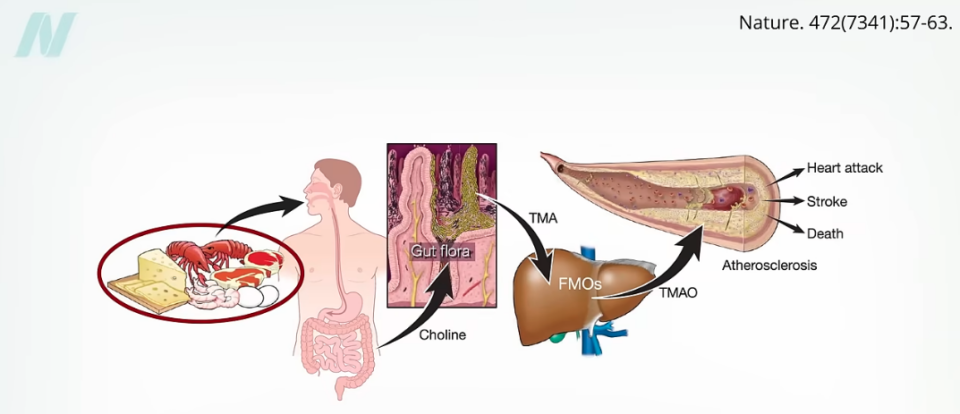
The mechanism behind this transformation is increasingly clear. When we consume animal-derived products—specifically meat, seafood, dairy, and eggs—our gut bacteria interact with specific compounds found within these foods, namely carnitine and choline. In a process that functions like a biological assembly line, these bacteria metabolize these compounds, eventually producing a toxic byproduct known as trimethylamine N-oxide (TMAO).
The clinical implications of elevated TMAO levels are significant. Mounting evidence suggests that this compound may be a potent driver of cardiovascular distress, potentially increasing the risk of heart attacks, strokes, and premature death. The process is not merely theoretical; it is a observable physiological reaction. Studies show that when individuals consume two eggs, there is a measurable spike in TMAO levels in their bloodstream within a matter of hours. This surge highlights the direct link between what we eat and the chemical landscape of our internal environment.
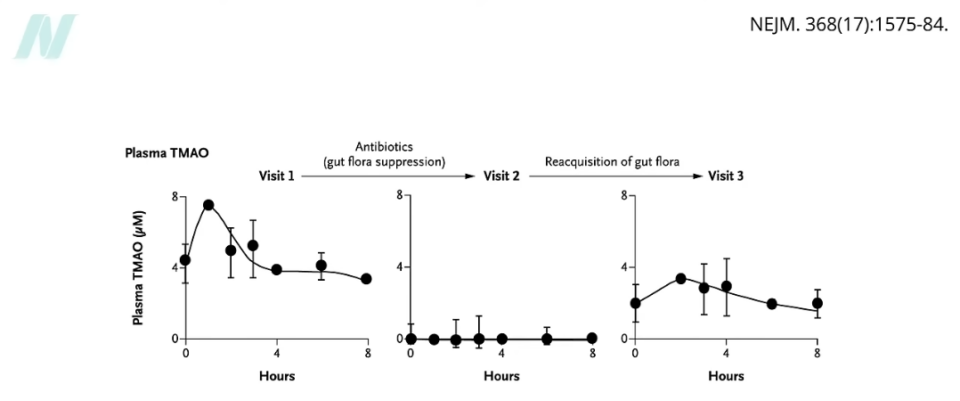
However, the role of gut bacteria in this process is perhaps the most revealing aspect of the research. When researchers administered a course of antibiotics to subjects to temporarily eliminate their gut flora, the subsequent consumption of eggs produced no measurable TMAO. Without the specific populations of bacteria required to process the choline and carnitine, the body remained unaffected. Yet, this protection was transient. Once the gut microbiome began to repopulate—a process taking roughly a month—the ability to produce TMAO returned, confirming that the presence of specific "meat-eating" or "egg-eating" bacteria is a prerequisite for this toxic metabolic pathway.
This same phenomenon is observed with the consumption of red meat. Research indicates that ingesting a significant portion of steak—the equivalent of an 11-ounce serving—leads to a sharp rise in blood TMAO levels. Just as with eggs, this response can be effectively nullified by clearing the gut of its microbial inhabitants via antibiotics. This underscores a vital, nuanced reality: developing these specific diet-related health risks requires a dual presence—the consumption of the trigger foods and the existence of the specific microbial colonies that facilitate their harmful conversion.
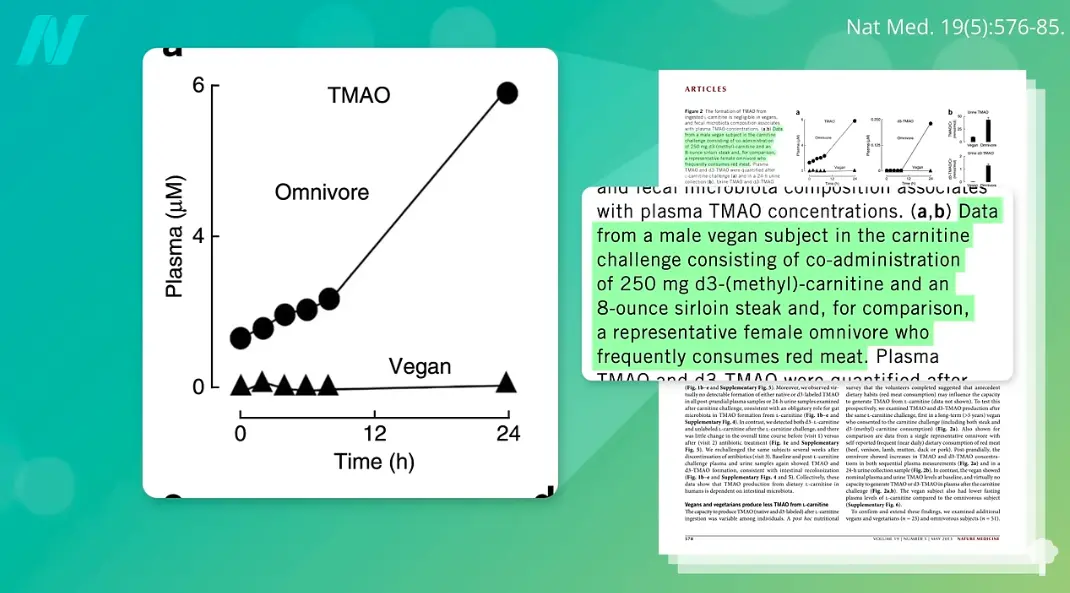
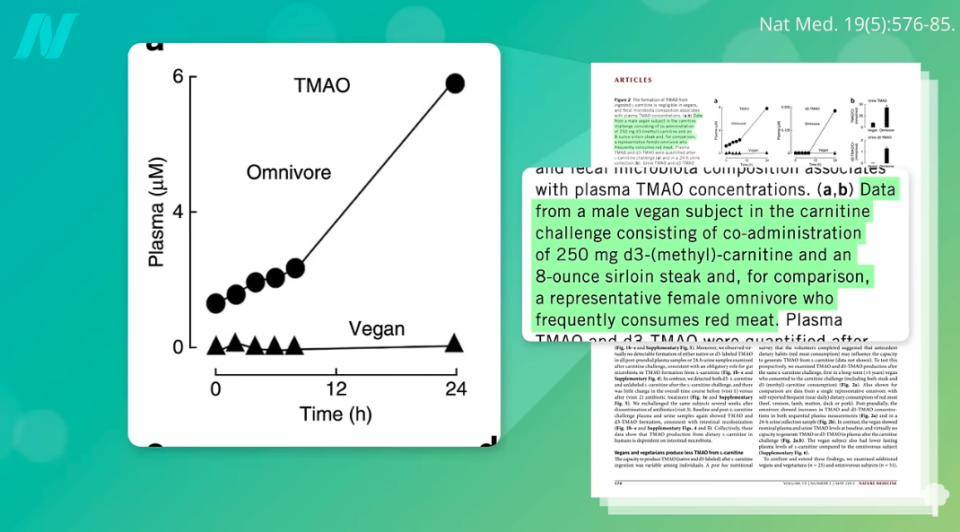
This explains a long-standing observation in nutrition science: why an individual following a strictly plant-based, vegan diet can consume a sirloin steak without producing the same TMAO spike seen in regular meat-eaters. Quite simply, they lack the specific, specialized gut flora required to perform that biochemical conversion. Their microbiome has not been conditioned by long-term exposure to animal products to host those particular species of bacteria.
While this may be well-trodden ground for those who follow nutritional research closely, it is essential to emphasize that the microbiome functions as a two-way street. The same logic applies to the benefits of a plant-rich diet. When we consume whole plant foods—such as fruits, vegetables, legumes, whole grains, nuts, and seeds—our gut bacteria interact with fibers and resistant starches. Instead of producing toxins, these bacteria produce short-chain fatty acids, such as butyrate. These compounds are essentially health-promoting metabolites that help seal a "leaky" gut, mitigate systemic inflammation, improve insulin sensitivity, assist in weight management, and bolster the body’s defenses against cancer.
The efficacy of this process, however, is similarly dependent on the presence of the right microbial partners. Much like the TMAO pathway, these protective benefits rely on both the availability of the substrate (fiber) and the presence of the fiber-digesting bacteria that can utilize it.
Evidence from clinical trials involving whole, intact grains—such as barley kernels—illustrates this perfectly. In these studies, participants who added three servings of barley groats to their daily intake saw a profound shift in their metabolic health. Within just three days of consuming an additional 30 grams of fiber and resistant starch, their gut bacteria flourished, producing a high volume of short-chain fatty acids. This shift led to a 25% improvement in insulin levels, meaning the subjects’ bodies became more efficient at managing blood sugar levels, requiring less insulin to process the same amount of carbohydrates.
Yet, this outcome is not universal. Some individuals experience remarkable improvements in insulin sensitivity and blood glucose regulation, while others see little to no change from the same fiber intake. The discrepancy lies in the individual’s microbial composition. Fiber alone is insufficient; one must also harbor the appropriate "fiber-feeding" bacteria, such as Prevotella. The abundance of Prevotella is strongly associated with long-term, consistent fiber intake.
This is starkly illustrated by comparing populations with vastly different diets. Studies of children in rural Africa, whose diets consist of nearly 97% whole, plant-based foods, show Prevotella levels that are substantially higher than those found in individuals following a standard Western diet. This difference is not merely an academic curiosity; it is reflected in the significantly higher concentrations of short-chain fatty acids found in their stool, a direct marker of a thriving, fiber-metabolizing microbiome.
In the industrialized world, habitually adopting vegetarian or vegan diets has been shown to successfully cultivate these beneficial bacteria. Research consistently demonstrates a significant difference in Prevotella abundance between those who consume meat and those who follow a plant-based lifestyle. This variation in microbial ecology may explain the disparity in inflammatory markers between the two groups. Researchers have suggested that regular exposure to animal-based foods may favor an intestinal environment that triggers systemic inflammation and contributes to insulin resistance-driven metabolic disorders, such as type 2 diabetes.
The question often arises: can an omnivore simply eat more plants to achieve the same health benefits as a vegan? The data suggests there are constraints on this. Omnivores often face limitations in their capacity for diet-dependent metabolite production. It is essentially the inverse of the vegan eating meat: even if an omnivore consumes large amounts of fiber, they may lack the robust, specialized microbial machinery required to convert that fiber into the high levels of protective fatty acids that a plant-based eater can produce.
At lower levels of fiber intake, increasing consumption leads to a predictable, linear increase in the production of beneficial short-chain fatty acids. However, there is a ceiling. Eventually, the existing population of fiber-feeders becomes saturated, and the potential for additional health benefits plateaus. Those who have habitually consumed a plant-based diet, however, have spent years cultivating a diverse and expansive ecosystem of fiber-digesting bacteria, effectively raising that ceiling.
For these individuals, the potential for gut health, and by extension systemic health, is much broader. While a whole-food, plant-based diet is not a magic bullet—especially if one substitutes healthy plants for processed vegan "junk" foods—it remains the most effective strategy for fostering a diverse, resilient, and beneficial microbial ecosystem. By consistently fueling our gut with the right substrate, we can shift our internal biology from a state of toxic metabolic production to one of chronic disease prevention and long-term vitality.