
The microscopic world residing within the human gastrointestinal tract is far more than a passive passenger in our daily lives; it is a dynamic, reactive, and highly influential ecosystem. Emerging research increasingly suggests that our gut flora—the vast community of bacteria and microorganisms living in our digestive systems—is fundamentally shaped by the foods we choose to consume. This biological feedback loop can either promote systemic health or lay the groundwork for chronic disease, depending on the fuel we provide to these microbial populations.
The Mechanism of Toxicity: TMAO and Animal-Derived Foods
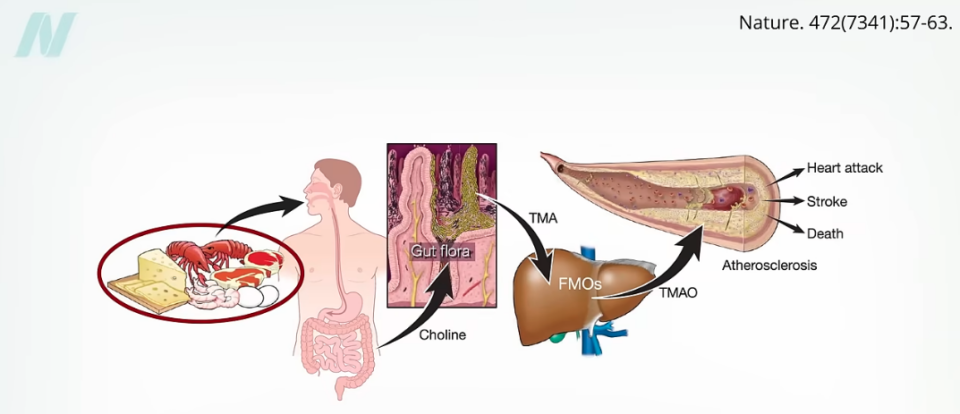
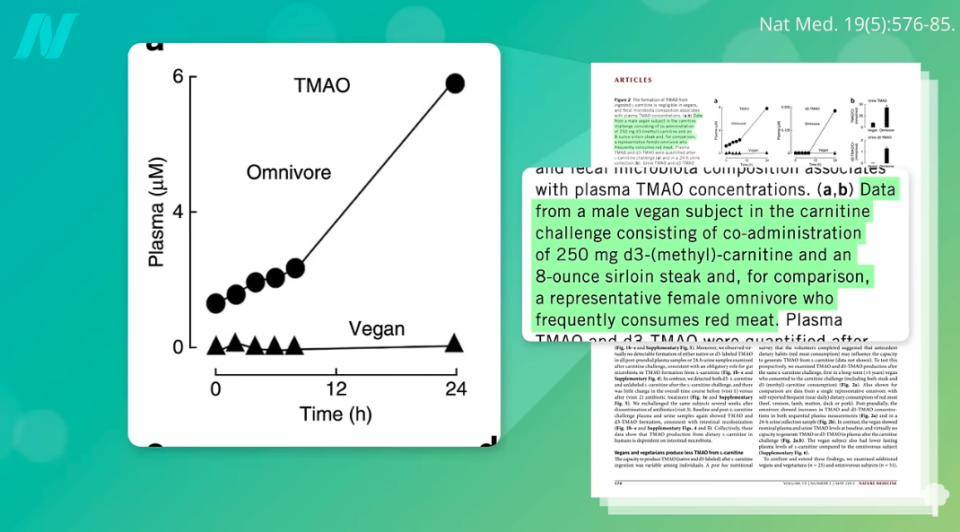
At the heart of this internal dialogue is the production of a compound known as trimethylamine N-oxide, or TMAO. When individuals consume animal products such as meat, seafood, dairy, or eggs, they introduce specific components into their system—primarily carnitine and choline. Once these compounds reach the gut, they are processed by specific types of bacteria. This metabolic interaction results in the creation of TMAO, a toxic byproduct that enters the bloodstream and has been linked to an increased risk of heart attacks, strokes, and overall mortality.
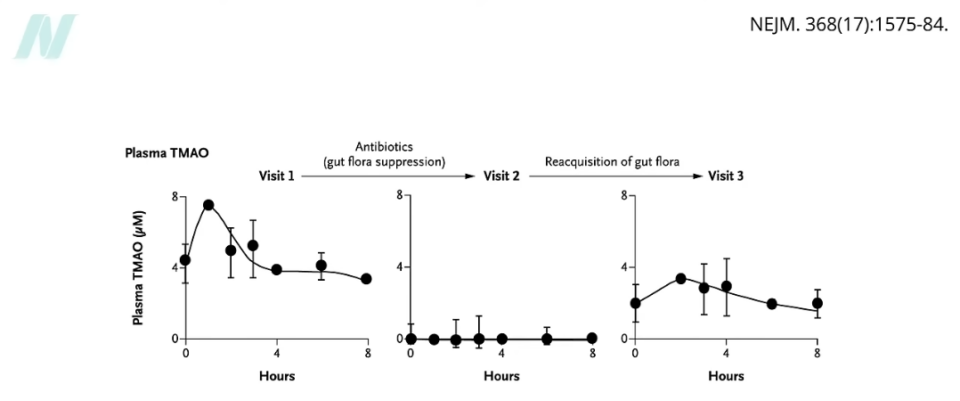
The dependency of this process on gut bacteria is starkly illustrated by clinical observations. When subjects are given two eggs, researchers typically observe a significant spike in blood-bound TMAO within just a few hours. However, if those same individuals are administered a course of antibiotics to temporarily eliminate their gut flora, the subsequent consumption of eggs results in no such spike. Without the specific bacteria capable of metabolizing these components into TMAO, the body does not produce the toxic compound.
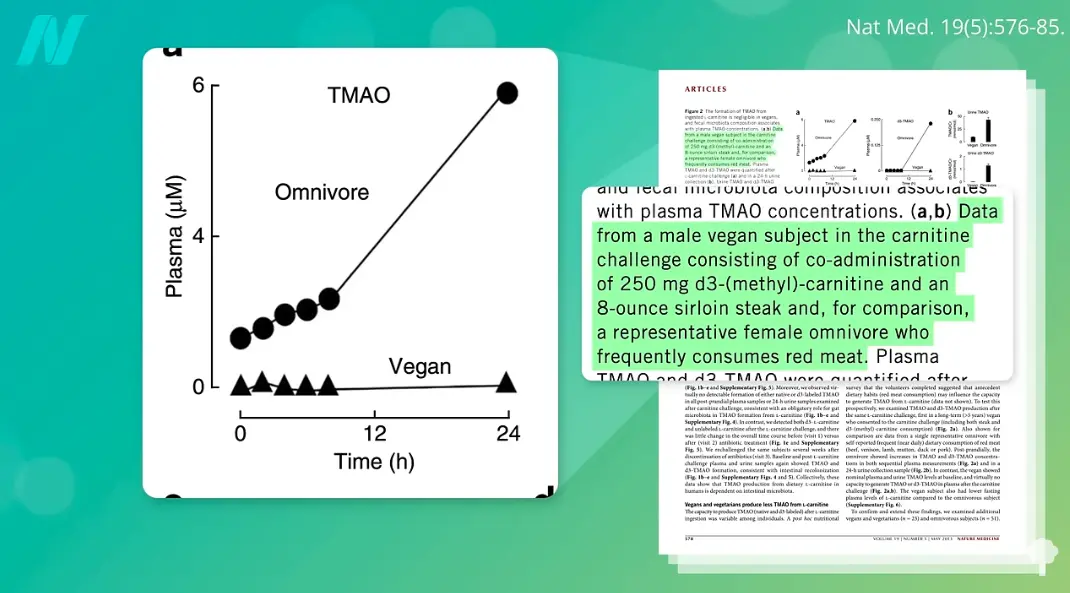
This effect is not permanent, however. Once the gut microbiome begins to recover—typically within a month—the ability of the gut to generate TMAO returns, mirroring the individual’s previous baseline. A similar phenomenon occurs with red meat. Research indicates that consuming the equivalent of an 11-ounce steak triggers an immediate increase in TMAO levels. Yet, when that same quantity of meat is consumed following a week of antibiotic treatment, the TMAO response is absent. The evidence is clear: the development of these cardiovascular risks requires both the specific dietary input and the presence of the corresponding "meat-eating" bacteria in the gut. This is why individuals who adhere to a strictly plant-based, vegan diet can consume foods containing similar nutrients without generating TMAO; they simply lack the specific microbial population required to perform that harmful conversion.
The Protective Power of Plant-Based Nutrition
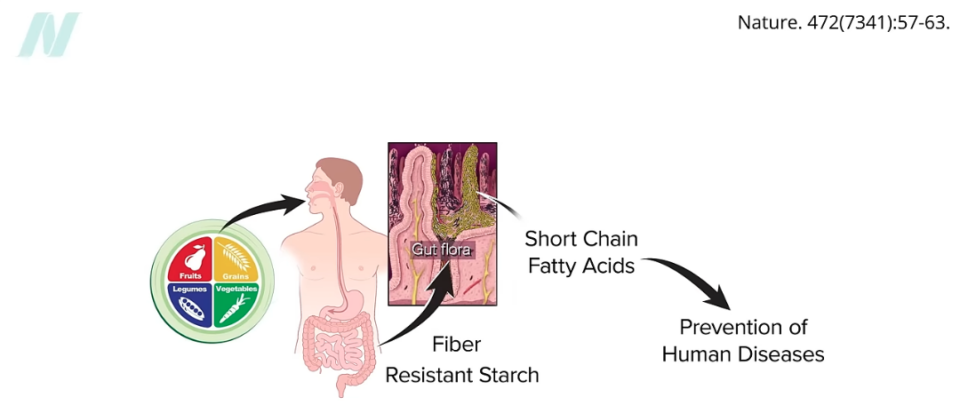
While the impact of animal products on the microbiome can be detrimental, the inverse is also true: consuming whole plant foods can foster a gut environment that actively prevents disease. When we prioritize fruits, vegetables, whole grains, and legumes, we provide our gut flora with fiber and resistant starches. These substances are fermented by beneficial bacteria, producing short-chain fatty acids, such as butyrate.
These short-chain fatty acids are essential for maintaining the integrity of the gut lining, helping to "seal" it against permeability issues often referred to as "leaky gut." Furthermore, they play a crucial role in fighting systemic inflammation, managing weight, improving insulin sensitivity, and even providing protective effects against certain types of cancer.
Just as the production of TMAO requires the right microbial "machinery," the production of these beneficial fatty acids relies on having the right fiber-feeding bacteria. A study involving the consumption of whole barley kernels—a rich source of fiber and resistant starch—demonstrated the power of this relationship. Participants who consumed three servings of barley daily experienced an increase in their gut’s production of short-chain fatty acids. Within just three days, this dietary adjustment led to a 25% improvement in insulin levels. The participants’ bodies became more efficient, requiring less insulin to manage blood sugar spikes.
The Role of Microbial Diversity and Long-Term Habit
While the physiological response to fiber is generally positive, it is not uniform across all populations. Some individuals experience profound improvements in blood sugar and insulin regulation after increasing their fiber intake, while others see little to no change. The differentiator is the presence of specific bacteria, such as Prevotella. Fiber alone is merely the substrate; without the bacteria capable of processing it, the health benefits remain unrealized.
The abundance of Prevotella in an individual’s gut is strongly associated with long-term dietary habits. Studies of rural African children, who consume a diet consisting of approximately 97% whole, plant-based foods, show Prevotella levels that are remarkably high compared to those consuming a standard Western diet. This abundance is directly reflected in the elevated concentrations of short-chain fatty acids detected in their systems.
In industrialized societies, adopting a vegetarian or vegan lifestyle has been shown to similarly enrich these fiber-consuming bacterial populations. This shift in microbial composition may explain the disparity in inflammatory profiles between omnivores and vegetarians. Researchers have suggested that long-term exposure to animal-based foods fosters an intestinal environment that may trigger systemic inflammation and contribute to metabolic disorders, including type 2 diabetes.
A critical nuance for those looking to improve their health is the concept of "constraints" on the microbiome. While an omnivore might attempt to increase their fiber intake, they may be limited by the composition of their existing gut flora. If an individual has spent years fostering an environment dominated by bacteria that thrive on animal-derived nutrients, they may lack the population density of fiber-munching bacteria required to achieve the full range of metabolic benefits. At low levels of fiber intake, increases can lead to immediate gains in short-chain fatty acid production. However, for those who do not habitually consume plants, there is a "ceiling" to how much benefit can be derived before the available fiber-feeding bacteria are maxed out.
Conversely, those who maintain a plant-based diet over the long term continue to cultivate and expand these beneficial microbial colonies. While this does not grant a "free pass" to consume processed plant-based junk foods, a diet centered on whole, intact plant foods is highly effective at promoting a diverse and robust ecosystem of beneficial bacteria. By prioritizing the fuel that these microbes require, individuals can effectively shift their internal biology, fostering an environment that supports long-term metabolic health and systemic disease prevention. The evidence suggests that our health is not merely a product of what we eat, but a direct reflection of the ecosystem we choose to feed.