
The human gut is home to a complex, bustling ecosystem—a microbiome that acts as an invisible, silent partner in our health. Recent scientific investigations have underscored a profound realization: our gut flora is not a static entity, but rather a dynamic, responsive landscape fundamentally shaped by what we consume. Every meal acts as a signal to this internal population, effectively determining whether our gut bacteria will function as a protective barrier against illness or a laboratory for toxic compounds.
The TMAO Pathway: How Animal Products Influence Disease Risk
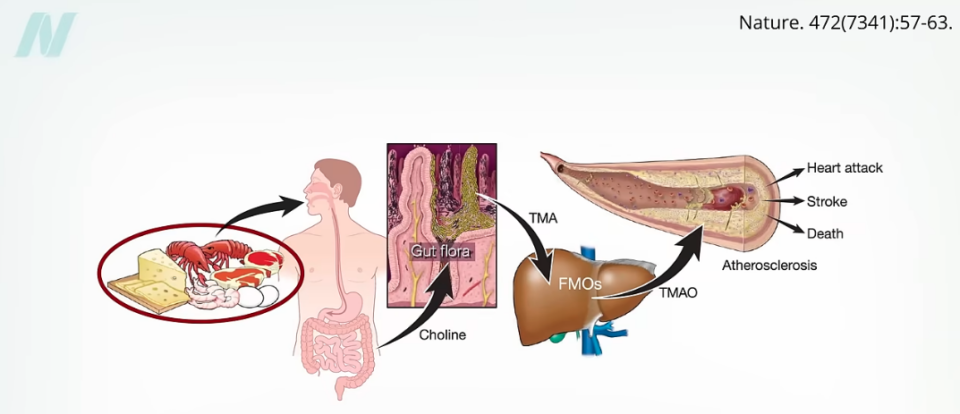
At the center of this research is the production of a compound known as trimethylamine N-oxide (TMAO). When we consume animal products—specifically meat, seafood, dairy, and eggs—we are ingesting nutrients like carnitine and choline. While these are common components of an omnivorous diet, they serve as fuel for specific strains of gut bacteria. These bacteria process these components, initiating a metabolic chain reaction that ultimately results in the production of TMAO, a substance that has been linked by researchers to an increased risk of heart attacks, strokes, and premature death.
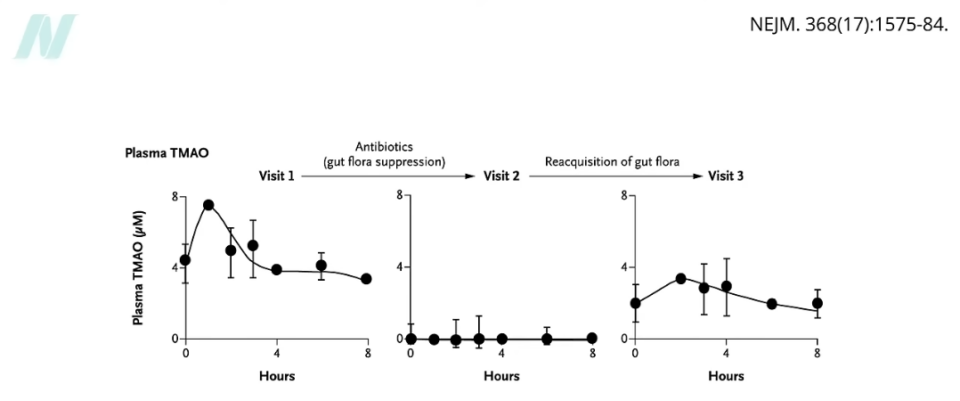
The relationship between diet and TMAO production is not a matter of genetics or biology alone, but a matter of microbial culture. This has been demonstrated through striking experiments where human subjects were fed two eggs. Within hours of consumption, researchers observed a significant spike in TMAO levels in the bloodstream. However, when these same individuals were treated with a week-long course of antibiotics, designed to temporarily "reset" the gut microbiome by depleting the bacterial population, the results were entirely different. When the subjects were fed the same two eggs following the antibiotic regimen, no TMAO was detected in their blood. The mechanism for creating the toxin had been removed along with the bacteria.
Crucially, this effect is temporary. Once the gut bacteria are allowed to repopulate over the course of a month, the body’s ability to convert egg-derived nutrients into TMAO returns. This same phenomenon has been observed with red meat. A large serving, such as an 11-ounce steak, triggers a surge in blood TMAO levels in the typical person. However, once the gut flora is cleared via antibiotics, the same steak produces no such response. This leads to a clear, evidence-based conclusion: the development of these specific cardiovascular risks requires the presence of both the dietary precursors found in animal products and the specific "meat-eating" or "egg-eating" bacteria in the digestive tract.
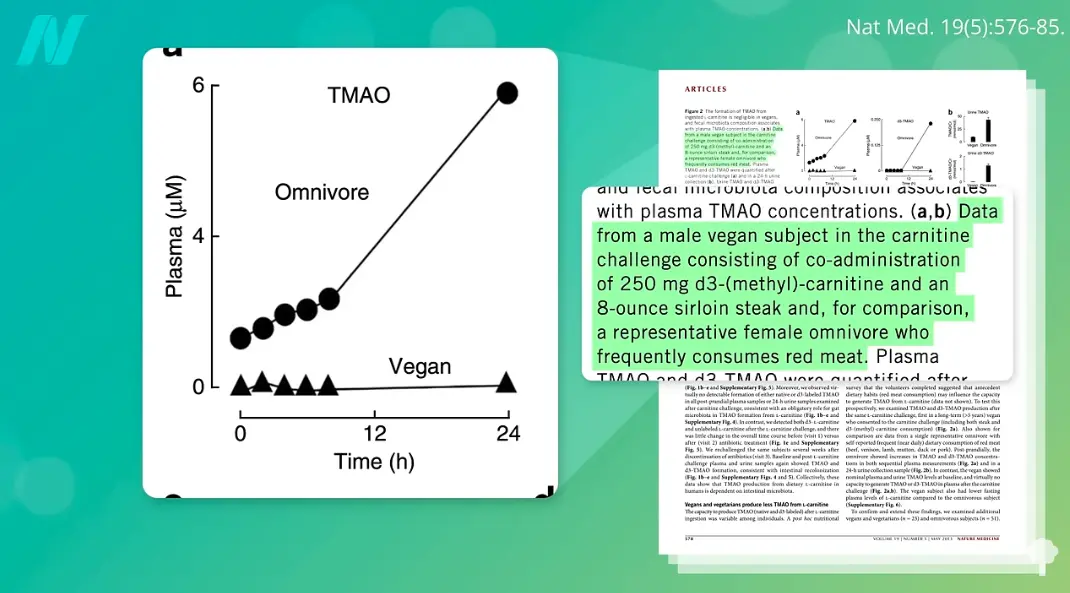
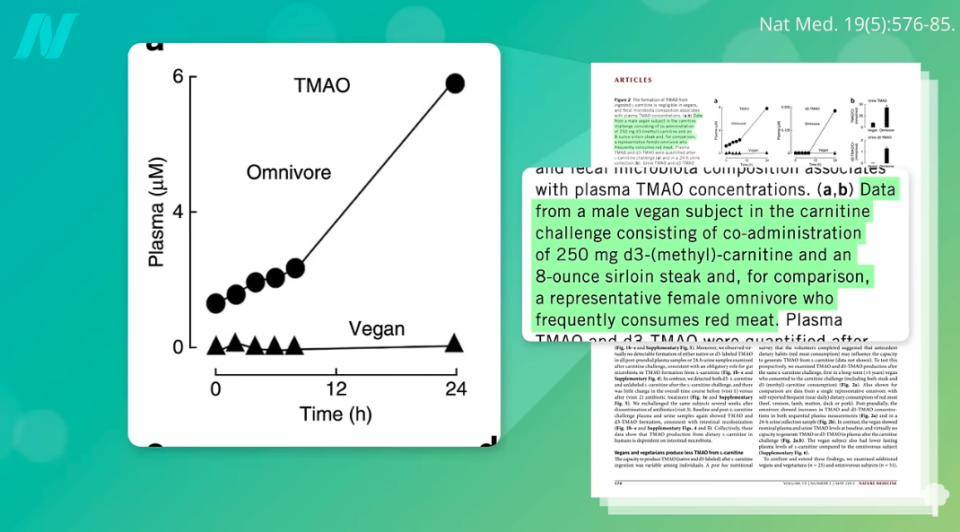
This explains why, in studies, vegans can consume a large piece of steak without experiencing a spike in TMAO. Because they have not habitually consumed animal products, their gut microbiome lacks the specific microbial colonies required to metabolize carnitine and choline into the toxic byproduct. They simply do not possess the "machinery" to produce the compound.
The Protective Power of Plant-Based Nutrition
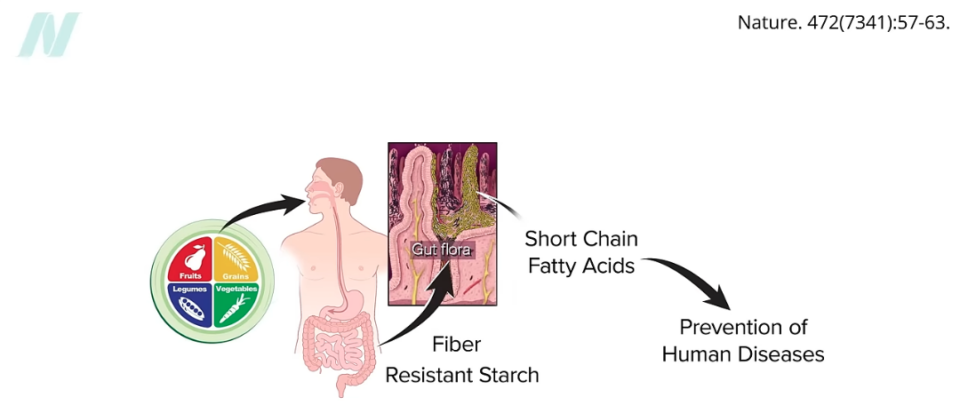
While the research into TMAO highlights the potential dangers of a diet rich in animal products, the science also reveals the flipside of the equation. When we shift our focus to whole plant foods—including fruits, vegetables, whole grains, beans, nuts, and seeds—we provide our gut flora with entirely different fuel sources. These foods are rich in fiber and resistant starch, which act as substrates for a different class of beneficial bacteria.
When these fiber-feeding bacteria break down plant-based components, they produce short-chain fatty acids, such as butyrate. These compounds are highly beneficial to human health. They play a critical role in strengthening the integrity of the gut lining, effectively helping to "seal" a leaky gut. Beyond the digestive system, these short-chain fatty acids are associated with a reduction in systemic inflammation, improved insulin sensitivity, support for healthy weight management, and potential anti-cancer properties.
Just as the production of toxic TMAO required both the right food and the right bacteria, the benefits of a plant-rich diet also depend on this dual requirement. We need both the fiber-rich foods and the fiber-loving bacteria to flourish. Research into whole, intact grains—such as barley kernels—illustrates this clearly. In studies, when participants added approximately 30 grams of fiber and resistant starch to their diets through daily consumption of barley, their insulin levels improved by roughly 25% within just three days. This meant their bodies were more efficient at managing blood sugar, requiring less insulin to process the same amount of carbohydrates.
The Role of Microbiome Diversity and Adaptation
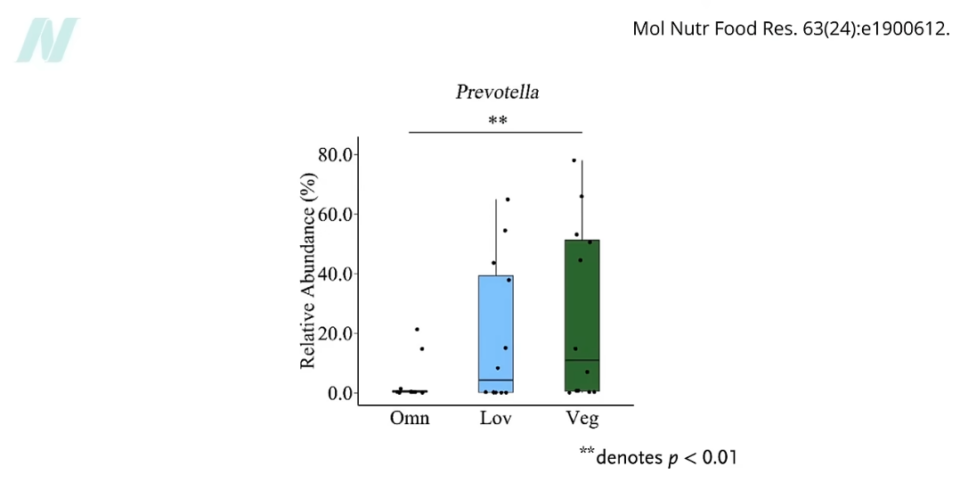
While the metabolic improvements observed in studies are significant on average, individual responses to fiber intake can vary. Some individuals experience profound improvements in blood sugar and insulin regulation, while others see little change. This discrepancy is often rooted in the composition of the individual’s microbiome. Fiber alone is not a magic bullet; the presence of specific microbes, such as Prevotella, is essential to process that fiber into health-promoting compounds.
The population of Prevotella in our gut is directly linked to our long-term dietary habits. Studies of rural populations, such as children in Africa who consume a diet consisting of 97% whole, plant-based foods, show Prevotella levels that far exceed those found in populations consuming a standard Western diet. These higher levels of beneficial bacteria are reflected in a significantly higher production of short-chain fatty acids.
In the industrialized world, habitually eating vegetarian or vegan diets has been shown to successfully cultivate these fiber-loving bacterial populations. This ongoing process of enrichment may be a key factor in the superior inflammatory profiles observed in vegetarians compared to omnivores. Researchers suggest that chronic exposure to animal foods creates an intestinal environment that may trigger systemic inflammation and contribute to metabolic disorders, including type 2 diabetes. Conversely, a plant-based microbiome appears to be inherently protective, primarily through the mitigation of inflammation.
One might wonder if an omnivore could simply add a large volume of plant foods to their existing diet to gain the same benefits. The science suggests that there are constraints to this approach. There is a limit to how much fiber-feeding bacteria can thrive if the environment is simultaneously being shaped by the consumption of animal products. The "meat-eating" bacteria that thrive on an omnivorous diet may limit the space and resources available for the "fiber-eating" bacteria to flourish.
At low levels of fiber intake, most people will see some benefit as they increase their consumption of vegetables and grains. However, for those who do not maintain a plant-based habit, there is a "ceiling" to these benefits. Their gut microbiome is essentially "maxed out" due to the lack of a robust, diverse community of fiber-feeders. Those who habitually follow a whole food, plant-based diet have been consistently cultivating these beneficial populations, allowing their gut to become increasingly efficient at producing health-promoting metabolites.
The evidence points to a consistent theme: our dietary patterns are not just providing calories or nutrients; they are serving as a continuous environmental pressure that selects for specific microbial residents. By prioritizing whole plant foods, we are not only feeding ourselves; we are cultivating an internal ecosystem that supports long-term health, lowers the risk of chronic metabolic diseases, and fosters a diverse, resilient, and protective microbiome. While the transition may take time as the gut flora shifts, the capacity for the human digestive system to adapt is significant, underscoring the potential for diet to act as a powerful tool in disease prevention and the promotion of overall well-being.