
The human body is home to a vast, complex, and highly dynamic community of microorganisms known as the gut microbiome. While we often think of our health as a direct consequence of the nutrients we consume, emerging science reveals that the true impact of our diet is mediated by the billions of bacteria residing in our digestive tracts. These microorganisms act as a biological processing plant, transforming the food we eat into various chemical compounds—some of which protect us, while others may pose a significant threat to our cardiovascular health.
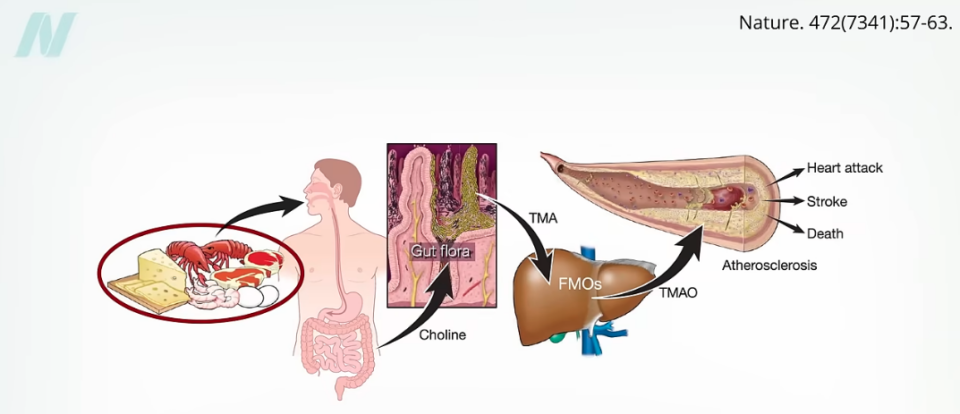
At the center of this biochemical process is a compound called trimethylamine N-oxide, or TMAO. When we consume animal-derived products—specifically meat, seafood, dairy, and eggs—our gut flora interacts with certain components in those foods, namely carnitine and choline. In a process that has become a focus of intense medical research, these bacteria metabolize these nutrients, leading to the production of TMAO. Research suggests that high levels of this toxic byproduct in the bloodstream are not merely a marker of poor diet; they may be a direct contributor to the development of serious health conditions, including heart attacks, strokes, and premature death.
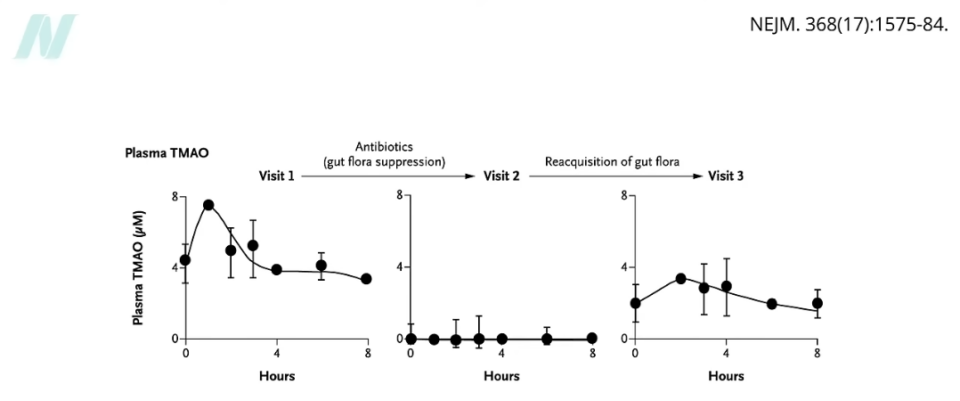
The connection between diet, gut bacteria, and cardiovascular disease is not just theoretical; it has been demonstrated through clinical observation. When study participants consume two eggs, their blood levels of TMAO typically spike within hours. However, the critical role of gut bacteria in this process is revealed when researchers administer a week-long course of antibiotics to the subjects. Once the gut flora is significantly depleted, those same participants can consume the same two eggs, yet their bloodstream remains devoid of TMAO. The "machinery" required to convert the eggs into a toxic compound has been temporarily disabled.
This effect is temporary, however. As the gut microbiome begins to recolonize—a process that typically takes about a month—the ability to produce TMAO returns, and the consumption of eggs once again triggers the production of the compound. This highlights a fundamental truth about human health: the metabolic consequences of our diet are contingent upon the specific microbial community we harbor.
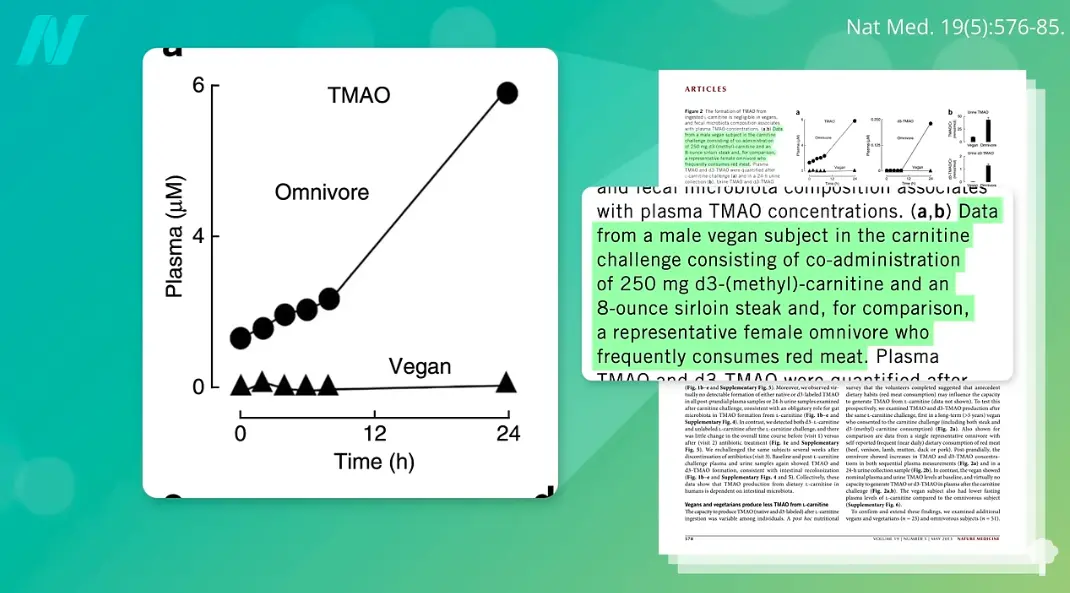
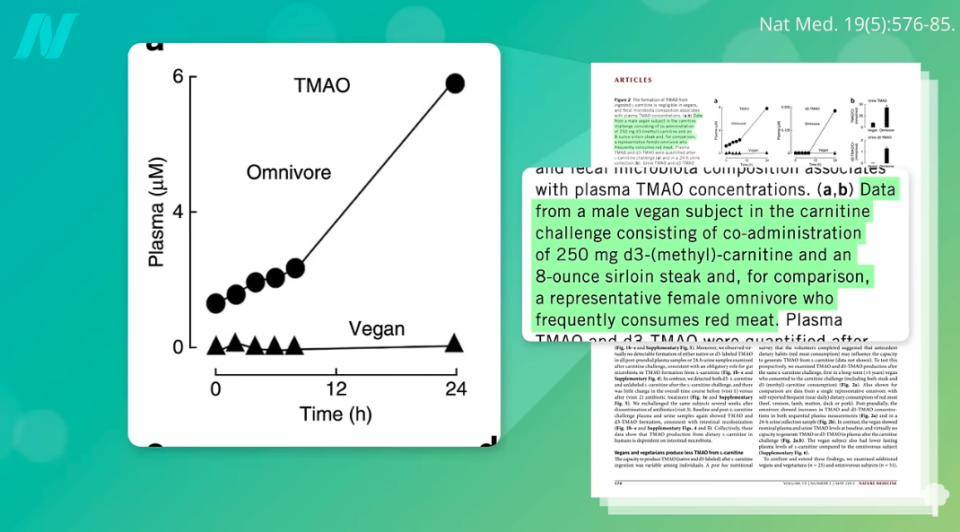
This mechanism is not exclusive to eggs; it is a consistent pattern observed with meat consumption as well. When individuals are fed a portion of steak—equivalent to roughly 11 ounces—their TMAO levels rise significantly. Yet, just as with the egg studies, if those same individuals are given a course of antibiotics to suppress their gut bacteria, the spike in TMAO is entirely absent. This confirms that the adverse health effects associated with these foods require a "dual-trigger": the consumption of specific animal products and the presence of the specific "meat-eating" bacteria that thrive on those substrates.
This explains a long-standing observation in nutritional science: why a vegan, even if they were to consume a sirloin steak, would not experience the same spike in TMAO. Because they do not regularly consume the foods that support the growth of these specific bacteria, their gut does not contain the microbial population required to perform the conversion. They lack the biological tools necessary to produce the toxic metabolite.
While this may be well-trodden ground for those who have closely followed the evolution of nutritional science, it serves as a crucial reminder that the microbiome is not just a passive passenger. It is an active participant in our metabolism. Crucially, this phenomenon works in the opposite direction as well. When our diet shifts toward whole plant foods—such as fruits, vegetables, whole grains, legumes, nuts, and seeds—we provide our gut flora with the fuel they need to produce beneficial compounds.
When gut bacteria break down fiber and resistant starch, they produce short-chain fatty acids (SCFAs), such as butyrate. These compounds act as a protective buffer for the body. SCFAs are associated with a range of health-promoting outcomes, including the sealing of the intestinal barrier to prevent "leaky gut," the reduction of systemic inflammation, the improvement of insulin sensitivity, and the promotion of healthy weight management.
Much like the harmful effects of TMAO, these protective benefits rely on a symbiotic relationship: you must consume the fiber, and you must possess the specific fiber-feeding bacteria capable of metabolizing it. For instance, in studies where participants were given barley kernels—a rich source of fiber and resistant starch—their insulin levels improved by approximately 25% within just three days. This improvement meant that their bodies required less insulin to manage blood sugar levels, effectively dampening the glycemic response to a meal.
However, the efficacy of this dietary intervention varies from person to person. While many individuals experience a striking, positive shift in blood sugar and insulin regulation when increasing their fiber intake, others see little change. The discrepancy lies in the individual’s existing microbiome. Fiber alone is not a panacea; it requires the presence of specific microbes, such as the Prevotella genus, to be effectively processed. Individuals who habitually consume a high-fiber, plant-based diet tend to have higher levels of these beneficial microbes, making them more "efficient" at extracting health benefits from their food.
The difference is stark when comparing populations. Research into rural African children, who typically consume diets composed of 97% whole, plant-based foods, shows that their Prevotella levels are exponentially higher than those of children in the industrialized world consuming standard Western diets. This difference is reflected in the high concentrations of short-chain fatty acids found in their waste, indicating a robust, thriving microbial ecosystem that is actively working to protect their long-term health.
In the industrialized world, the habitual consumption of vegetarian and vegan diets has been shown to similarly enrich the gut’s population of fiber-digesting bacteria. This provides a compelling explanation for why omnivores often exhibit a worse inflammatory profile compared to their vegetarian counterparts. Scientists suggest that chronic exposure to animal foods creates an intestinal environment that may trigger systemic inflammation and contribute to the development of metabolic disorders, such as type 2 diabetes. The reduced level of inflammation seen in those with a plant-based gut microbiome appears to be a key factor in their overall disease resistance.
A common question is whether omnivores can mitigate these risks by simply eating more plants. While increasing plant intake is universally beneficial, the gut microbiome exhibits certain "constraints." Because the microbial ecosystem is shaped by long-term dietary habits, an omnivore’s gut may lack the population density of fiber-feeding bacteria required to maximize the conversion of fiber into SCFAs. Even if an omnivore increases their fiber intake, they may hit a physiological ceiling, as they lack the "machinery" that has been cultivated over time in those following a strictly plant-based lifestyle.
Those who have cultivated a diverse, plant-rich gut microbiome over the long term have essentially "primed" their system to derive the maximum health benefit from every gram of fiber consumed. Provided that the diet consists of whole foods rather than processed vegan junk food, a plant-based lifestyle is highly effective in fostering a diverse ecosystem of beneficial bacteria. This, in turn, supports not only the integrity of the gut microbiome but the health of the entire body.
Ultimately, the science indicates that we are not just feeding ourselves; we are cultivating an internal ecosystem that determines our susceptibility to disease. By shifting our dietary focus toward the foods that nourish our beneficial microbes, we can leverage our gut flora as a powerful tool in the prevention of chronic illness and the promotion of long-term vitality.