
Our internal ecosystem—the vast, complex collection of microorganisms living within our digestive tract—is far more than a passive passenger in our biology. It is a highly responsive metabolic engine, and, according to emerging research, it is fundamentally shaped by the food we consume. What we eat serves as a daily directive to our gut flora, influencing whether our microbiome acts as a source of vitality or a catalyst for chronic disease.
The TMAO Pathway and Cardiovascular Risk
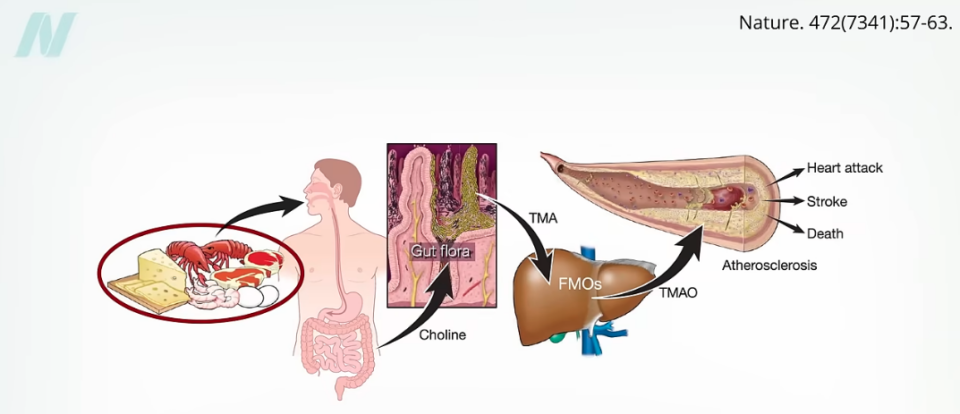
A critical area of recent nutritional science focuses on the transformation of specific nutrients into harmful compounds. When we consume meat, seafood, dairy, or eggs, we introduce compounds like carnitine and choline into our digestive systems. Our gut bacteria, depending on their composition, may metabolize these components and produce a toxic byproduct known as trimethylamine N-oxide, or TMAO.
Research has increasingly linked elevated levels of TMAO in the bloodstream to an increased risk of severe cardiovascular events, including heart attacks, strokes, and even premature death. This process represents a sophisticated and dangerous intersection between diet and microbial activity. When a person consumes two eggs, for instance, a significant spike in TMAO levels is often detectable in their bloodstream within just a few hours.
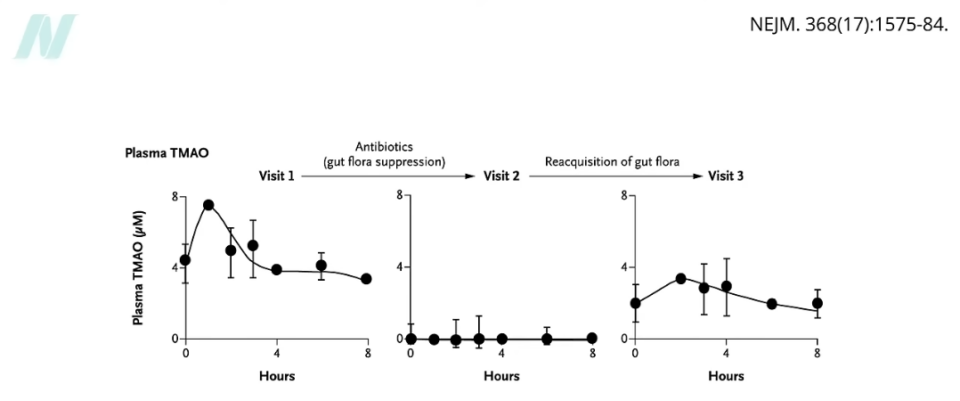
The dependence on gut bacteria for this process was illustrated in a series of compelling experiments. In these studies, subjects were given antibiotics to temporarily suppress their gut flora. Following this depletion, when the subjects were again fed eggs, the expected spike in TMAO did not occur. The absence of the specific "egg-eating" bacteria meant the metabolic pathway to create the toxin was effectively severed. However, the study also showed that this was not a permanent solution. Once the gut microbiome had a month to recover and repopulate, the introduction of eggs once again triggered the production of TMAO, confirming that our susceptibility to these toxins is directly tied to the specific population of microbes we cultivate through our dietary habits.
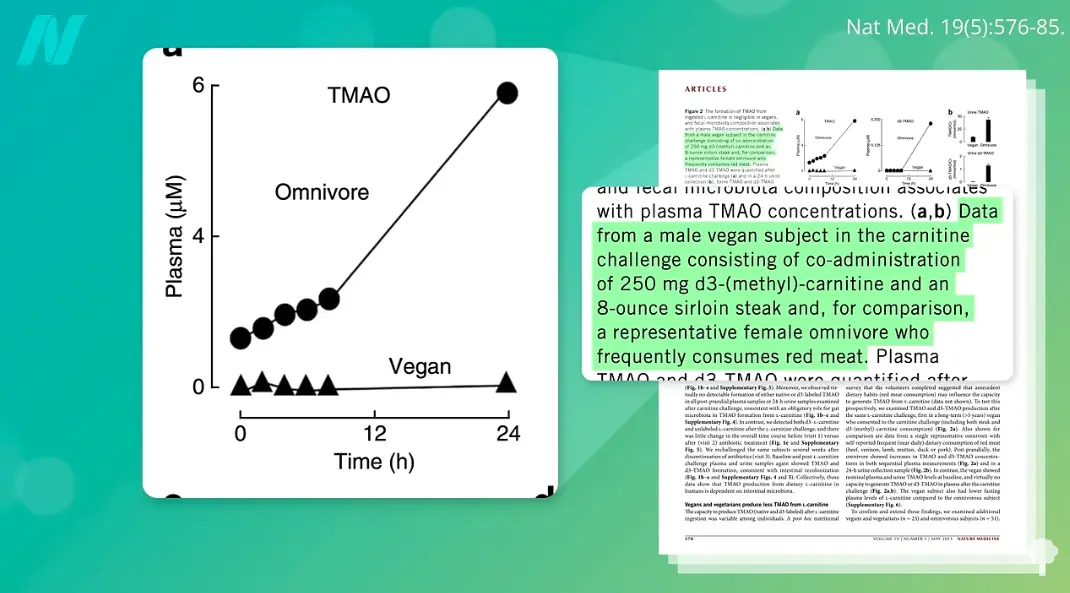
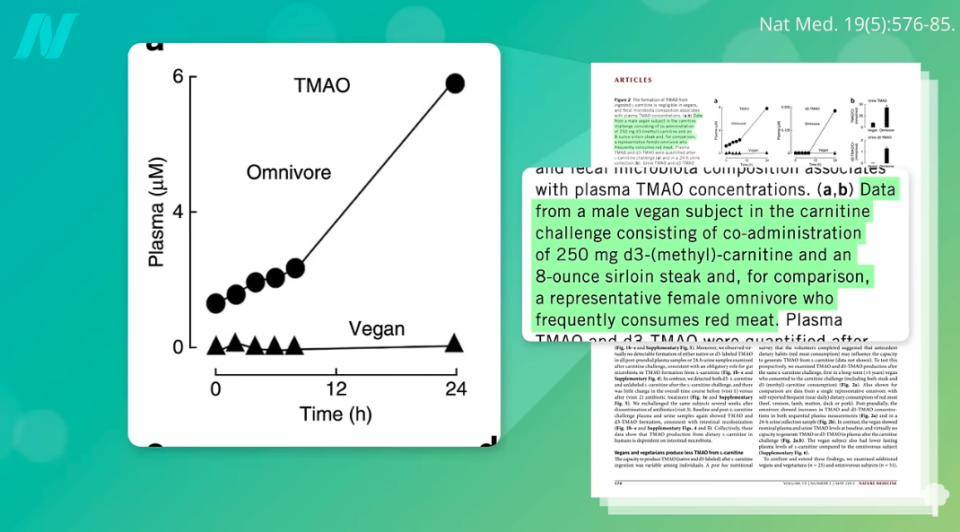
This phenomenon is not limited to eggs. Similar results have been observed with red meat. When study participants consumed the equivalent of an 11-ounce steak, their TMAO levels rose significantly. Yet, after a week of antibiotic treatment, the same meal failed to produce the same rise in blood markers. This indicates that the development of these cardiovascular risks requires a "double hit": the presence of the substrate (the food) and the presence of the specific microbial machinery capable of processing it. This explains why an individual who adheres to a strict vegan diet can theoretically consume a sirloin without producing the same TMAO levels as an omnivore; they simply lack the specific bacterial colonies required to convert the carnitine and choline into the toxic metabolite.
Cultivating Health Through Plant-Based Nutrition
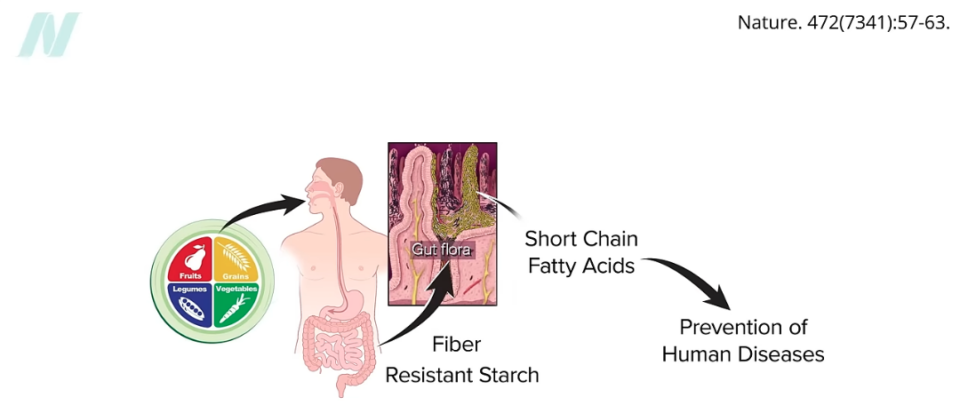
While the research into TMAO highlights the risks associated with certain animal-derived foods, the same mechanism functions in the opposite direction when we focus on whole plant foods. When our diet is rich in fruits, vegetables, whole grains, and legumes, we provide our gut bacteria with different fuel sources, namely fiber and resistant starch. These materials are fermented by beneficial bacteria, leading to the production of short-chain fatty acids (SCFAs), such as butyrate.
Short-chain fatty acids are essential to human health. They play a vital role in maintaining the integrity of the intestinal lining—helping to "seal" a leaky gut—while simultaneously fighting systemic inflammation, improving insulin sensitivity, and aiding in weight management. In many ways, these compounds act as a protective barrier against the onset of metabolic diseases.
However, just as the production of toxic TMAO requires specific bacteria, the production of beneficial SCFAs is contingent upon having the right "fiber-feeding" microbes. A study involving the consumption of whole barley kernels provides a clear example of this dynamic. When participants added approximately 30 grams of fiber and resistant starch to their diets through barley, their insulin sensitivity improved by 25% within just three days. This improvement meant that their bodies could manage blood sugar levels more efficiently, requiring less insulin to process the same amount of carbohydrates.
Yet, this outcome was not universal. While many participants experienced striking improvements in their metabolic markers, others showed little to no response. This discrepancy highlights a critical nuance in nutrition science: fiber intake alone is not always sufficient if the gut does not house the appropriate bacterial species, such as Prevotella, to ferment it. The abundance of these beneficial microbes is directly associated with long-term, consistent fiber intake. Research into populations that maintain traditional, plant-heavy diets, such as rural African children who derive 97% of their nutrition from whole plant foods, reveals Prevotella levels that are exceptionally high, which correlates with significantly higher levels of protective short-chain fatty acids.
The Long-Term Impact of Dietary Patterns
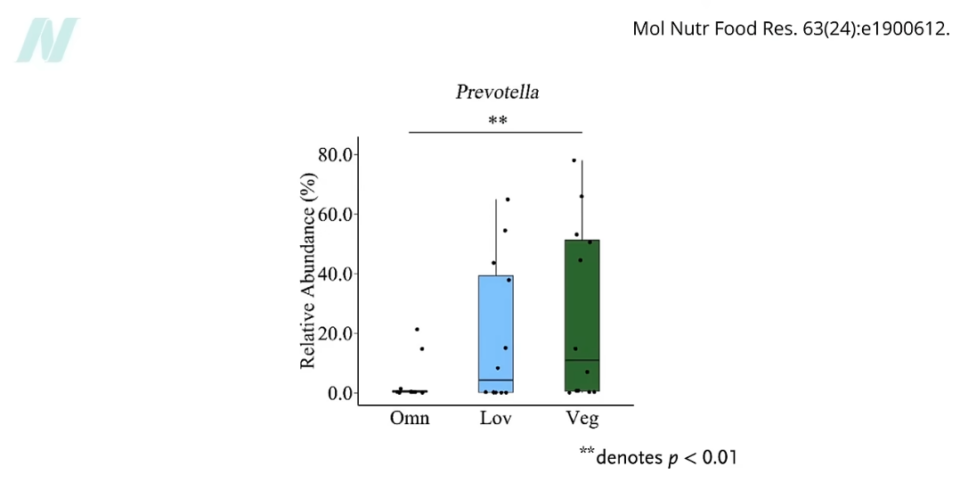
In industrialized nations, the transition toward vegetarian and vegan diets has been shown to shift the microbial landscape of the gut, favoring the enrichment of fiber-fermenting bacteria. Comparisons between those who eat meat, those who do not, and those who adhere to entirely plant-based diets show a clear gradient in Prevotella abundance. This shift in microbial population may explain why omnivores frequently demonstrate a worse inflammatory profile compared to their vegetarian counterparts.
The presence of animal-based foods in the diet appears to favor an intestinal environment that can trigger systemic inflammation and contribute to insulin-resistance-dependent metabolic disorders, such as type 2 diabetes. Conversely, a plant-based gut microbiota is linked to reduced inflammation, which is likely a key factor in the long-term health benefits associated with these diets.
A common question is whether an omnivore can mitigate these risks by simply adding more plants to their diet. Recent findings suggest there are constraints on this approach. The research indicates that omnivores, even when they increase their fiber intake, may still be limited by the lack of sufficient fiber-munching microbial machinery. While there is a dose-response relationship at lower levels of fiber intake—where eating more leads to more SCFAs—eventually, the population of fiber-feeders in an omnivorous gut reaches a capacity limit.
In contrast, individuals who habitually follow a plant-based diet have, over time, cultivated a larger, more diverse ecosystem of these beneficial bacteria. For these individuals, the capacity for producing health-promoting metabolites is significantly higher. While it is important to note that a plant-based diet centered on processed junk food does not offer the same advantages, a diet built on whole plant foods appears to be uniquely effective in fostering a diverse, resilient, and health-promoting microbiome. By choosing our food, we are essentially choosing the internal community that will determine our metabolic fate.