
The microscopic world residing within the human digestive tract is far more than a passive passenger; it is a dynamic, metabolic engine that acts as a gatekeeper for our long-term health. New insights into the human gut microbiome reveal that the composition of this internal ecosystem is dictated, almost entirely, by the dietary choices we make every day. Whether we nourish ourselves with whole plant foods or a diet rich in animal products, we are actively cultivating specific populations of bacteria that can either act as a shield against chronic disease or serve as a factory for toxic compounds.
The Hidden Risks of Animal-Derived Nutrients
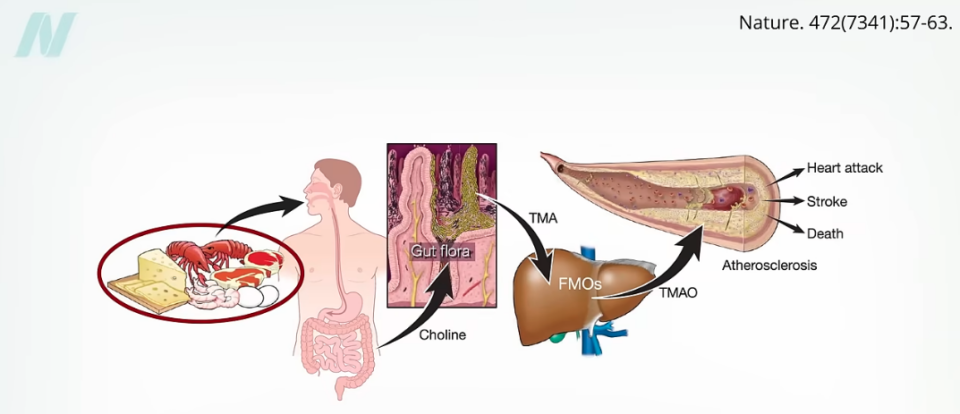
For years, researchers have been investigating the complex relationship between diet, gut flora, and cardiovascular health. A critical finding in this field concerns how our microbiome processes specific compounds found in meat, dairy, and eggs. When we consume these foods, our gut bacteria interact with nutrients such as carnitine and choline. In a process that functions as a metabolic chain reaction, these bacteria transform these components into a substance that is eventually converted into trimethylamine N-oxide, commonly known as TMAO.
TMAO has emerged as a significant marker of cardiovascular risk. Research indicates that elevated levels of this toxic compound in the bloodstream are associated with an increased susceptibility to heart attacks, strokes, and premature mortality. The process is highly dependent on the presence of specific microbial populations that thrive on animal-based nutrition.
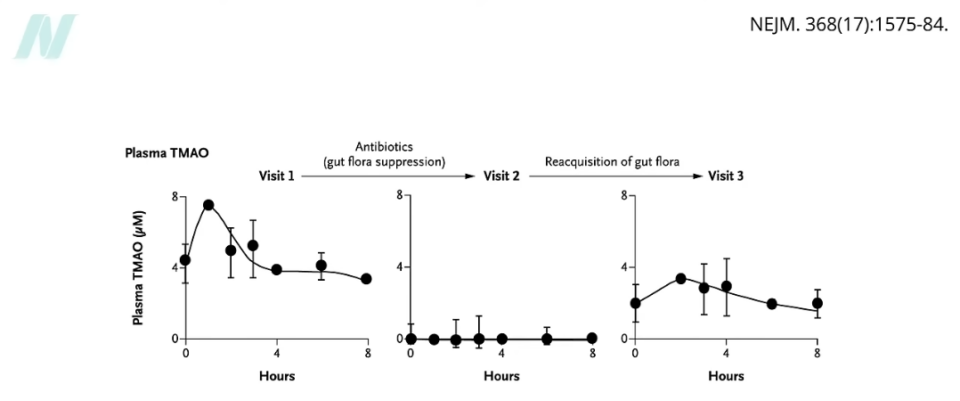
Evidence for this causal link is compelling. In clinical observations, individuals who consume two eggs experience a rapid and measurable spike in their TMAO levels within hours. However, this reaction is not a universal physiological guarantee; it is a microbial one. When subjects are treated with a course of antibiotics—effectively wiping out their gut flora—the subsequent consumption of two eggs results in no detectable rise in TMAO. The "egg-eating" bacteria responsible for the conversion have been temporarily neutralized. Yet, once the gut microbiome begins to recover after a month of replenishment, the ability to produce TMAO returns, proving that the risk is intrinsically tied to the bacterial composition of the gut.
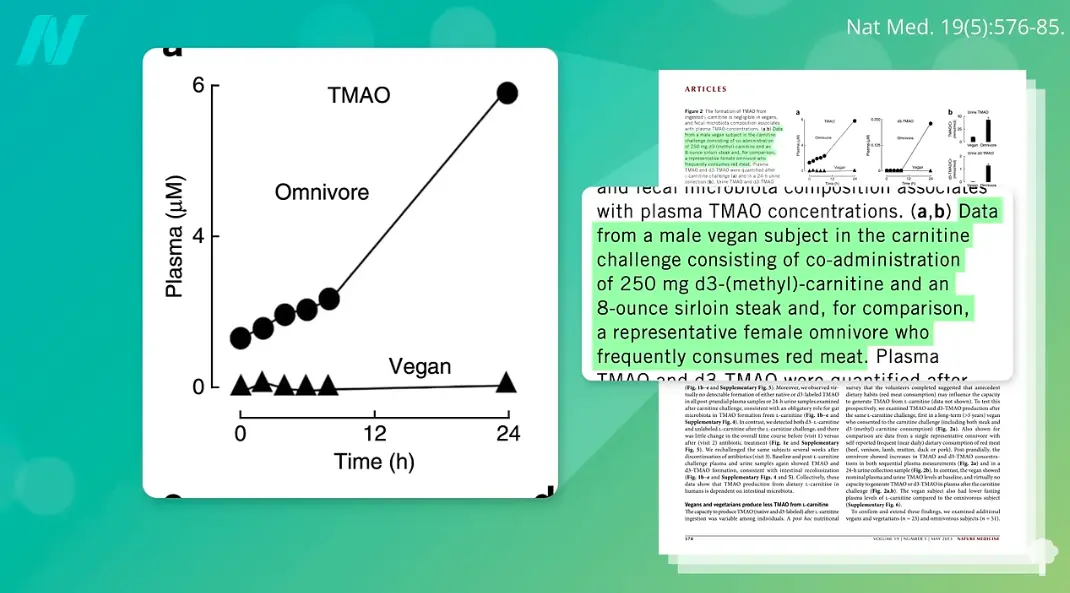
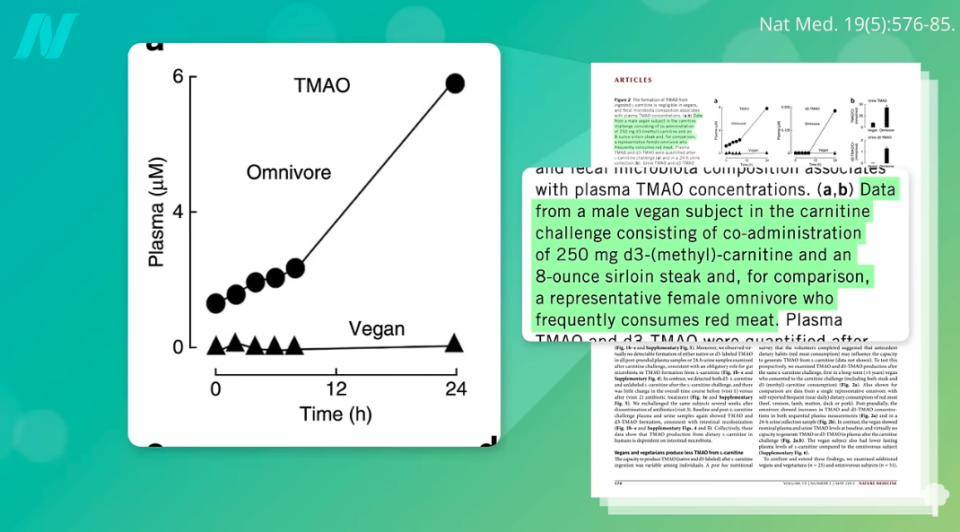
This phenomenon is not limited to eggs. Similar studies involving the consumption of red meat, such as an 11-ounce steak, demonstrate that TMAO levels soar in the blood of typical consumers. Crucially, the same meat-eaters, when their gut bacteria are depleted via antibiotics, show no such spike. This indicates that the development of these metabolic risks requires a "double-hit" scenario: the ingestion of the precursor nutrients found in animal products and the presence of specific, opportunistic gut bacteria capable of metabolizing them. This explains why an individual who follows a long-term vegan diet may consume a piece of meat without producing significant levels of TMAO; they simply do not harbor the specific microbial machinery necessary to convert the animal-derived compounds into the toxic byproduct.
The Protective Power of Plant-Based Nutrition
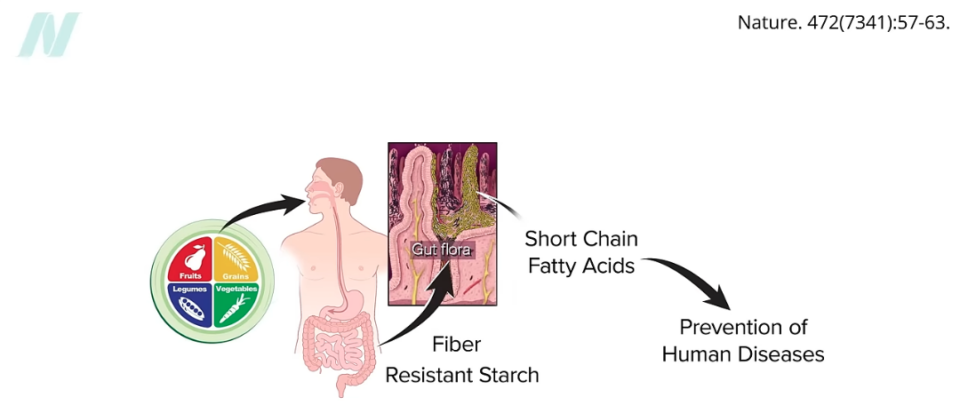
While the impact of animal products on the microbiome is well-documented, the narrative has a positive, restorative flipside. When we transition to a diet centered on whole plant foods—including fruits, vegetables, whole grains, beans, nuts, and seeds—we provide our gut flora with the essential fuel they require to promote health. Components such as dietary fiber and resistant starch serve as the building blocks for the production of short-chain fatty acids (SCFAs).
Unlike the metabolic byproducts of animal-based digestion, these short-chain fatty acids, such as butyrate, act as potent allies for the human body. They contribute to a wide array of health benefits, including the maintenance of the intestinal barrier, which helps prevent the condition commonly referred to as a "leaky gut." Furthermore, these compounds are instrumental in fighting systemic inflammation, improving insulin sensitivity, facilitating healthy weight management, and potentially even providing protective effects against cancer.
However, the efficacy of this process depends on the same two-pronged requirement seen in the negative metabolic pathways: one must consume sufficient fiber and, equally important, possess the fiber-fermenting bacteria capable of processing it.
Cultivating a Healthy Microbial Ecosystem
The significance of these fiber-feeding bacteria, such as the Prevotella genus, cannot be overstated. A study regarding the impact of barley kernels, or barley groats, serves as a prime example of how quickly the microbiome can adapt. When participants were instructed to consume three servings of whole barley kernels daily, they introduced an additional 30 grams of fiber and resistant starch into their diet. Within just three days, the gut bacteria of these subjects were effectively "fueled up," producing a surge of short-chain fatty acids. This microbial activity resulted in a 25 percent improvement in insulin levels, meaning the subjects’ bodies became significantly more efficient at processing blood sugar.
Despite these positive averages, individual responses to fiber intake vary. Some people experience striking, immediate improvements in blood sugar regulation, while others may see little to no effect. The reason for this disparity often lies in the baseline composition of the individual’s gut microbiome. Fiber acts as the substrate, but without a robust population of fiber-feeding bacteria like Prevotella, the metabolic benefits are blunted. Fortunately, the solution is straightforward: by consistently consuming a fiber-rich, plant-based diet, one can encourage the growth and dominance of these beneficial bacterial strains.
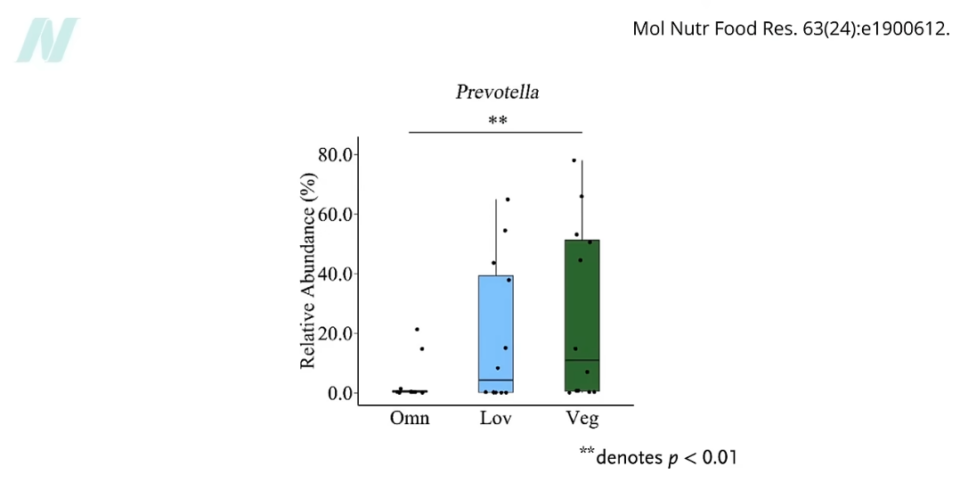
Observational data from rural African populations, who consume diets composed of 97 percent whole, plant-based foods, show Prevotella levels that are substantially higher than those found in individuals adhering to standard Western diets. This disparity is clearly reflected in the high concentrations of short-chain fatty acids produced in their digestive tracts. In the industrialized world, habitually choosing vegetarian or vegan diets has been shown to effectively enrich the gut’s population of these fiber-fermenting bacteria.
Constraints and Long-Term Health
The difference in bacterial abundance between omnivores and those who consume plant-based diets may explain why, on average, omnivores exhibit a more pro-inflammatory profile. Researchers have suggested that the chronic exposure to animal-derived foods creates an intestinal environment that may trigger systemic inflammation and contribute to the development of metabolic disorders like type 2 diabetes.
A question frequently posed is whether omnivores can achieve the same protective benefits simply by increasing their intake of plants. The current science suggests there are "constraints" on this. Even if an omnivore begins to eat large amounts of fiber, they may be limited by a lack of the necessary "machinery"—the specialized bacteria that only flourish in the absence of a high-animal-product environment. There is a physiological ceiling to how much one can benefit from fiber if the underlying microbial ecosystem has not been cultivated to process it.
Conversely, those who habitually follow a whole-food, plant-based diet have been steadily building a diverse, robust ecosystem of beneficial bacteria over time. While the intake of fiber is the trigger, the long-term, consistent diet is what creates the capacity for optimal health. A whole-food, plant-based diet serves as the most effective tool for promoting a diverse and thriving microbial ecosystem. By moving away from the consumption of animal products that fuel toxic pathways and embracing the fibers that feed protective bacteria, we can fundamentally alter the metabolic trajectory of our health, turning our gut into a source of resilience rather than a risk factor.