
The human gut is home to a vast, complex ecosystem of trillions of microorganisms, a biological community that is fundamentally shaped by the food we consume. Emerging scientific research suggests that this internal flora acts as a primary mediator of our health, dictating how our bodies process nutrients and, ultimately, determining our susceptibility to chronic diseases. The connection between diet, gut bacteria, and systemic health is not merely a matter of digestion; it is a profound chemical conversation that can either bolster our longevity or accelerate the onset of life-threatening conditions.
The TMAO Pathway: When Digestion Turns Toxic
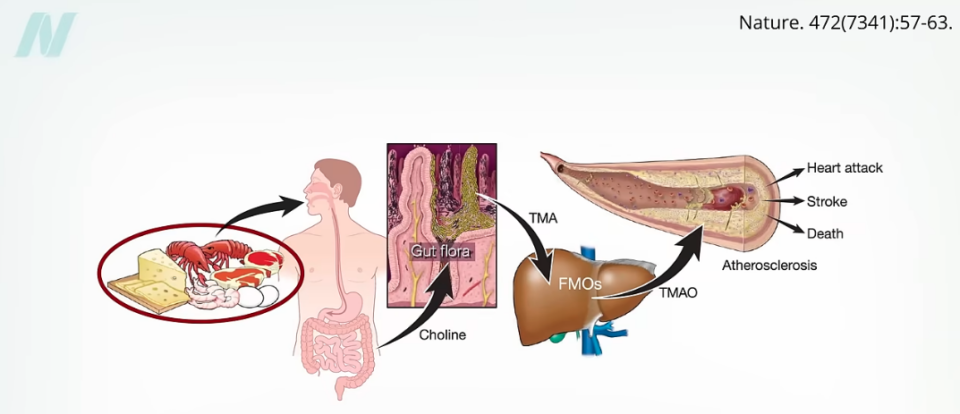
One of the most concerning discoveries in recent years involves the metabolism of specific nutrients—carnitine and choline—found abundantly in meat, dairy, and eggs. When these substances reach the gut, they are processed by specific populations of bacteria. This metabolic interaction leads to the production of a compound known as Trimethylamine N-oxide, or TMAO. Scientific literature has increasingly identified TMAO as a significant marker of cardiovascular risk. Elevated levels of this toxic byproduct in the bloodstream have been linked to an increased incidence of heart attacks, strokes, and premature death.
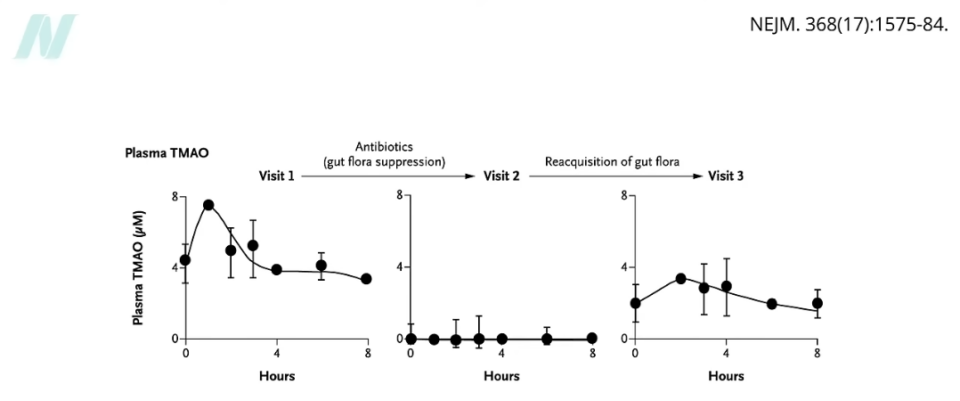
The process is remarkably sensitive to the presence of specific bacterial colonies. Clinical evidence illustrates this through controlled studies: when participants are given two eggs, their blood chemistry shows a rapid, significant spike in TMAO levels within hours. However, the mechanism is not purely dietary; it is dependent on the biological machinery of the gut microbiome. Researchers have demonstrated that if individuals undergo a course of antibiotics—effectively wiping out their gut flora—and are then fed the same two eggs, the TMAO spike does not occur. The toxic production is silenced because the specific, "egg-eating" bacteria responsible for the conversion have been temporarily eliminated.
This state of protection is transient. As the gut microbiome begins to recover over the subsequent month, the body’s ability to generate TMAO returns in tandem with the regrowth of these microbial populations. Once these specific bacteria are re-established, the consumption of eggs once again triggers the production of the harmful compound.
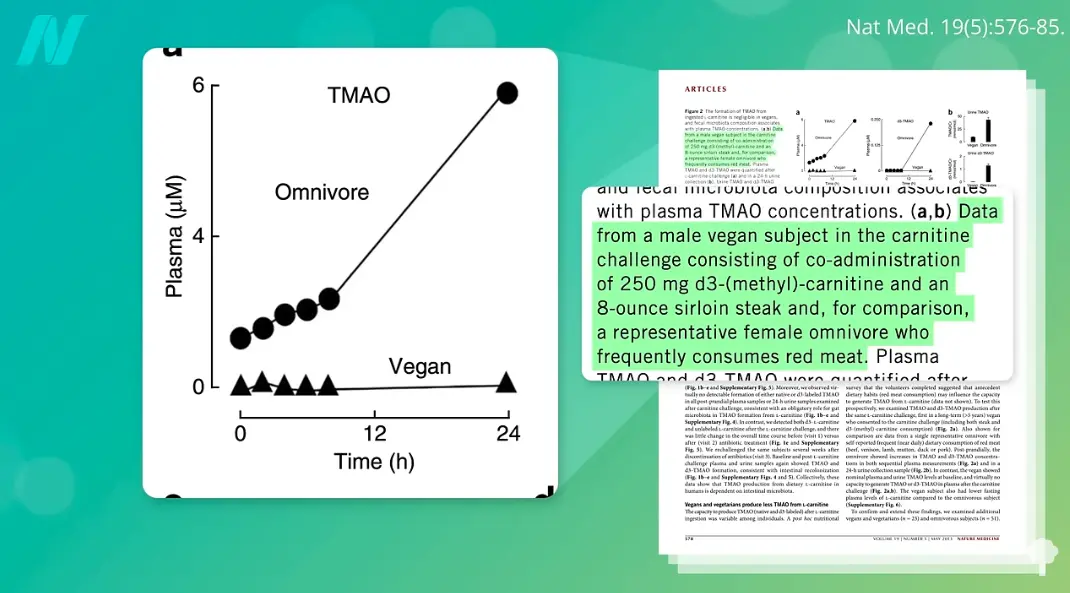
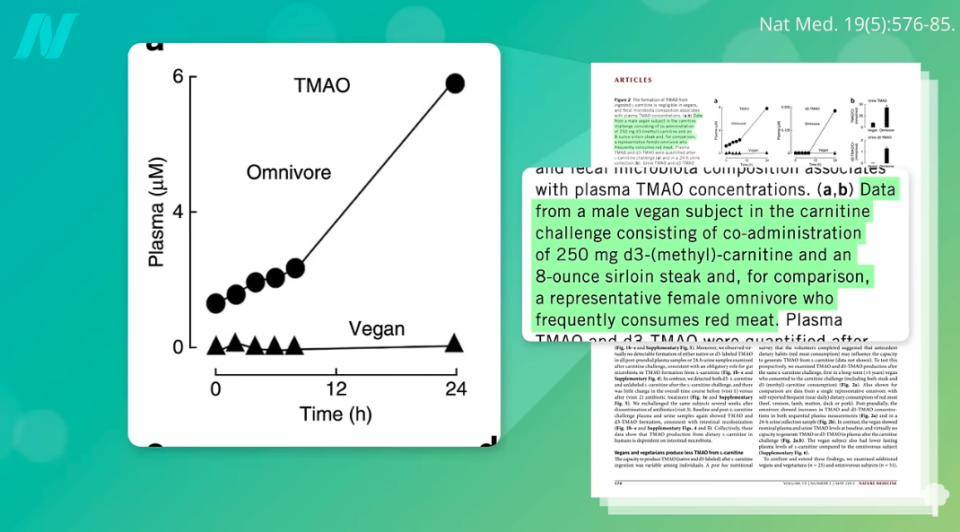
A similar phenomenon has been documented with red meat. When study participants consume a meal containing an 11-ounce steak, TMAO levels in their blood rise sharply. Yet, when the same individuals consume the same quantity of meat after a period of antibiotic treatment, the spike is absent. These findings clarify that developing cardiovascular complications through this pathway requires a "double-hit" scenario: the presence of specific animal-derived nutrients and the presence of the corresponding microbial population that metabolizes them. This explains why individuals following a strict vegan diet can theoretically consume foods like sirloin—or in real-world terms, why they lack the biological substrate to generate TMAO from such foods—because they do not harbor the specialized, meat-metabolizing bacterial strains in their digestive tracts.
The Protective Power of Plant-Based Nutrition
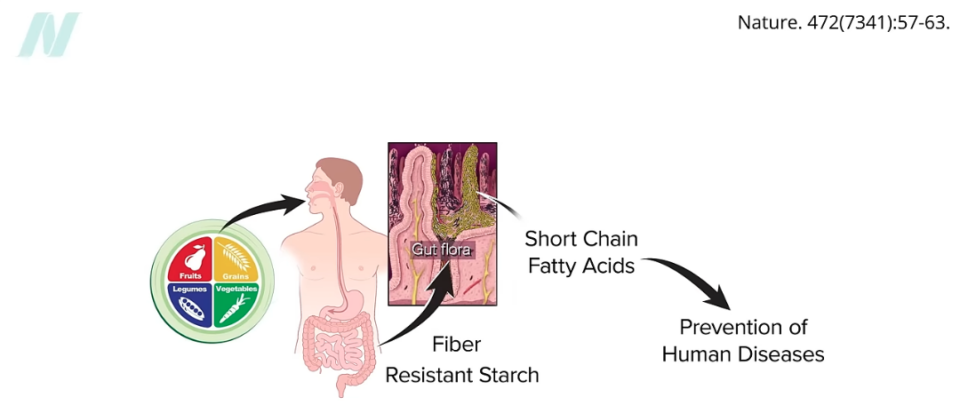
While the metabolic pathway for TMAO highlights the risks associated with certain animal-based diets, the inverse holds equally true for the consumption of whole plant foods. When we consume fruits, vegetables, whole grains, legumes, nuts, and seeds, we provide our gut flora with fiber and resistant starches. These are the primary fuels for a different class of beneficial bacteria, which in turn produce short-chain fatty acids (SCFAs) like butyrate.
These short-chain fatty acids are essential to human health. They act as a powerful, protective force within the body, helping to seal the intestinal lining—thereby preventing "leaky gut"—while simultaneously reducing systemic inflammation, improving insulin sensitivity, and aiding in weight management. Just as the production of toxic TMAO required the synergy of animal-based substrates and specific bacteria, the health-promoting benefits of plant foods rely on the synergy of fiber intake and the presence of fiber-fermenting microbial communities.
The impact of this relationship is immediate and measurable. In studies involving the consumption of intact whole grains—such as barley kernels—researchers have observed that within just three days, the increase in fiber intake significantly improved the insulin sensitivity of participants by approximately 25%. This means that the subjects’ bodies were able to manage glucose levels more efficiently, requiring less insulin secretion to handle the same carbohydrate load.
However, the efficacy of this response is not uniform across the population. Some individuals show profound, positive changes in their blood sugar and insulin profiles, while others see little to no improvement. This disparity is attributed to the composition of the individual’s microbiome. Fiber intake alone is not a panacea; it requires the presence of specific fiber-feeding bacteria, such as the genus Prevotella. To cultivate these beneficial populations, a consistent, long-term intake of dietary fiber is necessary.
The Microbiome Divide
The stark contrast between different dietary habits is clearly reflected in the microbial diversity of human populations worldwide. For instance, rural African children who consume a diet consisting of approximately 97% whole, plant-based foods possess levels of Prevotella that are significantly higher than those seen in individuals consuming a standard Western diet. This abundance is directly correlated with the high volume of short-chain fatty acids detected in their metabolic output.
In industrialized societies, the choice to habitually follow a vegetarian or vegan diet promotes the enrichment of these fiber-consuming bacteria over time. This shifts the internal environment of the gut, which may explain the notable differences in inflammatory markers between omnivores and vegetarians. Researchers have suggested that regular exposure to animal-based foods may favor an intestinal environment that triggers systemic inflammation and contributes to metabolic disorders, such as type 2 diabetes. The reduced level of chronic, systemic inflammation associated with a plant-based gut microbiome is believed to be a key factor in its protective, disease-preventing benefits.
A common question arises: can omnivores simply consume more plants to achieve the same benefits? The evidence suggests there are inherent constraints on diet-dependent gut metabolite production. Even when an omnivore increases their fiber intake, they may be limited by a lack of the necessary "machinery"—the specialized fiber-munching bacterial colonies that have been cultivated over time in a plant-based, fiber-rich environment. While someone with a low fiber intake can see improvements by increasing their consumption, there is a ceiling to these benefits if the microbiome is not structurally optimized to process that fiber.
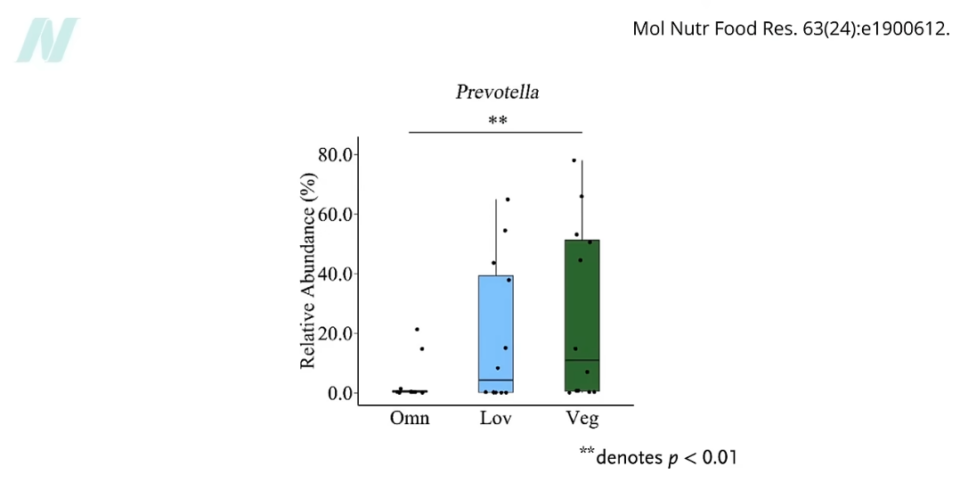
Conversely, those who maintain a plant-based diet have cultivated a diverse and robust ecosystem of fiber-feeding bacteria. For these individuals, the potential for producing beneficial metabolites is significantly higher. Provided the diet consists of whole, unprocessed plant foods rather than plant-based junk food, this dietary pattern effectively supports a diverse and flourishing ecosystem of beneficial bacteria, which is fundamental to both a healthy gut and long-term systemic wellness. As science continues to map the intricate connections between our diet and our microbes, it becomes increasingly clear that we are not just feeding ourselves, but also the trillions of organisms that reside within us.