
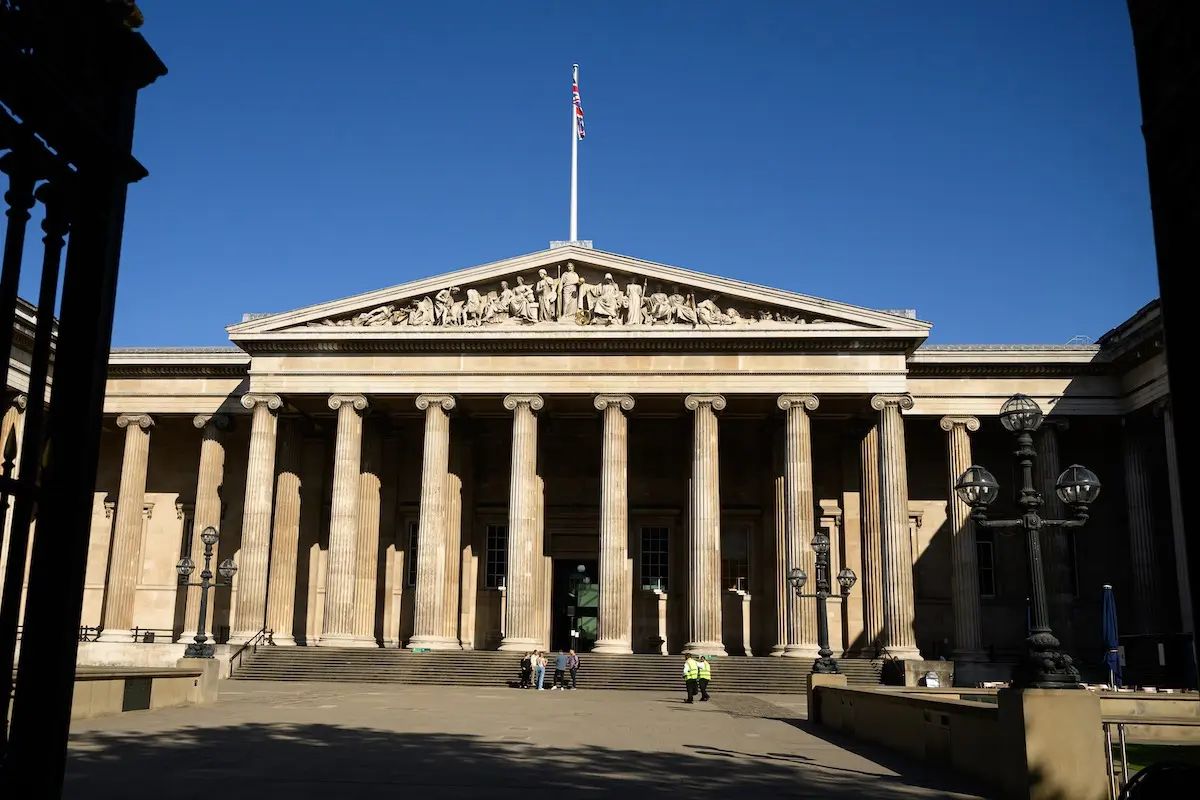
In a definitive move to safeguard one of the United Kingdom’s most cherished cultural policies, the government on Monday officially poured cold water on mounting speculation that international visitors might soon be required to pay entry fees for the nation’s premier national museums.
Lisa Nandy, the Secretary of State for Digital, Culture, Media and Sport (DCMS), used a high-profile event at Tate Liverpool—organized by Art Fund and the Cultural Policy Unit—to deliver the assurance that the UK’s commitment to free admission remains steadfast. Her announcement serves as a significant confirmation for a suite of iconic institutions, including the British Museum, Tate, the National Portrait Gallery, and National Museums Liverpool, all of which will continue to welcome both domestic and international visitors without a price tag at the door.
A Quarter-Century of Cultural Access
The timing of the announcement is particularly poignant as the UK’s free museum-entry policy approaches its 25th anniversary. The mandate, which transformed the accessibility of the nation’s cultural landscape, was originally introduced by the Labour government on December 1, 2001. At that time, 15 national museums sponsored by the DCMS adopted the policy, effectively removing financial barriers for millions of citizens and tourists alike.
For nearly two and a half decades, the policy has been viewed as a pillar of British public life. During her address at the Tate Liverpool event, Nandy emphasized that the government’s vision for these institutions is rooted in the belief that they must remain open and accessible to everyone, regardless of nationality or economic status.
"They remind us of our shared history and enable us to step outside the confines of our lives," Nandy remarked, underscoring the intrinsic value of these spaces. Looking toward the future, she suggested that the free entry policy should remain in place "forever," framing it as an essential mechanism for ensuring that the country’s vast and significant collections remain a public good rather than an exclusive commodity.
Settling the Debate on International Fees
The government’s intervention effectively settles months of intense debate and public speculation regarding whether the financial pressures facing the sector might necessitate a departure from the status quo. For some time, industry observers and policymakers have questioned how publicly funded cultural institutions could best manage the rising costs of maintenance, staffing, and exhibition development. These conversations were often held against the backdrop of wider fiscal scrutiny, including a recent review of Arts Council England (ACE), which prompted discussions about how arts organizations might diversify their revenue streams.
The proposal to charge overseas visitors had emerged as a potential—albeit controversial—solution to these fiscal pressures. Proponents of the fee structure argued that, in an era of global tourism, international visitors could provide a vital, untapped source of income that would alleviate the burden on the taxpayer while sustaining the institutions.
However, the Cultural Policy Unit has been a vocal opponent of such measures, leading a persistent campaign to ensure that museums remain free for all, including international guests. Alison Cole, the director of the Cultural Policy Unit, praised the government’s decision, noting that the policy has evolved beyond a mere admission strategy. "It has grown into something much bigger than an approach to museum admissions," Cole said, describing the policy as "a universal public good" that strengthens the UK’s global cultural standing.
A Unified Front Among Museum Leaders
The government’s decision has been met with broad approval from the leadership of the country’s most prestigious institutions. Directors who have been at the center of these discussions expressed relief and satisfaction that the principle of free entry has been upheld.
Tristram Hunt, director of the Victoria and Albert Museum, and Nicholas Cullinan, director of the British Museum, were among those who voiced support for the continued policy. Their endorsement reflects a consensus that the cultural and social value of free entry far outweighs the potential short-term financial gains of charging international visitors.
Gabriele Finaldi, the director of London’s National Gallery, offered perhaps the most ringing endorsement of the policy’s impact on British society. "Free entry to national museums is one of the UK’s greatest cultural assets," Finaldi said. "It enables millions to visit, enjoy, and learn." According to Finaldi, the policy has been instrumental in embedding museums into the fabric of everyday public life, turning these spaces into hubs of education and community engagement rather than tourist attractions accessible only to those who can afford an entry fee.
The Complexity of Cultural Funding
Despite the government’s firm stance, the conversation surrounding the financial sustainability of the museum sector is far from over. The sector remains divided on the best path forward, and the debate has highlighted the inherent tensions in funding world-class cultural institutions.
Earlier in July 2024, the discussion reached a fever pitch when Mark Jones, then serving as the interim director of the British Museum, suggested the introduction of a £20 admission charge specifically for international tourists. Jones argued that such a fee could provide a crucial injection of capital for museums, allowing them to remain modern and competitive on the global stage. His suggestion sparked a flurry of debate, forcing the sector to grapple with the trade-offs between fiscal independence and the traditional mission of free access.
This debate is now unfolding within a larger, more complex conversation regarding the broader landscape of cultural funding in the UK. As the government explores new methods to support local and regional arts provision, it has recently granted regional authorities in England the power to implement an "Overnight Visitor Levy." This tax, which essentially functions as a localized tourist fee, is being viewed by some as a more palatable alternative to museum entry charges.
Advocates for the arts have been quick to point out that any revenue generated from such a levy should be ring-fenced for the benefit of arts and cultural provision. By directing funds from tourism toward the institutions that make those destinations attractive in the first place, the government may be seeking a middle ground—one that supports the financial health of the cultural sector without compromising the open-door policy that defines it.
As the 25th anniversary of the free entry policy approaches, the government’s commitment on Monday serves as a clear signal that, for now, the status quo will be preserved. While the financial challenges facing museums remain significant, the prevailing view from the DCMS and the heads of the nation’s museums is that the value of keeping these doors open—to everyone, regardless of origin—is an investment in the national identity that the government is unwilling to sacrifice. For the millions who walk through the doors of the British Museum or the Tate each year, the policy remains a cornerstone of the British cultural experience, ensuring that history and art continue to be shared, rather than sold.