
The Iraqi archaeological community is reeling following the arrest of two prominent scholars earlier this month, a development that many observers believe is a retaliatory move against those who have dared to challenge the country’s top heritage regulatory body. The arrests have ignited a fierce debate regarding the integrity of the State Board of Antiquities and Heritage (SBAH), the government agency tasked with protecting Iraq’s unparalleled, yet fragile, historical legacy.
According to reports from The Art Newspaper (TAN), the detentions come amid a backdrop of increasing friction between independent experts and the bureaucratic apparatus governing Iraq’s vast network of archaeological sites. The primary figure at the center of this controversy is Ali Tabar, a highly respected archaeologist and one of the nation’s foremost experts in drone surveying. Tabar’s work, which involves capturing high-resolution aerial imagery to document the condition of sites before and after excavations, has been instrumental in modernizing Iraqi archaeological fieldwork.
The Charges Against Ali Tabar
On September 17, Ali Tabar was taken into custody on charges of extortion. Until recently, Tabar was employed by the SBAH, where he served as a technical expert for high-stakes site documentation. Beyond his state duties, he had established a reputation for collaborating with prestigious international research teams, including those from the Sapienza University of Rome and the University of Bern. These partnerships were widely viewed as essential for bringing advanced technology and scientific rigor to the study of Iraq’s ancient landscapes.
However, the SBAH has painted a starkly different picture of Tabar’s professional conduct. In a statement released on its official Facebook page following the arrest, the commission alleged that Tabar had been working with international teams without official authorization and had been receiving payments from these entities illegally.
The SBAH’s statement took a firm stance, framing the arrest as a necessary step to protect the integrity of the institution. "The General Authority for Antiquities and Heritage affirms its support for such deterrent measures that stand against any practices that harm the country’s reputation, and ensure the protection and security of the work of foreign missions working in archaeological sites," the post stated. The commission further emphasized its "absolute commitment to fighting financial and administrative corruption in all its forms," asserting that it would not tolerate any individual who attempts to tarnish the institution’s image or jeopardize Iraq’s diplomatic and scientific relations with foreign partners.
ARTnews attempted to verify these claims by reaching out to the SBAH, as well as the Sapienza University of Rome and the University of Bern. As of the time of publication, none of these organizations had provided a response regarding the nature of their professional arrangements with Tabar or the allegations of illicit payments.
A Pattern of Retaliation?
For those familiar with the recent trajectory of Iraqi cultural heritage policy, the timing of Tabar’s arrest feels far from coincidental. During his hearing, Tabar reportedly denied the accusations of extortion brought against him. Instead, he maintained that his detention was a direct result of his vocal campaign against what he characterizes as systemic corruption within the SBAH—a campaign that has placed him in direct opposition to the agency’s leadership.
For over a decade, critics have accused the SBAH of failing to prevent, and in some cases facilitating, the encroachment of real estate development onto protected archaeological lands. Tabar has been a leading voice in highlighting how these development projects—often approved despite clear evidence of significant historical remains—have resulted in the irreversible destruction of hundreds of sites.
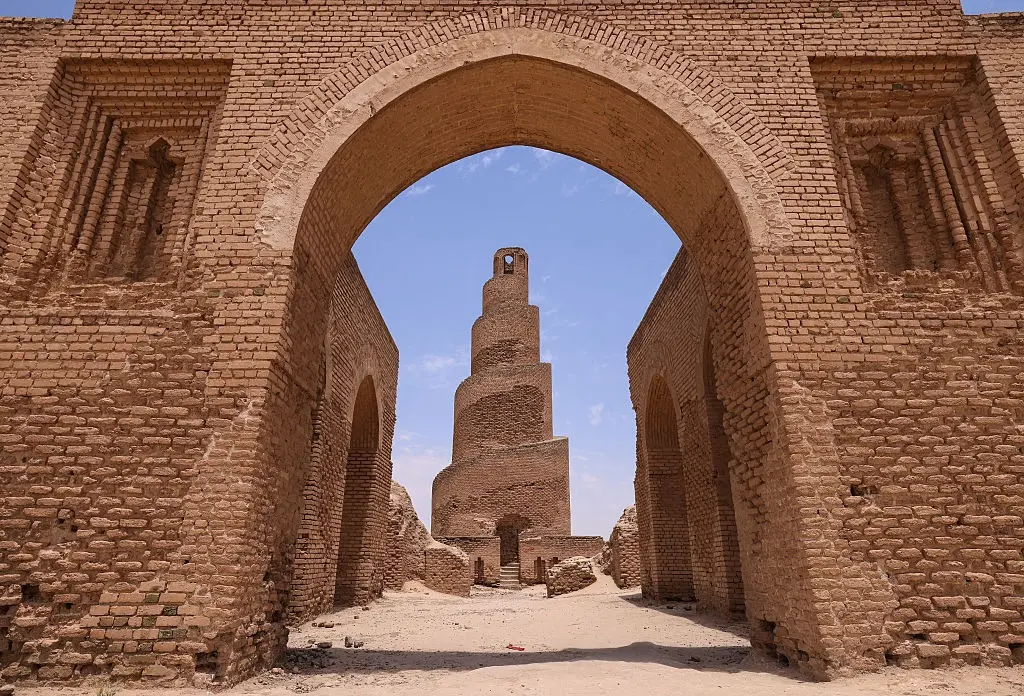
One of the most notable cases cited by observers involves Samarra, the ninth-century capital of the Abbasid Empire. Tabar had conducted extensive drone surveys of the area, which revealed a surprisingly dense concentration of Christian churches and monasteries nestled among the iconic mosques and palaces of the caliphate. Despite the archaeological significance of these findings, the area was bulldozed earlier this year to make way for development.
Before his arrest, Tabar had taken formal steps to challenge these practices. Reports indicate that he had raised his concerns with the state’s Integrity Commission, the public prosecution service, and local police, in addition to publishing his findings and grievances on social media. His supporters argue that these actions made him a target for those within the SBAH who felt their influence and interests were being threatened by his public transparency.
Broader Implications for Heritage Preservation
The case of Ali Tabar is not an isolated incident. The arrest of Mosul University professor Amir Al-Jumaili has further fueled fears that the state is engaged in a concerted effort to silence academic dissent. Al-Jumaili, a scholar known for his expertise in the region’s history, had publicly criticized the SBAH regarding land seizures in Nineveh—the ancient capital of the Neo-Assyrian Empire and one of the most historically significant sites in the world.
According to Iraqi media reports, Al-Jumaili was also taken into custody, though the details of his situation remain murky. At present, it is unclear whether the professor has been released, whether he is currently being held, or if he is in the process of facing formal charges. The lack of transparency surrounding both his and Tabar’s cases has deepened the sense of anxiety among the academic and archaeological communities, both within Iraq and abroad.
The conflict between state-mandated development and the preservation of historical sites is a perennial issue in many countries, but the stakes in Iraq are exceptionally high. With a history that spans the cradle of civilization, the country’s archaeological sites are not only national treasures but also hold profound global significance. The ability of researchers like Tabar and Al-Jumaili to work independently and report their findings without fear of reprisal is seen by many as a vital component of protecting this heritage.
As the situation continues to unfold, the international archaeological community is watching closely. The question of whether these arrests represent a genuine crackdown on administrative misconduct or a tactical maneuver to suppress critics of government-sanctioned land use remains the focal point of the controversy. For now, the future of both the arrested scholars and the integrity of the sites they sought to defend remains in a state of deep uncertainty. The silence from the institutions involved, coupled with the intensity of the official rhetoric, suggests that this struggle over the management of Iraq’s past is far from over. As the legal proceedings against Tabar and potentially Al-Jumaili move forward, the broader question of how Iraq will balance its modern developmental needs with its obligation to honor and protect its ancient history will undoubtedly continue to dominate the discourse among experts and citizens alike.