
For years, a central question has haunted nutrition science: Do individuals who consume nuts live longer simply because they are replacing animal-based proteins with plant-based alternatives? The answer, while seemingly straightforward, touches upon a complex web of industrial influence, scientific methodology, and the fundamental mechanics of cardiovascular health. Understanding why specific dietary swaps—such as opting for walnuts or almonds instead of red meat—result in profound health outcomes requires a critical look at how nutritional research is conducted and, at times, manipulated by corporate interests.
To navigate this landscape, one must first recognize the institutional framework governing nutrition science. The American Journal of Clinical Nutrition is widely regarded as the premier peer-reviewed journal in the fields of nutrition and dietetics. However, its publication by the American Society for Nutrition brings to light the uncomfortable reality of industry-funded research. The society’s list of sustaining partners includes an array of entities with clear stakes in dietary trends, ranging from soda manufacturers and the sugar industry to major players in the meat, dairy, and egg sectors.
The presence of the National Cattlemen’s Beef Association as a partner in this ecosystem offers a lens through which to view certain published findings. For instance, the journal previously featured an article claiming that the consumption of red meat does not negatively influence cardiovascular disease risk factors. To a casual observer, this might appear to be a settled scientific finding. To researchers familiar with the nuances of study design, it is a classic example of "the industry playbook" at work.
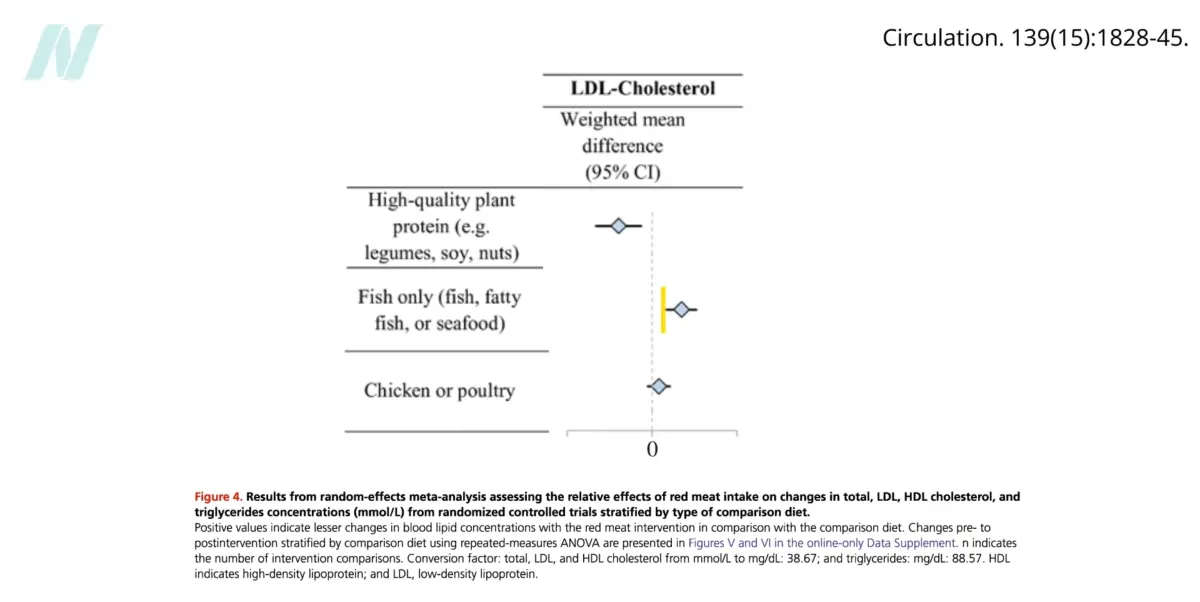
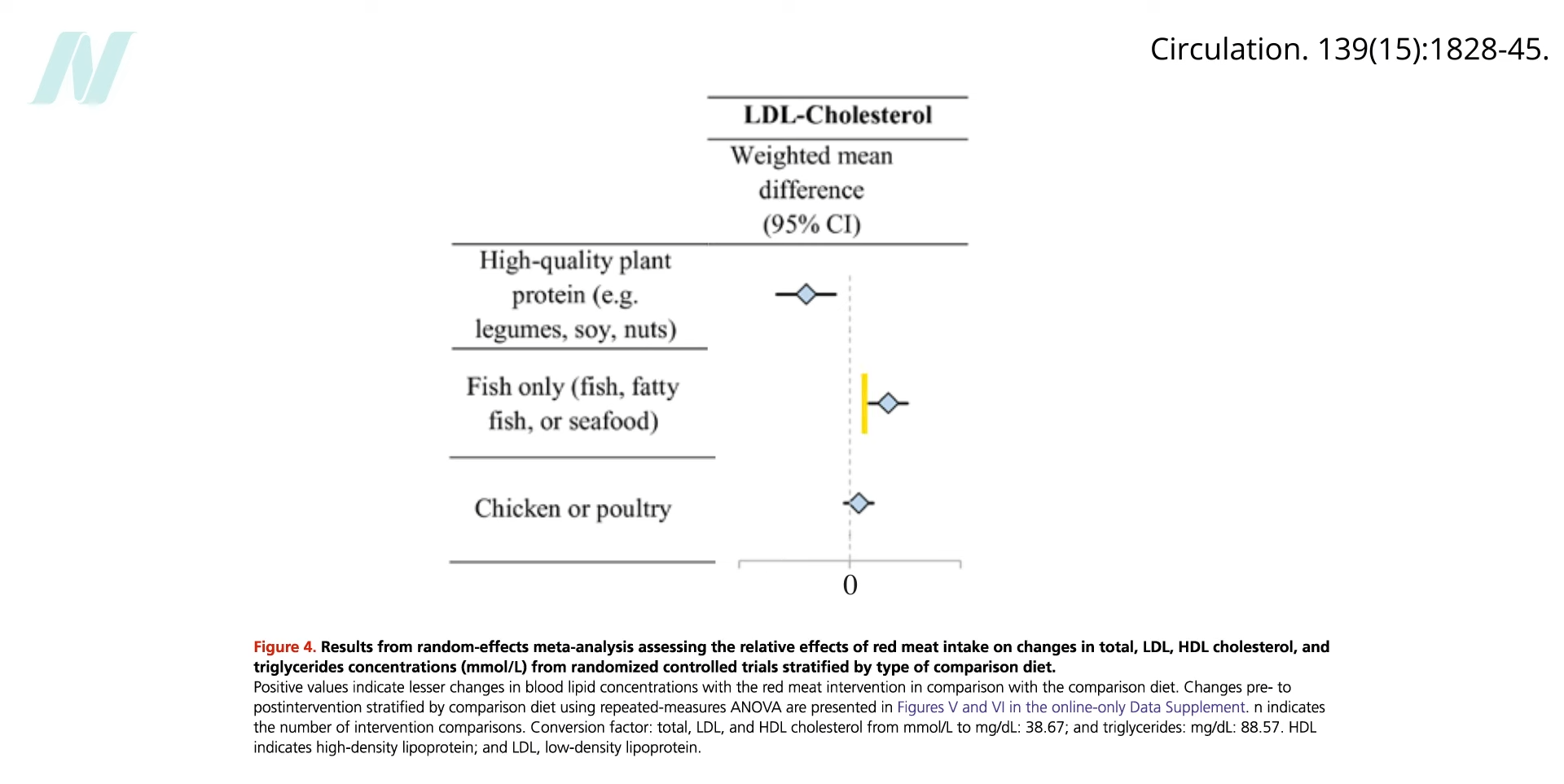
The central issue, as pointed out by esteemed experts such as Dr. Neal Barnard and Dr. Walter Willett in their editorial, "The Misuse of Meta-analysis in Nutrition Research," is a failure to address the question: "Compared with what?" When investigators design a study to determine the impact of red meat on cholesterol or blood pressure, the results are entirely dependent on what the test group is consuming instead of that meat. In the meta-analysis that claimed red meat had no negative impact, researchers examined 39 trials on LDL cholesterol. Upon closer inspection, nearly 90% of those trials did not compare red meat to a healthy, plant-based diet; they compared red meat to white meat, such as chicken or fish.
This methodology is akin to a study claiming that a high intake of Twinkies does not negatively impact health markers because the researchers compared the participants to a group eating Ding Dongs. If the control group is consuming another processed food, the lack of a measurable difference between the two cohorts proves nothing about the baseline safety of the food being tested. It is a well-documented tactic often utilized by the pharmaceutical industry: testing a new drug against a competitor known to be equally ineffective or harmful to ensure that the study does not reveal a significant divergence in outcomes.
When researchers swap meat—even lean beef—for plant-based alternatives, the health outcomes shift dramatically. Studies consistently demonstrate that replacing animal proteins with plant-based sausages, chicken patties, or veggie dogs leads to significantly lower LDL cholesterol levels. This is not merely a result of reduced saturated fat, though that is a contributing factor. Even when controlling for saturated fat levels, clinical evidence suggests that consuming any form of meat—whether red or white—consistently results in higher LDL cholesterol compared to non-meat protein sources.
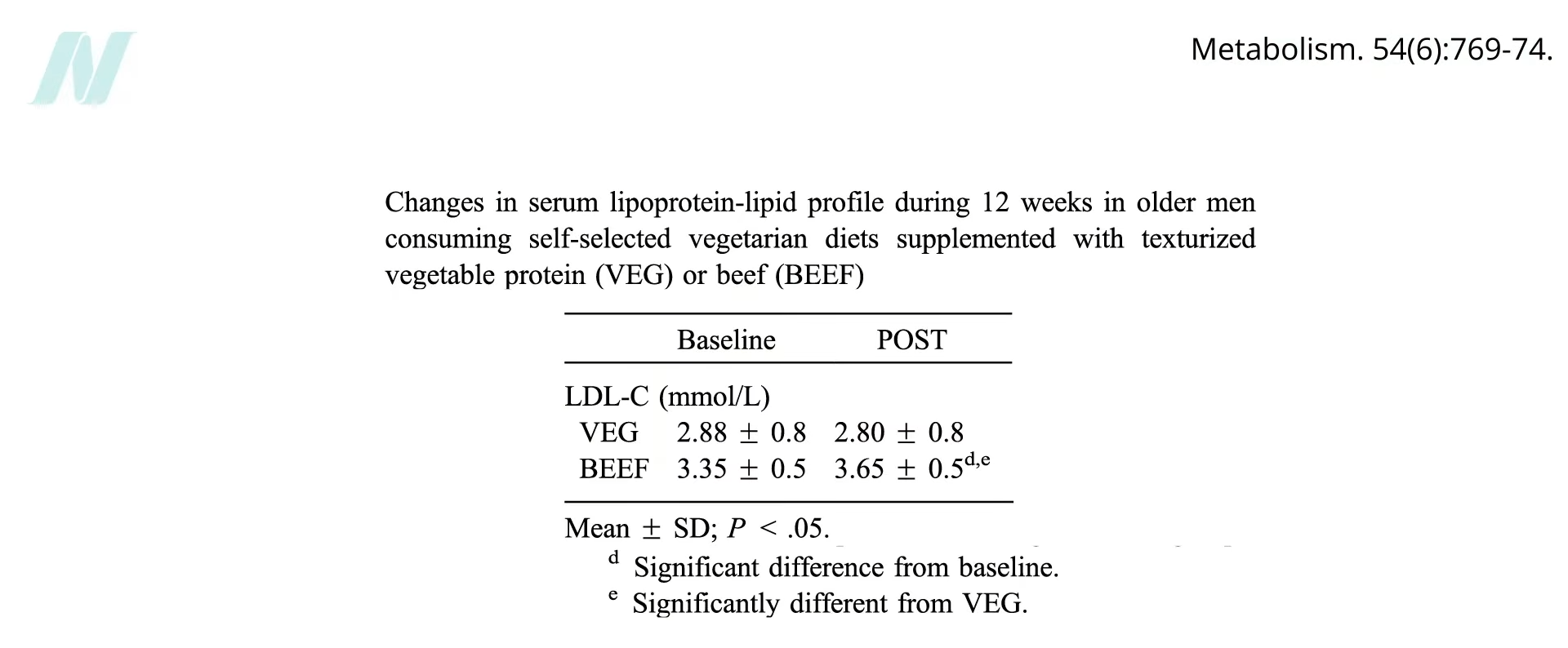
The consensus among independent researchers is that white meats like chicken and turkey are just as problematic as red meat when it comes to cholesterol markers. In some cases, fish may perform even worse. When studies attempt to "standardize" the saturated fat content by adding butter to fish or poultry, the negative impact on cholesterol levels remains comparable to that of beef. In stark contrast, plant-based protein sources such as soy, nuts, and legumes—including split peas, chickpeas, and lentils—consistently outperform animal proteins in clinical trials.
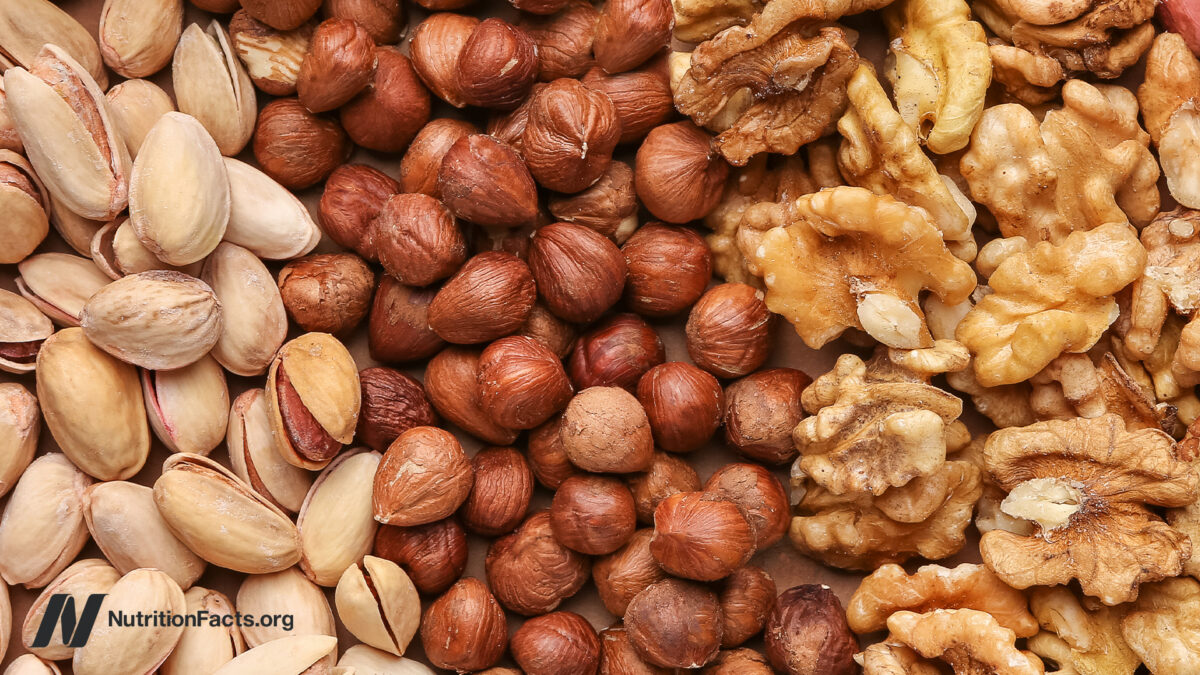
The health implications of these findings are substantial. Replacing a single serving of even lean beef with an equivalent caloric amount of nuts or soybeans has been shown to lower LDL cholesterol, which remains a primary risk factor for heart disease, the leading cause of mortality for both men and women globally. This physiological benefit helps explain the mounting body of evidence that links a daily serving of nuts to a 22% reduction in the risk of premature death.
While the data suggests that millions of deaths annually may be linked to inadequate nut intake, the question remains: is the benefit solely due to the exclusion of meat? The evidence suggests otherwise. The reduction in heart attacks among frequent nut consumers is just as significant in non-vegetarians as it is in those who follow a strictly plant-based diet. This indicates that the protective properties of nuts function independently of one’s overall dietary pattern. Furthermore, the reduced mortality associated with nut consumption is not limited to those who are already health-conscious. When comparing a dozen different food groups, nuts have been shown to rank higher than vegetables in terms of their association with a lower risk of premature death.
These findings serve as a reminder that the quality of our food choices has a cumulative effect on long-term health outcomes. For those looking to incorporate these benefits into their daily routine, nutritional experts often suggest simple adjustments, such as including a quarter cup of nuts—roughly an ounce—in one’s daily diet.
The ongoing conversation regarding nutrition research also serves as a broader lesson on media and scientific literacy. The manipulation of study designs to protect specific industrial interests is a well-documented phenomenon that complicates the public’s ability to discern sound medical advice. As researchers continue to peel back the layers of these "corporate playbooks," the importance of scrutinizing not just the results of a study, but the methodology and the funding behind it, becomes increasingly clear. For now, the scientific evidence remains robust: prioritizing plant-based proteins, particularly nutrient-dense options like nuts and legumes, remains one of the most effective strategies for promoting longevity and protecting cardiovascular health.