
By Michael Greger, M.D. FACLM
October 1, 2026
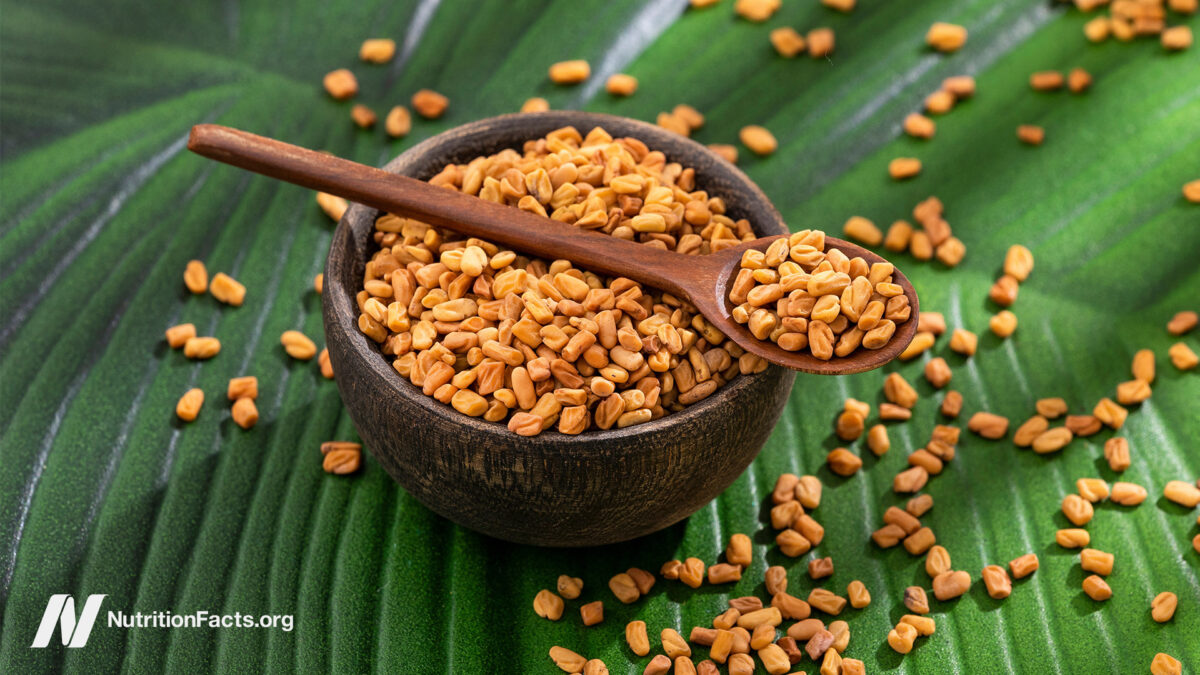
For years, the humble fenugreek seed has been whispered about in athletic circles as a potential natural supplement for muscle development and testosterone support. While its reputation for "bulking" has persisted, recent clinical research suggests that the physiological impact of this ancient spice extends far beyond the gym. From sexual function and hormonal balance to menopausal symptom relief and even lactation support, fenugreek is proving to be a surprisingly versatile botanical tool.
A Deeper Look at the "Testosterone Effect"
The conversation surrounding fenugreek often begins with its reported impact on male physiology. In previous reviews of the scientific literature, I profiled a notable study involving young men randomized to receive either a placebo or fenugreek capsules over an eight-week period. The results were compelling: participants who received the fenugreek supplementation demonstrated significant improvements in both upper and lower body strength, alongside favorable changes in body composition and a reduction in body fat percentage.
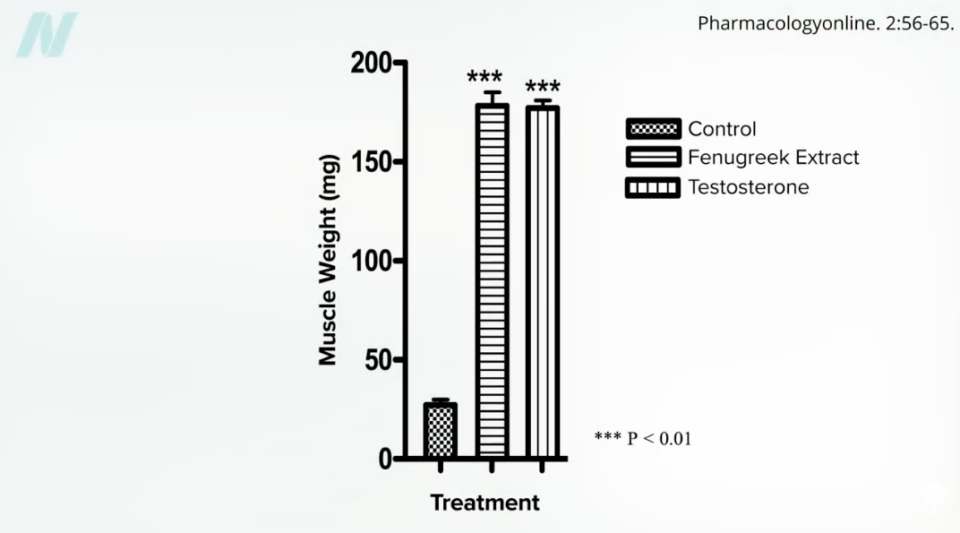
While the primary side effect—an aromatic change in sweat and urine, often described as smelling faintly of maple syrup—is certainly distinct, many have viewed this as a negligible trade-off for the performance benefits. But how does it work? Research conducted on immature, castrated rats suggests that the muscle-building properties of fenugreek are indeed linked to a testosterone-mediated effect. These animal studies have provided a foundational, if limited, understanding of the underlying androgenic activity.
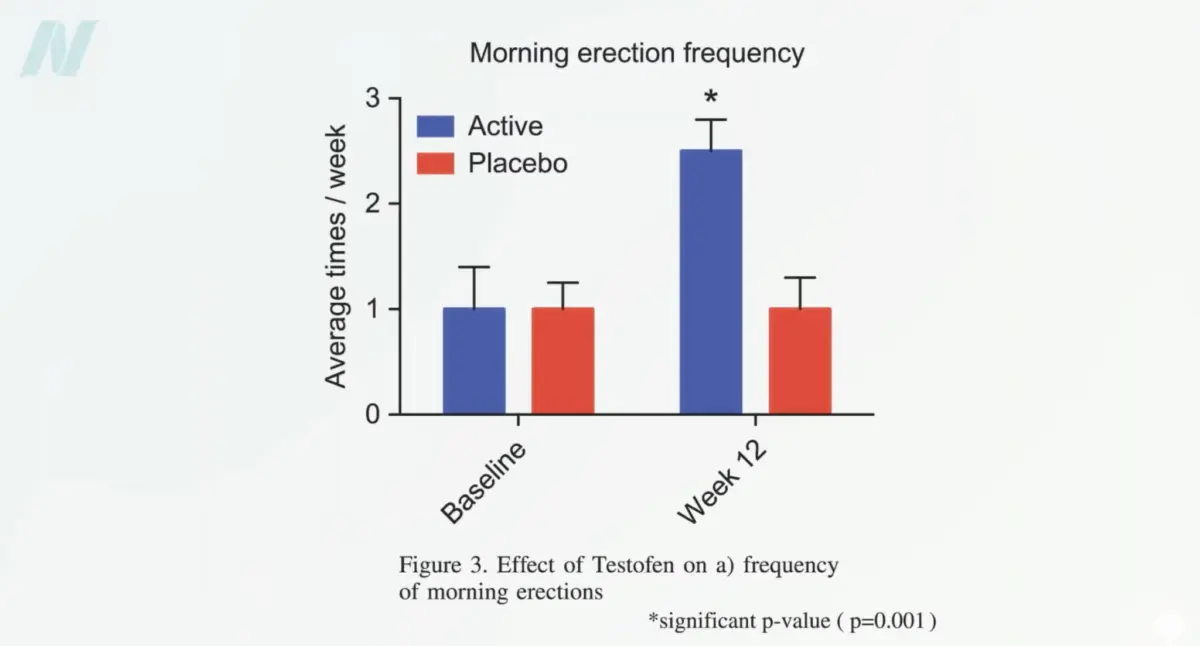
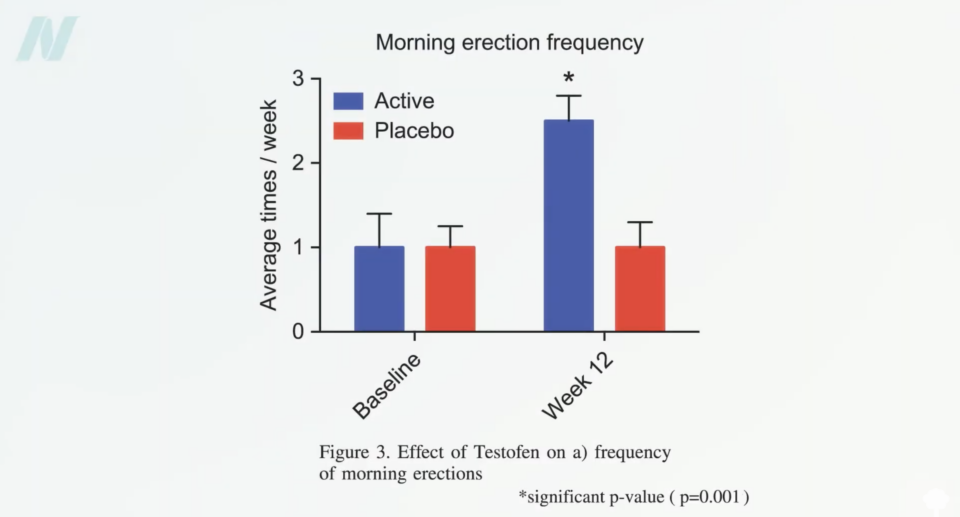
However, moving from rodent models to human clinical trials was the necessary next step. Four randomized controlled trials have since put these theories to the test, consistently finding a significant boost in total blood testosterone levels among human participants. This evidence suggests that fenugreek’s influence is not merely a theoretical construct but a measurable physiological outcome. In men, this has translated into tangible improvements in sexual function, with some studies even recording a doubling in the frequency of morning erections.
Hormonal Support and Sexual Desire in Women
The role of hormones in sexual health is complex, involving a delicate interplay between estradiol and testosterone. While the estrogen hormone estradiol is primarily responsible for stimulating vaginal lubrication and blood flow—key components for arousal and sexual satisfaction—testosterone plays a critical, often underappreciated role in regulating sexual desire in both men and women.
For years, the medical community has grappled with how to safely address low sexual desire. Pharmaceutical interventions, such as testosterone patches, have been explored, but these come with legitimate clinical concerns, particularly regarding the risk of blood clots and long-term safety profiles. This has led researchers to investigate whether natural, plant-based alternatives might offer a safer pathway.
Recent investigations into specialized fenugreek seed extracts have yielded promising data. In studies involving healthy menstruating women, researchers observed a significant increase in testosterone compared to the placebo groups, alongside a boost in estradiol. The participants reported a marked increase in both sexual desire and overall function, with the data suggesting a approximate doubling of sexual activity compared to those who received the placebo. These findings open a new chapter in understanding how simple botanical extracts might safely modulate hormonal environments to improve quality of life.
Menopause and the Management of Symptoms
The hormonal shifts associated with menopause present significant challenges for many women, including hot flashes, night sweats, and mood fluctuations. Given the evidence that fenugreek may influence estrogenic pathways, researchers conducted a double-blind, randomized, placebo-controlled study to determine if the seed could alleviate these common menopausal symptoms.
The results were striking. The study found a significant reduction in symptoms across every measured domain. Over a three-month period, participants using the extract saw their weekly frequency of hot flashes and night sweats cut in half. By targeting the underlying hormonal fluctuations that drive these symptoms, fenugreek appears to offer a viable, non-hormonal therapeutic option for women navigating the menopausal transition.
Addressing Painful Periods and Lactation
The therapeutic reach of fenugreek also extends to the management of dysmenorrhea, or painful menstrual periods. In one study, researchers opted to use plain, store-bought fenugreek powder rather than a proprietary, expensive extract. By packing the powder into capsules to ensure a blinded comparison against a sugar pill, the study tested a relatively modest dose: about one-third of a teaspoon, taken three times a day during the first three days of the menstrual cycle.
The economic and physical results were significant. For a cost of only about five cents per dose, participants experienced a substantial decrease in pain. Furthermore, secondary symptoms often associated with menstruation—including fatigue, nausea, and headaches—also showed notable improvement.
Perhaps most famously, however, is the use of fenugreek as a galactagogue, a substance that promotes or increases the flow of breast milk in lactating mothers. While the term sounds like something pulled from a science fiction script, its efficacy is rooted in traditional practice and modern clinical verification. In a randomized, double-blind, placebo-controlled trial, researchers tested a specific combination: less than a quarter teaspoon of fenugreek, less than a quarter teaspoon of ground ginger, and approximately a sixteenth of a teaspoon of turmeric.
The results were dramatic. Breastfeeding women in the study doubled their milk production within a month. The progress was steady, showing a 50 percent increase by the second week and reaching a 100 percent increase by the fourth week of the intervention.
Important Safety Considerations
Despite the wide array of potential benefits, caution remains essential. Because of the potential for fenugreek seeds to stimulate the uterus, it is strongly advised that they not be used during pregnancy. While this guidance is largely derived from laboratory animal data rather than human clinical trials, the medical consensus remains that it is better to be safe than to risk unnecessary complications.
As with any dietary supplement, the effectiveness of fenugreek is tied to consistent application and an understanding of its limitations. Whether utilized for athletic performance, hormonal balance, or specific wellness concerns, the evidence points to fenugreek as a potent botanical agent. For those interested in exploring the research further, additional information regarding the specific mechanisms of action and a more detailed breakdown of the associated side effects can be found in my previous reports on the benefits and risks of regular fenugreek consumption.