
If you consider your health a high priority—the type of person who would find it unthinkable to light up a cigarette before or after a midday meal—you might want to reconsider your choice at the deli counter. While public health messaging has spent decades effectively demonizing tobacco, the same rigorous scrutiny is rarely applied to the dietary habits that, according to global health data, may be quietly shortening our lives. New evidence suggests that if you are concerned about your long-term health, swapping a processed meat sandwich for a bean burrito could be one of the most impactful decisions you make today.
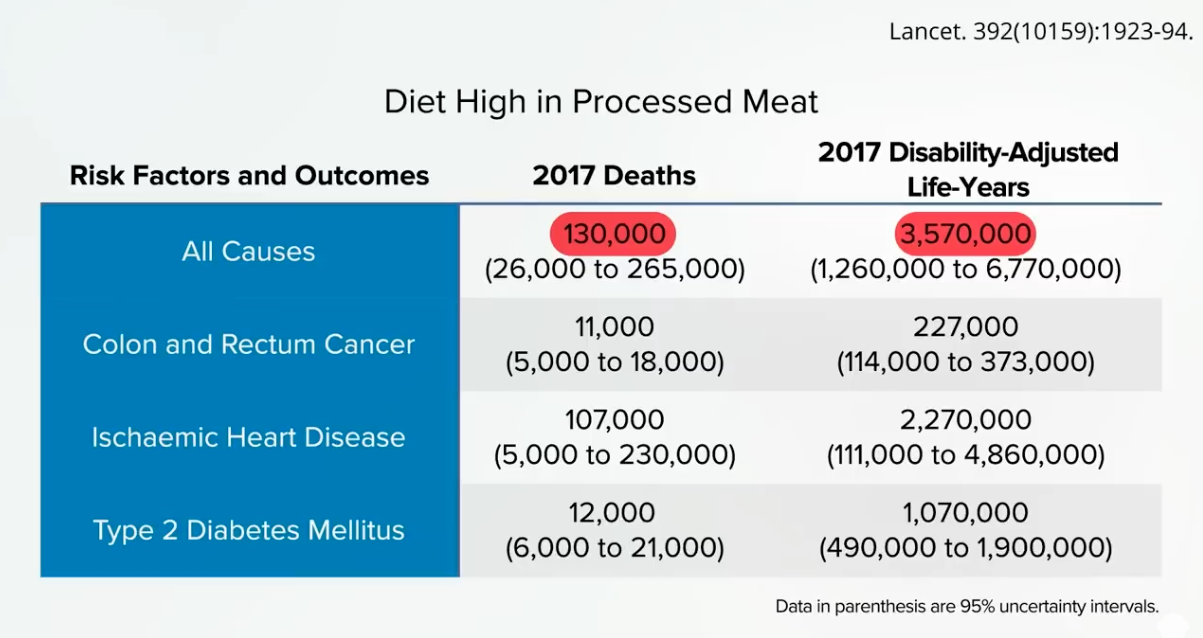
The Global Burden of Disease Study, a massive, ongoing international effort to quantify the health impact of various risk factors, has provided sobering data on the consequences of modern dietary patterns. Diets high in processed meats—including staples such as bacon, ham, hot dogs, lunch meat, and sausage—are estimated to be a contributing factor in the deaths of more than 100,000 people annually. This mortality is driven largely by cardiovascular disease, though the links to certain cancers and type 2 diabetes are increasingly well-documented. When aggregated, these dietary choices account for millions of "healthy years of life lost" globally every single year.
The scale of this issue is often difficult to grasp because the damage occurs incrementally. However, researchers have attempted to quantify the population-level impact to make the stakes clearer. The Union of Concerned Scientists has projected that if the American population could reduce its intake to just one ounce of processed meat per week, thousands of cancer deaths could be prevented every year. Yet, these massive figures often fail to resonate on an individual level. When a person sits down to eat, they are not thinking about national health statistics; they are thinking about their own longevity. This raises a critical question: how can we better understand our personal risk in a way that feels relevant to our daily lives?
In recent months, the conversation around meat consumption has been clouded by controversial papers published in the Annals of Internal Medicine. These studies, often associated with the NutriRECS panel, sparked a firestorm of debate when they suggested that the health risks of red and processed meat were not as significant as previously thought. However, a closer look at the data—even the numbers utilized by the panel itself—tells a different story. When analyzed correctly, the evidence actually points to a 13% lower risk of premature death associated with a reduction in red and processed meat consumption.
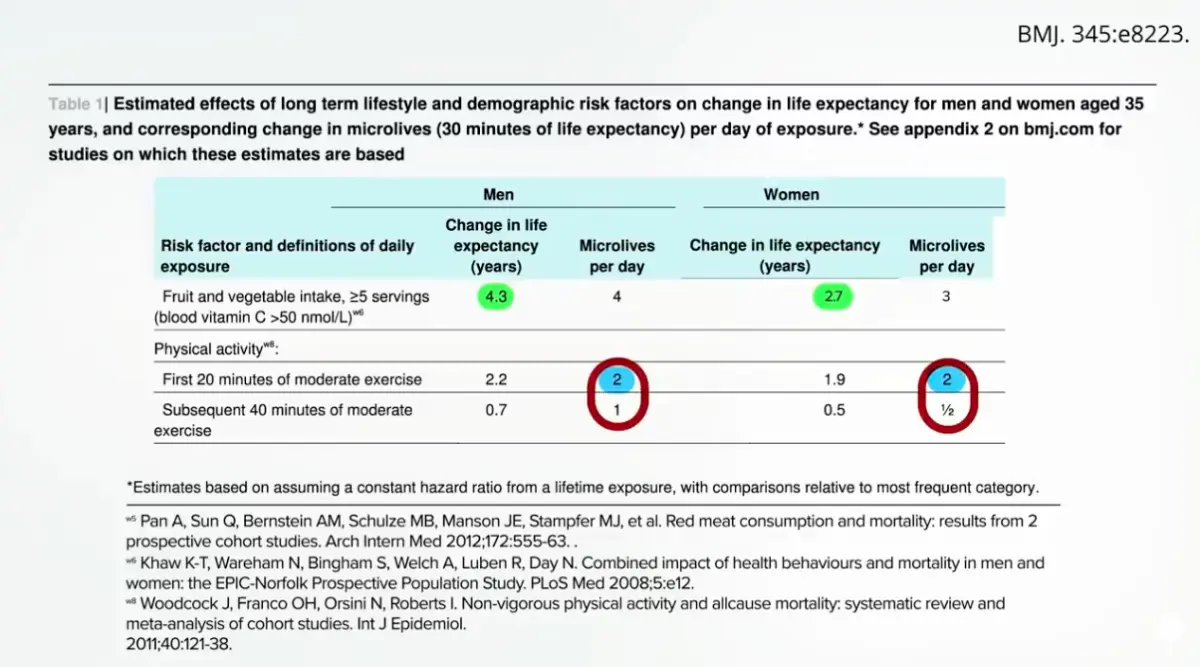
To translate a "13% difference in mortality risk" into something tangible, researchers have begun to utilize the concept of "microlives." The term is designed to make the abstract nature of chronic health risks comparable. To understand a microlife, one must first look at the "micromort," a unit of measurement used to describe a one-in-a-million chance of sudden, accidental death—the type of risk one might face while skydiving or riding a motorcycle.
Unlike the sudden, acute nature of a micromort, a microlife addresses the "lifestyle frailties" that accumulate over time: smoking, physical inactivity, poor diet, and alcohol consumption. A single microlife is defined as 30 minutes of life expectancy. The math behind this is straightforward: for a young adult—perhaps a 22-year-old man or a 26-year-old woman—there are, on average, about 57 years of life remaining. This equates to roughly 20,000 days, or 500,000 hours. If you divide those hours into 30-minute segments, you arrive at one million "microlives."
Using this framework, we can compare seemingly unrelated habits. For example, the evidence suggests that drinking a pint of strong beer shortens your life expectancy by roughly the same amount as smoking one cigarette. If you find it unthinkable to have so little regard for your health that you would smoke two cigarettes a day, then, logically, the health cost of being 11 pounds overweight should be treated with the same level of concern.
This framework is equally powerful when looking at life-extending behaviors. Research indicates that consuming at least five servings of fruits and vegetables every day can add an average of three to four years to one’s lifespan. This benefit is estimated to be nearly twice as effective as daily exercise. However, exercise provides its own immediate return on investment: for every 20 minutes of physical activity, the average person gains an hour of life—or two microlives. For those who claim they lack the time to exercise, this represents a three-to-one return on time invested. While there are diminishing returns after a certain point, the data remains clear: the lifestyle choices we make today act as a bank account for our future years.
When we apply the microlife concept to diet, the results are striking. Each burger consumed is associated with the loss of one microlife, effectively shaving 30 minutes off your life expectancy. In terms of lifespan impact, one burger is roughly equivalent to smoking two cigarettes. When framed this way, the choice between a beef burger and a plant-based bean burrito shifts from a matter of mere preference to a decision regarding one’s future longevity. Processed meats, which are often more heavily preserved and linked to higher inflammatory responses, carry even higher costs when analyzed through these metrics.
The scientific community has been vocal in its pushback against the attempts to downplay these risks. Leading experts, including the chair of nutrition at Harvard, have noted that the controversial meat recommendations often suffer from significant methodological limitations and misinterpretations of nutritional evidence. In a professional consensus, these experts have urged that dietary guidelines should continue to emphasize patterns that are low in red and processed meats while prioritizing minimally processed plant foods, including fruits, vegetables, whole grains, nuts, and legumes like beans, chickpeas, and lentils.
Dr. Dean Ornish, a pioneer in the field of lifestyle medicine, has been a central figure in challenging the narrative that meat can be consumed with abandon. His seminal Lifestyle Heart Trial demonstrated that a comprehensive, plant-based program could actually reverse the progression of severe coronary heart disease. Notably, the study’s control group—who made only modest reductions in meat consumption—continued to experience the worsening of their atherosclerosis. In reflecting on the recent attempts to minimize the risks of meat, Dr. Ornish offered a sobering perspective: "I take solace in knowing that the light drives out the darkness. But, these days, the light has to be very bright indeed. Caveat emptor. Don’t be fooled. Your life may depend on it."
As the discourse on nutrition continues to evolve, the shift toward understanding the cumulative impact of our daily habits—measured in minutes and hours—provides a much-needed level of clarity. Whether it is through the lens of microlives or the broader findings of the Global Burden of Disease, the message remains consistent: the dietary choices we make at lunch are not isolated events. They are part of a lifelong pattern that dictates our health, our vitality, and ultimately, our longevity.