
By Michael Greger, M.D., FACLM
August 6, 2026
For millions of people navigating the complex and often overwhelming world of hair loss treatments, the internet offers a dizzying array of promises. From herbal tinctures and exotic oils to proprietary vitamin blends, the marketplace is flooded with potential remedies. However, for those seeking evidence-based solutions, the landscape is significantly more narrow. Currently, there are only two pharmaceutical interventions that have secured approval from the U.S. Food and Drug Administration (FDA) for the treatment of hair loss: finasteride, widely known by its brand name Propecia, and minoxidil, famously marketed as Rogaine.
While the desire to reclaim a fuller head of hair is a common, understandable goal, it is vital to distinguish between clinical reality and marketing myths. A prevalent misconception is that the vast spectrum of patented hair-loss supplements currently available will reliably trigger significant hair regrowth. The evidence simply does not support this. Beyond the lack of efficacy, there is a significant financial consideration. Over-the-counter supplement regimens can be remarkably expensive, with some users spending upwards of $1,000 annually on products with questionable scientific backing. In contrast, the FDA-approved pharmaceutical options are generally more cost-effective, typically ranging between $100 and $300 per year. Yet, while these drugs offer a clearer path to efficacy, they are not without their own sets of risks and potential side effects.
The Mechanisms of Hair Loss and Drug Intervention
To understand why these medications carry specific side effects, one must first understand the biological processes driving hair loss. Androgens, the group of hormones that includes testosterone, are the primary drivers of hair growth in both men and women. The historical understanding of this relationship is, unfortunately, rooted in a dark chapter of medical ethics. Studies conducted over half a century ago famously demonstrated that the castration of men resulted in the cessation of hair loss. This clinical observation was largely derived from the era of eugenics laws in the United States, a period during which vulnerable populations, particularly those labeled as "mentally handicapped," were subjected to involuntary sterilization, including castration and tubal ligations. These practices, intended to prevent the "contribution to the gene pool," were not only sanctioned but upheld by the U.S. Supreme Court, serving as a grim precursor to international eugenic movements in the 1930s.
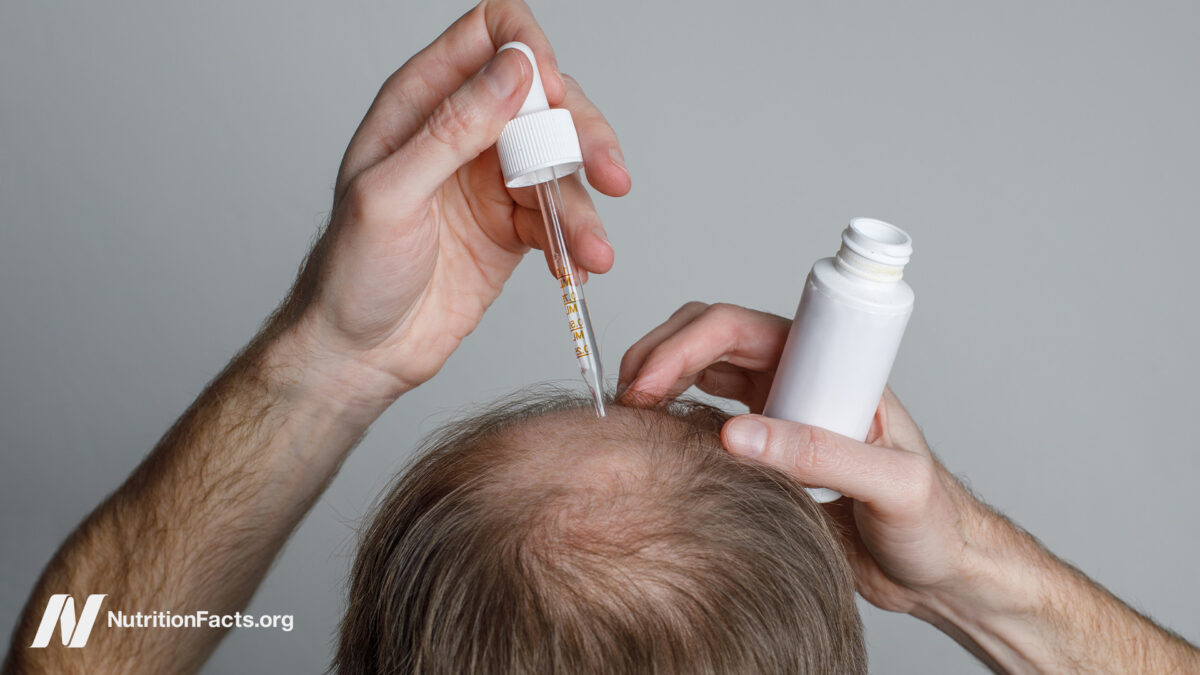
Modern dermatological science has moved far beyond these unethical origins, focusing instead on the specific biochemical pathway of testosterone. In the body, testosterone circulates in the blood and can be converted into a more potent androgen known as dihydrotestosterone (DHT) through the action of an enzyme called 5-alpha reductase. This conversion process is central to the progression of pattern baldness.
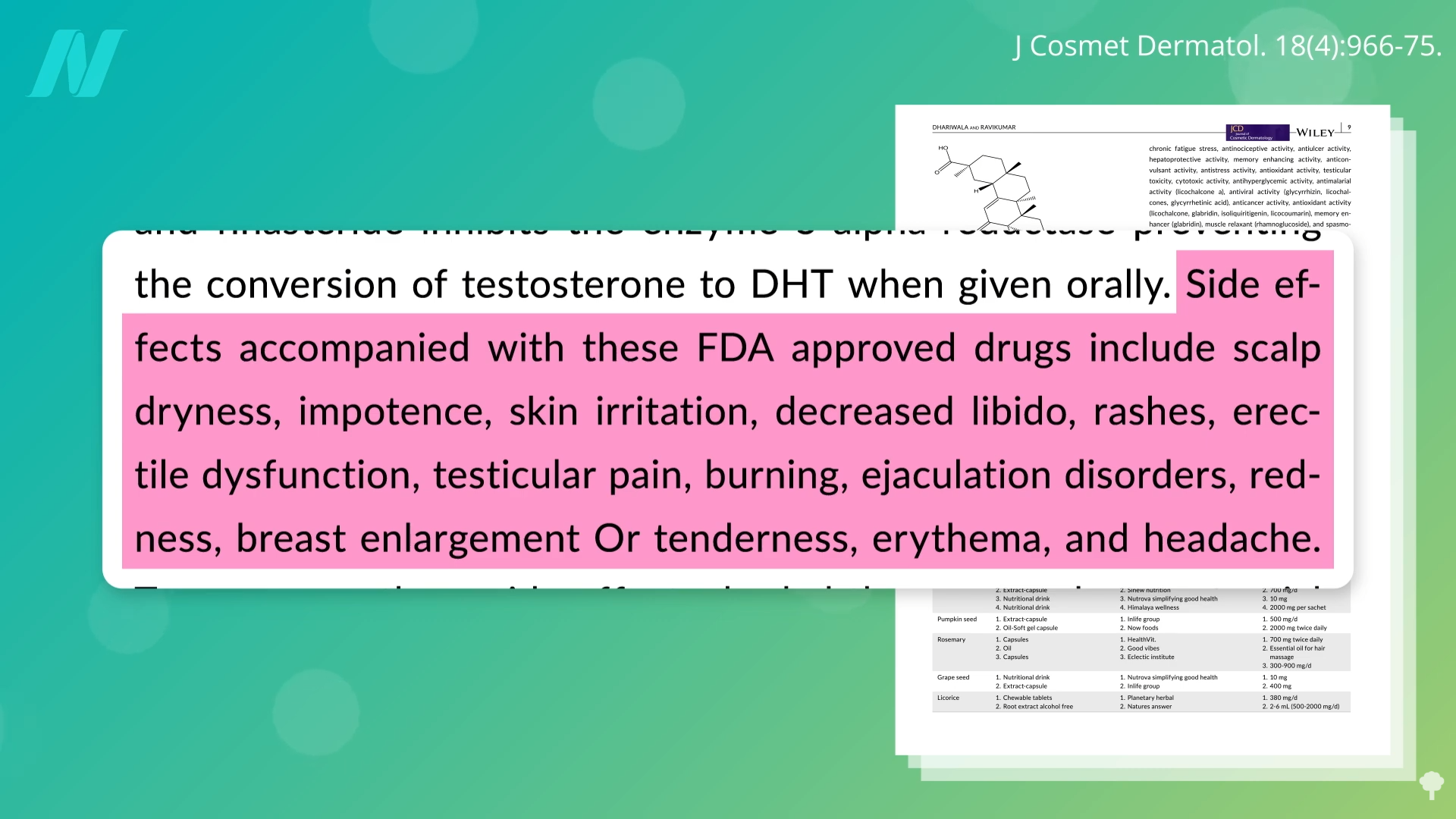
Propecia functions by inhibiting this specific enzyme. By blocking 5-alpha reductase, the drug prevents the conversion of testosterone into the more powerful DHT. While this mechanism is effective at slowing or preventing hair loss, it also interferes with a delicate hormonal balance. Because of this, the drug carries significant warnings—particularly for women, who are advised against its use due to the potential for the drug to cause feminization in male fetuses. For men, the risks are often centered on sexual function.
Navigating the Long-Term Risks
The clinical side effects associated with finasteride are well-documented, yet they remain a significant point of concern for potential users. Common reported side effects include diminished libido, testicular pain, and, in some cases, breast enlargement. Most concerning, however, is the impact on sexual performance. The drug has been linked to erectile dysfunction, a side effect that may persist even after the medication is discontinued.
For the past decade, manufacturers have been required to disclose the possibility of a "difficulty in achieving an erection that continues after stopping the medication." Emerging data suggests that this is not merely a temporary reaction for all users. Some studies have indicated that up to 20 percent of participants in clinical assessments reported persistent sexual dysfunction for six or more years after they ceased taking the drug. This raises the alarming possibility that the structural changes induced by the medication may, in some cases, be permanent.
Researchers have explored whether the drug might fundamentally alter the neurobiology of the brain. While blood levels of hormones in users experiencing these persistent effects often appear within a normal range, analysis of cerebrospinal fluid—obtained via spinal tap—has revealed that neurosteroid levels in the brain appear to be altered. This evidence highlights the necessity for caution. Because finasteride is primarily used for a cosmetic purpose rather than a life-saving one, both prescribers and potential users are encouraged to be fully aware of these serious, long-term risks.
The Need for Alternative Approaches
When compared to the systemic and potentially long-lasting risks of oral medication, the side effects of topical minoxidil, or Rogaine, are generally more localized. The most common complaint among users of topical minoxidil is itching or localized skin irritation, which is a significantly less systemic concern than the hormonal and neurological impacts associated with 5-alpha reductase inhibitors.
Despite the availability of these two FDA-approved treatments, the medical community remains aware that neither is a perfect solution. To date, no new, revolutionary interventions have been established as a standard for treating male or female pattern baldness. Given the documented side effects and the limitations of existing pharmacological options, there is an urgent and ongoing need for alternative treatments that can address hair loss without compromising a patient’s long-term health.
The question remains: can dietary choices or nutritional interventions play a role in combating hair loss? This area of research is evolving, and the potential for food-based strategies to support hair health is a subject of significant interest. As we continue to investigate the intersection of diet and dermatological health, it is crucial for individuals to balance their expectations with the current state of scientific evidence. For those dealing with the side effects of medications—including other common prescriptions like antidepressants, which are also known to cause sexual dysfunction—there may be non-pharmaceutical avenues to explore, including nutritional adjustments that support overall bodily function. As the search for safer, more effective hair loss treatments continues, the focus remains on finding sustainable solutions that do not trade one health concern for another.