
Androgenic alopecia, commonly known as male or female pattern hair loss, remains one of the most persistent and frustrating conditions encountered in modern dermatology. Characterized by the progressive thinning and loss of hair, typically centered on the scalp, it affects millions of individuals globally. While the medical community has long relied on pharmaceutical interventions and specialized supplements to address this issue, a growing body of research is beginning to shift the focus toward a more fundamental factor: the role of daily diet and the underlying health of our internal systems.
Recent clinical investigations have begun to explore whether specific dietary patterns and nutritional compounds can serve as effective, non-pharmaceutical tools in the fight against thinning hair. The emerging evidence suggests that the solution may not be found in a pill bottle alone, but rather in the complex interaction between the food we consume and our body’s internal environment.
The Microbiome Connection: More Than Just Digestion
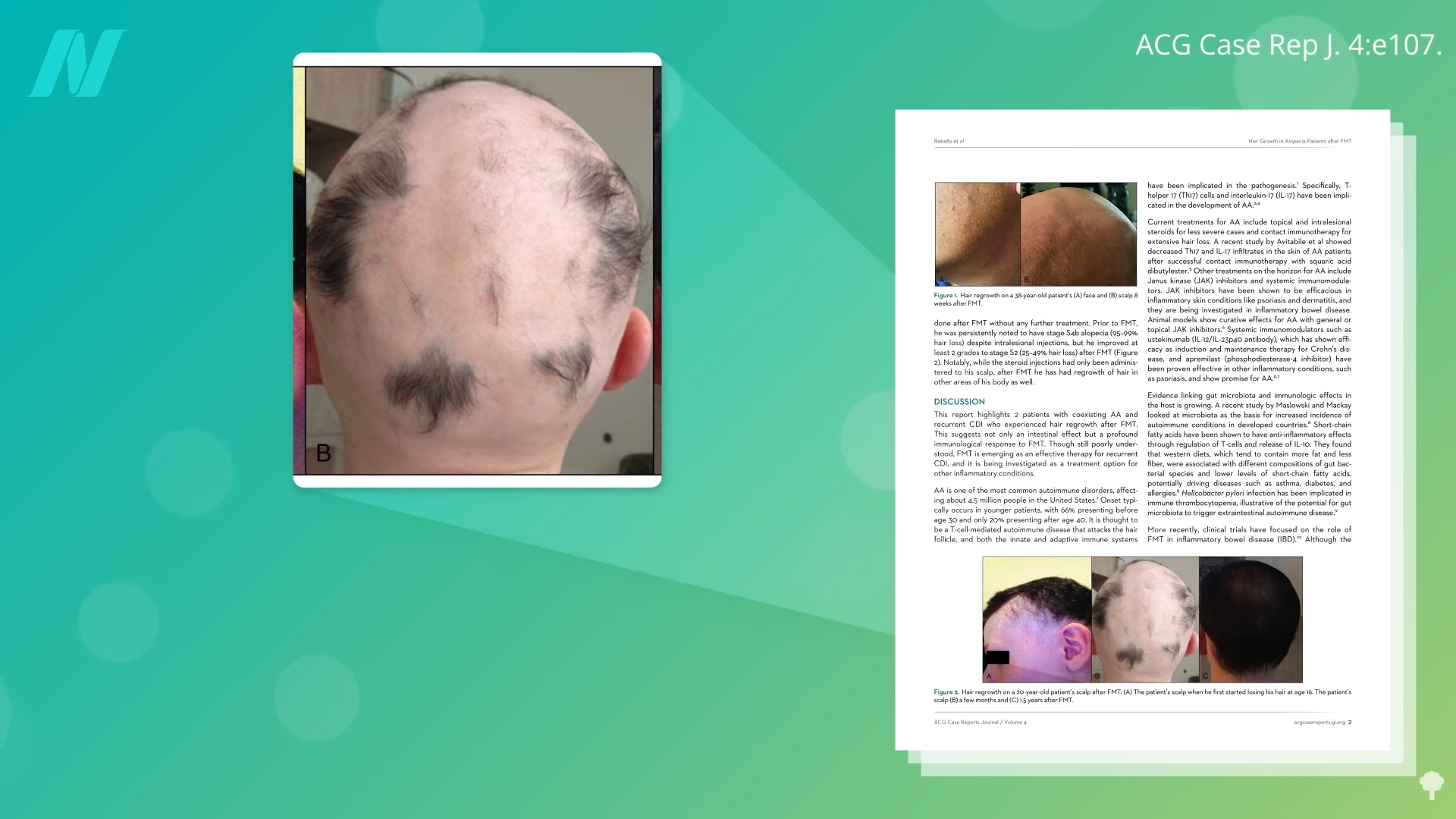
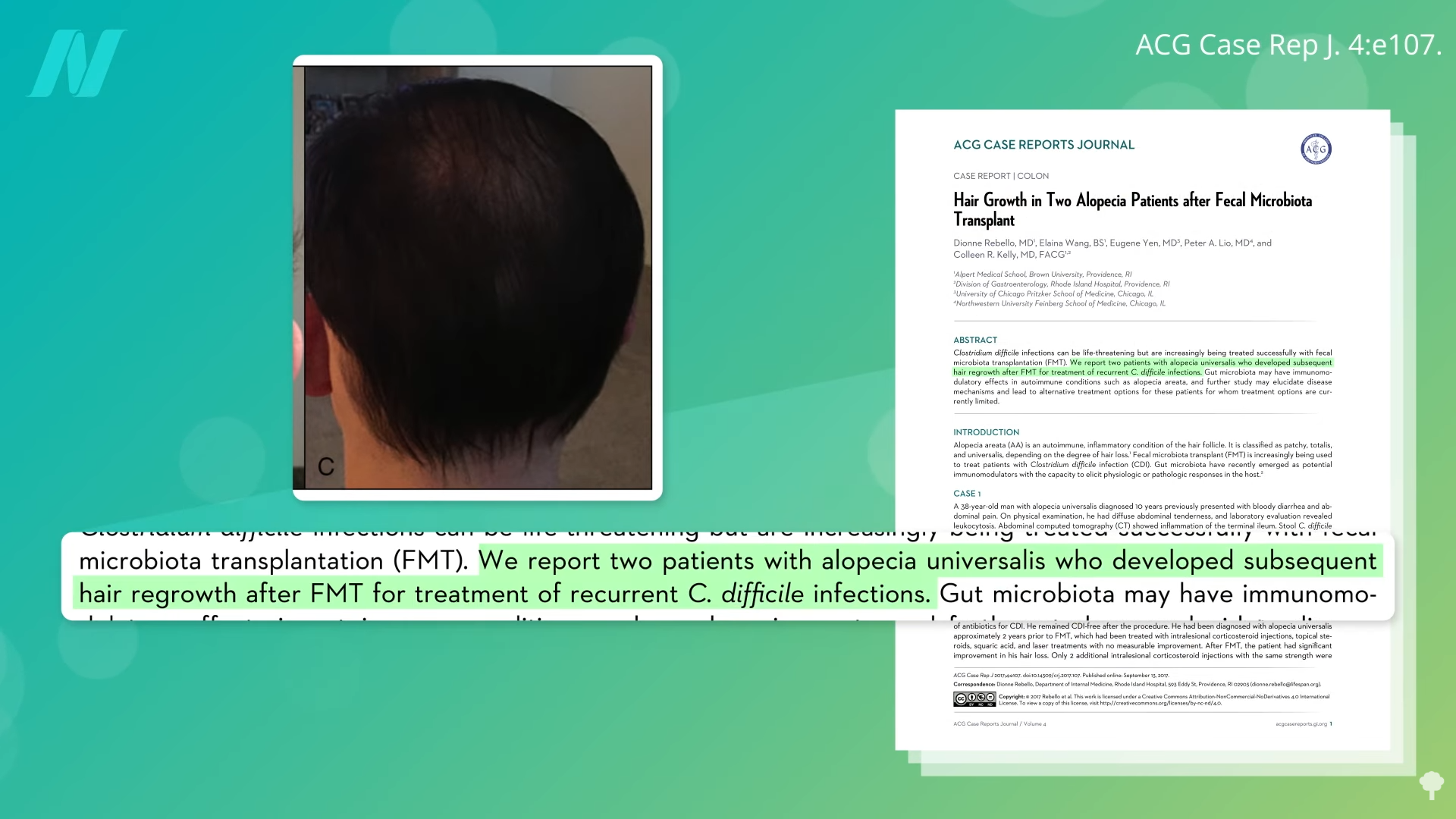
One of the most startling developments in the field of hair research involves the human microbiome—the vast, diverse community of bacteria residing in our digestive tracts. The potential link between gut health and hair growth was brought into sharp focus by human experiments involving fecal microbiota transplants. These procedures, typically reserved for severe gastrointestinal issues, have yielded unexpected side effects, including the reversal of significant hair loss.
In one notable documented case, a patient suffering from total hair loss exhibited a remarkable transformation within months of receiving a fecal transplant from a healthy donor. The results were not merely subtle improvements; photographic evidence captured over the course of a year shows the near-complete restoration of the patient’s scalp hair. While this does not imply that such extreme medical procedures are a standard treatment for alopecia, it serves as a powerful testament to the influence of the gut microbiome on systemic health, including the health of hair follicles. The takeaway for the average person is clear: maintaining a healthy, diverse, and nourished population of "good" gut bacteria is essential, and this is primarily achieved through a high-quality, fiber-rich, plant-based diet.
Population Studies and Dietary Patterns
Large-scale population studies have consistently indicated that lifestyle and dietary choices are strongly correlated with the prevalence of pattern baldness. Data suggests that individuals who consume diets high in processed junk food and meat—coupled with poor sleep hygiene—are at a significantly higher risk for developing hair loss. Conversely, protective associations have been found for those who prioritize raw vegetables, fresh herbs, and soy products.
In particular, the frequent consumption of soymilk has been highlighted in clinical literature. Studies have shown that individuals who consume soy beverages on a weekly basis exhibit as much as a 62% lower risk of experiencing moderate to severe hair loss. This finding has prompted researchers to investigate the specific bioactive compounds found in plants that may provide this protection, moving the conversation away from general "healthy eating" toward identifying precise, therapeutic components in our food supply.
Beyond Marketing: Critically Reviewing Hair Loss Claims
The market is saturated with "alternative" hair loss treatments, many of which promise miraculous results with minimal side effects. However, the scientific community emphasizes the importance of looking past marketing hype. A significant portion of the literature currently cited by wellness brands is derived from studies on shaved rodents, such as tests involving the application of bee venom. While these studies offer interesting preliminary data, they often have little direct relevance to the physiological realities of human hair growth.
Furthermore, even when studies involve human participants, they often lack the rigor of a placebo-controlled trial. Without a control group, it is impossible to determine whether a specific food or supplement is actually responsible for hair growth or if the results are merely anecdotal or coincidental. True scientific progress requires randomized, double-blind, placebo-controlled trials to separate efficacy from hope.
Hot Peppers and Soy: A Potential Therapeutic Path
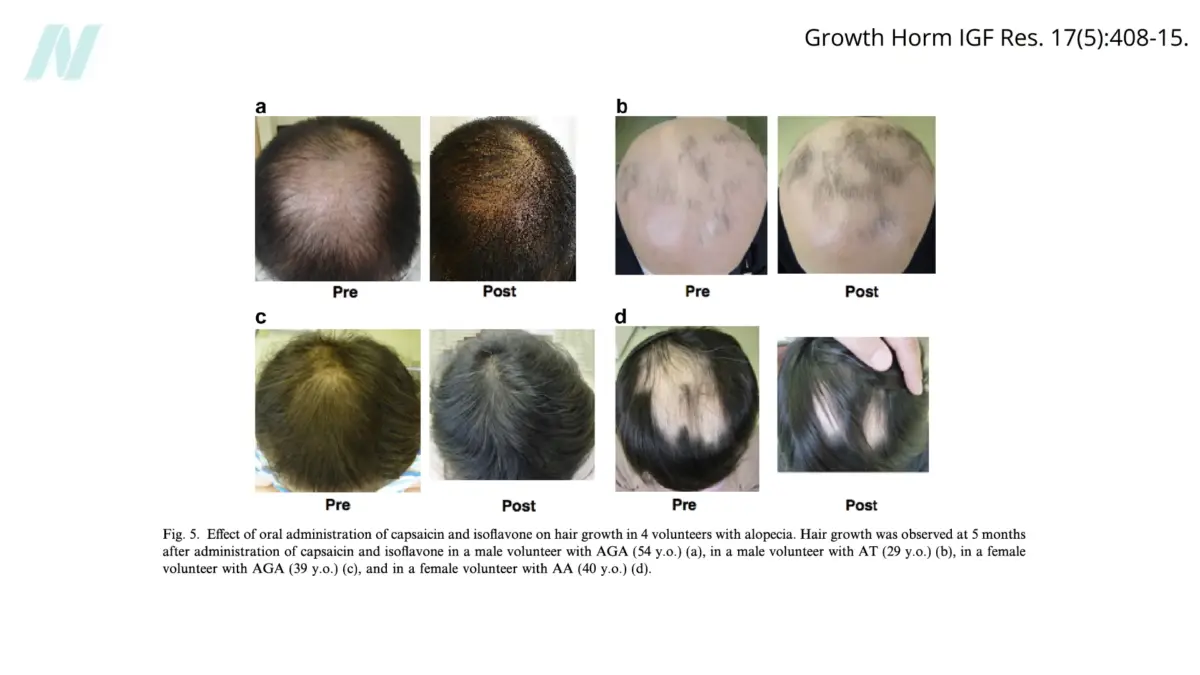
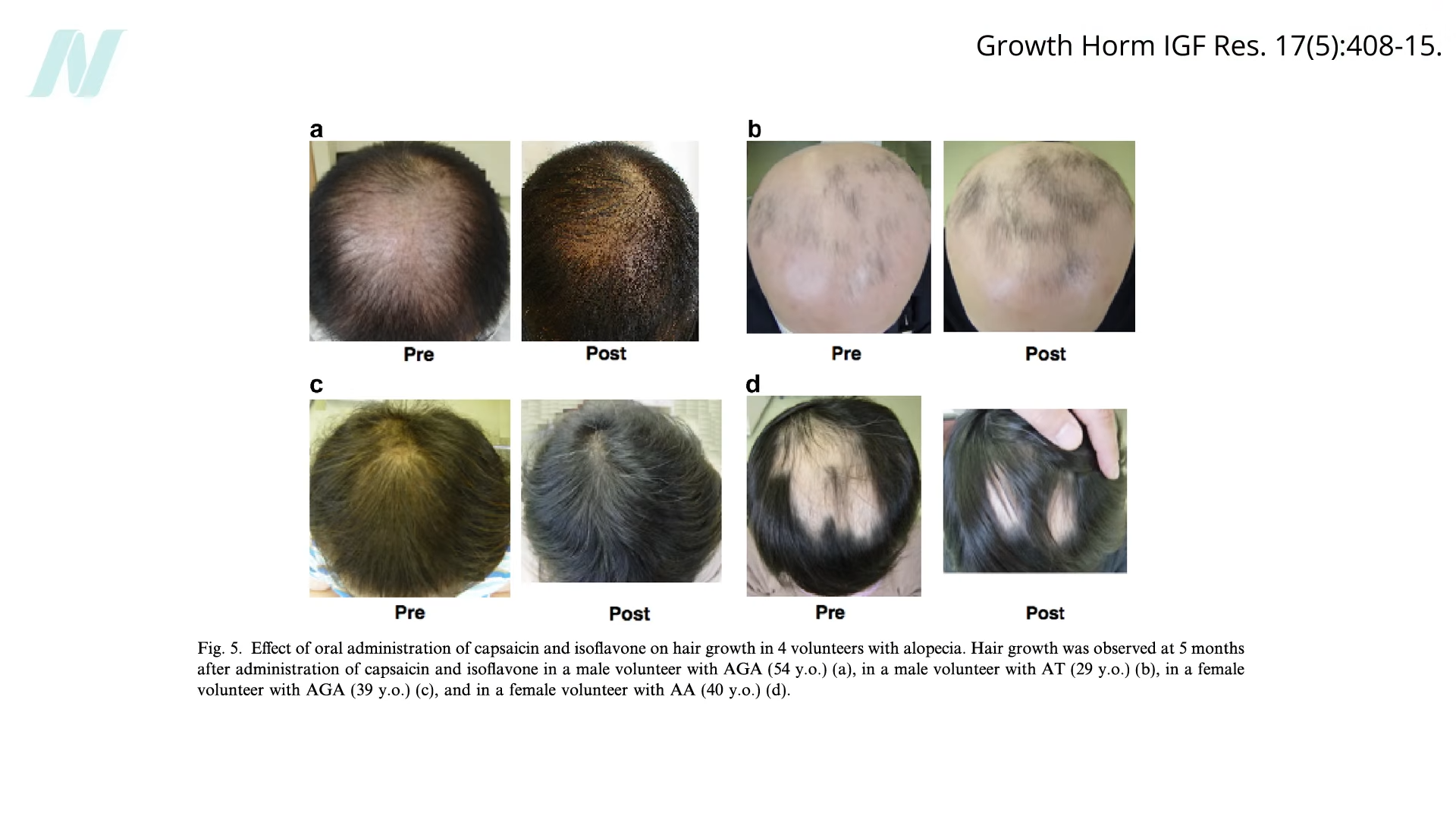
Fortunately, there is high-quality evidence regarding specific compounds found in common foods. A landmark randomized, double-blind, placebo-controlled study focused on the effects of capsaicin, found in hot peppers, and isoflavones, found in soy. The results showed a statistically significant promotion of hair growth in both men and women.
The dosages used in these clinical successes are remarkably achievable through a standard diet. Participants were administered 6 milligrams of capsaicin and 75 milligrams of isoflavones daily. In practical terms, 6 milligrams of capsaicin can be obtained from just one-quarter of a fresh jalapeño pepper. To reach the 75-milligram threshold of isoflavones, one might consume approximately three-quarters of a cup of tempeh or soybeans. While dry-roasted soy nuts provide a more concentrated source, researchers caution against relying on high-heat-processed, high-fat, or high-protein snacks. The formation of advanced glycation end-products—compounds created when foods are cooked at high temperatures—may negate some of the potential health benefits of these plants, suggesting that fresh or lightly prepared sources are preferable.
The Power of Pumpkin Seed Oil
Perhaps one of the most compelling pieces of evidence in nutritional dermatology involves pumpkin seed oil. The research trajectory for this intervention began with studies on benign prostatic hyperplasia (BPH), or an enlarged prostate. In 2009, South Korean researchers found that men with BPH who consumed just 320 milligrams of pumpkin seed oil daily—a dose equivalent to only a few drops—experienced significant improvements in urinary flow compared to those in a control group.
Given that the mechanisms involved in improving prostate health often mirror those that inhibit the conversion of testosterone into dihydrotestosterone (DHT)—a primary driver of androgenic alopecia—scientists hypothesized that pumpkin seed oil might be a potent tool for hair retention. A subsequent randomized, double-blind, placebo-controlled trial put this to the test. Over 76 men with male pattern baldness were divided into two groups, receiving either 400 milligrams of pumpkin seed oil or a placebo daily.
After 24 weeks, the results were striking. The group receiving the pumpkin seed oil showed a 40% increase in hair count, whereas the placebo group saw only a 10% increase. Perhaps even more telling was the assessment by blinded investigators, who were unaware of which participants received the treatment. They consistently rated the pumpkin seed oil group as having significantly improved, while the placebo group was often rated as having worsened. Importantly, when researchers screened the participants for potential sexual side effects—a common concern with standard pharmaceutical anti-androgen treatments—they found no evidence of adverse effects, suggesting that the oil may be a safe and effective therapeutic option.
As the body of research continues to grow, it becomes increasingly clear that the food we eat does more than just sustain us; it actively shapes our physiological health, including the vitality of our hair. While further research is always necessary to fully understand these mechanisms, current data offers a promising look at how simple, nutrient-dense foods like hot peppers, soy, and pumpkin seeds may provide a natural, effective approach to managing hair loss. Incorporating such foods as part of a balanced diet, perhaps in line with recommendations like the "Daily Dozen" for nuts and seeds, appears to be a scientifically sound strategy for those looking to support their hair health from the inside out.