
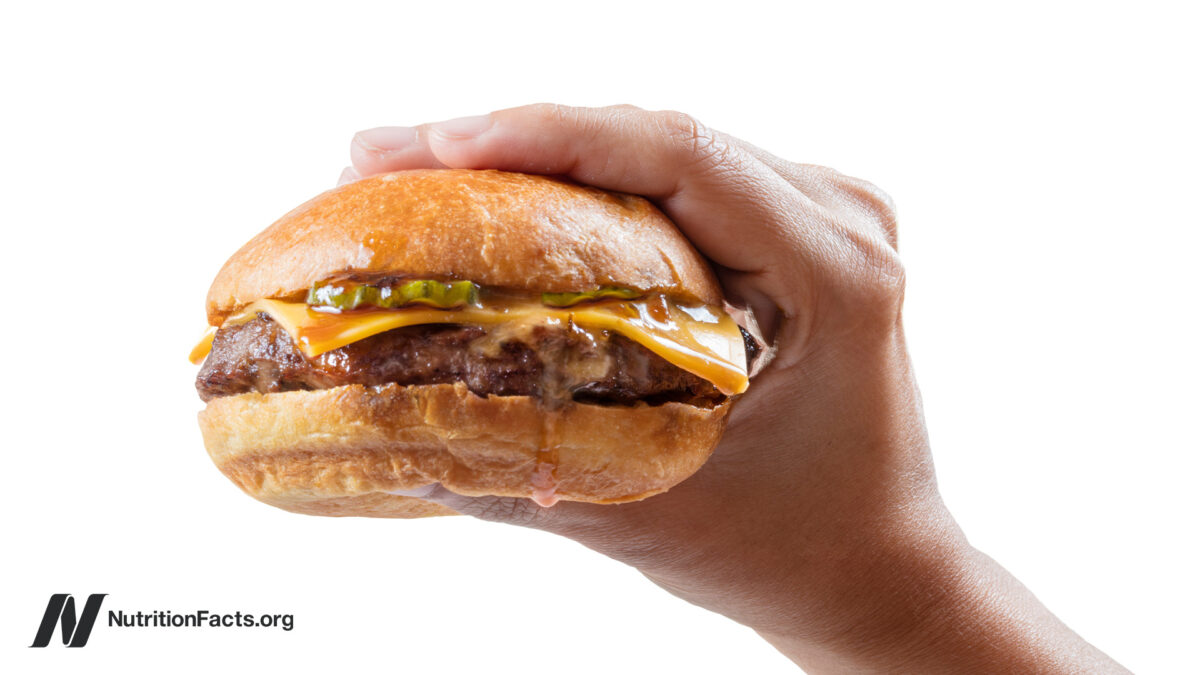
If you are the type of person who is meticulously cautious about your health—the kind of individual for whom the thought of lighting up a cigarette before or after lunch is entirely unthinkable—you might want to reconsider the contents of your lunch order. Specifically, if you find yourself reaching for a meat-heavy meal, you may be surprised to learn that your dietary choices could be carrying a hidden, cumulative cost that rivals some of the very habits you work so hard to avoid.
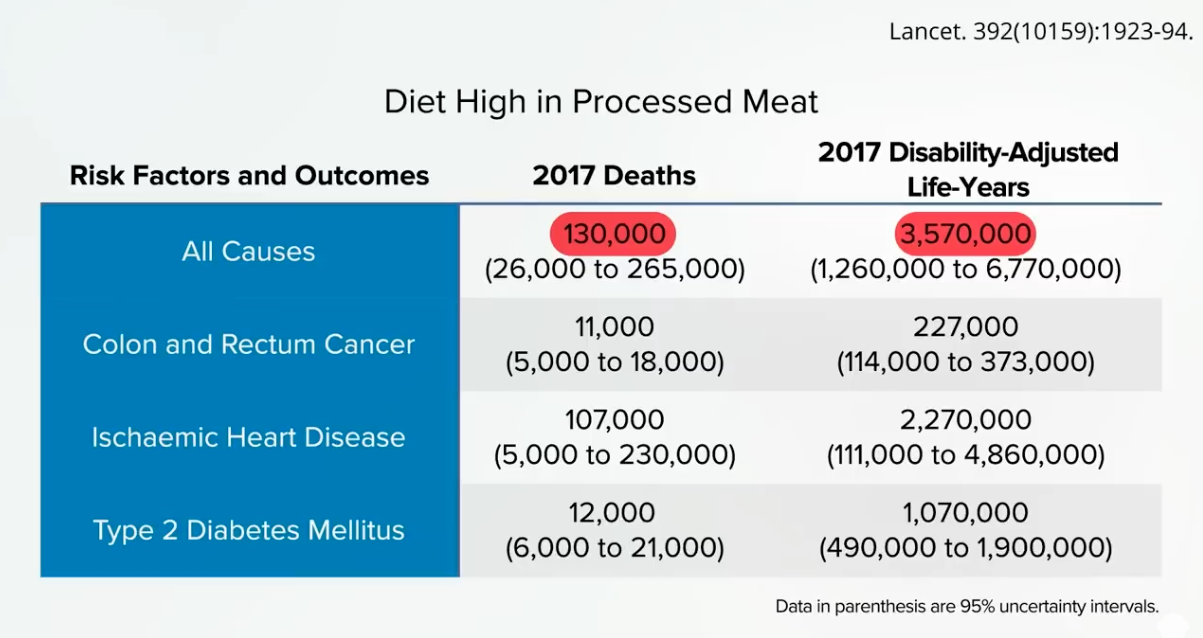
According to data from the Global Burden of Disease Study, diets high in processed meats—including staples like bacon, ham, hot dogs, lunch meat, and various sausages—are linked to more than 100,000 deaths annually. These fatalities are primarily attributed to the development of heart disease, though processed meat consumption is also significantly tied to increased risks of cancer and diabetes. The cumulative impact of these conditions results in the loss of millions of healthy life-years globally each year.
The scale of this issue is not merely theoretical; it is a matter of public health statistics that affect millions. Even modest changes in consumption patterns could yield substantial benefits. Research from the Union of Concerned Scientists has estimated that if the American population were to reduce its intake of processed meat to just one ounce per week, thousands of cancer-related deaths could be prevented every year. While such findings are powerful on a population scale, many people struggle to translate these large-scale public health warnings into an understanding of their own individual risk.
In recent years, the discourse surrounding red and processed meat has been complicated by conflicting reports, most notably the NutriRECS meat papers published in the Annals of Internal Medicine. While that panel ultimately suggested that current recommendations to reduce meat intake might be overstated, closer examination reveals a different story. Subsequent analyses have determined that a reduction in red and processed meat consumption is, in fact, associated with a 13% lower risk of premature death—a conclusion derived from the panel’s own data.
Understanding what a "13% difference in mortality risk" actually means for the average person can be challenging. To make these abstract statistics more tangible, researchers have introduced the concept of "microlives." This unit of measurement helps bridge the gap between complex epidemiological data and daily lifestyle choices.
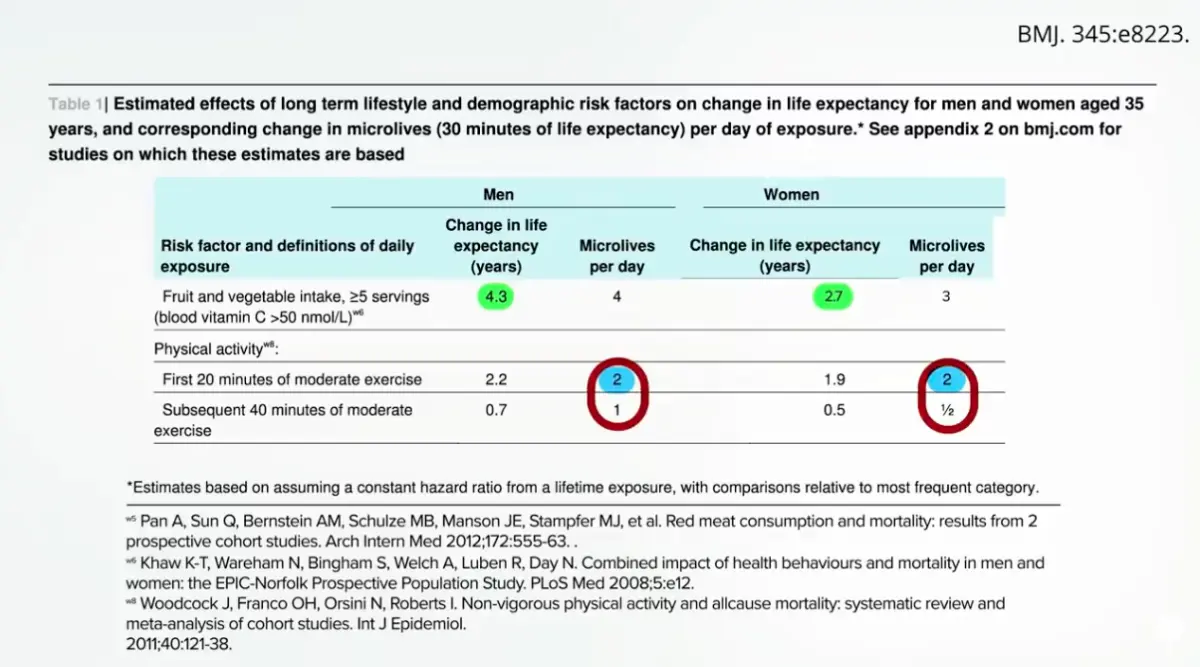
To grasp the concept of a microlife, it is helpful to first consider "micromorts." A micromort is a unit used to measure acute risks, such as skydiving or riding a motorcycle, and is defined as a one-in-a-million chance of sudden death. However, many of the risks we face are not immediate; they are the result of chronic lifestyle habits—such as smoking, alcohol consumption, poor diet, and physical inactivity—that slowly erode our health over decades. The microlife was designed to make these chronic, long-term risks comparable by calculating how much life expectancy is lost on average due to specific exposures. A single microlife is defined as 30 minutes of life expectancy.
This calculation is rooted in the remaining life expectancy of young adults. For a 22-year-old man or a 26-year-old woman, there are, on average, approximately 57 years of life remaining. This equates to roughly 20,000 days, or 500,000 hours, or one million half-hour increments. A microlife, therefore, represents the loss of one of those million half-hours.
When we apply this framework to daily habits, the comparisons become starkly clear. For example, drinking a pint of strong beer carries a risk to life expectancy roughly equivalent to smoking one cigarette. If it is unthinkable to have such little regard for one’s health that one would light up twice a day, then carrying an extra 11 pounds of weight—which carries a similar statistical risk—should perhaps be viewed with equal concern.
Conversely, this model also highlights the profound benefits of life-extending behaviors. Research indicates that consuming at least five servings of fruits and vegetables every day may add an average of four years to a man’s life and three years to a woman’s life. This is, by some estimates, up to twice as beneficial as daily exercise. However, exercise offers its own unique return on investment. Engaging in 20 minutes of physical activity can grant an individual an extra hour of life, which translates to two microlives. For those who claim they lack the time to exercise, this represents a 3-to-1 return on investment: you give 20 minutes of your time to gain 60 minutes of life expectancy. While there are diminishing returns beyond a certain point, exercising for an hour a day consistently results in a net gain of time.
When we view meat consumption through this lens, the results are sobering. Each burger consumed is associated with the loss of one microlife—the equivalent of losing 30 minutes of life. In terms of your total life expectancy, eating one burger appears to carry the same statistical weight as smoking two cigarettes. If the idea of smoking during your lunch break seems like a radical disregard for your well-being, replacing that meat-heavy option with a bean burrito may be a significantly more rational choice for your long-term health.
Processed meats are even more concerning when analyzed with the microlife framework. The evidence consistently points toward a clear, evidence-based direction for dietary guidelines. The chair of nutrition at Harvard and his colleagues have publicly criticized the NutriRECS recommendations, noting that they suffer from significant methodological limitations and involve misinterpretations of nutritional evidence. They argue that to improve both human and planetary health, dietary guidelines should continue to emphasize patterns low in red and processed meats and high in minimally processed plant foods, such as fruits, vegetables, whole grains, nuts, and legumes like beans, split peas, chickpeas, and lentils.
This perspective is echoed by experts such as Dr. Dean Ornish, whose Lifestyle Heart Trial remains a cornerstone of nutritional research. The trial demonstrated that a plant-based diet and lifestyle program could not only prevent but actually reverse the progression of severe coronary heart disease, one of the leading causes of death worldwide. In his analysis of the controversy surrounding the Annals of Internal Medicine papers, which suggested that individuals could continue to eat meat with little concern, Dr. Ornish noted that the control group in his study—which made only modest, incremental reductions in meat—continued to experience a worsening of their atherosclerosis.
The message from the broader scientific community remains consistent: the light of evidence continues to drive out the darkness of misinformation. However, in an era where conflicting nutritional advice is pervasive, consumers must remain vigilant. As Dr. Ornish famously remarked, "The light has to be very bright indeed. Caveat emptor. Don’t be fooled. Your life may depend on it."
For those interested in exploring these concepts further, the study of how industries influence health guidelines and the mechanics of risk communication offers a vital look at how we can better manage our longevity. Whether it is through understanding the statistical weight of our daily meals or the long-term benefits of exercise and plant-based nutrition, the choices we make today are the investments we make in the decades to come. Making the shift toward healthier, evidence-backed dietary patterns is not just about avoiding immediate harm—it is about securing a future where the quality and duration of your life are not compromised by the habits of today.