
Art Basel Paris has officially unveiled the highlights for its highly anticipated upcoming edition, promising an expansive and culturally vibrant experience that solidifies the French capital’s status as the epicenter of the European art market. Returning to the iconic, glass-ceilinged Grand Palais, the fair will host 211 leading international galleries, welcoming the public from October 23 to 25. As the event approaches, the organizers have revealed a slate of programming that balances high-end commercial enterprise with whimsical, public-facing artistic interventions, all set against the backdrop of one of the world’s most historic architectural landmarks.
A Cinematic Touch: The "Oh La La!" Program
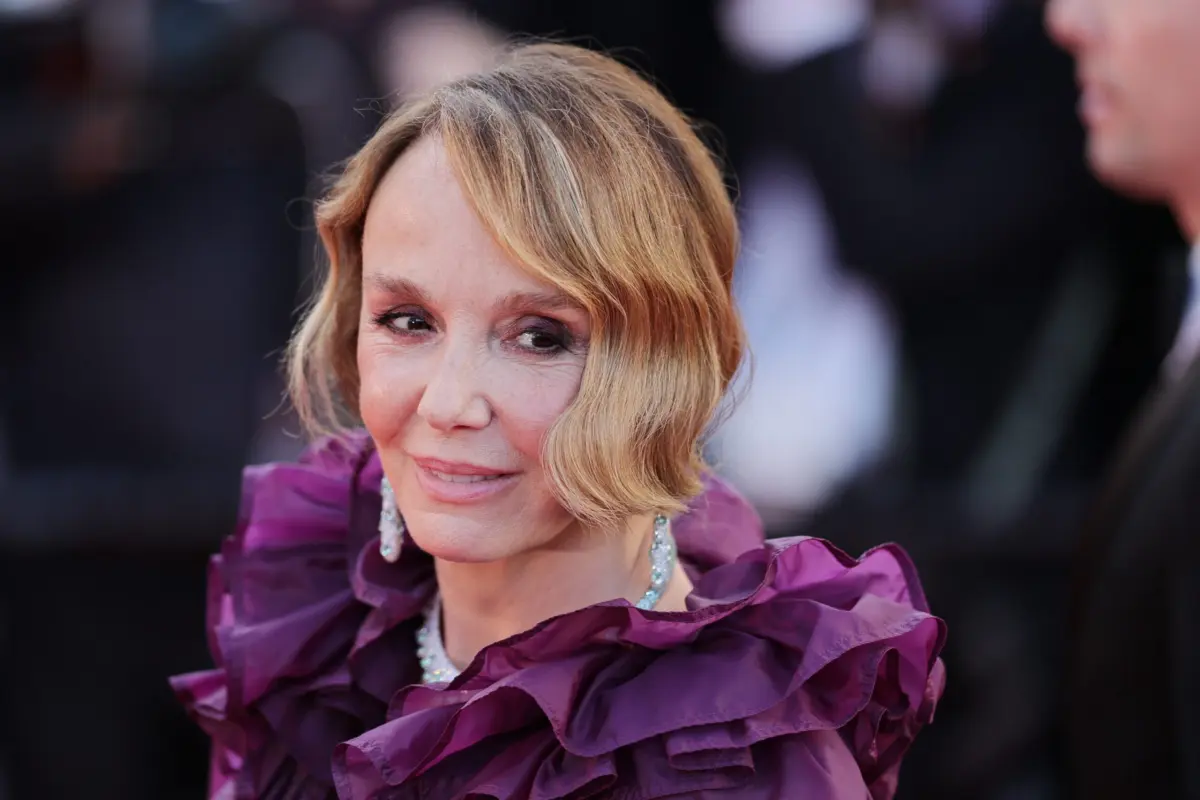
In a move that bridges the gap between high fashion, popular culture, and the visual arts, Art Basel Paris has tapped Philippine Leroy-Beaulieu—the acclaimed French actress renowned for her portrayal of the indomitable Sylvie Grateau in the hit series Emily in Paris—to serve as the guest art director for the fair’s "Oh La La!" program. The program’s title, a playful nod to the quintessential French expression, feels perfectly in keeping with the persona of the Emily in Paris fashion executive.
The "Oh La La!" initiative serves a specific strategic purpose: it is designed to encourage repeat visits to the fair by incentivizing galleries to rehang their booths during the final weekend of the event. While the fair’s initial days are typically defined by the intensity of the opening, this mid-event transformation provides a fresh perspective for collectors and enthusiasts alike. This year, the galleries participating in the initiative will respond to the theme of "Myths and Legends," a broad, evocative prompt that has encouraged curators to explore complex topics such as metamorphosis, the nature of dreams, the significance of ancient rituals, and the vast mysteries of the cosmos.
VIP Access and Fair Logistics
For the most dedicated collectors and industry professionals, the fair is bringing back its "Avant-Première" access. Designed specifically for uber-VIPs who have received a personal invitation from a participating gallery, this early-access window is scheduled for October 20, one full day ahead of the standard VIP preview. This initiative represents an ongoing effort by Art Basel to manage the density of foot traffic within the Grand Palais. While the inaugural implementation of this early-access window last year was intended to create a more breathable environment for top-tier collectors, the reality of the event’s popularity meant that the aisles remained remarkably bustling. The return of the program suggests that the fair is committed to balancing exclusivity with the sheer scale of demand for the Parisian event.
A Changing Landscape: Newcomers and Collaborative Growth
The 2026 edition of Art Basel Paris will highlight a significant shift in the fair’s composition, with 32 galleries participating for the first time. The influx of new talent underscores the fair’s magnetism, with notable additions including Isabella Ritter from Paris, Chertlüdde from Berlin, and the internationally positioned Consonni Radziszewski, which operates across Lisbon, Milan, and Warsaw.
Furthermore, the fair is witnessing an evolution in how galleries choose to occupy their spaces. A record-breaking 24 galleries have opted to collaborate, sharing booths to present cohesive or expanded curatorial narratives. This collaborative trend reflects a broader move within the art world toward communal support and shared resources. Simultaneously, the domestic market remains strong, with 64 participating galleries based in France. This year, the hierarchy of the fair has seen some notable movement, as several galleries—such as Petrine (Paris and Düsseldorf) and The Pill (Istanbul and Paris)—have successfully transitioned from the smaller "Emergence" category to the main section of the fair, marking a significant milestone in their growth.
Public Art and the Urban Canvas
For the thousands of visitors who flock to Paris specifically for the fair, the experience will extend well beyond the walls of the Grand Palais. The 2026 edition features an exceptionally robust public art program, transforming the city’s most famous landmarks into an open-air gallery. Perhaps the most prominent of these interventions is a series of large-scale sculptures by the legendary Tracey Emin, depicting women in various stages of rest. These works are slated for installation at the Trocadéro, offering a striking, contemplative contrast to the bustle of the Eiffel Tower located directly across the Seine.
The broader public program includes a diverse range of commissions and installations from an impressive roster of artists, including Kennedy Yanko, Kutluğ Ataman, Cosima von Bonin, Boz Deseo Garden, Lionel Sabatté, Robert Indiana, Alicja Kwade, Carmen Herrera, Keita Miyazaki, Manfred Pernice, Marcello Maloberti, Niki de Saint Phalle, Simone Fattal, and Yinka Shonibare. By dispersing these works across the city, Art Basel Paris aims to integrate the fair into the daily life of the French capital, turning the city itself into a participant in the week’s festivities.
Intellectual Exchange and Curatorial Innovation
Beyond the sales floor and the public installations, the fair is doubling down on its commitment to critical dialogue. The "Premise" sector, which spotlights unconventional curatorial displays intended to challenge or expand traditional understandings of art history, is seeing a significant expansion this year. With 12 galleries now participating, nine of which are newcomers to the sector, the program is poised to offer some of the most intellectually rigorous content at the fair.
The fair’s schedule of talks is also undergoing a structural upgrade, moving into the Grand Palais’s main auditorium for the first time. This transition into a dedicated, high-capacity space reflects the growing importance of the programming as a cornerstone of the event. The lineup for 2026 is notably "art-star" heavy, featuring high-profile conversations such as a dialogue between renowned curator Hans Ulrich Obrist and the artist Simone Fattal. Another highlight will feature artist Eva Jospin in conversation with collector Laurent Dumas, the founder of the new Le Large art center. In a session that promises to touch on the institutional future of the city, Centre Pompidou president Laurent Le Bon and Louvre president Christophe Leribault are set to discuss the future trajectories of their respective museums.
Additionally, the fair continues its partnership with the fashion house Miu Miu. As previously reported by ARTnews, the filmmaker Alice Diop has been commissioned to create a special project for the brand, which will be presented at the Palais d’Iéna alongside the label’s runway show.
Paris as the Global Art Hub
The 2026 edition arrives at a time when Paris has effectively solidified its grip on the European art market. According to the Art Basel & UBS Global Art Market Report 2026, France saw $4.5 billion in art sales throughout the previous year, accounting for eight percent of the total global art market. This data confirms that, particularly in the wake of Brexit, Paris has successfully leveraged its cultural infrastructure to become the preferred destination for the European art trade.
The fair’s success is not merely a matter of financial volume but of reach. Last year, the event drew over 73,000 visitors and hosted representatives from more than 240 international museums. By providing a platform that caters to both the elite collector and the casual art enthusiast, Art Basel Paris has managed to secure its position as a cornerstone of the Art Basel franchise. As the doors of the Grand Palais prepare to open this October, the convergence of established institutional prestige, cutting-edge gallery innovation, and high-profile public programming suggests that the fair is once again ready to meet the immense expectations of the global art community.