
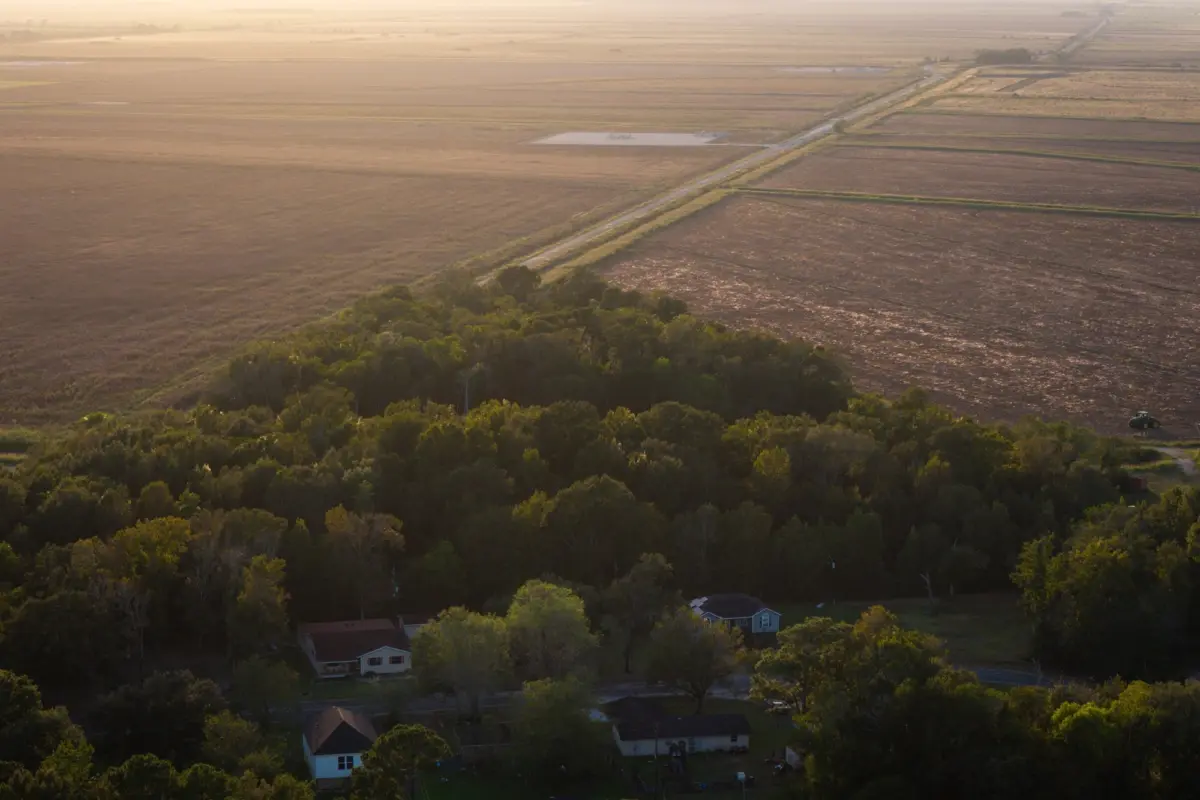
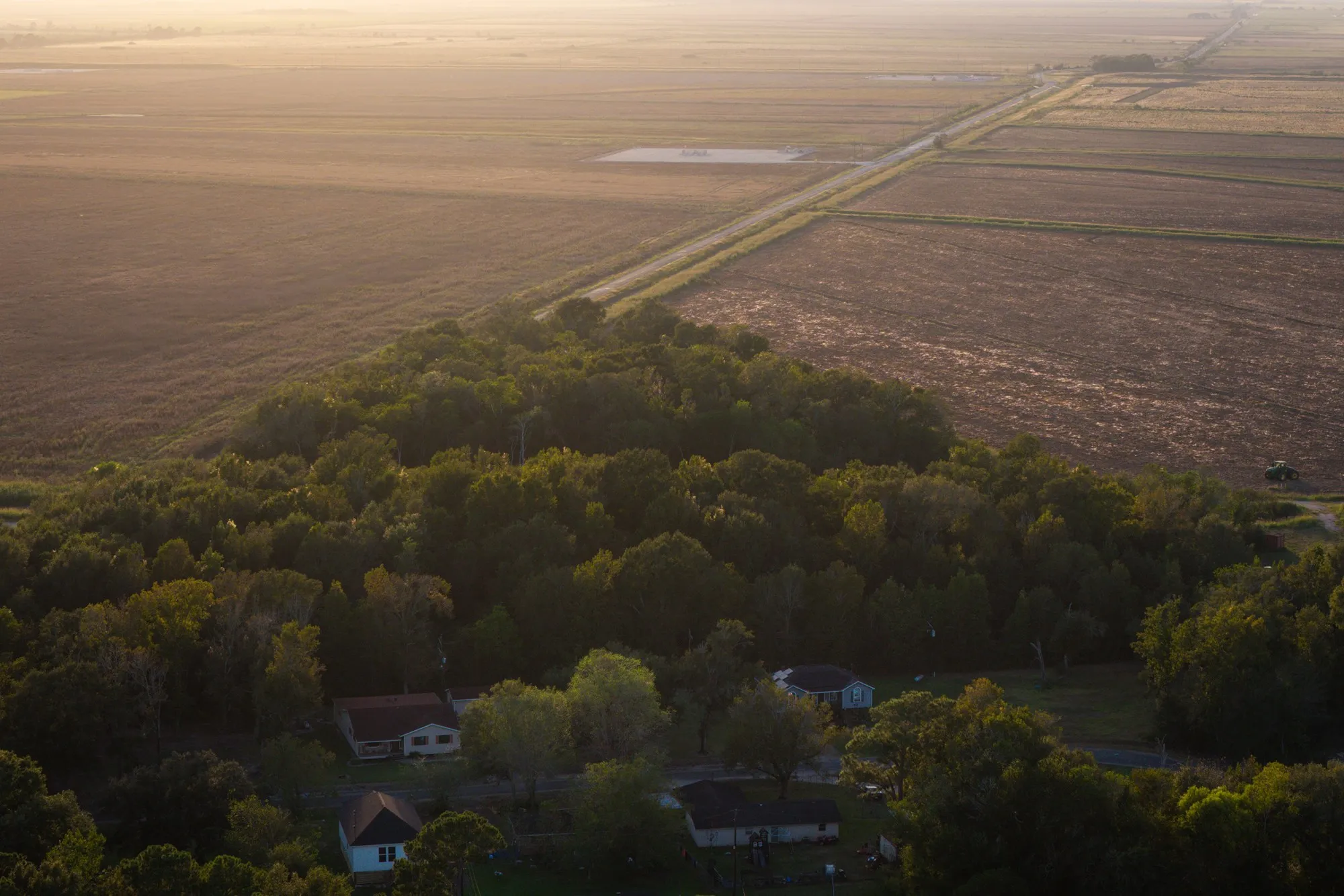
On a quiet rural road just outside the unincorporated community of Cheek in Southeast Texas, a major energy titan is preparing to launch a historic industrial undertaking. Exxon Mobil is moving forward with plans to pump millions of metric tons of carbon dioxide thousands of feet underground to permanently store the greenhouse gas, keeping it from escaping into the atmosphere and contributing to global warming.
The initiative stands to become the very first carbon storage project of its kind to begin operating in the state of Texas. It marks a long-awaited and heavily promoted milestone for the oil and gas industry, which has increasingly championed carbon capture and storage (CCS) as a vital mechanism for mitigating industrial emissions. Texas lawmakers have thrown substantial political and financial support behind the technology, while state regulators spent years lobbying the federal government for primary permitting authority to accelerate project approvals.
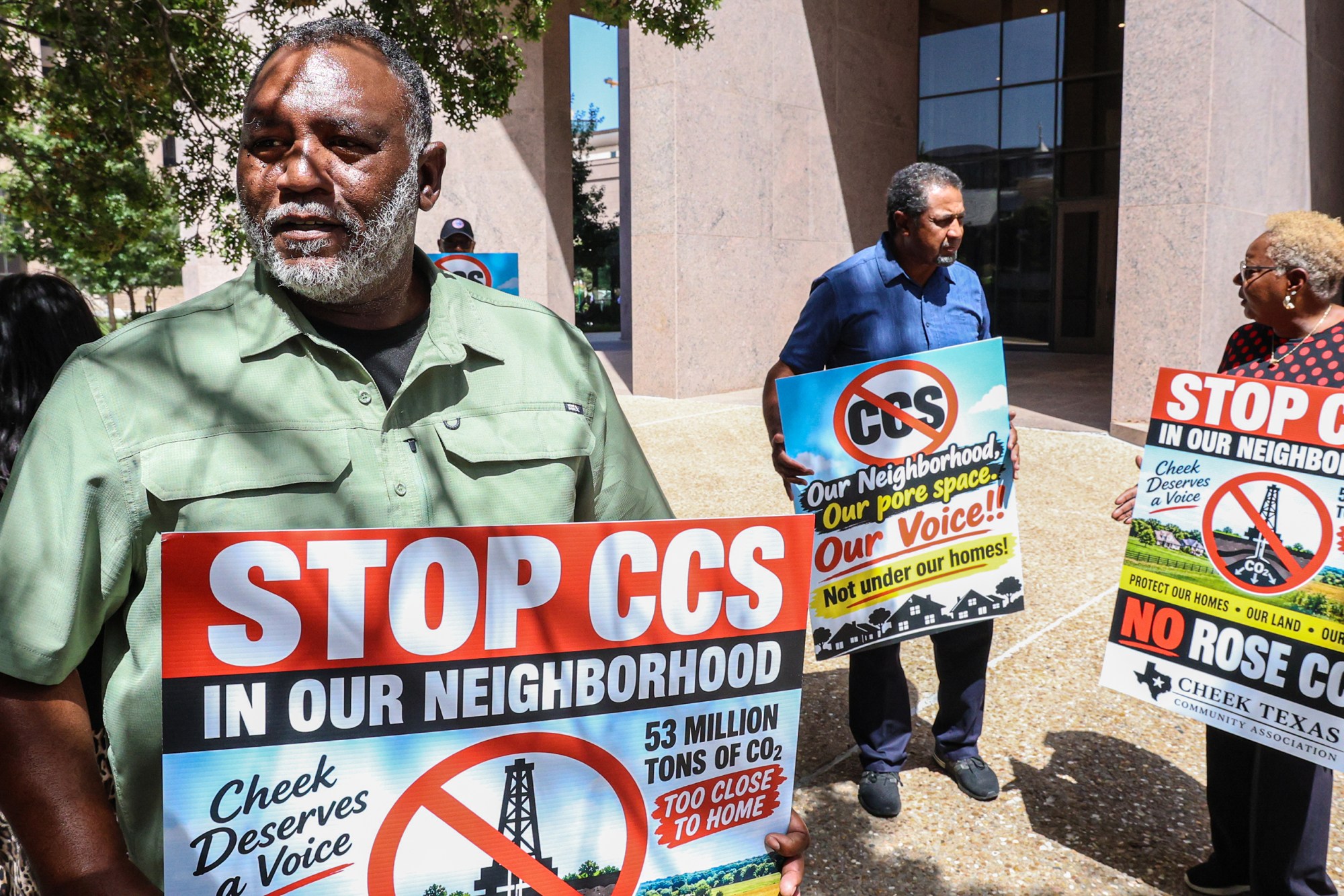
The Texas Railroad Commission, the state agency responsible for overseeing the oil and gas sector, secured that crucial regulatory authority late last year and subsequently approved the Exxon Mobil project, internally dubbed the "Rose" project, in September. However, the decision has faced fierce pushback. Residents of Cheek, a predominantly Black, working-class, and elderly community situated just west of Beaumont, have formally asked commissioners to reconsider the permit, arguing that the state and the corporation have ignored their fundamental safety and environmental justice concerns.
The local resistance highlights a broader national debate over the viability, safety, and equity of carbon capture technology. Across the United States, only a small number of dedicated carbon storage wells have been permitted, and a series of high-profile accidents involving carbon dioxide infrastructure have already rattled public confidence. Environmental experts and local advocates have repeatedly warned of the catastrophic risks tied to potential pipeline ruptures and underground leaks.
In Cheek, residents worry that injected carbon dioxide could migrate into local aquifers, contaminating their vital groundwater resources with mobilized metals and increased acidity, or escape into the air in concentrations sufficient to cause suffocation. Furthermore, community leaders have expressed deep skepticism that local emergency response teams are adequately equipped or trained to manage a large-scale industrial gas release.
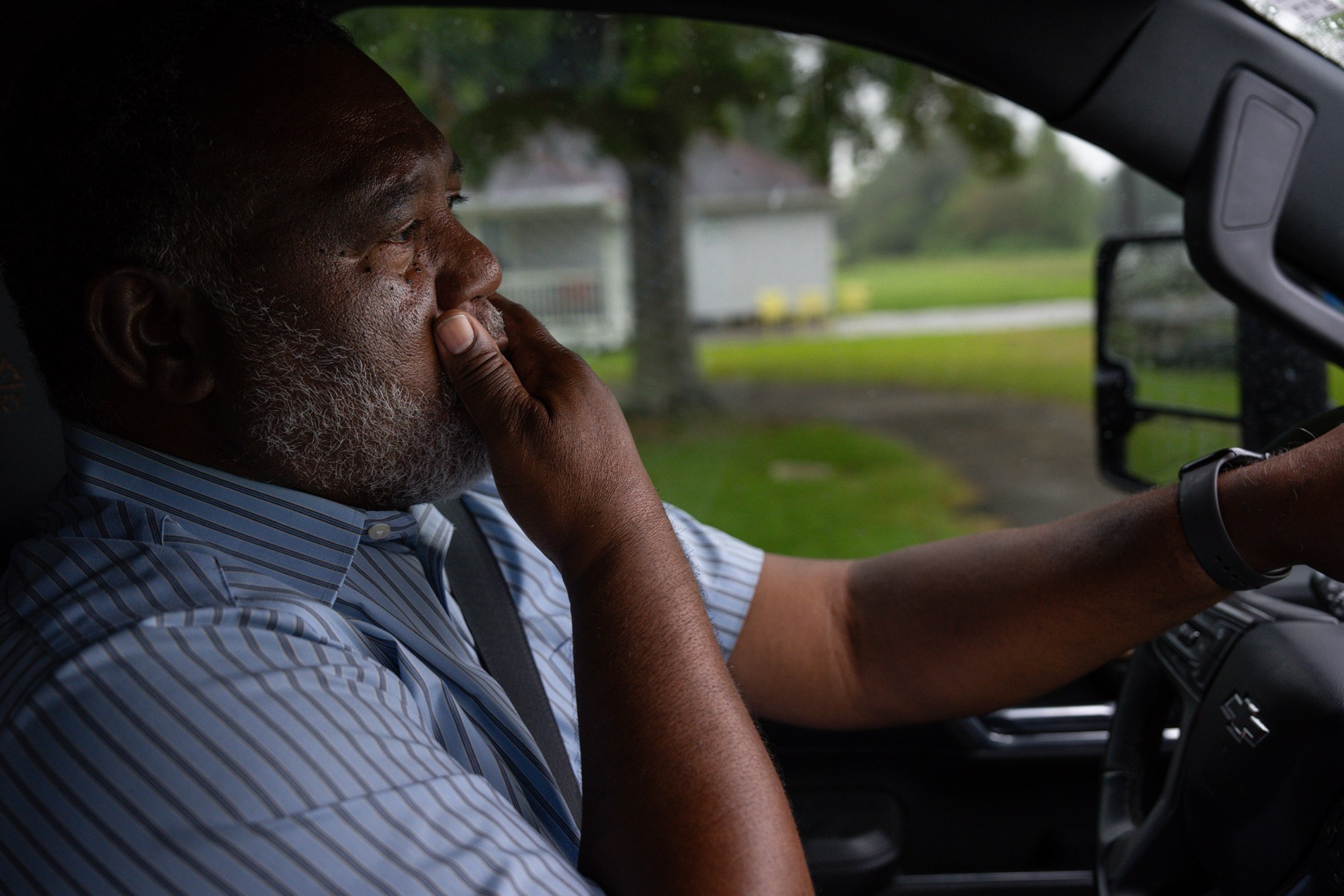
"We’re just shocked that they would want to do this so close to homes," said Douglas Cormier, the 67-year-old president of the Cheek Texas Community Association. Cormier, a lifelong resident of the rural town, lives in the area alongside his wife, daughters, and grandchildren, and views the project as a direct threat to the community’s future and generational stability.
Residents maintain they refuse to serve as test subjects for an unproven and controversial industrial technology. Their concerns are echoed by various academic researchers and policy critics who view carbon capture as a dangerous distraction from the necessary transition away from fossil fuels. Prominent climate scientists, including Harvard University History of Science Professor Naomi Oreskes, have characterized CCS as a false promise that distracts from genuine climate action. Recent investigative reporting by media outlets like Drilled and ProPublica similarly concluded that capturing and storing emissions on the scale required to avoid extreme global warming would demand unfeasible resources. In Texas alone, companies have already canceled or paused nearly a third of 19 proposed carbon storage projects amid mounting scrutiny.
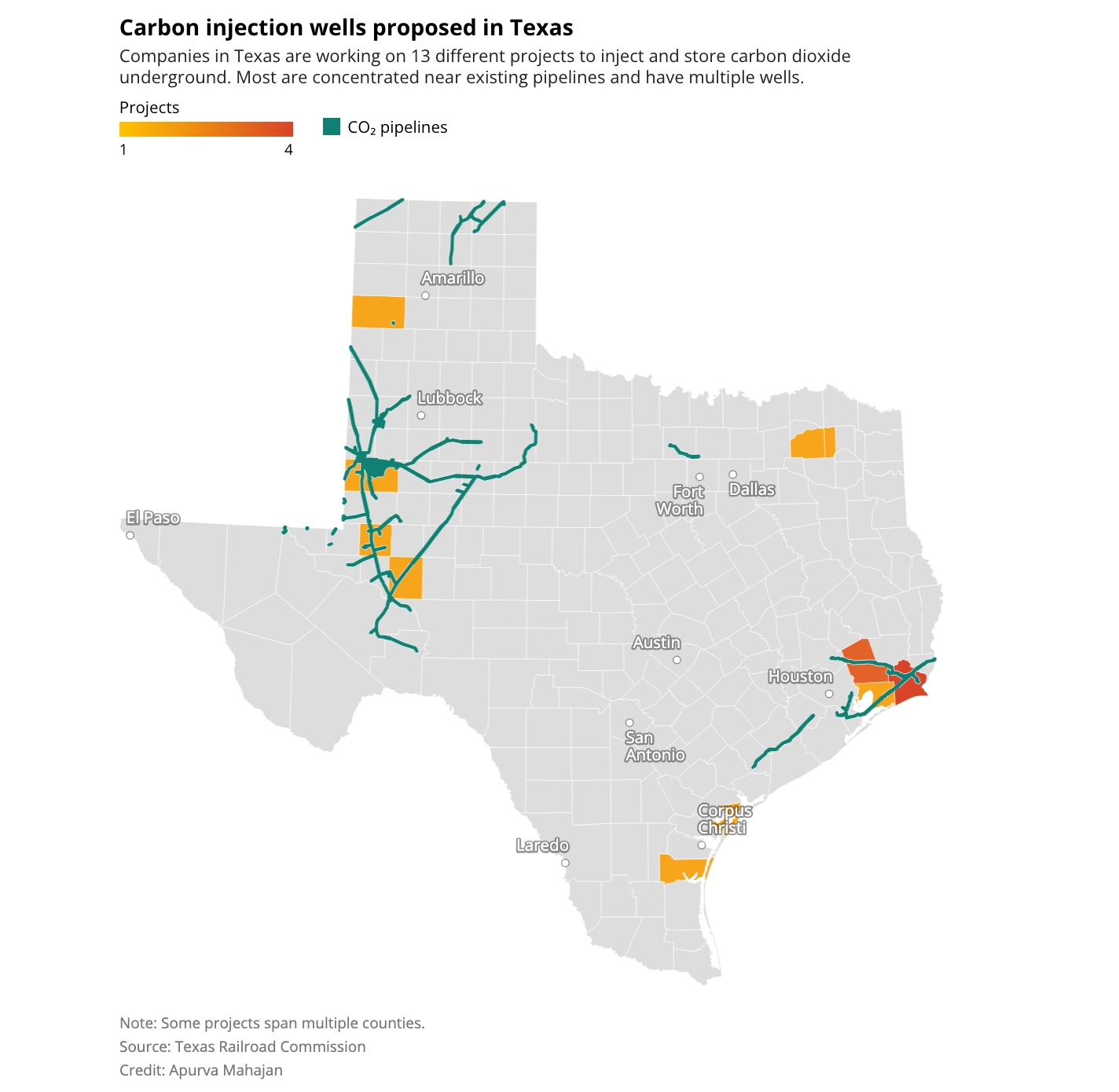
Conversely, supporters of the technology argue that capturing carbon emissions is an indispensable component of an "all-of-the-above" strategy to combat climate change. Bolstered by lucrative federal tax credits, proponents view East Texas as an ideal hub for CCS due to its established network of carbon dioxide pipelines—much of it owned by Exxon Mobil—favorable subterranean geology, and a dense concentration of industrial facilities willing to pay for emissions disposal. Exxon Mobil currently holds seven commercial agreements to store greenhouse gases, with a total injection volume equivalent to the annual emissions of approximately two million cars.
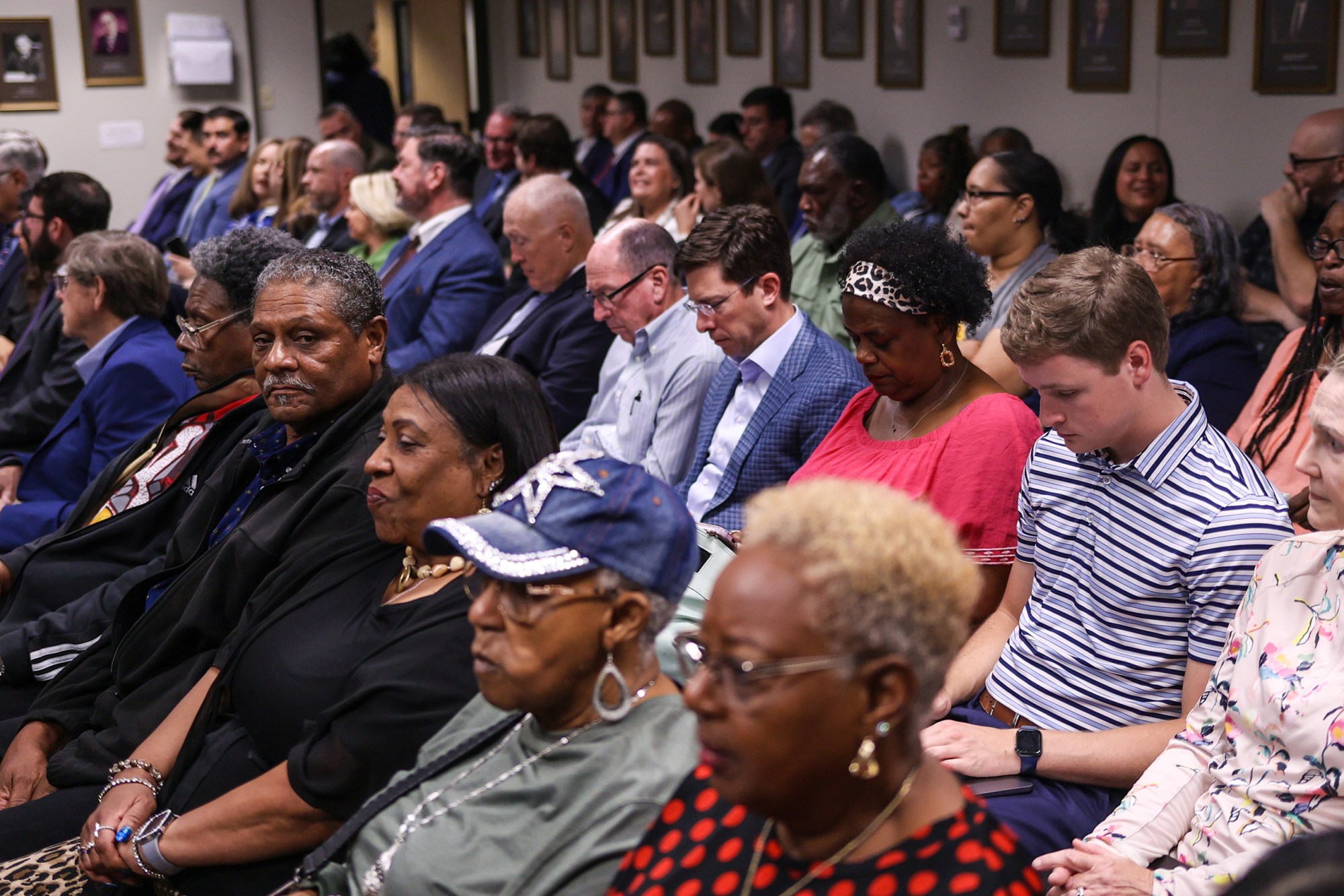
"The community’s concerns around safety of any sort of an injection project are valid and real and need to be taken seriously," said Nichole Saunders, senior director and lead counsel for the energy transition with the Environmental Defense Fund. "At the same time, the need for more carbon management infrastructure to get to where we want to go on climate is also real."
State Gains Power and Faces Scrutiny
The pathway for Texas to regulate these operations dates back more than a decade. In 2009, state lawmakers passed legislation authorizing the Railroad Commission to design a regulatory framework complying with federal Safe Drinking Water Act standards. In 2022, the state formally petitioned the U.S. Environmental Protection Agency for Class VI permitting primacy, which the EPA ultimately granted.
During a virtual EPA hearing, representatives for the Texas Oil and Gas Association lauded the transition of power, calling it an economic triumph. Todd Staples, president of the trade group representing the vast majority of the state’s fossil fuel production, asserted that acquiring permitting power was essential for the state’s economic future and energy leadership. Supporters often emphasize that carbon dioxide is a naturally occurring compound used in everyday products, citing university research suggesting that underground leakage presents a low statistical probability of occurrence. Proponents also point to the state’s fifty-year history of utilizing carbon dioxide for enhanced oil recovery—a process where CO2 is injected into depleted wells to extract remaining petroleum.
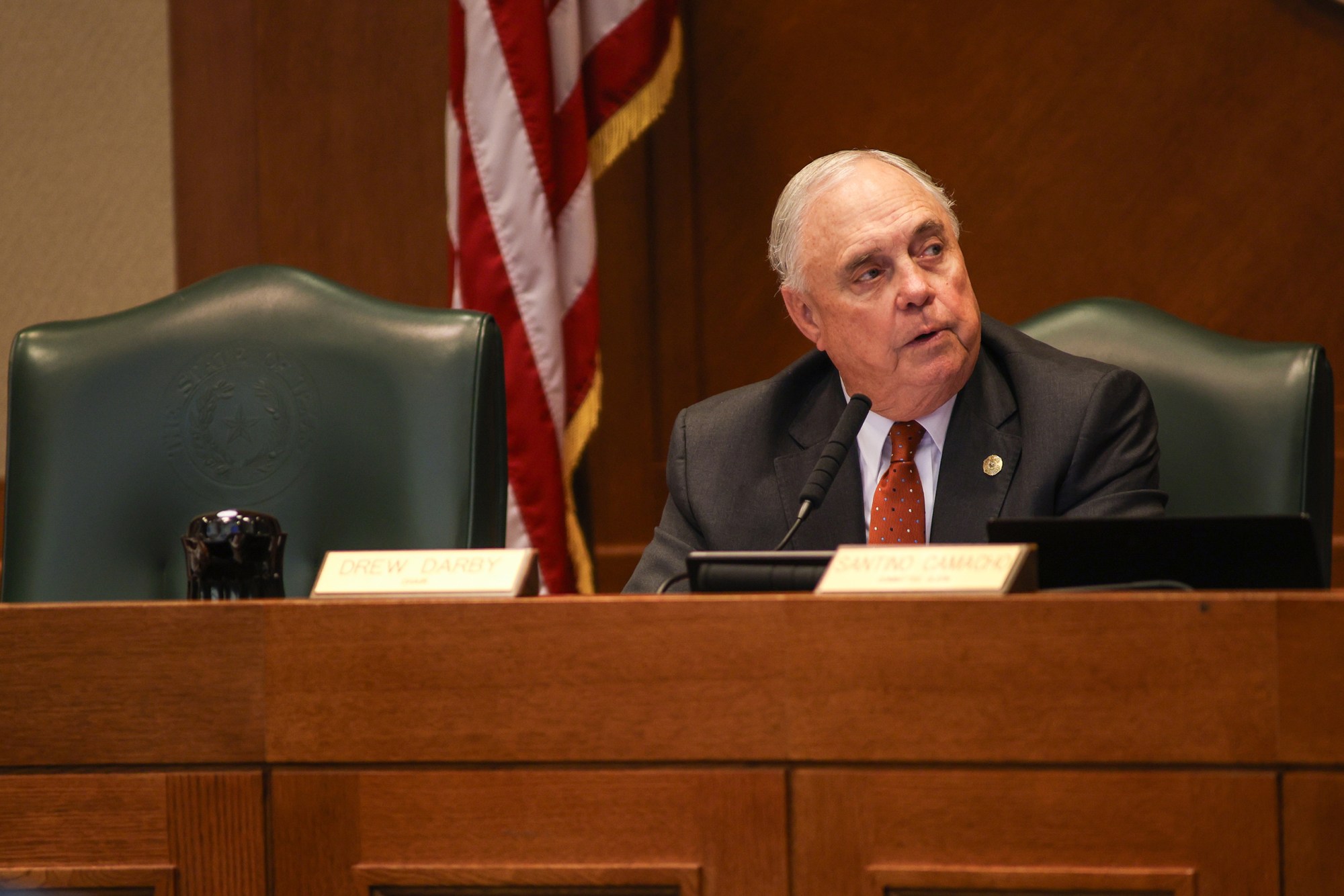
Yet, public trust remains fragile. Critics argue that state regulators have historically failed to prioritize community safety over industrial expansion. During a September legislative hearing, state Representative Drew Darby, a Republican from San Angelo who leads the House Energy Resources Committee, urged regulators to advance carbon capture projects at the "utmost pace while protecting the public."
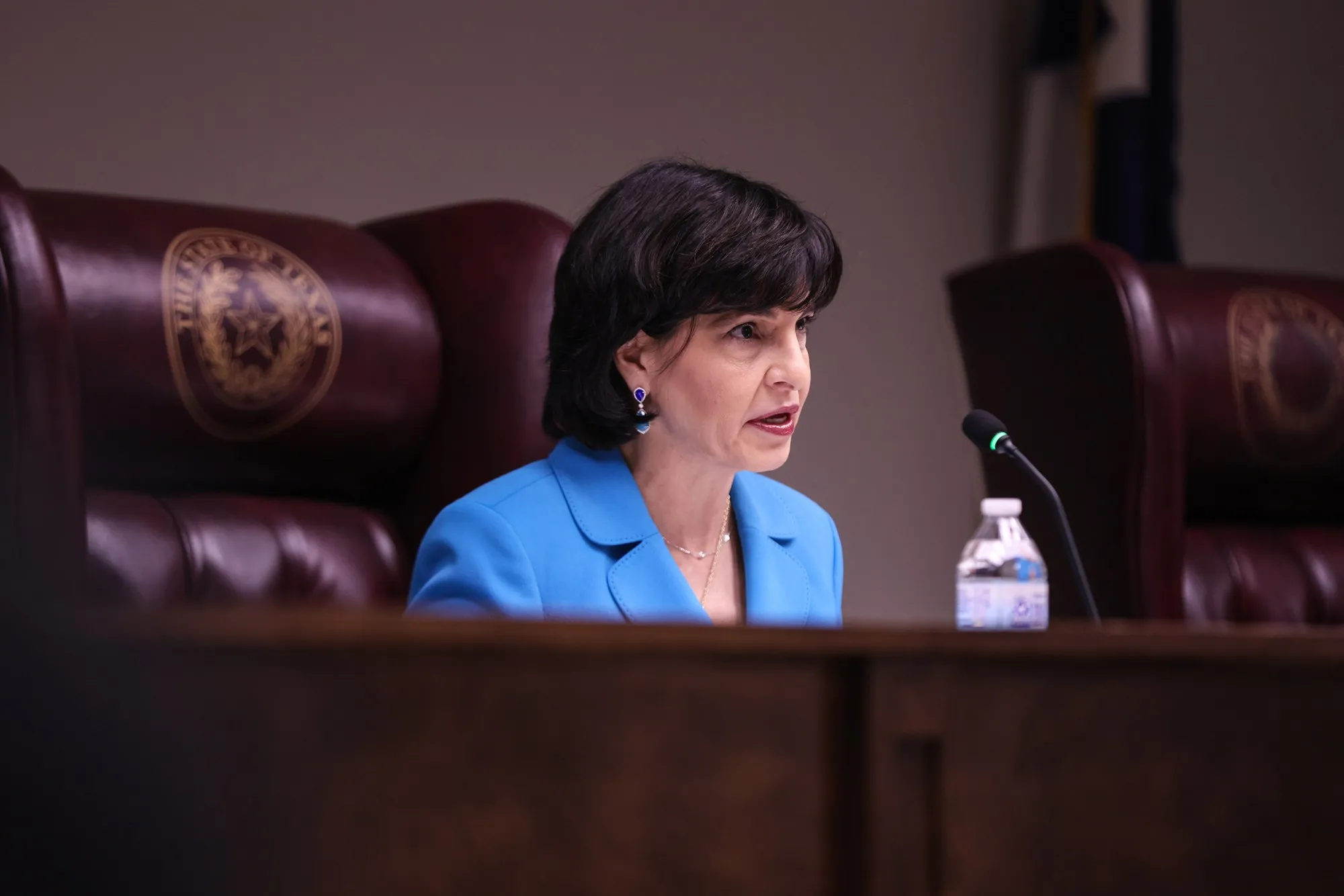
The following day, after learning that Exxon Mobil had curtailed direct communication with Cheek residents once they retained legal representation, Railroad Commission Chair Christi Craddick publicly rebuked the corporation. She urged company representatives to provide tangible support and resources to the community, famously remarking, "Give ’em a fire truck if that’s what they want." Despite the admonishment, Craddick ultimately joined her fellow commissioners in voting to approve the permit.
Wayne Christian, one of the three Texas Railroad Commissioners, dissented and voted against the Exxon Mobil permit, expressing strong reservations about the safety of the project. Conversely, newly elected Commissioner Jon Rosenthal, a Democrat joining the panel, has indicated support for state-level regulation while emphasizing the need for rigorous oversight.
Expansion into Nome and Continued Pushback
Even as the Cheek project moves forward, Exxon Mobil is advancing a second initiative in nearby Jefferson County named the "Sunflower" project, located near the small town of Nome. The Railroad Commission has held public comment hearings on the proposal, drawing similar lines of contention between industrial boosters and anxious residents.
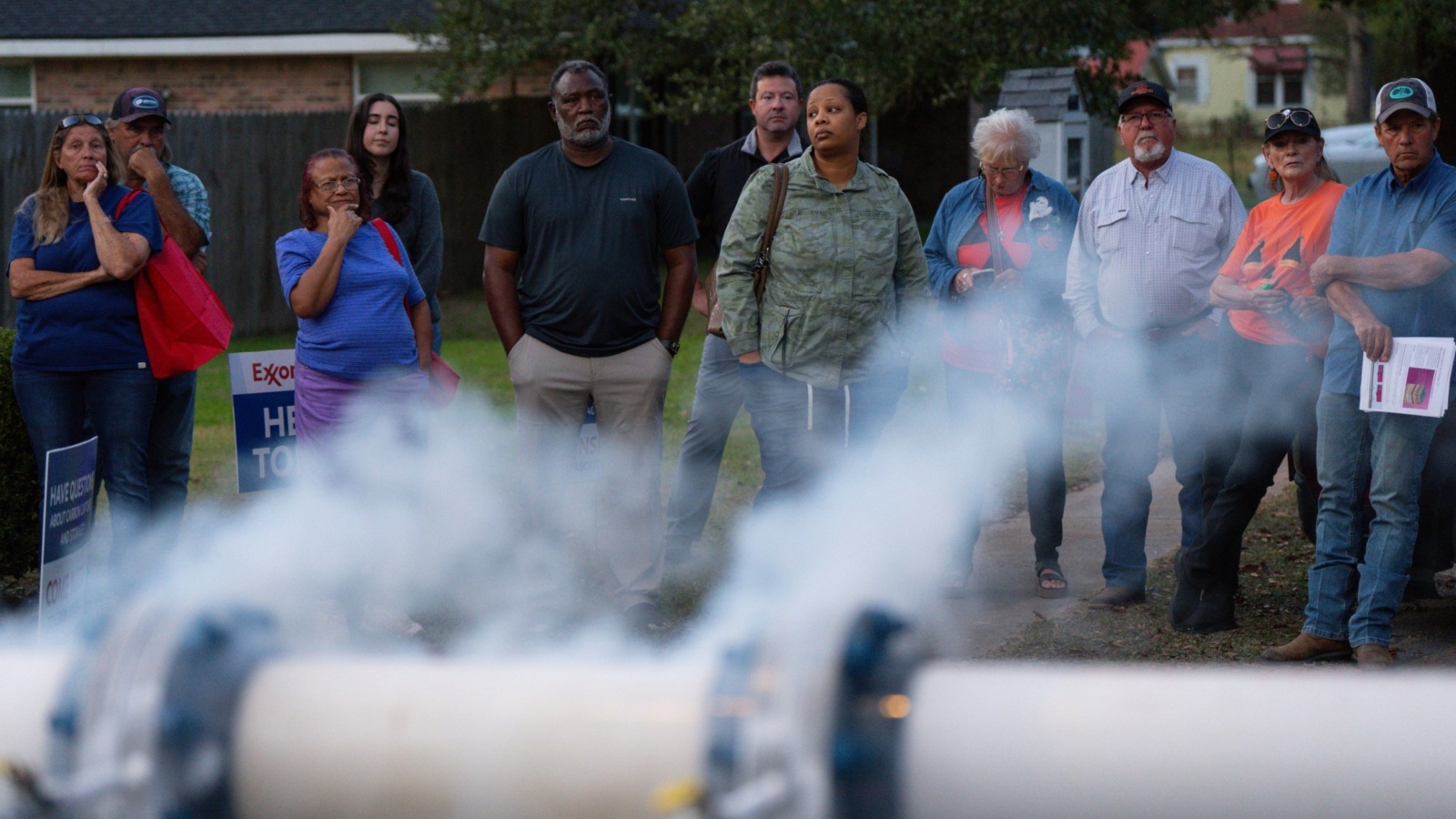
At a recent open house hosted by Exxon Mobil in Nome City Hall, company representatives sought to ease public fears by serving refreshments, distributing glossy informational pamphlets, and conducting live safety demonstrations. During the outdoor demonstration, technicians intentionally vented a small plume of carbon dioxide from a test pipeline to illustrate how the invisible gas disperses safely under controlled conditions.
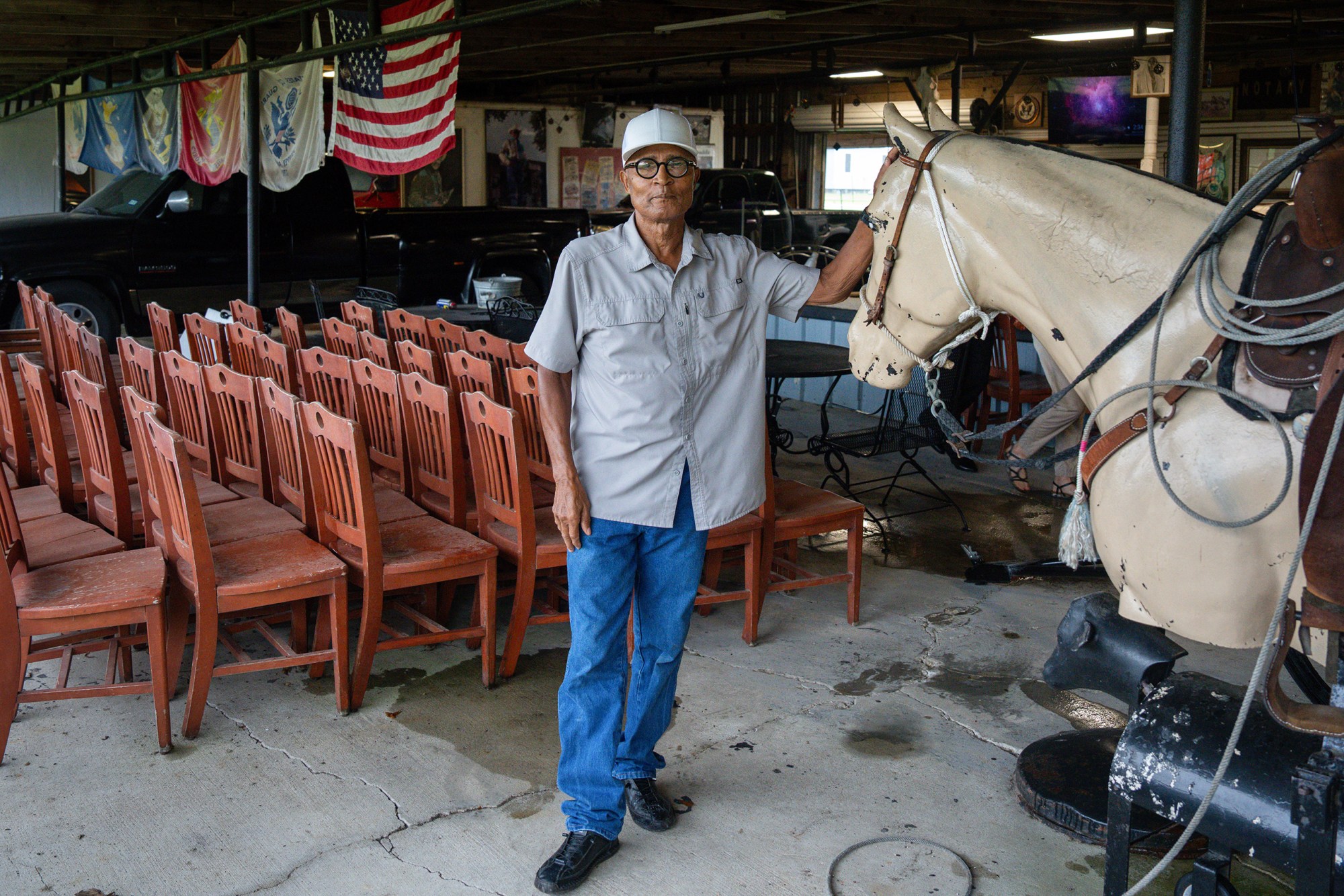
Local officials, such as Nome Mayor Kerry Abney, welcomed the economic investment, pointing to local sales tax revenue and job creation in an area where traditional agriculture faces mounting financial pressures. Some local landowners, including 72-year-old farmer Mike Doguet—whose property sits directly across the street from a proposed injection well—expressed confidence in the company’s engineering standards and community outreach efforts.
However, skepticism persists among neighboring residents and environmental advocates who point to past disasters elsewhere in the country. In 2020, a carbon dioxide pipeline rupture in Satartia, Mississippi, triggered by heavy rain and a landslide, released a massive toxic vapor cloud that hospitalized dozens of residents and left emergency responders struggling without prior safety notifications. Another recent facility leak in Illinois allowed injected fluids to migrate into unauthorized underground zones, underscoring the ongoing uncertainties of long-term subterranean containment.
As Texas navigates its new role as a primary regulator for carbon storage, the tension between industrial expansion and community protection remains palpable. For longtime residents of East Texas whose families have worked the land for generations, the primary objective is safeguarding their property values, water supplies, and physical safety against a backdrop of sweeping technological and environmental change.