
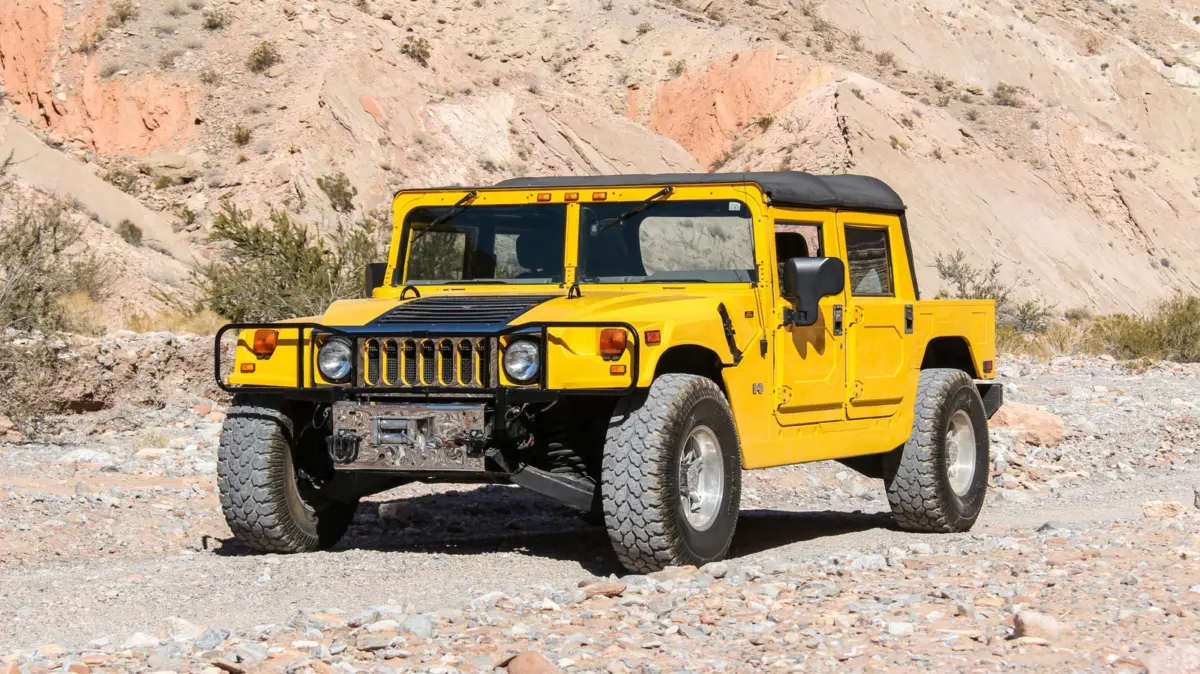
The Hummer brand officially launched in 1992 with the commercial debut of the AM General High Mobility Multipurpose Wheeled Vehicle, widely known as the HMMWV or Humvee. Much like the cultural phenomenon surrounding the Willys Jeep in post-World War II America, the civilian-market Hummer capitalized heavily on post-Gulf War patriotism and high-profile endorsements, most notably from actor Arnold Schwarzenegger. This cultural wave quickly secured the gargantuan diesel-powered machine a permanent place in the modern automotive zeitgeist.
Following its successful deployment and military service after being awarded its first production contract in 1983, the vehicle was ostensibly proven tough enough for the world’s most grueling environments. Naturally, this raised a compelling question for everyday civilian buyers: If the HMMWV could be relied upon by military forces in hostile operational zones, surely it could withstand the mundane rigors of a standard suburban commute? As automotive history has shown, the answer is a cryptically complex reality of extreme durability countered by unexpected vulnerabilities.
When it comes to imposing four-wheeled machines, few vehicles command the road quite like the original Hummer H1. Between 1992 and 1999, the vehicle was sold in relatively small quantities by AM General’s civilian division before General Motors purchased the global marketing and distribution rights for the brand ahead of the new millennium. With just shy of 12,000 units sold across the truck’s entire production run, these military-derived beasts remain rare sights on public roads. Yet, they maintain a deeply entrenched cultural significance, and the raw appeal of owning a genuine mil-spec vehicle continues to captivate enthusiasts.
Because of their high profile and low production numbers, every variant of the H1 generally commands a substantial price tag, even two decades after the final civilian truck rolled off the assembly line. A high-mileage early non-turbo diesel model can still command tens of thousands of dollars, while a pristine, low-mileage example of the 2006-only H1 Alpha easily runs well into the six-figure range. For buyers willing to spend heavily to acquire one of these automotive monuments, a thorough understanding of their inherent mechanical troubles is essential.
What Could Go Wrong?
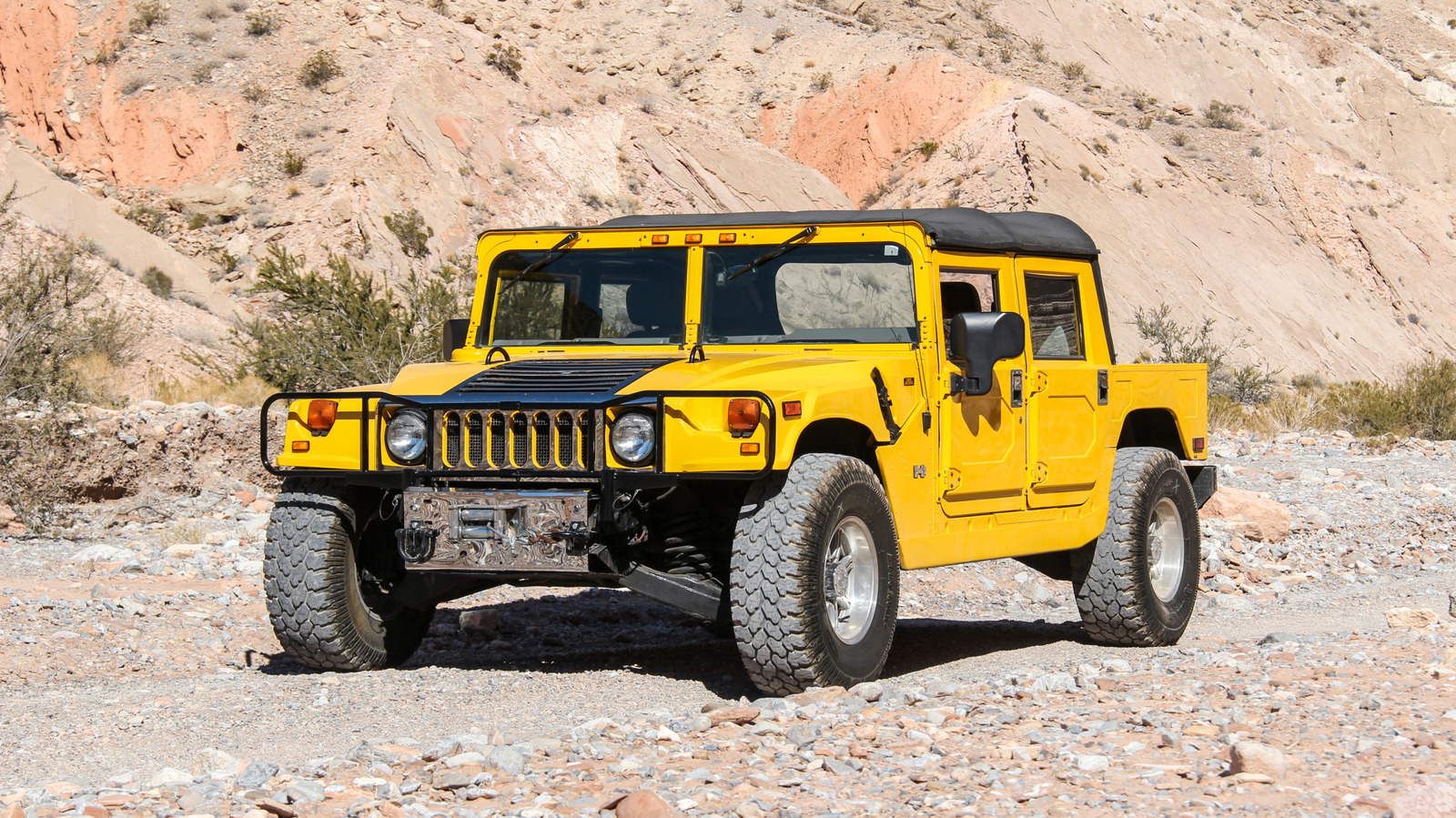
Operating a civilian-market military vehicle comes with immediate compromises. The first and most obvious issue is that, simply due to their massive physical footprint and high-density material construction, these trucks are exceptionally heavy. Weighing in at approximately 7,500 pounds, moving the vehicle requires substantial energy, translating into atrocious fuel economy—often hovering around a dismal 10 miles per gallon.
Furthermore, because of the strictly utilitarian, military-focused nature of these trucks, driver comfort was rarely a primary design concern. Noise, vibration, and harshness engineers were virtually sidelined during the development phase. According to automotive reviews from outlets like Hagerty, the diesel powerplant inside the cabin often sounds less like a refined luxury vehicle and more like a heavy-duty industrial jackhammer. To compound the lack of modern refinement, early models also lack fundamental safety features such as airbags.
On the positive side, the Hummer H1 chassis is legendary for being nearly indestructible, save for one glaring and potentially catastrophic flaw. Automotive enthusiasts familiar with long-running enthusiast coverage will instantly recognize the issue, which was documented firsthand years ago by automotive journalists examining common H1 failures.
Beginning around 1996, every single Hummer was fitted with a 6.5-liter Detroit Diesel turbocharged V8 engine. This powerplant combined a relatively modest 194 horsepower with a massive 438 pound-feet of torque. However, a major manufacturing defect plagued the design: every single one of these specific engines was manufactured with an underlying casting flaw that frequently resulted in a destructive crack developing directly on the eighth cylinder.
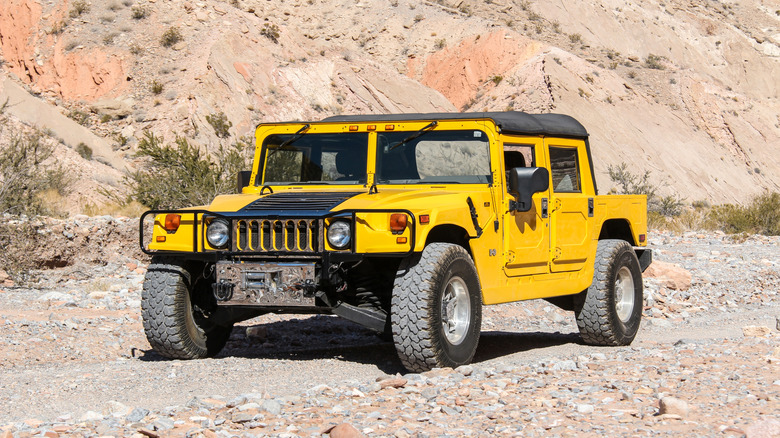
For affected owners, the standard remedy was straightforward, albeit expensive: complete engine replacement. This systemic defect affected every single Hummer manufactured from 1996 through the year 2000. In practical terms, this means that every Hummer built during that specific four-year window has either already suffered an engine failure due to the notorious number eight cylinder issue, or remains statistically vulnerable to it in the future. Fortunately, pre-1996 non-turbo Detroit Diesel models, the rare gasoline-powered variants, and the later 2001 through 2006 models are entirely unaffected. Savvy buyers looking at these model years must meticulously check engine casting numbers to verify whether the block was manufactured after the March 15, 1999 cutoff date.
Just an Exploding Engine? Is That It?
While a cracked cylinder block is the most severe mechanical failure associated with the H1, it is not the only persistent issue owners face. Another major mechanical headache involves the onboard Central Tire Inflation System, which frequently suffers from leaks. After decades of operation or prolonged periods of sitting stationary, the rubber air lines running through the suspension and wheels inevitably become brittle, crack, and lose pressure. While it is entirely possible to source replacement lines and restore the system to full factory functionality, many owners ultimately choose to bypass the system completely and inflate their tires using traditional, manual methods.
Naturally, purchasing any twenty-year-old heavy-duty truck brings a predictable cascade of age-related maintenance items. Just like any vintage vehicle subjected to decades of wear and tear, prospective buyers must closely monitor worn suspension bushings and components, fluid leaks, structural rust, neglected brake systems, and comprehensive maintenance logs. Sourcing replacement consumables can also prove surprisingly expensive. Specialized oversized tires, for instance, can cost well over $2,000 for a complete set, a financial factor that can serve as a useful tool during price negotiations.
Compounding the maintenance challenge is the vehicle’s rarity. Owners will rarely find specialized components, such as parts for the tire inflation system, stocked on the shelves of a local neighborhood auto parts store. While the necessary replacement parts do exist, keeping a specialized supplier on speed dial is practically a mandatory requirement for H1 ownership.
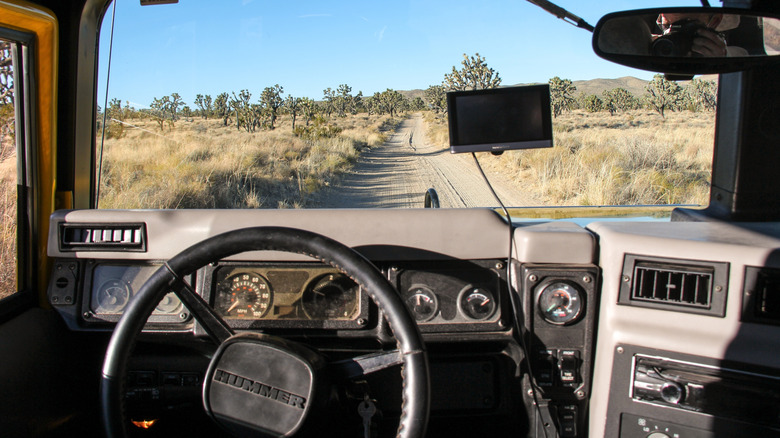
Despite these significant hurdles, the market for 1996 to 2000 trucks with original, unrepaired engines remains active, often attracting builders looking for a foundation for a custom project. For the right price, a rare two-door pickup variant could serve as the ideal canvas for a modernized restomod, such as swapping in a powerful modern diesel engine to dramatically elevate performance and reliability.