
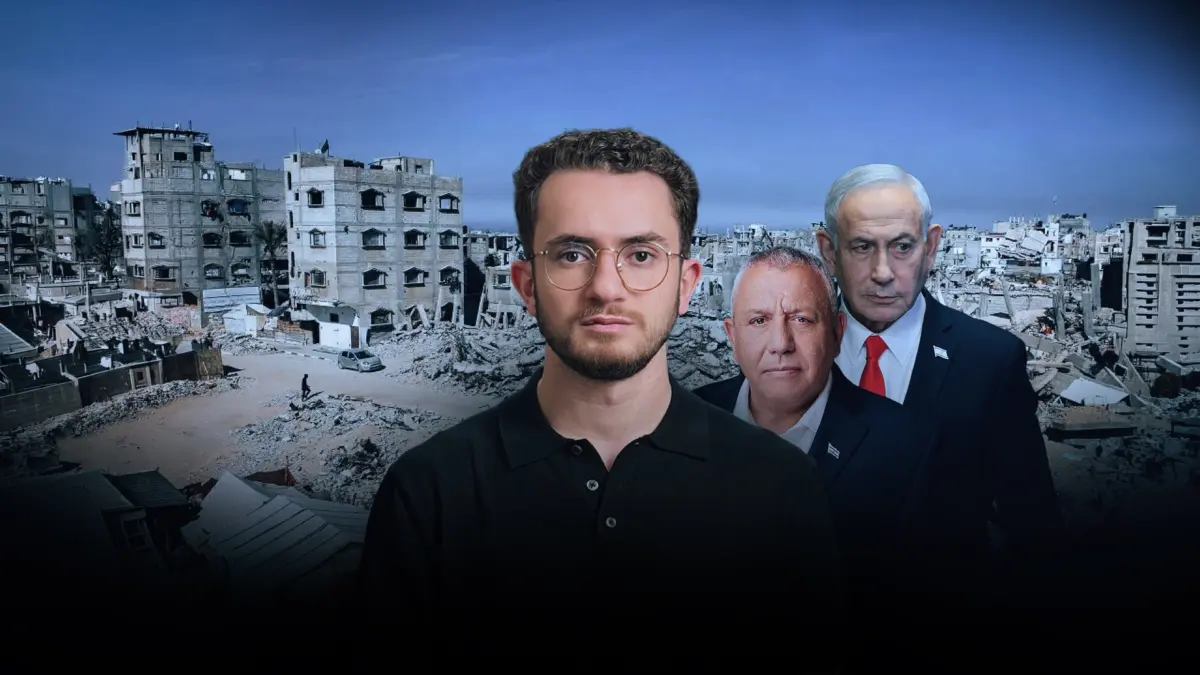
The heart-wrenching scenes in Gaza unfolded against a backdrop of ongoing conflict and profound humanitarian suffering, capturing the stark contrast between the daily realities faced by civilians in the besieged enclave and the high-stakes political maneuvering taking place just miles away in Israel. As grieving families buried their loved ones in a single, collective ceremony, the political landscape in Israel remained gripped by intense turbulence and high-level negotiations, with Prime Minister Benjamin Netanyahu fighting fiercely to maintain his grip on power amid persistent political rows over the composition of the next governing coalition.
Reporting from the region, Al Jazeera correspondent Mohamad Saleh provided the latest updates on the dual developments, highlighting the deep disparities between the political survival tactics in Jerusalem and the human cost of the ongoing hostilities on the ground in Gaza. The simultaneous occurrence of the mass funeral and the domestic political wrangling in Israel underscores the complex and deeply intertwined trajectories of the conflict, where diplomatic and governmental debates continue to play out while civilians bear the heaviest burdens of the crisis.
In Gaza, the mass funeral served as a grim reminder of the immense difficulties faced by civil defense teams, emergency responders, and families searching for missing relatives. For weeks or even months, scores of bodies had remained inaccessible beneath collapsed infrastructure due to ongoing military operations, fuel shortages, damaged heavy equipment, and the sheer volume of destruction across densely populated neighborhoods. The recovery of these 70 bodies and their eventual interment offered a painful measure of closure to families who had spent agonizing periods waiting for news of their missing loved ones, even as thousands of other individuals remain unaccounted for beneath the debris across the territory.
Mourners at the burial site expressed overwhelming sorrow and exhaustion, pointing to the relentless humanitarian crisis that continues to plague daily life in Gaza. Medical facilities, infrastructure, and housing have sustained catastrophic damage, leaving surviving residents to grapple with severe shortages of clean water, medical supplies, electricity, and shelter. The process of recovering remains from collapsed buildings remains one of the most perilous and emotionally taxing tasks for local rescue workers, who often lack the basic machinery required to safely lift heavy concrete slabs.
Meanwhile, shifting northward geographically and politically, the capital city of Israel has been consumed by a different kind of battle—one fought in parliamentary corridors, meeting rooms, and media broadcasts. Prime Minister Benjamin Netanyahu finds himself navigating a precarious political labyrinth as discussions and disputes intensify over who will ultimately secure seats in the next governing coalition. Netanyahu, a dominant and polarizing figure in Israeli politics for decades, is once again locked in intense negotiations to preserve his political survival and hold together a stable governing majority.
The political rows in Israel center on competing demands from various political factions, ideological allies, and potential coalition partners, each seeking to maximize their influence over key government portfolios and policy directions. These internal disagreements have complicated Netanyahu’s efforts to finalize the lineup of the incoming administration, leading to prolonged deadlock and fierce public debates. Critics and political opponents have closely monitored the negotiations, arguing that the domestic preoccupation with coalition politics reflects a disconnect from the broader regional instability and the profound humanitarian and security challenges facing the country.
The juxtaposition of these two events—the mass funeral for 70 victims of the conflict in Gaza and the high-stakes political maneuvering surrounding Netanyahu’s coalition talks in Israel—highlights the multifaceted nature of the ongoing crisis. While international observers and local populations focus heavily on the immediate human toll and the urgent need for relief and recovery, political leaders in Israel remain absorbed in the calculations of governance, party alliances, and legislative survival. As the situation continues to evolve on both fronts, families in Gaza continue to mourn their dead amidst the ruins, while political actors in Jerusalem maneuver for position in a shifting and uncertain political reality.