
The independent gaming landscape is currently navigating a period of significant uncertainty as developers report mounting delays in Steam’s game submission and review process. While Valve has long maintained a reputation for a relatively streamlined pipeline that allowed small teams to plan their launches with precision, recent weeks have seen that system buckle under the weight of an unprecedented volume of submissions. The resulting backlog has forced several indie studios to postpone their release dates, leaving creators in a state of limbo as they await approval from the world’s largest digital storefront for PC gaming.
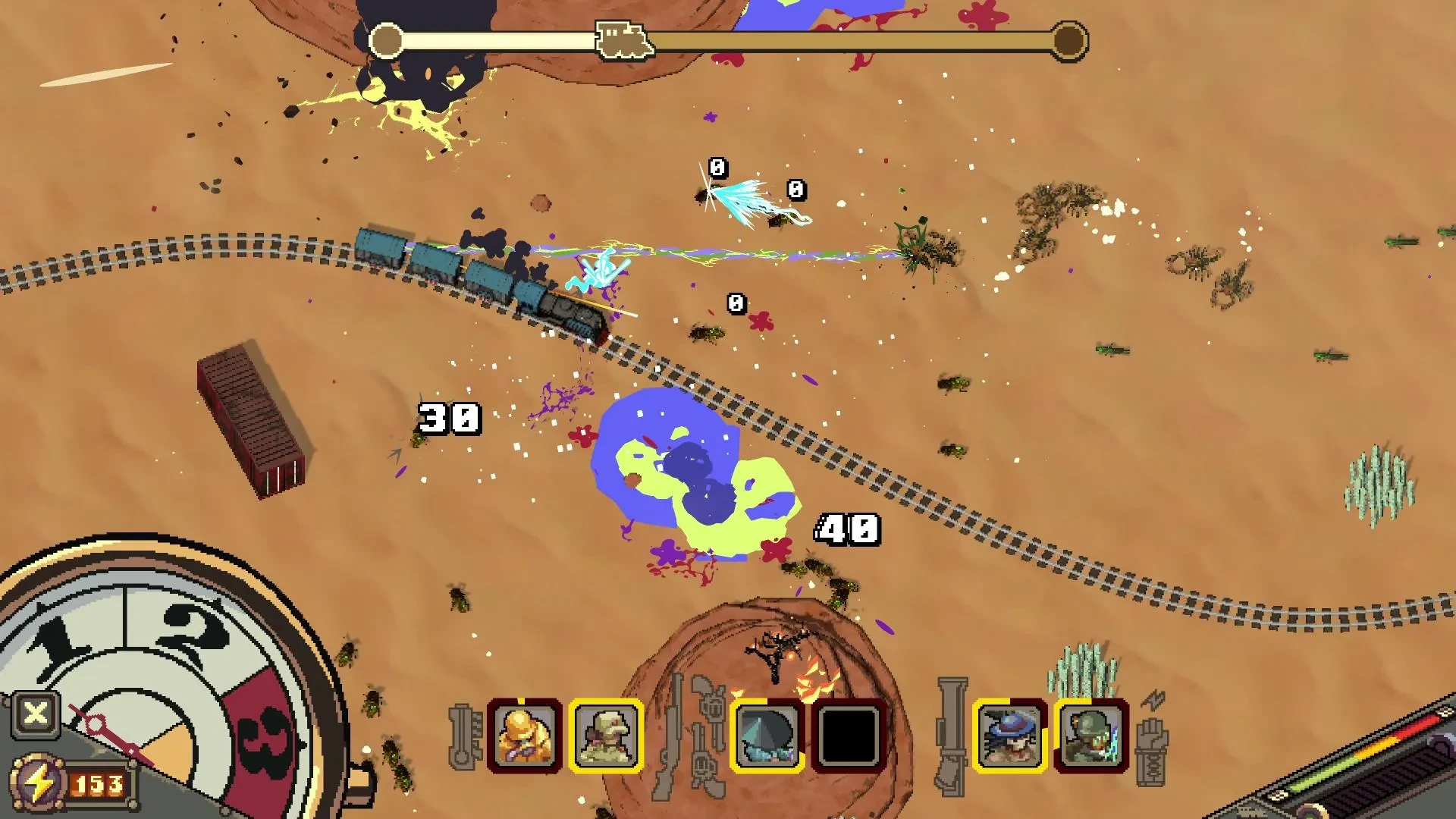
Prominent developer Rami Ismail recently brought the issue to light, highlighting the struggles faced by his own team. Ismail, working in collaboration with Aesthetician Labs, has been attempting to secure approval for their title, Australia Did It: End-of-the-World Railway Defense Business. According to Ismail, the game has been languishing in Steam’s submission queue since October 20, 2026. While the build initially failed the review process due to a minor issue regarding controller input on November 5—a technical hurdle the team resolved that same day—the project has remained in a state of suspense ever since. Despite multiple follow-up inquiries sent to Valve, the developers have received no meaningful response or clarification regarding the status of their game, effectively stalling their launch plans.
For seasoned developers like Ismail, this lack of communication is a departure from the operational norms they have come to expect from the platform. Historically, Steam has been lauded for its efficiency, particularly when compared to the more rigid and opaque certification processes required by console manufacturers like Sony, Microsoft, and Nintendo. Ismail noted that in the past, a 10 to 14-day window prior to a scheduled launch was typically sufficient to account for potential rejection, allow for necessary fixes, and still ship on time. The current environment, however, has rendered those timelines obsolete.
The plight of Ismail and the team behind Australia Did It is not an isolated incident. Reports of similar submission bottlenecks have surfaced across the industry, with studios including TwoMenGames, Monoii Studio, and Studio Daimon also publicly citing delays that have disrupted their release schedules. These developers, many of whom rely on the revenue generated by timely launches to sustain their operations, are finding themselves unable to provide concrete release dates to their communities, creating a ripple effect of uncertainty that can dampen marketing efforts and fan engagement.
In response to the growing chorus of concern, Valve issued a statement last week acknowledging that the platform is currently navigating a "significant increase in submissions" for both store page setups and game build reviews. The company attributed this surge to activity over the past several months and noted that it has been working diligently over the last several weeks to scale its internal processes to better match the high volume of incoming content.
Valve stated that its objective remains to test every submitted game build in a timely manner, with a target turnaround time of three to five business days. However, the company conceded that it is currently falling short of that goal, with wait times stretching up to 12 business days in some cases. A critical factor in this slowdown, according to Valve, is the necessity of re-reviewing games. When a build is rejected for technical or policy reasons, the developer must submit a corrected version, which then re-enters the review queue. As the sheer number of submissions rises, the burden of these iterative reviews has created a compounding effect that slows the entire pipeline.
While the technical challenges of scaling a review process are clear, the situation has ignited a broader conversation regarding the composition of the content being submitted to Steam. In recent months, there has been an intense focus on the proliferation of what many in the industry describe as "AI slop"—a term used to characterize low-effort games, clones, or assets generated primarily through artificial intelligence tools. Concerns have been mounting that the ease of generating and distributing such content is flooding the store, potentially drowning out legitimate, handcrafted indie titles and complicating the moderation efforts required by Valve.
Although Valve has not officially attributed the current submission slowdown to the influx of AI-generated games, observers and developers alike are questioning whether the current "open market" approach is sustainable under the pressure of automated content creation. Rami Ismail expressed significant apprehension regarding the long-term implications of Valve’s current stance. He suggested that by attempting to remain neutral or avoid taking a definitive political position on the role of AI in game development, Valve may be inadvertently forcing itself into a corner.
Ismail argued that if developers of low-effort, AI-generated clones can utilize automated systems to submit multiple titles a day, the resulting strain on the review process will inevitably force Valve to adopt more restrictive measures. These could include stricter constraints on distribution, increased submission fees, or a significantly more complex and rigorous approval process. In Ismail’s view, the costs of moderating a platform inundated with AI-generated content will eventually fall on Valve, and the company will likely find that it cannot maintain a policy of neutrality while simultaneously protecting the integrity of the store and the livelihoods of genuine developers.
The current tension is further complicated by the evolution of Valve’s own policies regarding artificial intelligence. Earlier this year, the company amended its AI disclosure guidelines, requiring developers to disclose the use of generative technology only in specific instances, such as when it is used to create content during the game’s development or runtime. Furthermore, since 2024, Valve has permitted the vast majority of games utilizing AI to be published on Steam, provided they adhere to the updated disclosure requirements. This policy shift was intended to provide a framework for the integration of new technologies while maintaining transparency for consumers.
As it stands, the immediate challenge for Valve is to clear the current backlog and restore the predictability that independent developers depend on for their survival. Whether the current delays are a temporary byproduct of a seasonal surge in submissions or the beginning of a systemic shift in how Steam manages its massive library remains to be seen. For now, studios large and small are left waiting, hoping that the platform can recalibrate its processes before the delays cause further damage to their release windows and, by extension, the independent game development ecosystem. The industry continues to watch closely as Valve navigates the delicate balance between maintaining an open marketplace and ensuring the quality and viability of the games that reach its storefront.