
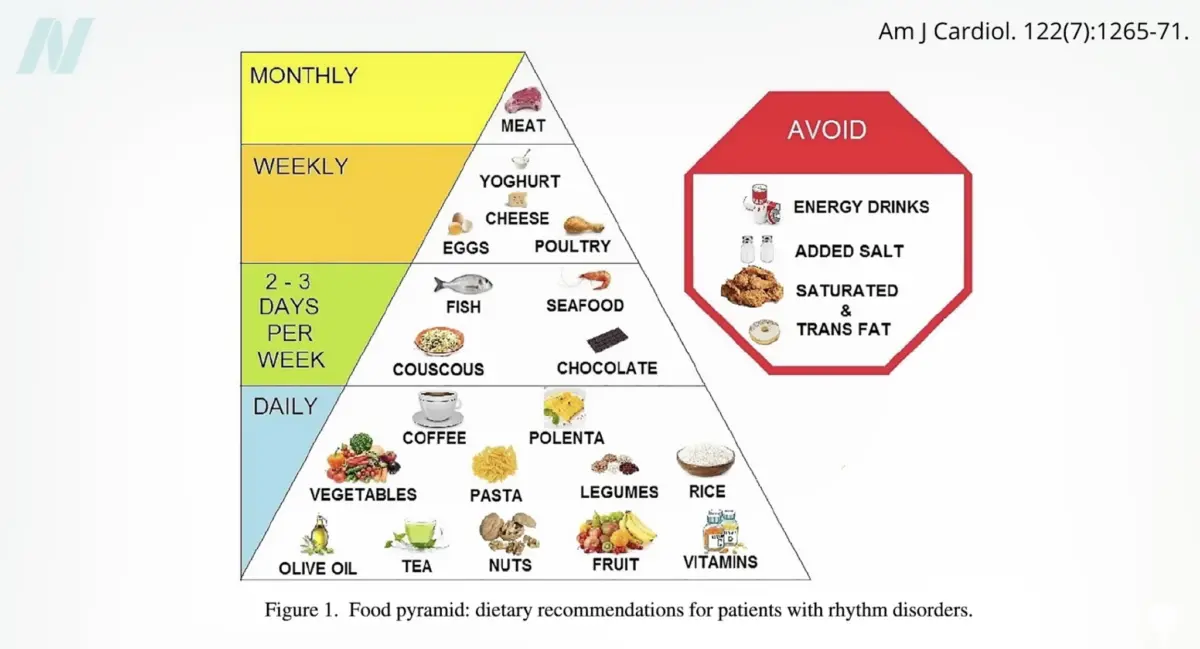
Atrial fibrillation, commonly known as Afib, stands as the most prevalent clinical arrhythmia affecting millions of Americans today. Characterized by an irregular and often rapid heart rhythm, the condition is far more than a minor annoyance; it is a significant global public health concern. The clinical burden of Afib is underscored by its dangerous association with severe outcomes, including an elevated risk of stroke, heart failure, and myocardial infarction. As medical researchers continue to seek ways to mitigate this growing crisis, a central question has emerged: Can dietary interventions not only help prevent the onset of Afib but perhaps even play a role in its treatment?
Recent scientific inquiry has begun to shed light on what patients should avoid to protect their cardiac health. Notably, the adoption of low-carbohydrate diets has been linked to an increased risk of developing atrial fibrillation. This correlation appears to be driven by several physiological mechanisms. When individuals restrict carbohydrates, they often inadvertently reduce their intake of protective, anti-inflammatory foods such as vegetables, fruits, and whole grains. Research suggests that the decline in these nutrient-dense staples may remove a critical layer of defense against heart rhythm disorders.
Furthermore, the structure of a typical low-carb diet—often high in protein and fat—may inadvertently stimulate oxidative stress. This process, which involves the formation of harmful free radicals, is known to be associated with the development of Afib. Beyond these direct mechanisms, low-carb diets are also tied to a broader increase in cardiovascular disease, which can create a systemic environment that fosters the development of arrhythmias. The long-term health implications are significant, as studies indicate that low-carb dietary patterns are associated with an increased risk of all-cause mortality, as well as higher rates of death specifically attributed to cardiovascular disease and cancer.

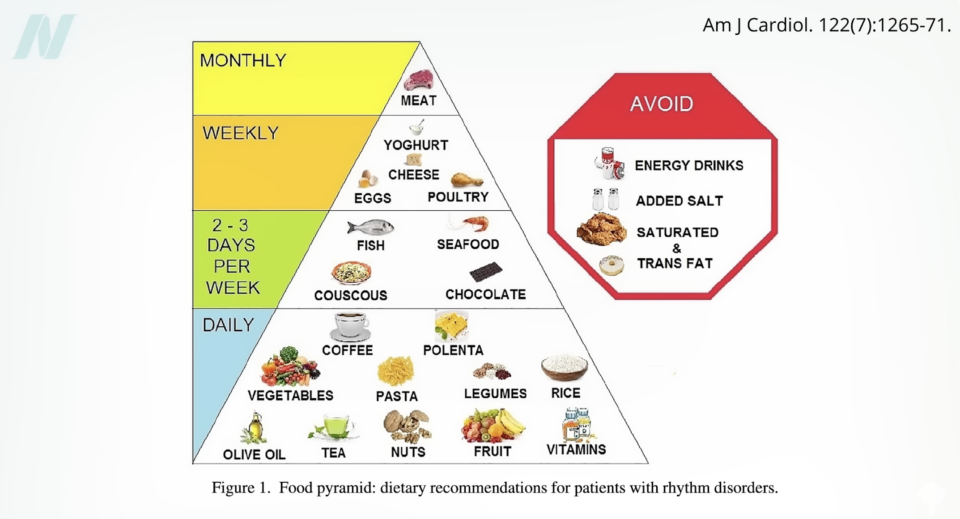
In contrast, current dietary recommendations for patients struggling with heart rhythm disorders emphasize the exact opposite of a low-carb approach. The evidence increasingly supports a whole-food, plant-based diet, characterized by an emphasis on legumes—such as beans, split peas, chickpeas, and lentils—along with whole grains, vegetables, fruits, and nuts. By excluding or minimizing animal products, this dietary pattern serves a dual purpose: it maximizes the intake of protective, anti-inflammatory nutrients while simultaneously eliminating animal-based foods that may exacerbate heart strain.
A compelling example of the impact of dietary choices can be found in the Framingham Heart Study, which highlighted an unexpected association regarding "dark fish." Researchers classified this category to include salmon, mackerel, swordfish, bluefish, and sardines. In an exploratory analysis, the study revealed that participants who consumed more than four servings of these types of fish per week faced a significantly higher risk—roughly sixfold—of developing Afib compared to those who did not. Interestingly, the intake of fish in general did not appear to have the same correlation, suggesting that the specific type of fish may play a distinct role in cardiac health.
Alcohol consumption also presents a clear area of concern for those managing arrhythmias. While the exact biological reasons for its impact remain a subject of ongoing study, clinical data shows that each daily drink is associated with an approximately 8% increase in the relative risk of developing Afib. Conversely, for those concerned about their morning routine, current research suggests that caffeine intake, including coffee consumption, does not appear to have a clear link to the risk of arrhythmia.
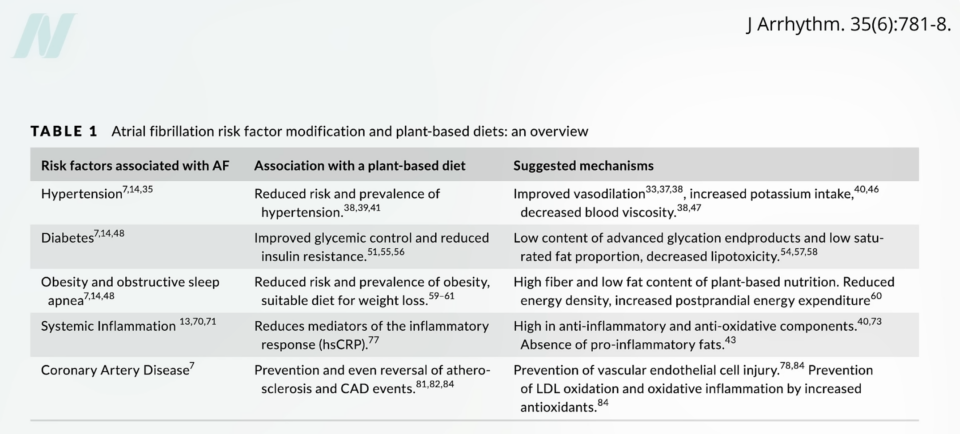
Where plant-based diets demonstrate their greatest potential is in the management of traditional risk factors that contribute to Afib. Hypertension, hyperthyroidism, obesity, and diabetes are all well-established drivers of atrial fibrillation. A plant-based diet acts as a powerful tool in addressing these underlying issues. High blood pressure, which accounts for approximately one-fifth of all new cases of Afib, can be managed through the physiological benefits of a plant-rich diet, which promotes better vasodilation—the ability of the arteries to expand naturally—while reducing blood viscosity and providing essential antioxidants.
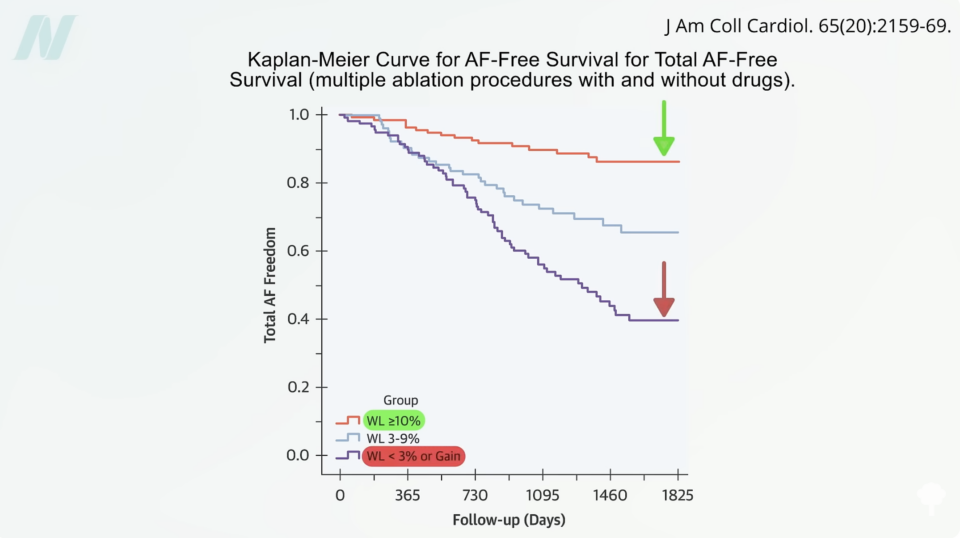
Regarding hyperthyroidism, evidence suggests that the exclusion of all animal products may be protective. Studies have shown that individuals following a strictly plant-based diet exhibit roughly half the prevalence of hyperthyroidism compared to those who consume meat. Similarly, excess body fat is a major contributor to the condition, responsible for another fifth of all Afib cases. The clinical prognosis for weight management is promising; significant weight loss is strongly associated with freedom from atrial fibrillation. In one study, overweight participants who successfully lost 10% or more of their body weight had only a 10% chance of experiencing Afib five years later, whereas those who maintained their weight or gained weight faced a 60% likelihood of continued arrhythmia.
These findings suggest that a plant-based diet could be instrumental in preventing, arresting, or potentially reversing the factors that lead to Afib, including systemic inflammation and chronic heart disease. However, the most provocative evidence for the efficacy of these changes comes from individual case reports, which provide a window into the potential for healing.
Consider the case of an 82-year-old man who suffered from a complex array of conditions, including coronary artery disease, a history of heart attacks, ischemic cardiomyopathy, high cholesterol, and persistent atrial fibrillation. He was also struggling with polypharmacy—the use of multiple medications—which left him battling cognitive impairment, memory loss, profound fatigue, and weakness. While medications can be a necessary lifeline for many, they often come with their own risks of adverse effects. Faced with this reality, the patient opted to address the underlying causes of his ill health.
He shifted to a whole-food, plant-based diet paired with moderate physical activity. The results were rapid and profound. Within months, he saw a significant reduction in his blood pressure and cholesterol levels, allowing his medical team to discontinue his antihypertensive, statin, and beta-blocker medications. Most notably, his symptoms of atrial fibrillation and ischemic cardiomyopathy—including his persistent fatigue and light-headedness—resolved completely.
Reflecting on his journey, the patient described the frustration of living with medication-induced "brain fog" following a near-fatal heart attack. "I had already lost four years of my life to medication-induced brain fog. I wasn’t going to sacrifice more," he noted. After receiving education on the benefits of eliminating meat, cheese, oil, and wine in favor of fresh vegetables and whole foods, he regained the ability to exercise, lift weights, and live an active, independent life. "I feel more alive than I have for years," he said. "I wake up each morning with a clear head and happy heart, grateful to not have to take a handful of drugs."
While these case reports are compelling, they underscore a broader movement in cardiology toward recognizing the impact of lifestyle modifications as a primary, rather than secondary, treatment. For many patients, the path to reclaiming health begins with the simple, consistent choice to prioritize whole, plant-derived foods. As clinical understanding deepens, the focus on diet as a fundamental component of heart care continues to gain support, offering hope that for many, the "best diet" may be the most effective medicine of all.