
For automotive enthusiasts with a soft spot for utility-focused passenger cars, the appeal of a well-executed "ute" is hard to overstate. Across the global automotive landscape, car-based pickup trucks have taken countless imaginative forms, spanning DIY conversions, rare factory experiments, and iconic nameplates. Yet, before the modern era of custom builds and specialized adaptations, classic utility vehicles established a distinct legacy on North American and international roadways. Among these foundational designs, names like the Chevrolet El Camino, Australian Holden utes, and Ford’s own Ranchero stand out as royalty of the segment.
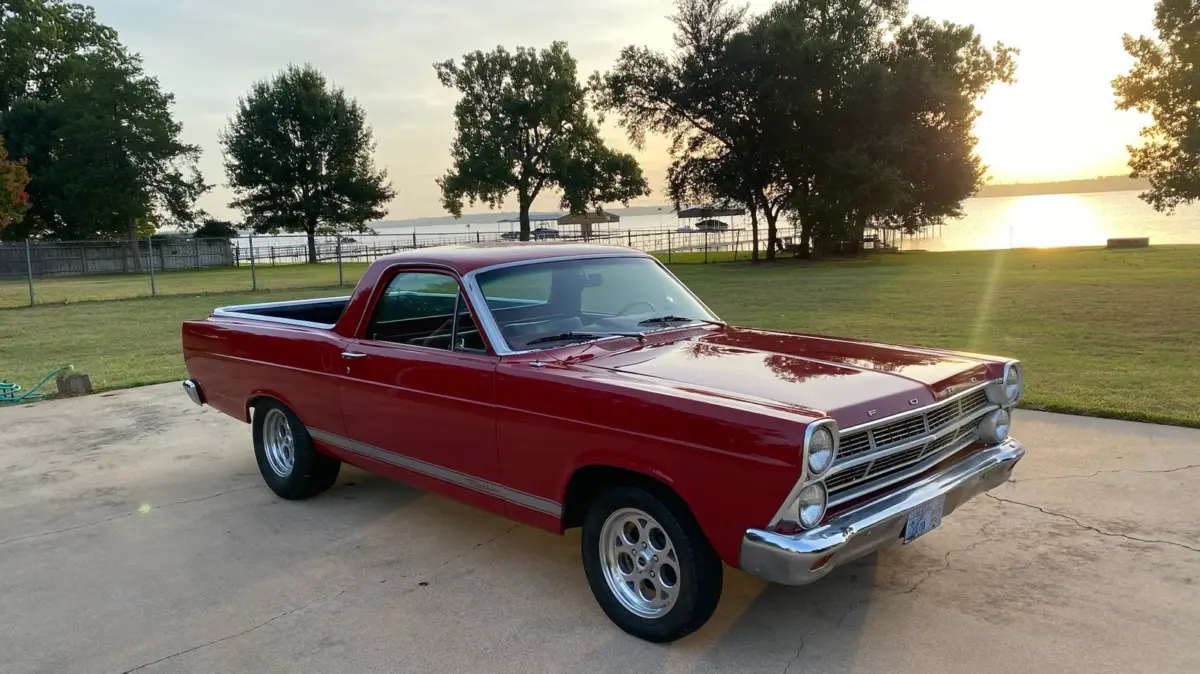
A prime example of this enduring lineage has now surfaced on the enthusiast market. A bright red 1967 Ford Fairlane Ranchero, currently listed on the automotive auction platform Bring a Trailer, offers a compelling blend of classic styling and tasteful mechanical upgrades. Rather than falling victim to the heavy-handed modifications that often plague vintage restomods—such as overly futuristic digital dashboards or aggressive body kits—this particular Ranchero preserves the integrity of its era while packing a substantial punch under the hood.
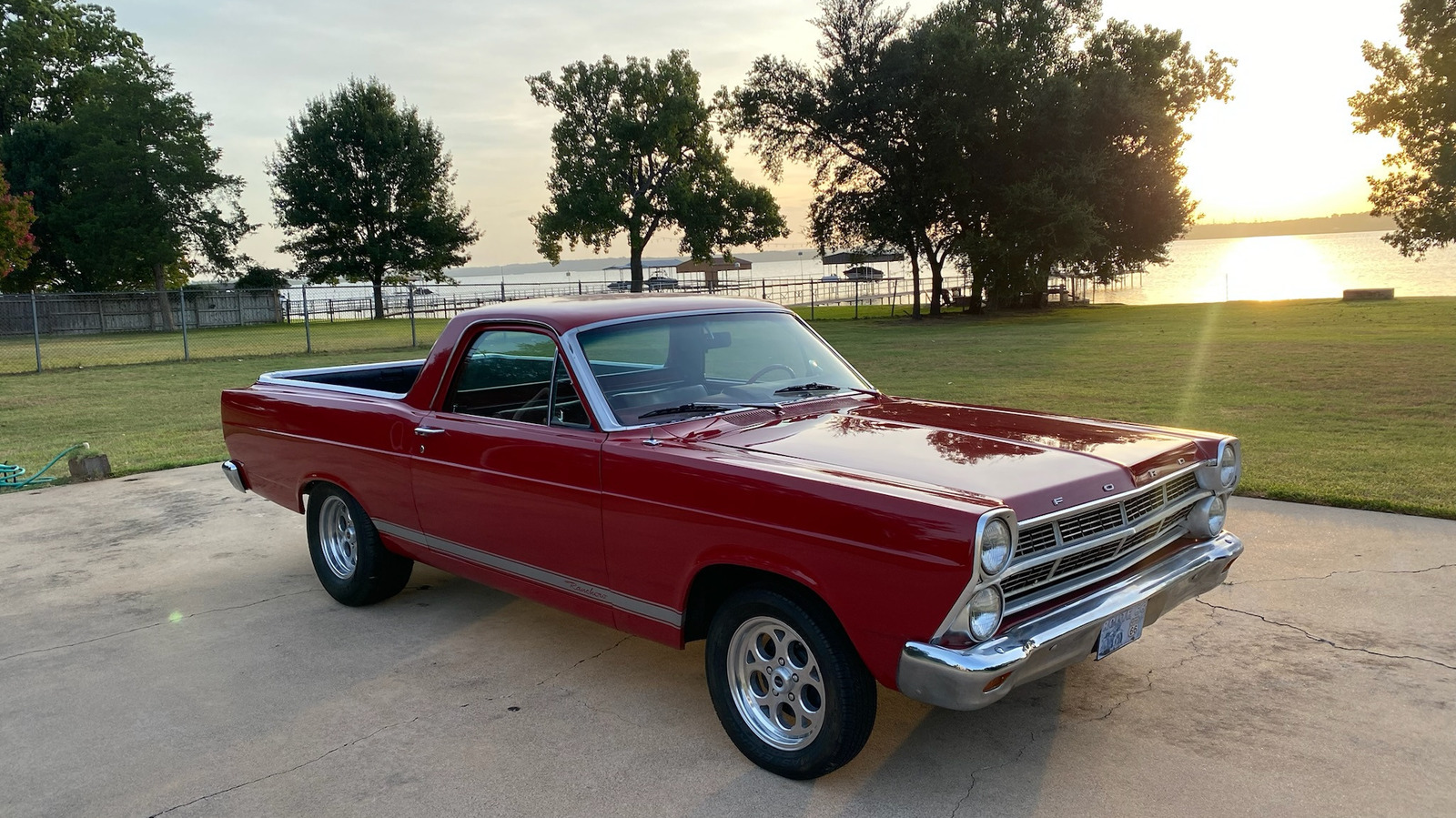
The vehicle’s exterior presence is defined by a striking bright red paint job that accentuates the clean lines of the mid-1960s Ford platform. While the car has clearly been cared for and modified throughout its decades on the road, it avoids the common pitfalls of modernizing a classic. The cabin retains much of its vintage atmosphere, though it does incorporate a few pragmatic updates designed to improve everyday usability.
Among these changes are a modern single-DIN audio system and an air conditioning setup of somewhat mysterious origins. The control and vent layout of the climate control system does not match either the factory in-dash option
offered by Ford in 1967 or the period-appropriate round-vented dealer accessories commonly found from that era. Nevertheless, these additions remain unobtrusive and functional, allowing the driver to enjoy modern comforts without disrupting the vehicle’s fundamental character. The current set of wheels, however, stands out as a more noticeable departure from originality, though a traditional set of five-spoke American Classics could easily restore a more period-correct stance.
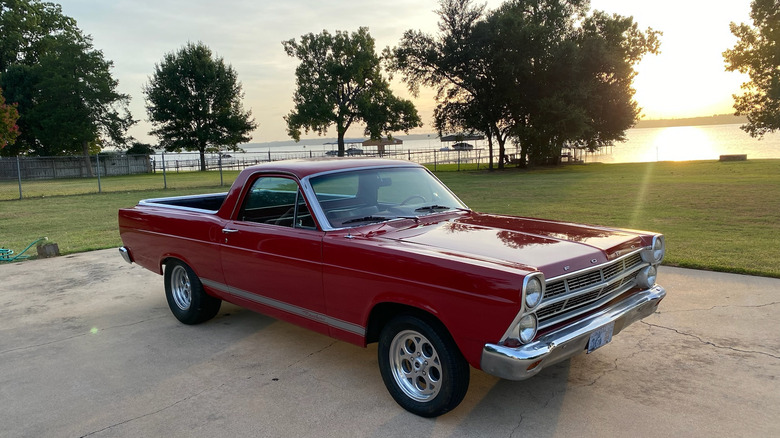
Just a good old fashioned ute
While the interior and exterior details contribute to the car’s visual appeal, the most significant transformation lies beneath the sheet metal. Originally equipped from the factory with a modest 289-cubic-inch V8 engine paired with a three-speed manual transmission, this Ranchero has received a heart transplant. In place of the original drivetrain sits a more potent 351-cubic-inch V8 engine, mated to a four-speed manual transmission shifted via a floor-mounted Hurst shifter.
Technically speaking, this specific swap is not strictly period-correct, as the 351 engine family made its debut a couple of years after this particular model year rolled off the assembly line. Even so, the displacement upgrade fits comfortably within the mechanical ecosystem of Ford’s small-block V8 architecture, making it an authentic-feeling modification that honors the spirit of hot-rodding culture. Purists who might lament the absence of the factory numbers-matching engine will likely find solace in the fact that the build avoided more invasive modernizations, such as a late-model Coyote V8 swap that might have felt entirely out of place in a mid-sixties chassis.
With an odometer reading that shows just 3,100 miles—though true total mileage remains exempt or unknown given the vehicle’s age and subsequent mechanical overhauls—this modified classic represents an intriguing opportunity for collectors and drivers alike. Positioned currently on the online auction block with early bidding sitting at an accessible entry point, the trucklet bridges the gap between vintage charm and usable street performance. Whether it finds a home with a dedicated ute aficionado or serves as a weekend cruiser, this red-hot Ford continues a long tradition of blending passenger car comfort with utility capability.