
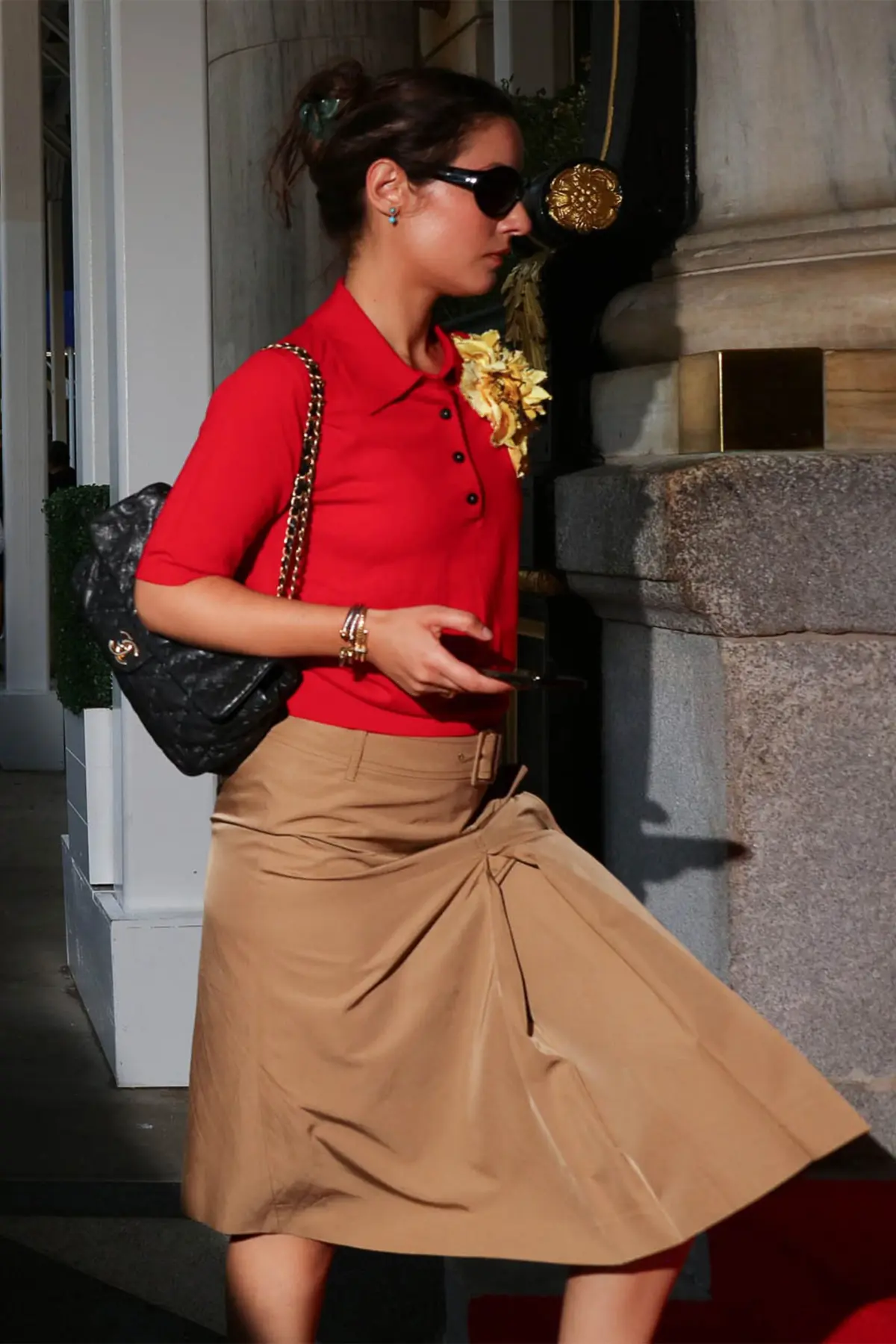
The modern luxury landscape is currently experiencing a profound synchronization between the primary runway cycle and the secondary resale market. As high-fashion houses appoint new creative directors and unveil fresh aesthetic visions, the ripple effect is immediate, transforming the way consumers search for, value, and acquire vintage and pre-loved pieces. According to eBay’s latest watchlist report for Fall/Winter 2026, the hype surrounding these new creative appointments is acting as a powerful catalyst, driving unprecedented interest in historical archives and significantly inflating the value of key pieces from bygone eras.
This phenomenon is not merely a localized trend but a comprehensive market shift. When a brand introduces a new creative voice, the public’s curiosity is piqued, leading them to look back at the house’s origins and its most iconic periods. As the report highlights, these "halo effects" are rippling across decades, raising prices and increasing the circulation of archival items as shoppers attempt to participate in the current conversation through a lens of historical authenticity.
The Power of the Creative Pivot
The data provided by eBay illustrates a clear correlation between the excitement of a debut collection and the subsequent surge in secondary market activity. When Matthieu Blazy’s first collection for Chanel hit the stores, the immediate impact was quantifiable: searches for the designer skyrocketed by 291%. However, the interest was not contained to the new. Instead, the market saw a parallel spike in the past, with listings for Karl Lagerfeld-era Chanel pieces rising by 87% year-on-year.
This pattern repeats across the industry. When Demna debuted his first runway show for Gucci, searches for his name rose by 42%. Simultaneously, listings for the sought-after Tom Ford-era Gucci collections increased by 49%. This suggests that sellers are acutely aware of the "creative director effect," choosing to capitalize on the heightened visibility of a brand to offload and monetize their own archival pieces.
This trend of "era-specific" shopping is becoming a dominant force on platforms like eBay. Pieces from defining designer periods are entering circulation at a rapid pace, with listings for Demna’s Balenciaga surging 204% year-on-year, and Phoebe Philo’s Chloé collections seeing a 165% increase. The message is clear: the market for vintage is no longer just about "retro" appeal; it is a strategic extension of the current fashion cycle.
The influence of these shifts is even more pronounced at houses like Dior. Following Jonathan Anderson’s inaugural couture show for the brand, searches for the designer climbed by 92%. In the same timeframe, the average sales price for John Galliano-era Dior—a period currently revered by collectors—jumped by 81%. This indicates that when a new designer reinvents the "codes" of a legacy house, the market immediately re-evaluates the worth of the designer who originally established or famously interpreted those codes.

Consumer Intent and the Search for Value
This shift in consumer behavior is further validated by reports from other major players in the resale space. The RealReal’s 2026 resale report, released this past August, noted that the appointment of Matthieu Blazy drove searches for the designer up by an astounding 10,976% on their platform. On eBay, the trajectory of Chanel is perhaps the most telling example of this momentum. Chanel, which did not rank among the top-purchased luxury brands on the site between 2022 and 2024, surged to fifth place in 2025 and climbed to third place in 2026, trailing only industry giants Louis Vuitton and Gucci.
Stylist Brie Welch, who served as a resident stylist for the eBay report, notes that the current market is defined by a desire to understand a brand’s evolution. "When someone new takes the helm, they’re not necessarily reinventing the wheel but very often revisiting the codes, silhouettes, and references that made the house interesting in the first place," Welch explains. "Seeing a brand reinterpreted through a new creative lens naturally sparks curiosity about its past collections."
This curiosity is evidence of a more sophisticated, research-oriented shopper. Today’s consumers are not just passive observers; they are following runway shows with granular attention, utilizing hyper-specific search terms to find exact items that match the current aesthetic. By turning to the secondhand market, these shoppers are fulfilling a dual purpose: they are tapping into the current zeitgeist while also seeking better value. This reflects a broader economic reality where, even as consumers maintain their spending habits, they are placing a greater emphasis on the perceived value of their acquisitions. If the secondary market offers a more compelling proposition than the primary market—either through accessibility, price, or unique archival finds—the industry must take note.
Market Demand and Cultural Heat
While the "creative director effect" is a significant driver of price hikes, it is not the only factor. The overall cultural heat surrounding specific luxury items has caused prices to rise across the board. Kirsty Keoghan, eBay’s general manager of EU fashion and luxury, points out that while rising primary market prices have contributed to the trend, much of the spike in secondhand value can be attributed to high-profile celebrity sightings and social media influence.
The Row’s Margaux bag serves as a prime example of this trend. With high-profile endorsements from figures like Zoë Kravitz and Kendall Jenner, the bag’s price on the resale market has climbed 137% year-on-year. Similarly, demand for Gucci’s Giglio tote, favored by Dakota Johnson and Suki Waterhouse, saw a 103% increase. According to Keoghan, there is a clear "intentionality" about owning items that possess cultural relevance and longevity. Shopping for secondhand designer fashion has evolved from a thrifting activity into a highly responsive, culturally driven pursuit.
This trend is most visible in the resurgence of the "It-bag." The Balenciaga Le City bag, which recently celebrated its 25th anniversary, has seen a 936% increase in global listings. Once a staple of the early 2000s, the bag is now being seen on the arms of modern influencers and celebrities like Bella Hadid and Harris Dickinson, fueling a massive secondary demand. Other pieces, such as the Loewe Amazona 180 (up 440%), the Valentino Garavani VLogo Bag (up 358%), and the Bottega Veneta Veneta Bag (up 158%), are following similar trajectories, driven by the same celebrity-led visibility.

Connecting Runway Trends to the Archive
The final piece of this puzzle is the direct feedback loop between the current runway and the past. As consumer anxiety persists, many shoppers are opting for pre-loved versions of current trends as a "safer" and more considered purchase. The Prada skirt trend provides a perfect case study: following the brand’s SS27 show in Milan on September 22, global searches for "Prada skirt" on eBay spiked by more than 360% compared to the start of the month.
"Suddenly, you’re looking at a sort of dated silhouette differently," Welch observes. By sourcing an earlier iteration of a skirt seen on the runway, consumers can participate in a trend at a more accessible price point, often finding a piece that feels more unique than a brand-new, mass-produced item.
This season’s focus on footwear has also provided a significant boost to the resale sector. Chanel’s consistent inclusion of slingbacks in recent collections has led to a 65% increase in searches for the style across eBay, with specific searches for Chanel slingbacks jumping by 50%.
Ultimately, this behavior signals a change in the philosophy of luxury consumption. As Keoghan notes, "People are shopping with a sharper point of view; they want to be part of the conversation, and they are shopping pre-loved to achieve that." By leveraging the past to define the present, the modern fashion consumer is ensuring that their wardrobe is not just a reflection of the current season, but a curated archive of fashion history. As the lines between primary and secondary markets continue to blur, the power of the archive will only grow, fueled by the relentless pace of new creative direction and the enduring desire for style with a story.