
Eating more plants has long been championed as a cornerstone of human health, universally associated with a lower risk of chronic illness, better metabolic function, and improved longevity. Yet, for all the empirical data supporting plant-rich diets, nutrition scientists are still actively working to decode the precise molecular mechanisms at play. New research out of Princeton University and the Ludwig Institute for Cancer Research suggests that dietary fiber—long held up as the undisputed hero of plant-based nutrition—tells only part of the story.
Instead, a fresh body of work demonstrates that certain plant proteins capable of resisting human digestion play an equally surprising and critical role. These overlooked molecules actively shape the composition of the gut microbiome, steering intestinal bacteria away from harmful biochemical outputs and toward beneficial ones. This revelation, alongside a companion study that challenges decades-old assumptions about where vital bodily chemicals originate, promises to rewrite how scientists view the interplay between diet, human biology, and the trillions of microorganisms residing in the digestive tract.
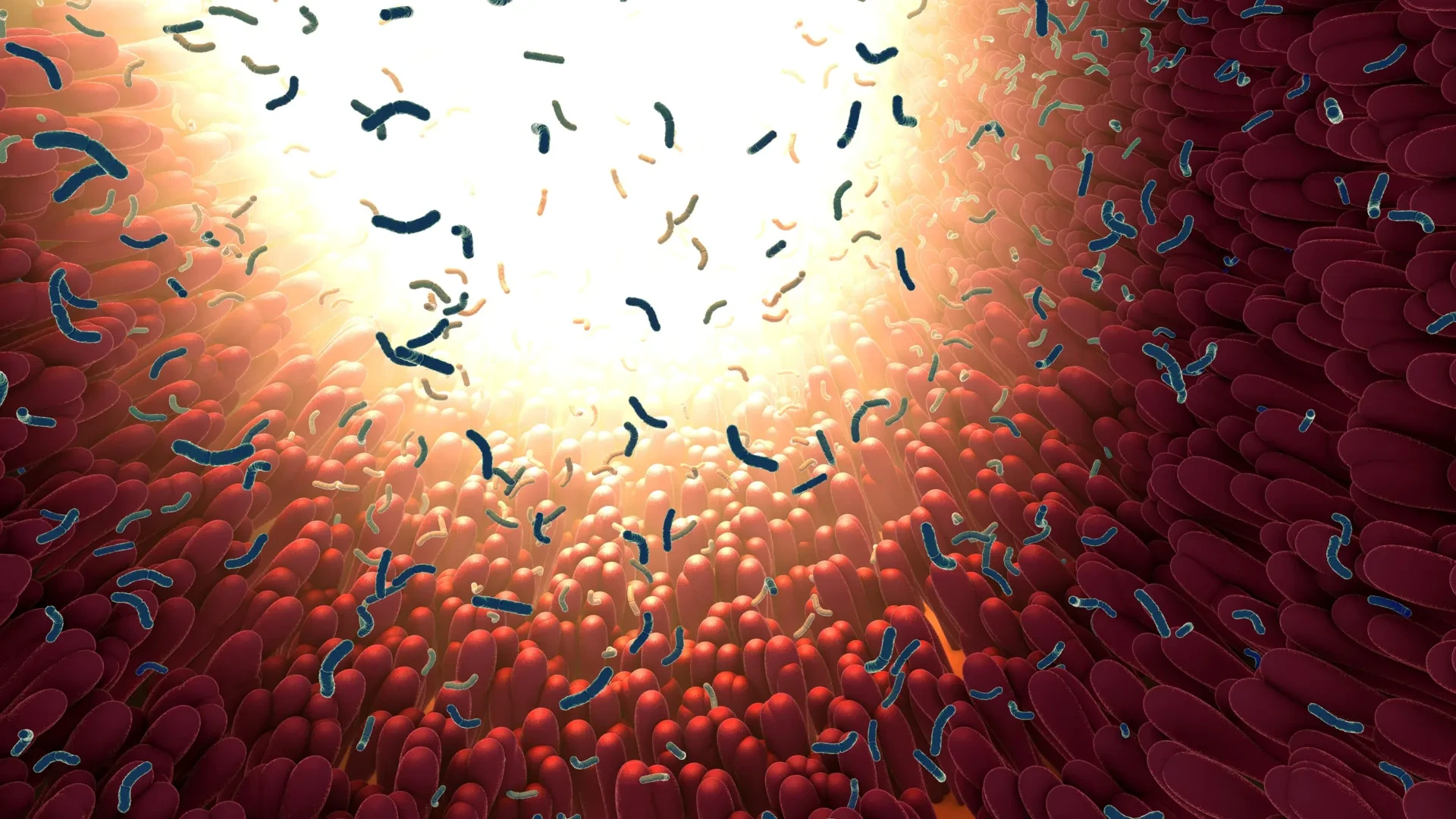
Plant-based diets are well known for supporting digestive health, immune function, metabolism, and cardiovascular wellness. Much of this heavy lifting is attributed to the maintenance of a diverse, thriving community of microorganisms in the intestines, collectively known as the gut microbiome. Many of these resident bacteria perform vital services, helping human hosts break down food components that the body’s own digestive enzymes cannot process independently.
Historically, dietary fiber has been crowned as the primary fuel source for these microbes. At the same time, plants are packed with phytochemicals—natural, bioactive compounds that provide vibrant coloration to fruits and vegetables while shielding the plants themselves from environmental stressors. These compounds also confer health benefits to humans. However, researchers are only now beginning to map the extraordinarily complex chemical cascades that occur when gut bacteria metabolize these diverse plant structures.
Two pivotal studies spearheaded by Jenna AbuSalim and Joshua Rabinowitz, director of the Princeton Branch of the Ludwig Institute for Cancer Research, have brought unprecedented clarity to this biochemical landscape. The first study, published in the Proceedings of the National Academy of Sciences (PNAS), illuminates how a combination of plant fiber and specific resistant proteins compels gut bacteria to favor the manufacture of health-promoting compounds over potentially toxic ones. The second study, published in Nature Metabolism, upends the long-held belief that many essential chemical compounds circulating through the human body originate exclusively from intestinal microbes.
"There’s growing interest across medical disciplines in manipulating the human microbiome or using its metabolic products themselves for therapy," said Rabinowitz. "Diet holds great promise for controlling the microbiome and its outputs. But to devise effective therapeutic interventions, we need to understand what aspects of the diet control which microbial outputs."
How Plant Foods Change the Chemicals Your Gut Produces
In the PNAS investigation, the researchers trained their focus on a class of molecules known as phenol metabolites. Metabolites are the downstream chemical byproducts created when the human body or resident microorganisms break down, transform, and process ingested nutrients. While some metabolites are indispensable for standard biological operations, others can accumulate and accelerate disease pathology if allowed to build up unchecked.
The specific phenol metabolites investigated by the research team are manufactured when gut bacteria process two distinct amino acids: tyrosine and phenylalanine. Although both amino acids serve as fundamental building blocks for proteins, the downstream compounds they ultimately generate exert vastly different effects on human physiology.
For instance, two metabolites derived from phenylalanine—phenylpropionate and hippuric acid—are closely linked with a healthy body weight and robust gastrointestinal stability. Conversely, two compounds derived from tyrosine, known as p-cresol sulfate and phenol sulfate, have been directly correlated with worsened clinical outcomes in cancer patients and widespread systemic toxicity in individuals suffering from chronic kidney disease.
Faced with these divergent outcomes, the researchers set out to determine whether distinct, discrete components of plant-based foods could actively influence which of these competing substances the gut microbes decided to produce.
"Our studies showed that both the fiber and indigestible proteins from plants—which we call ‘proteins imitating fiber,’ or Prif—shift the balance of phenol metabolites from the harmful kind made from tyrosine to the healthful variety derived from phenylalanine," explained AbuSalim.
An Overlooked Plant Protein Works Alongside Fiber
While the physiological perks of dietary fiber have been scrutinized, celebrated, and analyzed for decades, the scientific community has paid remarkably scant attention to plant proteins that manage to slip through the human upper gastrointestinal tract without being fully broken down or absorbed.
The Princeton-led team discovered that these indigestible proteins, designated as Prifs, successfully journey down into the lower gut microbiome. Once there, they do not simply pass through idly; instead, they serve as rich raw material for bacterial metabolism. In consuming these proteins, the resident microbes shift their metabolic pathways, altering which bacterial strains thrive and which chemical byproducts are secreted into the host environment.
Critically, these proteins do not operate in a vacuum. They cooperate synergistically with plant fiber to fundamentally rewrite how gut bacteria process incoming nutrients, directing microbial activity away from toxic outputs and toward the synthesis of beneficial phenol metabolites.
This discovery suggests that the nutritional value of plant-based foods cannot be judged solely by their familiar concentrations of fiber, vitamins, and minerals. The absolute quantity and specific biochemical structure of the plant protein that escapes human digestion may be equally instrumental in governing how a meal impacts the gut microbiome.
When Gut Bacteria Run Low on Fiber, They May Feed on Your Gut’s Protective Mucus
One of the most provocative findings of the research addresses the fundamental question of where gut bacteria obtain the raw materials used to synthesize harmful metabolites in the first place.
To solve this puzzle, the researchers deployed stable, non-radioactive isotopes to label proteins. This sophisticated technique endows targeted molecules with a distinct chemical signature, enabling scientists to track their exact physical journey and metabolic processing within the digestive tracts of experimental mice without relying on radioactivity.
The resulting data exposed a stark, revealing dichotomy between the origins of beneficial versus harmful phenols. The potentially harmful phenols were traced back to a troubling source: gut bacteria breaking down host-derived proteins, specifically those embedded in the delicate mucus layer that coats the intestinal walls. This protective barrier is crucial, acting as a physical moat that separates billions of lumen-dwelling microbes from the delicate epithelial cells lining the gut while serving as a foundational component of the body’s innate immune defense.
Meanwhile, the health-promoting beneficial phenols were manufactured almost entirely from the indigestible plant proteins supplied directly by the diet.
The experiments revealed that dietary fiber plays a vital protective role by discouraging bacterial degradation of the intestinal mucus layer, thereby suppressing the production of dangerous phenols. Simultaneously, the indigestible plant proteins (Prifs) stepped in to provide an alternative, abundant supply of exogenous nutrients for the microbes, encouraging them to churn out healthful metabolites instead.
Together, these findings unveil two complementary mechanisms through which plant foods safeguard and regulate intestinal chemistry. Fiber acts as a deterrent, keeping hungry microbes away from the host’s protective tissue, while Prifs supply an alternative buffet that fosters the production of restorative metabolites.
"We think Prifs represent an emerging class of dietary nutrients that shape the composition of the gut microbiome and could have a far-reaching influence on metabolic health," AbuSalim noted.
The clinical and commercial implications of this work could eventually stretch far beyond academic journals, potentially influencing public health guidelines and commercial food labeling.
"Food packaging may eventually list Prif right below fiber," Rabinowitz suggested.
A Second Discovery Challenges What Scientists Thought About Gut Bacteria
Running parallel to the protein and fiber investigation, a companion study published in Nature Metabolism tackled a separate, foundational dogma in microbiome science: Are intestinal bacteria truly responsible for manufacturing all of the metabolites traditionally credited to them?
Alongside phenol metabolites, the research team examined indole metabolites, which are synthesized from tryptophan, another essential amino acid abundantly found in dietary protein sources. These substances have long commanded intense interest across the biomedical community because they are intimately involved in regulating inflammation, modulating immune responses, and influencing disease progression. Researchers have spent years probing their roles in inflammatory bowel disease, neurodegenerative conditions, and oncology, where certain indole metabolites have been shown to impact tumor growth and shape the immune system’s capacity to recognize and destroy cancer cells.
Historically, the scientific consensus has maintained that gut bacteria are the exclusive architects of these compounds. That unverified assumption has driven countless clinical efforts to develop targeted probiotics, prebiotics, and specialized dietary interventions designed to boost the production of beneficial indole metabolites within the digestive tract.
However, that entire therapeutic architecture rests on a fragile premise: the belief that intestinal microbes are solely responsible for generating the majority—if not all—of the circulating compounds that scientists hope to manipulate. If mammalian cells themselves are capable of synthesizing substantial quantities of these exact same metabolites, altering the microbiome may prove to be an inefficient or ineffective way to control systemic levels.
Your Body Can Make Compounds Once Attributed to Gut Microbes
To test this hypothesis, the research team deployed isotope tracing across mouse and rat models, as well as cultured human cells, carefully charting the precise origins of various metabolites.
The results delivered a direct challenge to conventional medical wisdom. Mammalian cells proved fully capable of generating numerous phenol and indole metabolites entirely independent of any microbial assistance. Among these independently manufactured molecules were indole-3-lactate and indole-3-acetate, two biologically potent compounds that had long been universally categorized as exclusive products of microbial metabolism.
To verify these surprising findings, the researchers observed what happened when antibiotic administration intentionally disrupted or decimated the intestinal microbiome. If specific metabolites depended strictly on the presence of gut bacteria, their concentrations in the body should plummet once those microbes were wiped out.
Yet, counter to expectations, many of these metabolites remained present at substantial levels within the bloodstreams of antibiotic-treated mice. A remarkably similar pattern emerged when researchers analyzed clinical samples collected from human patients undergoing antibiotic regimens, including individuals undergoing active cancer treatment.
At the same time, other compounds behaved precisely as expected. Levels of indole-3-propionate and p-cresol sulfate—which truly are produced exclusively by microbial action—experienced sharp, immediate declines following antibiotic intervention.
This clear differentiation provided definitive proof that certain systemic metabolites rely entirely on intestinal bacteria, while others can be co-produced or manufactured outright by the host’s own cellular metabolic machinery.
This distinction carries profound clinical importance. It signals that future therapeutic interventions designed to elevate beneficial metabolites or suppress harmful ones must account for the dual sources of these chemicals.
What These Discoveries Mean for Nutrition and Future Treatments
Taken together, these two major studies offer a more nuanced, sophisticated framework for understanding how diet, the gut microbiome, and host metabolism constantly interact.
The first study uncovers an entirely overlooked category of plant proteins that acts in concert with dietary fiber to direct bacterial activity, successfully shifting the chemical balance away from toxic metabolic byproducts. The second study shatters the assumption that the microbiome holds a monopoly over the production of critical bioactive metabolites, proving that the human body itself plays an active hand in their creation.
Both lines of inquiry carry sweeping implications for future research into metabolic disorders, gastrointestinal health, oncology, and other clinical fields where the microbiome plays a mediating role. They suggest that future attempts to fine-tune human gut chemistry through targeted diets, probiotics, or synthetic therapeutics will need to account for both microbial behavior and host metabolic capabilities simultaneously.
Because a significant portion of the current experimental data derives from animal models and controlled laboratory settings, researchers emphasize that additional clinical work will be required to determine precisely how these newly discovered mechanisms translate into long-term health outcomes for human populations.
Nevertheless, refining our understanding of how distinct food fractions interface with microbial and human metabolism promises to make nutritional science vastly more precise, paving the way for targeted therapeutic strategies.
"Beyond that," Rabinowitz concluded, "a clearer picture of how different foods interact with the microbiome to modulate the production of bacterial metabolites will help sharpen the guidance nutritionists and doctors can give to people for disease prevention and therapy."
Funding for these studies was provided by the Ludwig Institute for Cancer Research, the National Institutes of Health, the National Institute of Diabetes and Digestive and Kidney Diseases, the Princeton Alliance for Collaborative Research and Innovation, and Princeton University.
In addition to serving as Director of the Princeton Branch of the Ludwig Institute for Cancer Research, Joshua Rabinowitz is a professor in the Department of Chemistry and the Lewis-Sigler Institute for Integrative Genomics, as well as a member of the Rutgers Cancer Institute.